
Christian-Vodou
The blending of Haitian Vodou and Roman Catholicism into a single spiritual practice
A syncretic tradition in Haiti where enslaved Africans merged West African spirituality with forced Roman Catholicism. Practitioners often identify as both Catholic and Vodou adherents, using saints to represent spirits known as loa.
- Enslaved Africans disguised loa as Catholic saints
- Bois Caiman ceremony sparked the Haitian Revolution
- State ordained priests independent of the Vatican
- Church campaigns burned ritual paraphernalia
- Funerals often mix Catholic mass and Vodou rites
What it is
Christian-Vodou represents the fusion of Roman Catholic Christianity and Haitian Vodou. This blend emerged during the eighteenth century under slavery. Enslaved people combined their African beliefs with the imposed faith of their captors. The result is a system where Catholic rituals mask traditional practices. Many adherents see no conflict between the two. They attend mass while also honoring the spirits of Vodou. This approach allowed survival under harsh colonial conditions. It remains a dominant spiritual framework in Haiti today.
Where it comes from
The tradition began when French colonizers enforced Catholicism on West African slaves. Slaves disguised their own deities as Catholic saints to preserve their heritage. This syncretism grew from anguish and the need for resistance. The Bois Caiman ceremony sparked the revolution that created Haiti. Later political shifts cemented the merger. Leaders like Henri Christophe made this blended faith official. The Vatican rejected local priesthoods, forcing independence from Rome.
How it is done
Practitioners use Catholic structures to perform Vodou rites. They might pray the Rosary or recite the Lord's Prayer while serving the loa. Funerals often feature both Catholic masses and Vodou ceremonies. Saints are viewed as counterparts to specific spirits. This allows believers to participate in public Christian life privately. The rituals focus on community and ancestral connection. Masks are used to hide the true nature of the worship from outsiders.
Tools and materials
Catholic symbols serve as primary tools. These include statues of saints, holy water, and crosses. These items represent the loa and other spiritual forces. Ritual paraphernalia such as ounfos are used in ceremonies. The church has historically destroyed these items. Modern practitioners keep them hidden or integrated into home altars. The physical objects bridge the gap between the visible church and the invisible spirit world.
Christian-Vodou, drawn and placed
- Living
- Revived
- Fading
- Historical
- Legendary
- Performed
- Lineage
- Afro-diasporic religion
What it is for
The practice aims to commune with ancestors and spirits. It seeks protection and guidance for the community. Believers ask for help through the intercession of saints and loa. It provides a way to maintain cultural identity under oppression. The dual nature offers safety by appearing compliant to authorities. It also fulfills spiritual needs that pure Catholicism did not address for Africans.
Who does it
Both laypeople and ritual specialists lead this tradition. Households often maintain private altars with saint statues. Priests may be ordained by the state rather than the Vatican. Some leaders face violence from extremist groups. Gender roles vary within the broader Vodou structure. The practice requires knowledge of both Catholic doctrine and African traditions.
Peoples and places
This tradition is unique to Haiti. It reflects the history of the island under French and Spanish rule. Other regions like Louisiana show similar blends. However, Haitian Vodou is distinct in its scale and integration. The population includes those who strictly follow one faith and those who blend both. The majority of Haitians recognize elements of this syncretism.
At a glance: who, where and when
Peoples
Belief worlds
Occasions
What people believe
Believers hold that saints and loa are connected. The Catholic God and African supreme beings are often linked. Spirits are seen as intermediaries between humans and the divine. The practice acknowledges the power of both worlds. Conflicts arise when some view the loa as demonic. Most practitioners see the combination as enriching their faith.
When it is done
Christians celebrate standard holidays like Christmas and Easter. Vodou followers observe festivals dedicated to specific loa. Many Haitians mark both sets of dates. Life events like births and funerals involve both traditions. The calendar reflects a dual loyalty to the church and the ancestors.
How scholars and sceptics see it
Anthropologists study this as a case of religious adaptation. Historians note its role in the Haitian Revolution. Sceptics and missionaries have long opposed it. Some view it as superstition or devil worship. Researchers recognize it as a complex theological system. It demonstrates how oppressed groups preserve culture through disguise.
Cautions and what is closed
Violence has targeted both pastors and Vodou priests. Extremist groups blame disasters on Vodou practitioners. The church has burned ritual objects in campaigns. Misunderstandings lead to social stigma. False media portrayals paint the faith as black magic. Practitioners face legal and social risks in certain contexts.
Compare and confuse
It differs from pure Catholicism by including ancestor veneration. It is related to Louisiana Voodoo but has distinct Haitian features. Some call it syncretic religion. Others see it as a separate indigenous faith. The term 'Vodou' itself is sometimes stigmatized outside Haiti.
Law and persecution
The church has lobbied to outlaw Vodou. Campaigns in the nineteenth and twentieth centuries destroyed artifacts. The state has at times supported the church against Vodou. Recent decades show a more liberal stance. Legal protections remain uneven for practitioners in practice.
Today
Many Haitians self-identify as good Christians and Vodouists. Evangelical growth challenges the traditional blend. Media still misrepresents the faith. Diaspora communities maintain these practices abroad. The tradition continues to evolve amidst political and social changes.
Questions people ask about Christian-Vodou
What is Christian-Vodou?
It is a syncretic tradition in Haiti blending Roman Catholicism and African Vodou. Practitioners use Catholic symbols to honor spirits called loa.
How did it start?
It began when enslaved Africans merged their beliefs with forced Catholicism. They hid their spirits behind Catholic saints to survive persecution.
Is it considered real Christianity?
Many practitioners identify as Catholics. They see no contradiction. However, the Vatican does not recognize their local priesthoods.
Good reading and sources
The facts on this page come from the Wikipedia article "Christianity and Vodou", written by its contributors and used under the CC BY-SA 4.0 licence, and from its Wikidata record (CC0). EveryJaadu rewrote the text in its own words, with AI assistance, and compares every page with the article to make sure no passage is copied. It may be reused under the same CC BY-SA 4.0 licence with a link back.
It may contain mistakes. Names and customs differ from one community to the next, and some knowledge is closed to outsiders and left out here. This page describes belief and practice. It does not say that any of it works, it is not a how-to, and it is not medical advice. If something is wrong, tell us. Last refreshed 2026-10-06.
More from Haiti
All the entries from Haiti 🇭🇹 Haiti and 2 moreBokorbòkò
A Haitian Vodou practitioner said to serve spirits for both protection and harmTradition · Protection · Cursing and harm Living
🇭🇹 Haiti and 2 moreBokorbòkò
A Haitian Vodou practitioner said to serve spirits for both protection and harmTradition · Protection · Cursing and harm Living
 🇭🇹 Haiti and 2 moreManbo
A female priestess in Haitian Vodou who leads rituals and healing workTradition · Healing · Speaking with spirits and the dead Living
🇭🇹 Haiti and 2 moreManbo
A female priestess in Haitian Vodou who leads rituals and healing workTradition · Healing · Speaking with spirits and the dead Living
 🇹🇹 Trinidad and Tobago and 3 moreCaribbean folklore
The blended tales and spirits of the Caribbean islandsTradition · Wonder and entertainment Living
🇹🇹 Trinidad and Tobago and 3 moreCaribbean folklore
The blended tales and spirits of the Caribbean islandsTradition · Wonder and entertainment Living
 🇨🇺 Cuba and 5 morePalo
An Afro-Cuban religion centered on spirit vessels and ancestral powerTradition · Healing · Cursing and harm Living
🇨🇺 Cuba and 5 morePalo
An Afro-Cuban religion centered on spirit vessels and ancestral powerTradition · Healing · Cursing and harm Living
Related elsewhere
All tradition 🇪🇸 Spain and 5 moreSt John's Eve
A Christian vigil marked by bonfires and plant gathering on the summer solstice eveRite · Protection · Speaking with spirits and the dead Living
🇨🇳 China and 4 moreKitchen God灶君
The Chinese hearth deity who reports domestic conduct to the Jade EmperorBeing · Protection · Luck and prosperity Living
🇪🇸 Spain and 5 moreSt John's Eve
A Christian vigil marked by bonfires and plant gathering on the summer solstice eveRite · Protection · Speaking with spirits and the dead Living
🇨🇳 China and 4 moreKitchen God灶君
The Chinese hearth deity who reports domestic conduct to the Jade EmperorBeing · Protection · Luck and prosperity Living
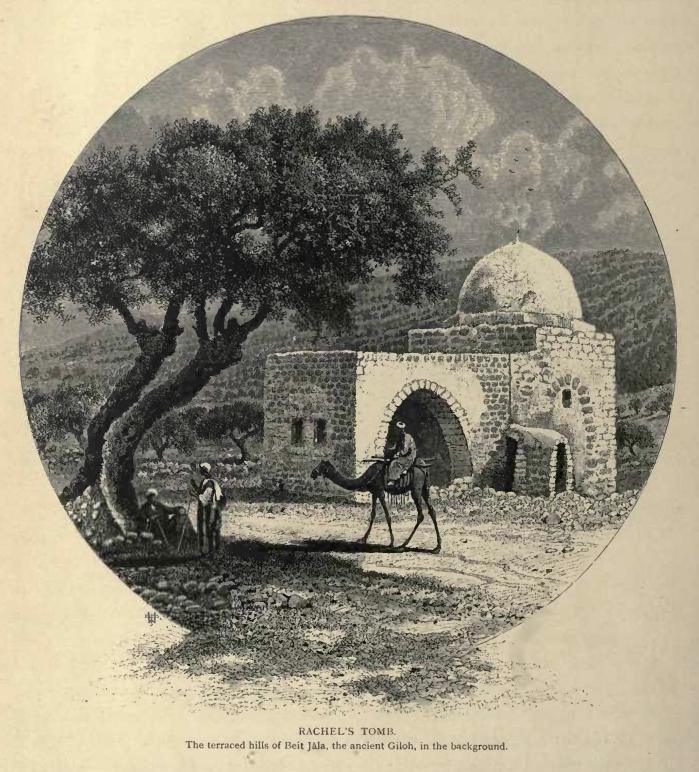 🇵🇸 Palestine and 1 moreRachel's TombQever Raḥel; Qabr Rāḥīl
A shared holy site near Bethlehem revered by Jews, Christians, and MuslimsTradition · Speaking with spirits and the dead · Protection Living
🇵🇸 Palestine and 1 moreRachel's TombQever Raḥel; Qabr Rāḥīl
A shared holy site near Bethlehem revered by Jews, Christians, and MuslimsTradition · Speaking with spirits and the dead · Protection Living
 🇸🇳 Senegal and 1 moreSerer religionA ƭat Roog
The traditional faith of the Serer people, centred on the supreme deity Roog and ancestral veneration.Tradition · Protection · Speaking with spirits and the dead Living
🇸🇳 Senegal and 1 moreSerer religionA ƭat Roog
The traditional faith of the Serer people, centred on the supreme deity Roog and ancestral veneration.Tradition · Protection · Speaking with spirits and the dead Living