
A cross necklace is any chain or cord featuring a Christian cross or crucifix. It signals commitment to Christianity and is believed by some to offer protection from evil. Practitioners include ordinary believers and clergy across various traditions.
- Early Christians used the cross as a secret symbol during persecution.
- Ethiopian Orthodox members tie a silk matäb cord at baptism.
- Eastern Orthodox communicants must wear their baptismal cross always.
- UK court awarded damages to an employee disciplined for wearing a cross.
- US federal agencies issued memos protecting religious expression in 2025.
What it is
A cross necklace features a Christian cross or crucifix as its main pendant. It serves as a visible marker of adherence to the Christian faith. Many wear it to show devotion, while others view it as a protective charm against evil forces. Some individuals treat it simply as a fashion item, regardless of their spiritual stance. The design varies widely, but the central element remains the cross shape.
Where it comes from
Early Christians used the cross as a hidden symbol during periods of persecution in the first centuries of the era. Over time, it became an open declaration of faith. In Ethiopia, the matäb, a silk cord for the cross, is tied at baptism. This practice emphasizes lifelong commitment. Bishops in various traditions wear pectoral crosses to signify their clerical rank.
How it is done
The necklace is typically worn around the neck on a chain or cord. For Eastern Orthodox and Oriental Orthodox communicants, wearing the baptismal cross at all times is a requirement. Ethiopian Orthodox members attach the cross to a matäb tied at the neck. Women may add other pendants to this cord, though it is not mandatory.
Tools and materials
The primary tool is the cross itself, often made of metal. It hangs from a chain or a specific silk cord known as a matäb in Ethiopian tradition. The matäb is distinctively tied at the neck during baptism rituals. Other materials vary based on personal preference and local craftsmanship.
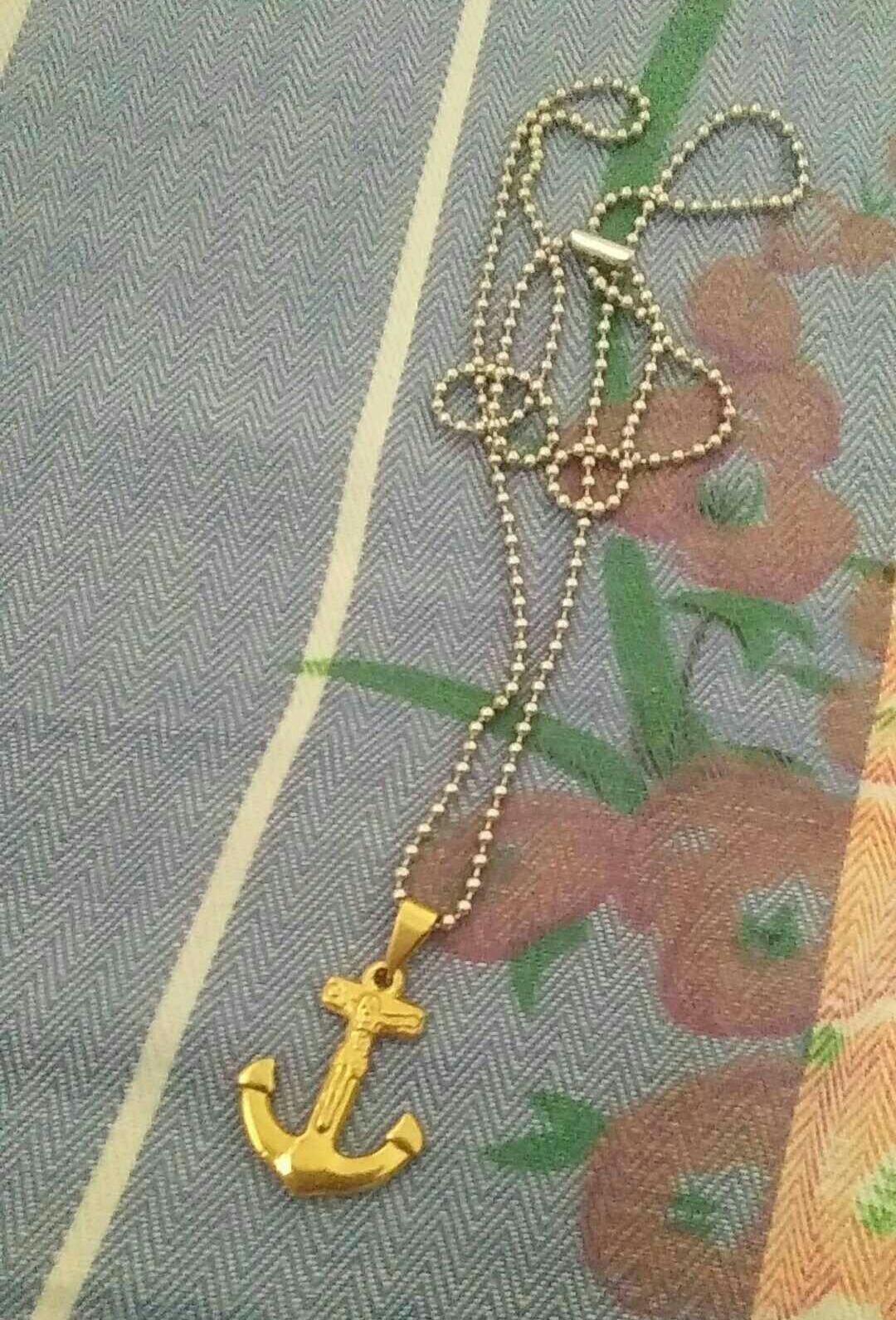
Cross necklace, drawn and placed
- Living
- Revived
- Fading
- Historical
- Legendary
- Performed
- Lineage
- Christianity
- Timing
- at baptism and daily
What it is for
Believers wear the cross to demonstrate their faith and commitment to Christianity. Some hold that it provides spiritual protection from evil influences. It is also given as a gift during significant religious rites like baptism and confirmation. Clergy wear larger versions to denote their office and authority within the church hierarchy.
Who does it
Ordinary Christians wear these necklaces as part of their daily life. Clergy members, such as bishops, wear pectoral crosses to indicate their order. In Ethiopia, the matäb is tied by religious figures at baptism. The wearer is expected to maintain the necklace as a constant reminder of their vows.
Peoples and places
The practice spans various Christian communities globally. Eastern and Oriental Orthodox churches mandate daily wear for communicants. Ethiopian Orthodox Tewahedo Church adherents use the matäb cord. In Albania, historical bans existed under atheist regimes. In the United States, legal protections support workplace expression of this faith.
At a glance: who, where and when
Who does it
Belief worlds
Occasions



What people believe
Many Christians believe the cross offers divine protection from evil. It acts as a tangible link to their spiritual beliefs. For some, it is a secular fashion statement. Others view it as a sacred object requiring constant presence. The belief in its protective power varies among individual practitioners.
When it is done
The necklace is often received during baptism and confirmation. These are key life events marking entry into the faith. Once received, many wear it daily without specific calendar restrictions. The matäb is tied specifically at the time of baptism in Ethiopian tradition.
How scholars and sceptics see it
Historians note the cross's evolution from a clandestine symbol to an open emblem. Scholars analyze cases where religious expression clashed with employment rules. Legal experts examine court rulings regarding the right to wear religious symbols in public and private sectors.
Cautions and what is closed
In Albania, wearing the cross was historically banned under an atheist state. In the UK, employees faced discipline for wearing them at work, leading to European Court of Human Rights cases. One case resulted in damages for the employee, highlighting tensions between religious freedom and workplace policies.
Compare and confuse
It differs from other amulets by its specific Christian symbolism. While some wear it for fashion, others see it as a sacramental. It is distinct from non-Christian necklaces which may carry different spiritual meanings or cultural significance.
Law and persecution
Legal battles have occurred in the UK over workplace dress codes. The European Court of Human Rights ruled in favor of one employee, citing insufficient consideration of religious rights. In the US, federal memoranda protect religious expression, including wearing cross necklaces, in government workplaces.
Questions people ask about Cross necklace
What is a cross necklace?
It is a necklace featuring a Christian cross or crucifix pendant. It serves as a symbol of faith, protection, or fashion depending on the wearer's intent and background.
Where does the tradition come from?
It originated in the early Christian era when the cross was a hidden symbol for persecuted believers. It later became an open sign of commitment and clerical rank.
Who wears it and why?
Christians wear it to show devotion or seek protection from evil. Clergy wear pectoral crosses to signify their office. Some wear it as a fashion accessory.
Are there specific rules for wearing it?
Eastern and Oriental Orthodox churches require communicants to wear their baptismal cross at all times. Ethiopian Orthodox members tie a special cord at baptism.
Has it caused legal issues?
Yes. In the UK, employees were disciplined for wearing them, leading to court cases. The US has issued memos protecting their wear in federal workplaces.
Good reading and sources
- Cardinal Keith O'Brien urges Christians to 'proudly' wear crossBBC, Article
- Cross case nurse Shirley Chaplin plans to appeal rulingBBC, Article
- Cross necklace on WikipediaEncyclopedia
- More photos on Wikimedia CommonsPhotos and video
- Wikidata recordOpen data
The facts on this page come from the Wikipedia article "Cross necklace", written by its contributors and used under the CC BY-SA 4.0 licence, and from its Wikidata record (CC0). EveryJaadu rewrote the text in its own words, with AI assistance, and compares every page with the article to make sure no passage is copied. It may be reused under the same CC BY-SA 4.0 licence with a link back.
It may contain mistakes. Names and customs differ from one community to the next, and some knowledge is closed to outsiders and left out here. This page describes belief and practice. It does not say that any of it works, it is not a how-to, and it is not medical advice. If something is wrong, tell us. Last refreshed 2026-10-11.
More from Albania
All the entries from Albania 🇷🇸 Serbia and 5 moreVampire
An undead creature from folklore that feeds on the blood or life force of the livingBeing · Cursing and harm · Luck and prosperity Legendary
🇷🇸 Serbia and 5 moreVampire
An undead creature from folklore that feeds on the blood or life force of the livingBeing · Cursing and harm · Luck and prosperity Legendary
 🇩🇪 Germany and 4 moreNeed-fireNotfeuer
A ritual fire lit by friction to protect livestock and people from disease and witchcraftRite · Protection · Cleansing and purification Historical
🇩🇪 Germany and 4 moreNeed-fireNotfeuer
A ritual fire lit by friction to protect livestock and people from disease and witchcraftRite · Protection · Cleansing and purification Historical
 🇸🇪 Sweden and 5 moreMidsummerJāņi; Joninės; Jaanipäev; Enyovden; Litha; Juhannus
A summer solstice festival marked by bonfires, maypole dancing, and feasting across Europe.Tradition · Protection · Luck and prosperity Living
🇸🇪 Sweden and 5 moreMidsummerJāņi; Joninės; Jaanipäev; Enyovden; Litha; Juhannus
A summer solstice festival marked by bonfires, maypole dancing, and feasting across Europe.Tradition · Protection · Luck and prosperity Living
 🇫🇷 France and 5 moreRevenant
An animated corpse or spirit that returns from the grave to haunt the livingBeing · Cursing and harm Legendary
🇫🇷 France and 5 moreRevenant
An animated corpse or spirit that returns from the grave to haunt the livingBeing · Cursing and harm Legendary
Related elsewhere
All charm 🇨🇳 China and 3 moreChinese dragon龍
A legendary water deity and imperial symbol in East Asian cultureBeing · Protection · Luck and prosperity Historical
🇨🇳 China and 3 moreChinese dragon龍
A legendary water deity and imperial symbol in East Asian cultureBeing · Protection · Luck and prosperity Historical
 🇮🇳 IndiaTaraतारा (Sanskrit), তারা (Bengali)
A fierce Hindu goddess of protection and wisdom, central to the Mahavidya tradition.Being · Protection · Power and authority Living
🇮🇳 IndiaTaraतारा (Sanskrit), তারা (Bengali)
A fierce Hindu goddess of protection and wisdom, central to the Mahavidya tradition.Being · Protection · Power and authority Living
 🇨🇳 China and 2 moreEight Immortals八仙
Eight legendary Taoist figures of China, each with a power and a vesselFigure · Protection · Healing Living
🇨🇳 China and 2 moreEight Immortals八仙
Eight legendary Taoist figures of China, each with a power and a vesselFigure · Protection · Healing Living
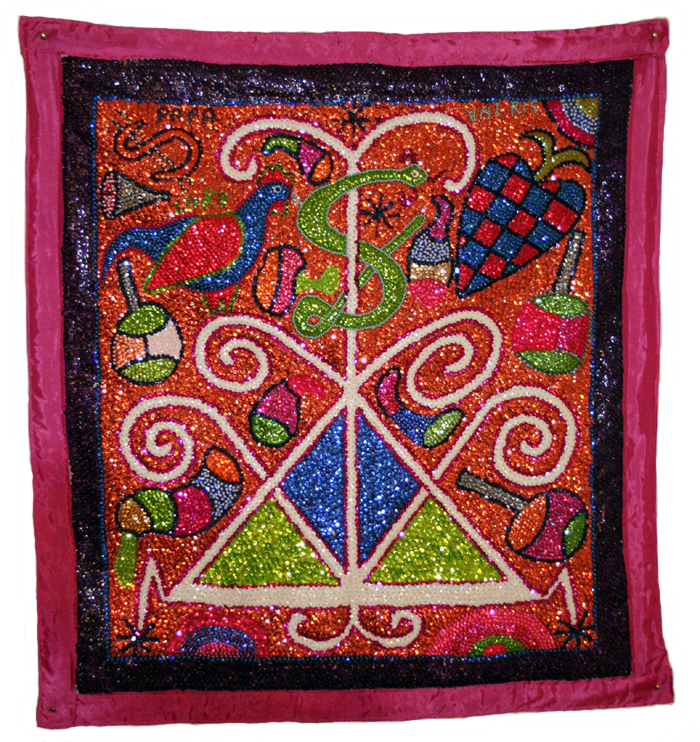 🇭🇹 Haiti and 2 moreHaitian VodouVodou
An Afro-Haitian religion blending West African traditions with Catholicism and FreemasonryTradition · Protection · Healing Living
🇭🇹 Haiti and 2 moreHaitian VodouVodou
An Afro-Haitian religion blending West African traditions with Catholicism and FreemasonryTradition · Protection · Healing Living