
Feldgeist
from German Feld, field, and Geist, spirit
German folk creatures tied to crops, weather and harvest rituals
Feldgeister are spirits of the field in German folklore. They appear as animals or humans and control wind and rain. Farmers leave offerings for them during harvest.
- Feldgeister are German field and wind spirits
- They steal children and cause illness
- Corn dolls trap the spirit at harvest
- Names change based on the crop type
- Offerings are left for agricultural protection
What it is
Feldgeister are mythical beings from German tradition. The term means field spirit. These entities often act as wind spirits that bring lightning and rain. They take many forms. Some look like animals. Others appear as humans. A few have mixed features. They live in the crops and fields. People believe they influence the growth of plants. They are central to agricultural stories. The last grain heads are seen as their home. Farmers leave fruit and grain as gifts. This practice honors the spirit of the land.
Where it comes from
These spirits come from old German folklore. No single origin point is recorded. Stories vary by region and crop type. Names change based on the plant involved. A rye spirit has a different name than an oat spirit. The concept links nature to supernatural power. Harvest time brings these stories to life. The end of the season marks their capture. Rituals surround this final moment. The corn doll represents the trapped spirit. Killing it ensures the cycle continues. These beliefs reflect farming life.
How it is done
Harvest rituals focus on the last stalks. Workers cut the final grain heads carefully. Sometimes they shape the stalks into a doll. This doll is carried to the village. It represents the captured field spirit. Offerings are left at the edge of the field. Salt or bread might be placed there. Farmers avoid disturbing the spirit too early. They wait until the very end. Contact with the spirit causes illness. Protection involves specific chants or actions. Throwing a marked knife can repel some beings.
Tools and materials
The corn doll is the main tool. It holds the spirit after harvest. Grain heads serve as its body. Fruit trees provide additional offerings. Knives with three crosses ward off evil. Birch whips represent lightning. Iron objects appear in some tales. Tar fills the bosoms of female demons. Lightning sparks fly from their hands. These items mark the boundary between human and spirit worlds.
Feldgeist, drawn and placed
- Living
- Revived
- Fading
- Historical
- Legendary
- Performed
- Lineage
- German folklore
- Timing
- during harvest season and specific festivals
What it is for
People seek protection from harm. Spirits cause illness upon contact. They steal children who wander near fields. Curses bring bad luck and spoiled crops. Farmers ask for good harvests. Offerings ensure fertility for the next year. Christmas rituals involve fertilizing trees. Springtime brings new growth through these beings. Weather control is also a key intent. Rain and wind follow their will.
Who does it
Farmers and householders perform these rites. No special training is required. Knowledge passes through local custom. Women spin distaffs until Twelfth Night. Maidservants must finish their work. Men lead the harvest cuts. Children are kept away from fields. Elders tell stories to warn the young. Specific names identify different roles. Kings and queens rule over lesser spirits.
Peoples and places
Germans hold these beliefs. Stories differ by crop type. Rye spirits have wolf forms. Oat spirits take goat shapes. Barley and wheat have their own names. Potato and pea fields have demons too. Regional variations exist across Germany. North Germanic links appear in some names. Bilwis connects to Norse goddesses. Anti-Semitic tropes color some male figures. Local dialects create unique titles. The core idea remains consistent.
At a glance: who, where and when
Who does it
Peoples
Belief worlds
What people believe
Nature holds hidden powers. Plants have souls or guardians. Weather comes from spiritual forces. Changelings replace stolen children. Spirits shapeshift into animals. Lightning is a weapon or sign. Bad luck follows certain cries. Imitating animal sounds invites punishment. The wild hunt includes some spirits. Devils ride certain goats. Death follows looking out windows at night. These rules govern interaction with the unseen world.
When it is done
Harvest season is the peak time. The last stalks trigger rituals. Christmas involves tree fertilization. Spring brings April oxen and March calves. Trinity Sunday marks sorcerer activities. Saint John's Eve sees barefoot cutters. Himmelfahrt involves early field walks. Twelfth Night ends spinning duties. Autumn cries predict long winters. Daily life aligns with these cycles.
Days linked to Feldgeist
Questions people ask about Feldgeist
What is a Feldgeist?
A Feldgeist is a field spirit from German folklore. It controls crops and weather. It appears as animals or humans. Farmers leave offerings to honor it.
Where do these spirits come from?
They originate in German folk tradition. Stories link them to specific crops. Rye, oats and wheat each have names. The belief reflects ancient farming life.
How are they caught?
Workers cut the last grain stalks. They shape them into a corn doll. This doll holds the trapped spirit. It is then carried to the village safely.
Are they dangerous?
Yes, they are feared. They steal children from fields. Direct contact causes illness. Their cries bring bad luck and spoil crops.
Good reading and sources
The facts on this page come from the Wikipedia article "Feldgeister", written by its contributors and used under the CC BY-SA 4.0 licence, and from its Wikidata record (CC0). EveryJaadu rewrote the text in its own words, with AI assistance, and compares every page with the article to make sure no passage is copied. It may be reused under the same CC BY-SA 4.0 licence with a link back.
It may contain mistakes. Names and customs differ from one community to the next, and some knowledge is closed to outsiders and left out here. This page describes belief and practice. It does not say that any of it works, it is not a how-to, and it is not medical advice. If something is wrong, tell us. Last refreshed 2026-10-06.
More from Germany
All the entries from Germany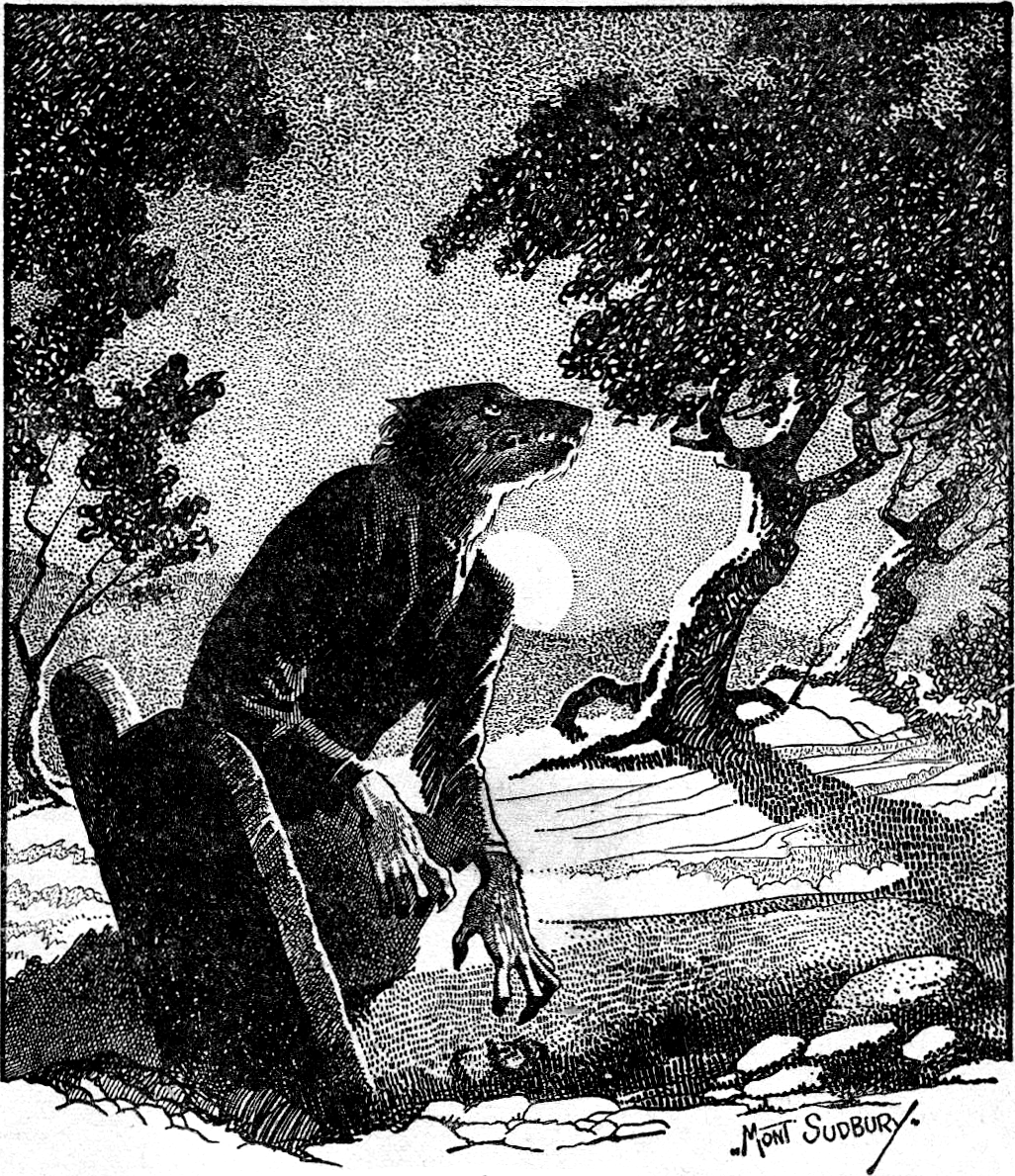 🇫🇷 France and 5 moreWerewolf
A mythical shapeshifter that turns into a wolf, central to European witch-hunts and Gothic horror.Being · Cursing and harm · Wonder and entertainment Legendary
🇩🇪 Germany and 1 moreNachzehrer
A German revenant believed to consume the living from beyond the graveBeing · Cursing and harm Legendary
🇫🇷 France and 5 moreWerewolf
A mythical shapeshifter that turns into a wolf, central to European witch-hunts and Gothic horror.Being · Cursing and harm · Wonder and entertainment Legendary
🇩🇪 Germany and 1 moreNachzehrer
A German revenant believed to consume the living from beyond the graveBeing · Cursing and harm Legendary
 🇩🇪 GermanyAlp
A Germanic spirit that presses on sleepers and drinks milkBeing · Cursing and harm · Luck and prosperity Historical
🇩🇪 GermanyAlp
A Germanic spirit that presses on sleepers and drinks milkBeing · Cursing and harm · Luck and prosperity Historical
 🇷🇺 Russia and 4 moreLady MiddayPoludnitsa
A Slavic noon spirit who watches over fields and punishes those who work during the hottest hours.Being · Cursing and harm · Protection Historical
🇷🇺 Russia and 4 moreLady MiddayPoludnitsa
A Slavic noon spirit who watches over fields and punishes those who work during the hottest hours.Being · Cursing and harm · Protection Historical
Related elsewhere
All being 🇮🇳 India and 1 moreNavagrahaनवग्रह
A group of nine celestial deities in Hinduism that govern fate and astrologyTradition · Protection · Luck and prosperity Living
🇧🇷 Brazil and 1 moreQuimbanda
An Afro-Brazilian religion focused on male and female street spirits for worldly mattersTradition · Protection · Luck and prosperity Living
🇮🇳 India and 1 moreNavagrahaनवग्रह
A group of nine celestial deities in Hinduism that govern fate and astrologyTradition · Protection · Luck and prosperity Living
🇧🇷 Brazil and 1 moreQuimbanda
An Afro-Brazilian religion focused on male and female street spirits for worldly mattersTradition · Protection · Luck and prosperity Living
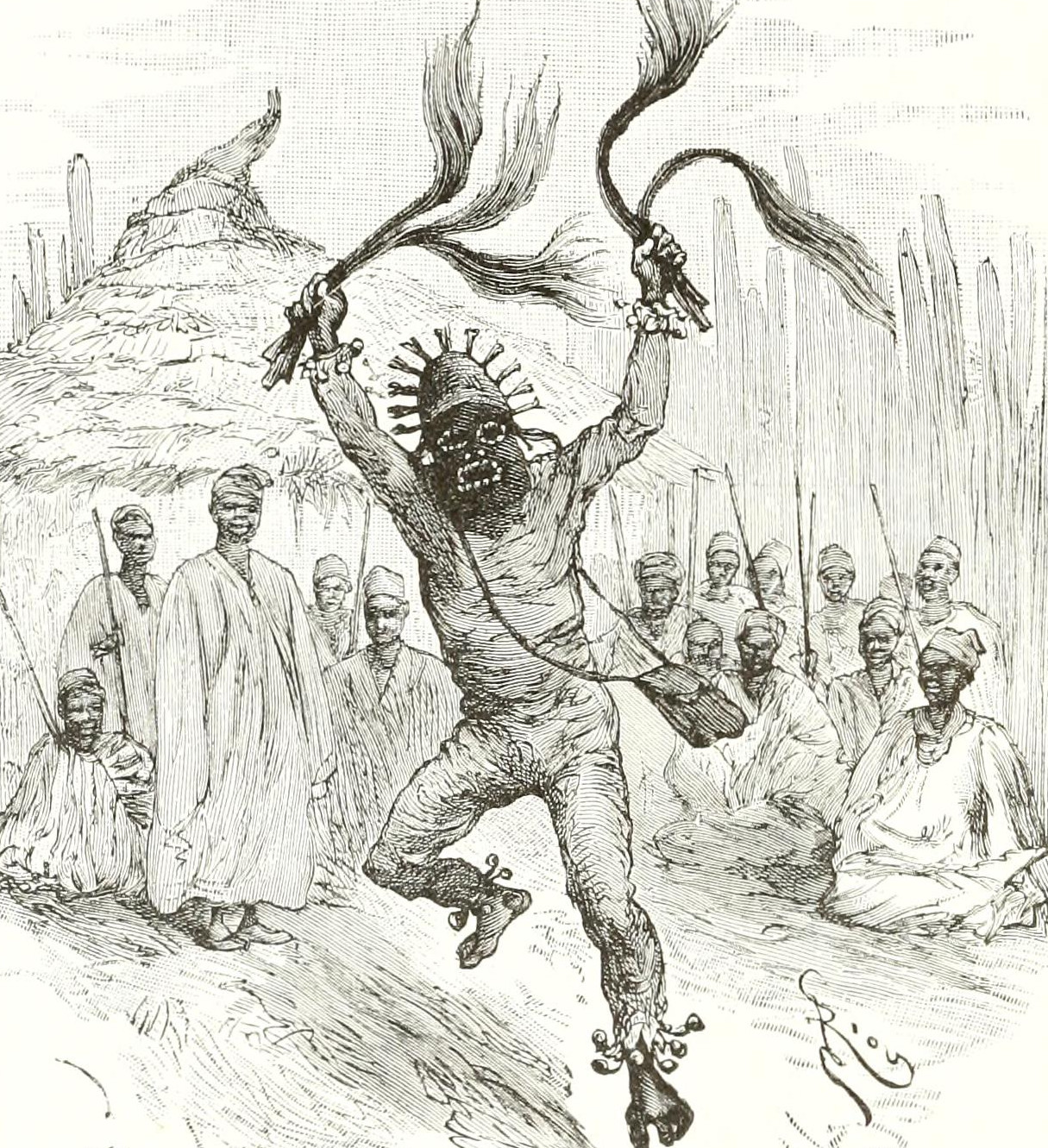 🇺🇸 United States and 2 moreLouisiana Voodoo
An African diasporic religion practiced in Louisiana from the 18th to early 20th centuriesTradition · Healing · Protection Historical
🇵🇪 Peru and 1 moreSupay
An Andean spirit of the underworld who balances life and death forcesBeing · Cursing and harm · Protection Historical
🇺🇸 United States and 2 moreLouisiana Voodoo
An African diasporic religion practiced in Louisiana from the 18th to early 20th centuriesTradition · Healing · Protection Historical
🇵🇪 Peru and 1 moreSupay
An Andean spirit of the underworld who balances life and death forcesBeing · Cursing and harm · Protection Historical