Mhande is a traditional music and dance form of the Shona people in Zimbabwe. It serves as a central element of the mutoro ceremony, an annual ritual performed by the Karanga community to invoke rain spirits for agricultural success.
- Mhande is a Shona song and dance performance from Zimbabwe.
- It is central to the Karanga community's annual mutoro rain ritual.
- Two drums, Shauro and Tsinhiro, create a call-and-response rhythm.
- Dancers wear leg rattles to accentuate footwork in time with the beat.
- The performance aims to invoke rain spirits for agricultural success.
What it is
Mhande represents a vital performance art within Shona culture, blending intricate music with expressive dance. It functions primarily as a component of the mutoro ceremony, which is an annual rain-making ritual practiced by the Karanga subgroup. The performance is not merely entertainment but a structured method for engaging with the spiritual world. Through specific rhythmic patterns and movements, participants create an atmosphere conducive to trance states. This environment allows ancestral spirits, known as dzavadzimu, to possess individuals. Such possession facilitates direct communication between the living and the divine, seeking guidance and intervention for community welfare.
Where it comes from
The practice originates from the indigenous traditions of the Shona people, specifically rooted in the cultural epistemology of the Karanga community. It has been passed down through generations as an embodied practice that conveys unique social values and historical experiences. The performance carries significant weight regarding the region's agricultural history, reflecting a deep reliance on seasonal rainfall. Its origins are tied to the need for collective prayer and spiritual alignment to ensure crop survival during distinct wet and dry seasons. Historical contexts, including periods of colonial struggle, have also influenced its narrative, with songs serving as expressions of resistance and gratitude.
Tools and materials
The sonic landscape of Mhande depends on specific instruments and vocal techniques. The Shauro and Tsinhiro drums are central, providing the foundational call-and-response structure. Leg rattles worn by dancers highlight the rhythmic precision of their steps. Makwa hand-clapping by the audience or fellow performers adds percussive depth. Marimbas may be included in larger ensembles to enrich the harmonic content. Songs are selected carefully, each associated with specific spirits and carrying unique origin stories. These musical elements work together to invoke majukwa rain spirits, who act as intermediaries to request rain from the Creator, Musiki or Mwari.
Mhande, drawn and placed
- Living
- Revived
- Fading
- Historical
- Legendary
- Performed
- Lineage
- Shona indigenous tradition
- Timing
- annual mutoro rain ritual
What it is for
The primary intent of Mhande is to facilitate communication with ancestral and rain spirits. During the mutoro ceremony, the performance seeks to convey the desires of the community to the divine, specifically requesting adequate rainfall for agriculture. It also serves to settle ancestral spirits during kurova guva ceremonies, strengthening the bond between descendants and their forebears. Beyond religious functions, the performance acts as a vehicle for transmitting indigenous spiritual wisdom, known as chikaranga. It allows the community to express gratitude, seek strength during conflicts, and celebrate cultural identity through shared artistic expression.
Who does it
Participation in Mhande is generally restricted to adults within the community. Knowledge transfer occurs informally, often flowing from parents to children within family units. This ensures the preservation of specific rhythmic patterns, dance codes, and song histories. Performers are expected to understand the cultural context and spiritual significance of their actions. The practice reflects the collective experiences and social structures of the Karanga people. While primarily a community activity, it requires skill in mastering the complex polyrhythms and stylized movements that define the performance.
Peoples and places
Mhande is deeply associated with the Shona people of Zimbabwe, particularly the Karanga subgroup. It is a defining feature of their cultural heritage, especially among midlands tribes in areas like the Shurugwi District. The practice embodies Karanga values and offers a platform for expressing their worldview. Different songs within the repertoire address various needs, from agricultural requests to historical remembrance. The performance serves as a unifying force, reinforcing social bonds and collective identity. It stands as a testament to the resilience and continuity of Shona traditions amidst changing historical landscapes.
At a glance: who, where and when
Who does it
Peoples
Belief worlds
What people believe
Within Shona indigenous belief systems, music and dance are believed to alter consciousness, facilitating vanonyaunyawa, or trance. This state allows ancestral spirits to possess participants, enabling them to speak through the spirits. The presence of majukwa rain spirits is invoked to intercede with Musiki or Mwari for rain. The performance is viewed as a practical illustration of the community's relationship with the spiritual realm. It acknowledges the power of ancestors to influence daily life and natural phenomena. The belief system holds that proper execution of the ritual maintains harmony between the human and spirit worlds.
When it is done
The most significant occasion for Mhande is the annual mutoro ceremony, held to pray for the coming rainy season. This timing is critical for agricultural communities dependent on predictable weather patterns. The ritual aligns with the natural cycle of wet and dry seasons, ensuring crops receive necessary water. Mhande is also performed during kurova guva ceremonies, which involve settling ancestral spirits. These events mark important transitions in the community's spiritual calendar, reinforcing the connection between seasonal changes and ancestral veneration.
How scholars and sceptics see it
Anthropologists view Mhande as an embodied practice that transmits cultural knowledge and historical memory. It is analyzed as a medium for understanding Karanga epistemology and social organization. Scholars note its role in preserving indigenous wisdom and resisting cultural erasure. The performance is studied for its complex rhythmic structures and their psychological effects, such as inducing trance. Researchers also examine how the art form adapts to modern contexts while maintaining its traditional core. The historical legacy of slavery and colonialism is seen as influencing the themes of liberation and resilience present in the songs.
Cautions and what is closed
The knowledge embedded in Mhande is often considered closed to outsiders, transferred only within the community. Respect for the sacred nature of the rituals is essential. Misappropriation or superficial engagement can be seen as disrespectful to the cultural heritage. The performance requires understanding of its spiritual significance, not just its aesthetic qualities. Participants must adhere to traditional protocols to maintain the integrity of the ritual. Outsiders are encouraged to observe with humility and recognize the boundaries of what is shared publicly.
Compare and confuse
Mhande is distinct from other Shona dance forms like the Mbende Jerusarema due to its specific rhythmic patterns and ceremonial focus. While both involve music and dance, Mhande is tightly linked to rain rituals and ancestral communication. It shares similarities with other African performance traditions that use rhythm to induce trance, but its specific tools and songs are unique to the Karanga people. The integration of marimbas and specific drum types sets it apart from neighboring ethnic groups' practices.
Law and persecution
There are no specific legal restrictions mentioned regarding Mhande in the provided sources. However, as part of indigenous cultural heritage, it is protected under broader frameworks for preserving traditional arts and customs in Zimbabwe. The practice is recognized as a vital component of national cultural identity. Efforts to document and sustain these traditions help ensure their survival against modernization pressures.
Questions people ask about Mhande
What is Mhande?
Mhande is a traditional Shona performance combining music and dance. It is practiced in Zimbabwe, primarily by the Karanga community, as part of their cultural and spiritual heritage.
Where does Mhande come from?
It originates from the indigenous traditions of the Shona people in Zimbabwe. It is specifically associated with the Karanga subgroup and their agricultural rituals in regions like the Matopo Hills.
What is the purpose of Mhande?
The main purpose is to communicate with ancestral and rain spirits during the mutoro ceremony. It seeks to invoke rain for crops and to settle ancestral spirits, strengthening community bonds.
How is Mhande performed?
It involves two drummers playing Shauro and Tsinhiro drums in a call-and-response pattern. Dancers wear rattles, and participants clap hands (makwa) to create complex polyrhythms that induce trance.
Good reading and sources
The facts on this page come from the Wikipedia article "Mhande", written by its contributors and used under the CC BY-SA 4.0 licence, and from its Wikidata record (CC0). EveryJaadu rewrote the text in its own words, with AI assistance, and compares every page with the article to make sure no passage is copied. It may be reused under the same CC BY-SA 4.0 licence with a link back.
It may contain mistakes. Names and customs differ from one community to the next, and some knowledge is closed to outsiders and left out here. This page describes belief and practice. It does not say that any of it works, it is not a how-to, and it is not medical advice. If something is wrong, tell us. Last refreshed 2026-10-06.
More from Zimbabwe
All the entries from Zimbabwe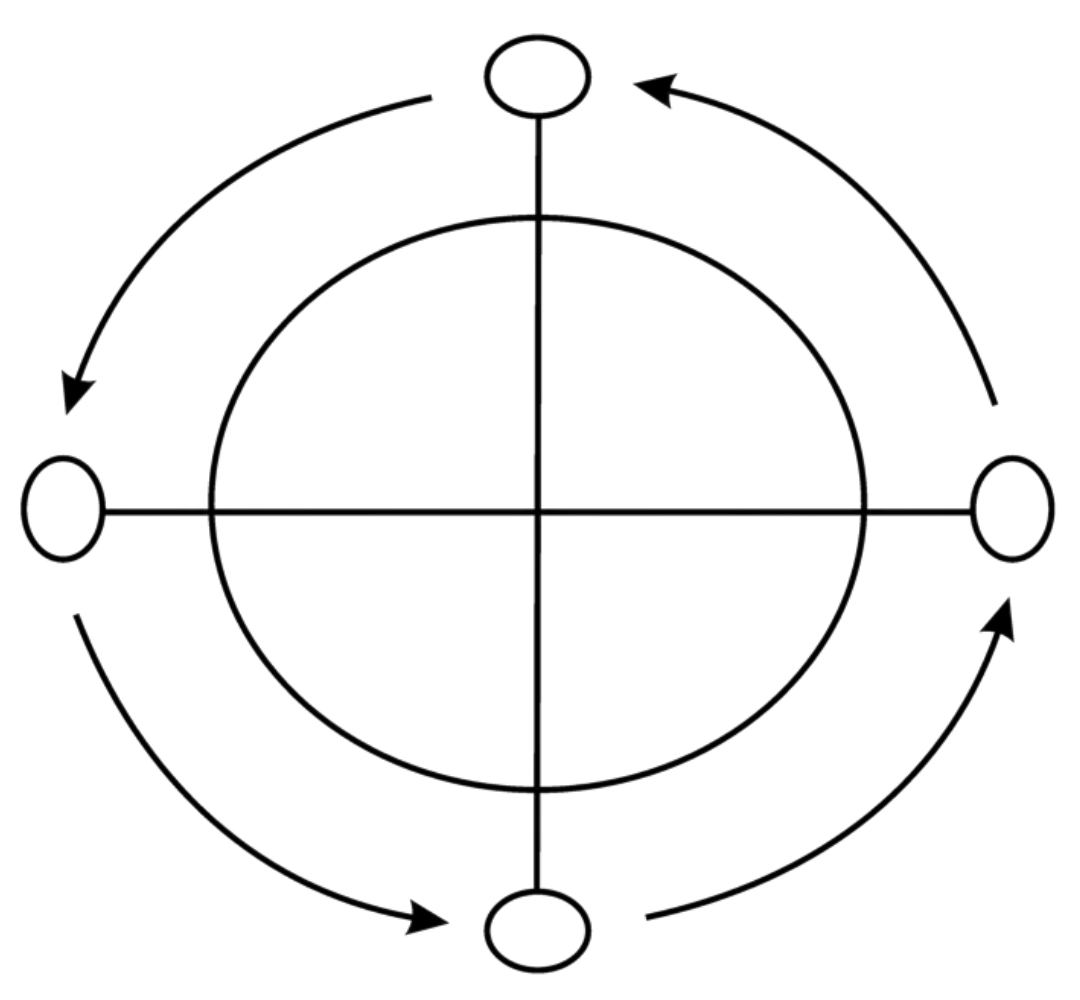 🇨🇩 Democratic Republic of the Congo and 4 moreNganga
A spiritual healer and ritual specialist in Kongo religion and its diaspora traditionsTradition · Healing · Seeing and foretelling Living
🇿🇦 South Africa and 1 moreRain Queen
A hereditary queen of the Balobedu people believed to control rainfall in South AfricaTradition · Protection · Power and authority Living
🇨🇩 Democratic Republic of the Congo and 4 moreNganga
A spiritual healer and ritual specialist in Kongo religion and its diaspora traditionsTradition · Healing · Seeing and foretelling Living
🇿🇦 South Africa and 1 moreRain Queen
A hereditary queen of the Balobedu people believed to control rainfall in South AfricaTradition · Protection · Power and authority Living
 🇿🇦 South Africa and 5 moreTraditional healers of Southern Africa
Practitioners who blend herbal medicine with ancestral divination in Southern AfricaTradition · Healing · Protection Living
🇿🇼 Zimbabwe and 2 moreMwari
The supreme creator deity of Shona and Venda traditional religionBeing · Protection · Healing Living
🇿🇦 South Africa and 5 moreTraditional healers of Southern Africa
Practitioners who blend herbal medicine with ancestral divination in Southern AfricaTradition · Healing · Protection Living
🇿🇼 Zimbabwe and 2 moreMwari
The supreme creator deity of Shona and Venda traditional religionBeing · Protection · Healing Living
Related elsewhere
All illusion 🇬🇧 United Kingdom and 1 moreWell dressing
A rural English custom of decorating water sources with natural designsTradition · Protection · Speaking with spirits and the dead Living
🇬🇧 United Kingdom and 1 moreWell dressing
A rural English custom of decorating water sources with natural designsTradition · Protection · Speaking with spirits and the dead Living
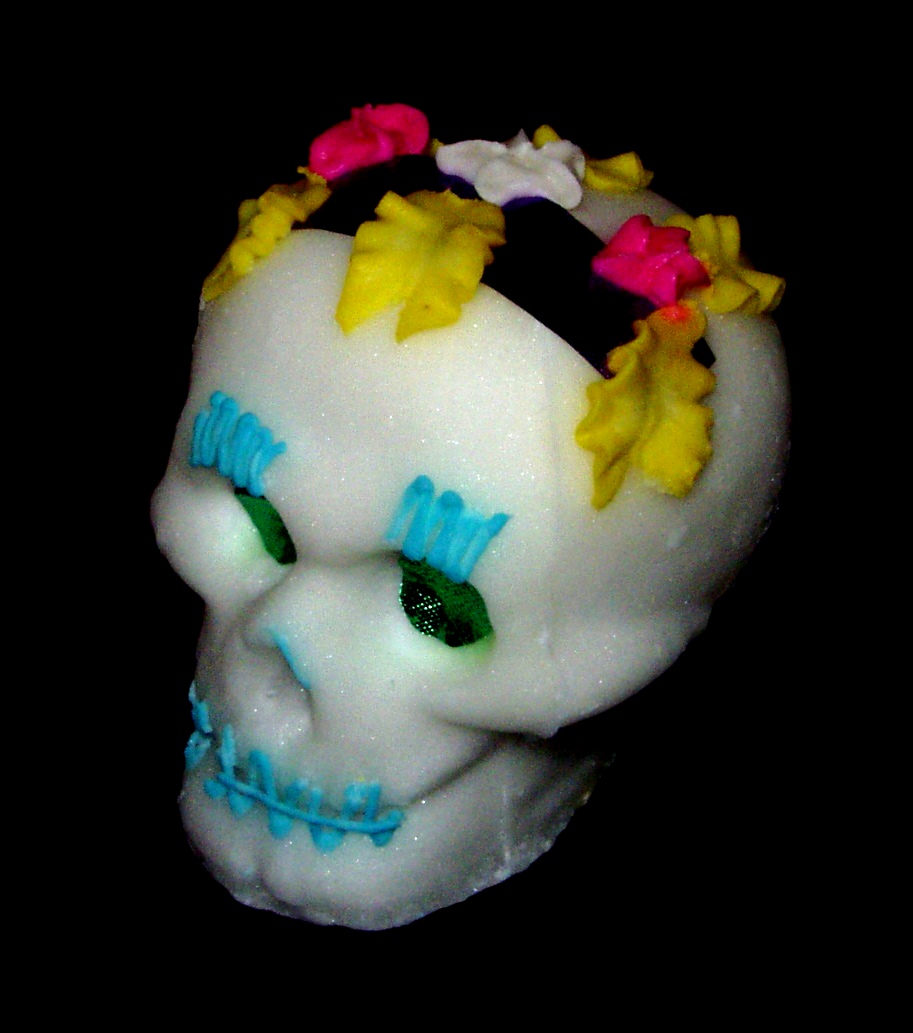 🇲🇽 MexicoCalavera
A sugar or clay skull used in Mexican Day of the Dead celebrations.Charm · Speaking with spirits and the dead · Luck and prosperity Living
🇲🇽 MexicoCalavera
A sugar or clay skull used in Mexican Day of the Dead celebrations.Charm · Speaking with spirits and the dead · Luck and prosperity Living
 🇬🇷 Greece and 5 moreCrossroads (folklore)
A junction between worlds where spirits are met and deals are madeBelief · Speaking with spirits and the dead · Cursing and harm Living
🇬🇷 Greece and 5 moreCrossroads (folklore)
A junction between worlds where spirits are met and deals are madeBelief · Speaking with spirits and the dead · Cursing and harm Living