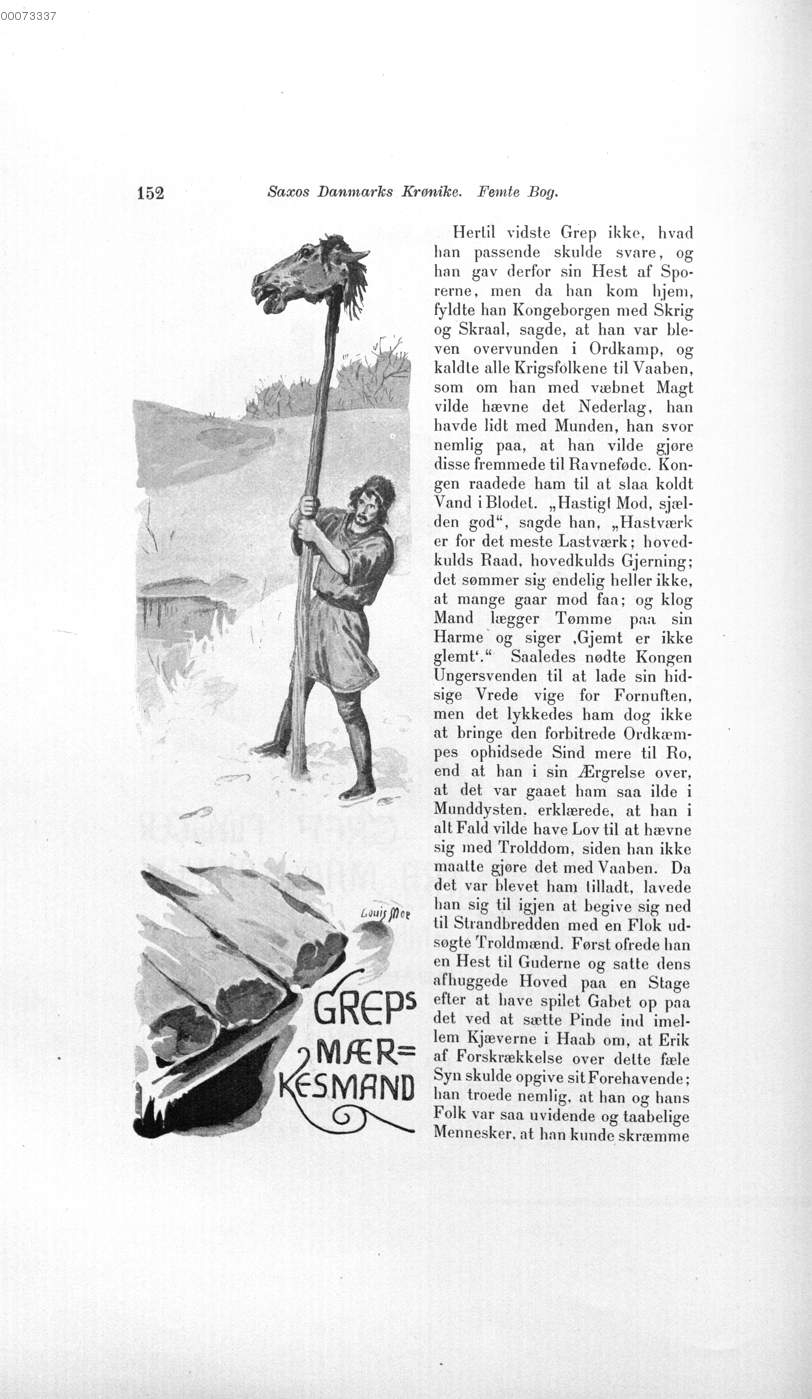
Nithing pole
In its own language: níðstǫng
from Old Norse níðstǫng, meaning a pole of disgrace
A curse pole from Norse tradition used to shame or harm an enemy
The nithing pole is a ritual object from Germanic pagan tradition. It consists of a wooden pole topped with an animal head and carved runes. The practice is believed to direct a curse against a specific target.
- Consists of a pole with a horse head and carved runes
- Used to curse enemies in Germanic pagan tradition
- Recorded in Icelandic sagas like Egils saga
- Modern examples reported in Iceland and Norway
- Police have treated modern instances as death threats
What it is
A nithing pole is a ceremonial object used in Germanic pagan tradition to place a curse on an enemy. The term comes from the Old Norse word for disgrace or infamy. Practitioners believe that raising this pole directs negative spiritual force toward a specific person or group. The act serves as a public declaration of hostility and a request for supernatural intervention against the target.
Where it comes from
The practice originates in Norse mythology and early Germanic paganism. Historical sagas record its use in Iceland during the Viking Age. One account describes a figure raising a pole to curse a king and queen. Another saga details a man using a human head and a dead mare to punish a coward who refused a duel. These stories establish the pole as a tool for enforcing honor and delivering justice through magical means.
How it is done
The ritual involves preparing a long wooden pole. A recently killed animal head, typically a horse, is attached to the top. The pole is then oriented toward the home or territory of the enemy. Runes expressing the curse are carved into the wood. In some variations, the skin of the animal is draped over the pole. The practitioner plants the pole in the ground or a rock crevice while speaking the curse aloud.
Tools and materials
The primary tool is a hazel or wooden pole. An animal head provides the focal point of the curse. Horses are the most common sacrifice, though calves and sheep appear in modern times. Dried cod heads have also been used in recent protests. Magic runes are carved into the wood to encode the intent of the spell. Sometimes the animal's skin is used to cover the structure.
Nithing pole, drawn and placed
- Living
- Revived
- Fading
- Historical
- Legendary
- Performed
- Lineage
- Norse mythology
- Timing
- during disputes or duels
What it is for
The pole is raised to bring harm, death, or outlawry upon an enemy. It is used to punish cowardice, such as refusing a duel. It can also be used in political protests to express anger at government policies. The belief is that the curse will drive the target out of their land or cause them physical suffering until they comply with the demand.
Who does it
Any individual can raise a nithing pole. Historical figures like Egil Skallagrímsson performed the rite. Modern practitioners include farmers, politicians, and protesters. There is no formal training required. The act is often personal, driven by a specific grievance such as a property dispute or a perceived insult.
Peoples and places
The tradition is strongest in Iceland, where it is said to have continued unbroken since settlement. Examples appear in Icelandic sagas and modern news reports. Norway also has recorded instances of the practice being used in political contexts. The custom is rooted in the cultural values of honor and retribution found in Germanic societies.
At a glance: who, where and when
Who does it
Peoples
Belief worlds
Occasions
What people believe
Practitioners hold that the pole channels spiritual power to enforce a curse. The runes serve as a written spell that binds the intention. The belief system assumes that guardian spirits or divine forces will carry out the punishment. The curse is seen as a legitimate form of justice when legal systems fail.
When it is done
The pole is raised during moments of crisis or conflict. It appears after a broken promise or a refusal to fight. Modern uses coincide with political events, elections, or pandemics. There is no fixed seasonal calendar for the ritual. The timing depends entirely on the urgency of the grievance.
How scholars and sceptics see it
Scholars view the nithing pole as a historical artifact of Norse social control. Anthropologists note that it functioned as a threat of social exclusion. Historians analyze saga accounts to understand how honor was maintained. Sceptics regard the curses as ineffective but culturally significant expressions of anger.
Cautions and what is closed
Raising a nithing pole can be interpreted as a criminal threat. Police in Iceland have investigated modern cases as death threats. The act may escalate conflicts rather than resolve them. Using animal parts can raise ethical concerns regarding animal welfare. The practice remains controversial in contemporary society.
Compare and confuse
The nithing pole is similar to other curse poles found in European folklore. It differs from simple charms by its public and aggressive nature. It is related to the concept of nīþ, which denotes shame. Other Germanic traditions used different objects for cursing, but the horse head is distinctive to this practice.
Questions people ask about Nithing pole
What is a nithing pole?
It is a wooden pole topped with an animal head and carved with runes. It is used in Norse tradition to place a curse on an enemy. The practice aims to bring harm or shame upon the target.
Where does the nithing pole come from?
It originates in Germanic pagan tradition and Norse mythology. Historical records from Iceland describe its use during the Viking Age. The name comes from the Old Norse word for disgrace.
How is the pole made and used?
A wooden pole is prepared with a horse head attached. Runes are carved into the wood to express the curse. The pole is pointed at the enemy's home while the practitioner speaks the spell aloud.
Is the nithing pole still used today?
Yes, there are modern examples in Iceland and Norway. People have raised them during political protests or personal disputes. Authorities sometimes view these acts as serious threats.
Good reading and sources
The facts on this page come from the Wikipedia article "Nithing pole", written by its contributors and used under the CC BY-SA 4.0 licence, and from its Wikidata record (CC0). EveryJaadu rewrote the text in its own words, with AI assistance, and compares every page with the article to make sure no passage is copied. It may be reused under the same CC BY-SA 4.0 licence with a link back.
It may contain mistakes. Names and customs differ from one community to the next, and some knowledge is closed to outsiders and left out here. This page describes belief and practice. It does not say that any of it works, it is not a how-to, and it is not medical advice. If something is wrong, tell us. Last refreshed 2026-10-12.
More from Iceland
All the entries from Iceland 🇫🇷 France and 5 moreYule log
A large wooden log burned in the hearth during winter festivals across Europe and North America.Tradition · Protection · Luck and prosperity Living
🇫🇷 France and 5 moreYule log
A large wooden log burned in the hearth during winter festivals across Europe and North America.Tradition · Protection · Luck and prosperity Living
 🇸🇪 Sweden and 3 moreSilver bullet
A folk weapon for monsters and a metaphor for simple solutionsCharm · Cursing and harm Historical
🇸🇪 Sweden and 3 moreSilver bullet
A folk weapon for monsters and a metaphor for simple solutionsCharm · Cursing and harm Historical
 🇮🇸 Iceland and 1 moreHidden-folkhuldufólk
Supernatural beings in Nordic folklore who live in a parallel world within the landscape.Being · Protection · Luck and prosperity Living
🇮🇸 Iceland and 1 moreHidden-folkhuldufólk
Supernatural beings in Nordic folklore who live in a parallel world within the landscape.Being · Protection · Luck and prosperity Living
 🇮🇸 Iceland and 2 moreSeiðr
A Norse magic of fate and spirit, practiced by seers and sorcerers in the Viking Age.Tradition · Seeing and foretelling · Cursing and harm Revived
🇮🇸 Iceland and 2 moreSeiðr
A Norse magic of fate and spirit, practiced by seers and sorcerers in the Viking Age.Tradition · Seeing and foretelling · Cursing and harm Revived
Related elsewhere
All rite 🇪🇬 Egypt and 1 moreLilithלִילִית
A feminine figure from Mesopotamian and Jewish mythology, often depicted as a night demon or spirit.Being · Cursing and harm Legendary
🇪🇬 Egypt and 1 moreLilithלִילִית
A feminine figure from Mesopotamian and Jewish mythology, often depicted as a night demon or spirit.Being · Cursing and harm Legendary
 🇪🇬 EgyptCurse
A spoken wish for misfortune to befall a person or placeBelief · Cursing and harm · Luck and prosperity Historical
🇪🇬 EgyptCurse
A spoken wish for misfortune to befall a person or placeBelief · Cursing and harm · Luck and prosperity Historical
 🇹🇷 Turkey and 5 moreEvil eye
A curse caused by an envious look and the charms used to block itBelief · Protection · Cursing and harm Living
🇹🇷 Turkey and 5 moreEvil eye
A curse caused by an envious look and the charms used to block itBelief · Protection · Cursing and harm Living
 🇮🇶 Iraq and 1 moreRabisu
A wind spirit in Akkadian myth sent to correct human transgressionsBeing · Cursing and harm · Cleansing and purification Historical
🇮🇶 Iraq and 1 moreRabisu
A wind spirit in Akkadian myth sent to correct human transgressionsBeing · Cursing and harm · Cleansing and purification Historical