Elder Mother
from the elder tree and the concept of a maternal guardian
A guardian spirit of elder trees in English and Scandinavian folklore
The Elder Mother is a protective entity tied to elder trees in English and Scandinavian traditions. She demands respect from those who harvest wood, and stories warn that ignoring her leads to misfortune or physical harm.
- She is called Hyldemoer in Danish folklore.
- Asking permission was required before cutting elder wood.
- Disrespect could cause a child to become ill.
- Elder crosses protected farms from evil spirits.
- Standing under an elder on Midsummer's Eve revealed elves.
What it is
The Elder Mother is a spirit believed to inhabit elder trees across England and Scandinavia. She acts as a guardian of the plant, demanding courtesy from anyone who wishes to take its wood. In Danish tradition, she is known as Hyldemoer or Hyldequinde and is described as a wood-nymph-like figure. Stories suggest she can cause illness or bad luck if her permission is not sought before cutting branches.
Where it comes from
The figure appears in both English and Scandinavian folklore. In Denmark, she is linked to the idea of a dryad or nymph residing within the tree. English tales often cast her as a witch or an old woman who protects the elder bush. Some narratives connect her to legendary figures like Mother Shipton or explain the origins of stone circles like the Rollright Stones through her magic.
How it is done
Harvesters were expected to ask the Elder Mother for permission before taking wood. A traditional request involved promising to give some of one’s own wood back when the person grew into a tree. Refusing this courtesy was believed to result in immediate consequences, such as the tree bleeding or the harvester being chased by the spirit.
Tools and materials
Elder wood itself is central to the belief. It was used to make crosses placed on barns to protect livestock. In Denmark, an elder twig placed in the mouth was thought to cure toothache by driving out evil spirits. Ash wood was also mentioned in stories as a counter-measure against the Elder Mother's influence.
Elder Mother, drawn and placed
- Living
- Revived
- Fading
- Historical
- Legendary
- Performed
- Lineage
- English and Scandinavian folklore
- Timing
- when harvesting wood or during specific festivals
What it is for
The primary purpose of respecting the Elder Mother is to avoid harm. Ignoring her could lead to a child becoming ill or a woodsman facing bad luck. Conversely, using elder wood properly could offer protection. Farmers hung elder crosses on sheds to ward off evil, and carrying twigs was believed to prevent rheumatism.
Who does it
Ordinary people, particularly farmers and woodspeople, interacted with the Elder Mother. They were the ones who harvested wood or cared for livestock. The belief required them to perform specific rituals, like asking permission or placing protective charms, to maintain harmony with the spirit world.
Peoples and places
The belief is strongest in England and Denmark. In England, tales vary by region, with Lincolnshire naming her Old Lady or Old Girl. Somerset stories depict her as a witch milking cows, while Northamptonshire tales describe her bleeding when cut. Slavic regions, including Russia, also view the elder tree as a protector against evil.
At a glance: who, where and when
Who does it
Belief worlds
What people believe
The worldview behind these stories sees nature as inhabited by conscious spirits. The elder tree is not just a plant but a home to a powerful entity. This reflects a broader folk belief that certain trees hold sacred power and require ritual respect. Disrespecting the tree is seen as offending the spirit living within it.
When it is done
Specific times are associated with seeing or interacting with these spirits. In Denmark, standing under an elder on Midsummer's Eve was said to reveal the Elf-king. A similar Scottish tradition occurred on All Hallows or Samhain. Harvesting wood generally required asking permission at any time.
How scholars and sceptics see it
Scholars view these beliefs as part of animistic folklore where natural objects are personified. The Elder Mother represents the human need to negotiate with nature for resources. These stories often serve as moral tales about respecting the environment and acknowledging unseen forces.
Cautions and what is closed
Stories warn that disrespecting the Elder Mother leads to physical harm. A child might be pinched black in the face, or a woodsman might be chased by the spirit. In one tale, a farmer shooting at the witch with a silver bullet fails, leading to his retreat. These narratives emphasize the danger of ignoring traditional customs.
Compare and confuse
The Elder Mother is similar to other tree spirits like dryads or wood-nymphs found in various European myths. She shares traits with witches in English folklore who live in trees or forests. The concept of asking permission before harvesting is common in many woodland superstitions.
Days linked to Elder Mother
Questions people ask about Elder Mother
Who is the Elder Mother?
She is a guardian spirit of elder trees in English and Scandinavian folklore, known as Hyldemoer in Denmark. She demands respect from those who harvest wood.
What happens if you cut elder wood without asking?
It is believed to bring bad luck or physical harm. Stories tell of children falling ill or woodsmen being chased by the spirit if they do not ask permission first.
How do you ask the Elder Mother for permission?
One must recite a request, promising to give some of their own wood back when they grow into a tree. This ritual acknowledges her ownership of the plant.
Is the Elder Mother considered a witch?
In some English tales, she is depicted as a witch living in the tree. However, she is primarily seen as a guardian spirit rather than a malevolent sorcerer.
Good reading and sources
The facts on this page come from the Wikipedia article "Elder Mother", written by its contributors and used under the CC BY-SA 4.0 licence, and from its Wikidata record (CC0). EveryJaadu rewrote the text in its own words, with AI assistance, and compares every page with the article to make sure no passage is copied. It may be reused under the same CC BY-SA 4.0 licence with a link back.
It may contain mistakes. Names and customs differ from one community to the next, and some knowledge is closed to outsiders and left out here. This page describes belief and practice. It does not say that any of it works, it is not a how-to, and it is not medical advice. If something is wrong, tell us. Last refreshed 2026-10-06.
More from the United Kingdom
All the entries from the United Kingdom 🇬🇧 United KingdomCeridwenCerridwen
A Welsh enchantress and modern goddess of poetic inspiration and transformation.Being · Change and initiation Revived
🇬🇧 United KingdomCeridwenCerridwen
A Welsh enchantress and modern goddess of poetic inspiration and transformation.Being · Change and initiation Revived
 🇬🇧 United Kingdom and 1 moreEach-uisge
A fierce water spirit of the Scottish Highlands and Irish shores that takes the form of a horse.Being · Cursing and harm Legendary
🇬🇧 United Kingdom and 1 moreEach-uisge
A fierce water spirit of the Scottish Highlands and Irish shores that takes the form of a horse.Being · Cursing and harm Legendary
Related elsewhere
All being 🇮🇷 Iran and 1 moreJinnجِنّ
Supernatural beings in Islamic and pre-Islamic Arabian belief, created from smokeless fire.Being · Protection · Cursing and harm Living
🇮🇷 Iran and 1 moreJinnجِنّ
Supernatural beings in Islamic and pre-Islamic Arabian belief, created from smokeless fire.Being · Protection · Cursing and harm Living
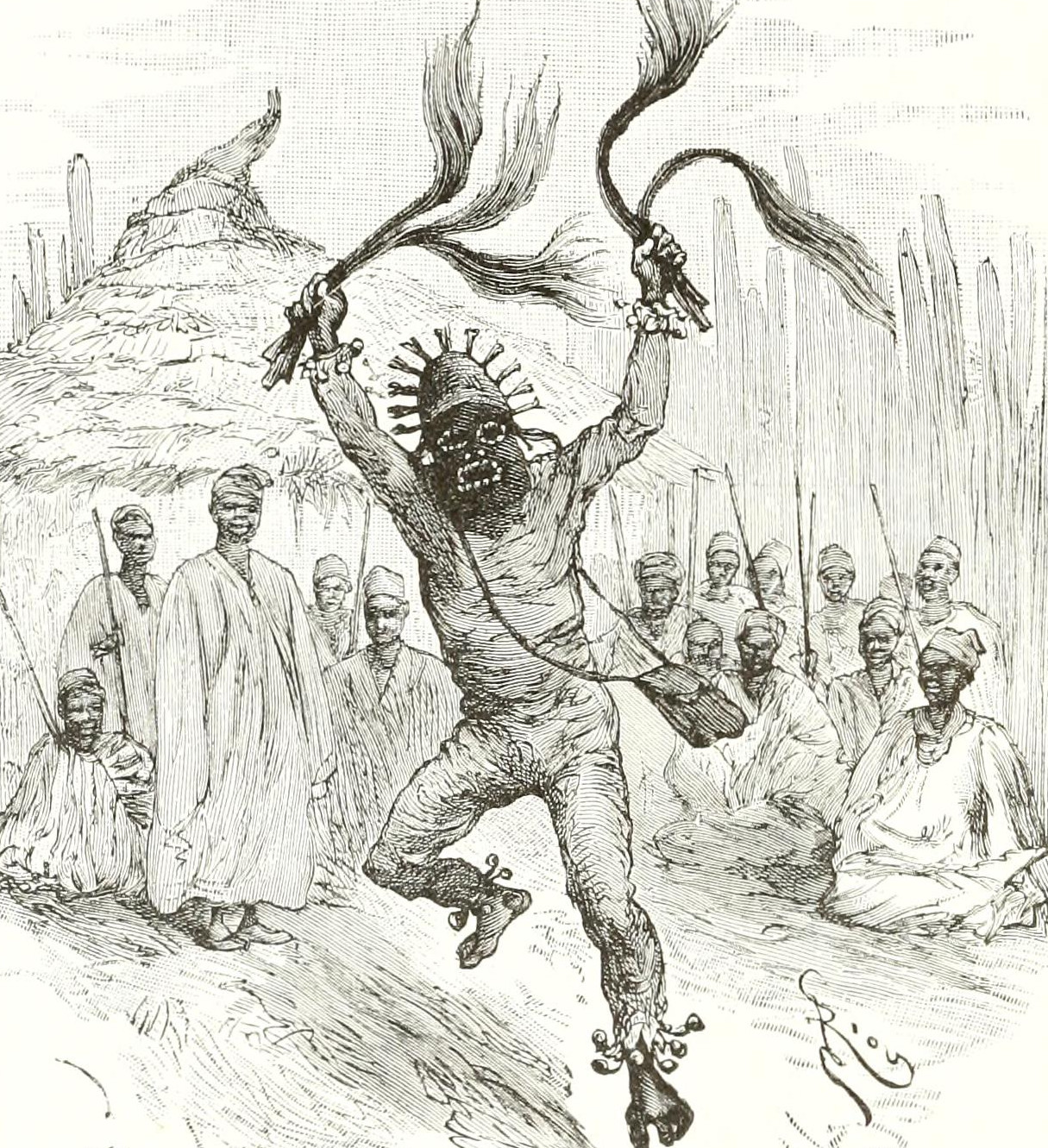 🇺🇸 United States and 2 moreLouisiana Voodoo
An African diasporic religion practiced in Louisiana from the 18th to early 20th centuriesTradition · Healing · Protection Historical
🇺🇸 United States and 2 moreLouisiana Voodoo
An African diasporic religion practiced in Louisiana from the 18th to early 20th centuriesTradition · Healing · Protection Historical
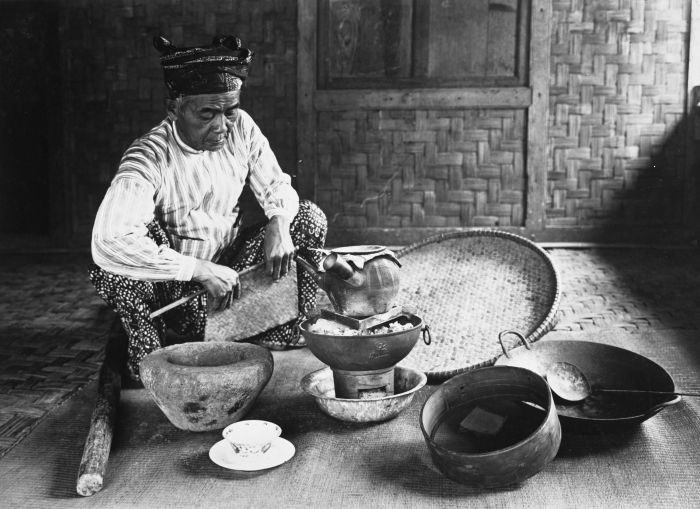 🇮🇩 Indonesia and 2 moreDukun
A traditional healer and spirit medium in Indonesian folk practiceTradition · Healing · Seeing and foretelling Living
🇮🇩 Indonesia and 2 moreDukun
A traditional healer and spirit medium in Indonesian folk practiceTradition · Healing · Seeing and foretelling Living
 🇨🇬 Republic of the CongoNkisi
Spirit containers and power figures from the Congo Basin used for justice and healingCharm · Protection · Healing Living
🇨🇬 Republic of the CongoNkisi
Spirit containers and power figures from the Congo Basin used for justice and healingCharm · Protection · Healing Living