Tarakeshwara
In its own language: तारकेश्वर (Tārakeśvara)
from Sanskrit Tārakeśvara, relating to Taraka, the ferryboat mantra
A form of Shiva who guides souls to liberation through sacred mantras
Tarakeshwara is a manifestation of the Hindu deity Shiva acting as a psychopomp. This role involves ferrying the soul toward moksha, or freedom from the cycle of rebirth. The name links directly to specific mantras believed to assist this spiritual crossing.
- Tarakeshwara is a form of Shiva acting as a soul ferryman
- He guides the dead toward moksha, or liberation from rebirth
- The name relates to the Taraka, a mantra of crossing
- Mantras are recited at temples in Benares, Hangal, and West Bengal
- One prayer was taught by Shiva to Parvati according to tradition
What it is
Tarakeshwara represents a specific aspect of Shiva within Hindu tradition. He serves as a psychopomp, which means he acts as a guide or ferryman for the dead. His primary function is to help the soul achieve moksha. Moksha is the state of liberation from the endless cycle of birth and death. This form of the god is closely tied to the concept of Taraka. Taraka refers to a 'ferryboat mantra' or a 'mantra of the crossing.' These prayers are believed to provide the spiritual vessel needed for the journey beyond life. Devotees view this guidance as essential for final freedom.
Where it comes from
The identity of Tarakeshwara emerges from Shaivite theology and Upanishadic texts. One version of the guiding prayer, Om Sri Rama Jaya Rama Jaya Jaya Rama, is said to have been taught by Shiva to his wife Parvati. Another form, Rām-Rāmāya Namaḥ, appears in the Ramottaratapaniya Upanishad. In that text, the sage Yajnavalkya teaches this mantra to Bharadvaja. These origins root the practice in ancient scriptural authority. The temples dedicated to him, such as those in Benares and Hangal, serve as physical anchors for these beliefs about post-death guidance.
How it is done
The practice involves reciting specific mantras near the dying or deceased. At Manikarnika Ghat in Benares, it is believed that Shiva himself recites these prayers to the departing soul. The mantras act as a spiritual bridge. One common formula invokes victory to God with his shakti. Another uses the name Rama repeatedly. The recitation is not a complex ritual but a focused vocal effort. It relies on the power of sound to direct the spirit. The presence at sacred ghats enhances the perceived efficacy of these utterances.
Tools and materials
The main tool is the mantra itself. These are sacred sounds rather than physical objects. The prayers include Om Sri Rama Jaya Rama Jaya Jaya Rama and Rām-Rāmāya Namaḥ. They function as the ferryboat mentioned in the name Taraka. No special instruments or amulets are required. The voice of the practitioner or the divine presence at the temple site provides the necessary energy. The words carry the weight of the tradition.
Tarakeshwara, drawn and placed
- Living
- Revived
- Fading
- Historical
- Legendary
- Performed
- Lineage
- Shaivism
- Timing
- at death and for the dying
What it is for
The purpose is to ensure the soul reaches moksha. Families and devotees seek this liberation for the deceased. They believe the mantras prevent the soul from wandering or remaining trapped in rebirth. The guidance offered by Tarakeshwara is seen as a mercy. It offers a clear path out of samsara. The intent is protective and transformative, securing a favorable outcome for the spirit after physical death.
Who does it
Any household member can recite the mantras. There is no requirement for priestly ordination to perform this act. The belief holds that the divine presence at sites like Benares makes the recitation particularly powerful. Shiva is thought to participate directly in the process there. Laypeople rely on the potency of the words rather than their own spiritual status. The practice is accessible to all believers.
Peoples and places
This belief is central to Hindu communities in India. Temples in West Bengal, Karnataka, and Uttar Pradesh honor this form. The focus remains on the Shaivite interpretation of Shiva's role. Different regions may emphasize specific mantras. The core idea of the ferryman remains consistent across these locations. It reflects a widespread Hindu concern with the afterlife.
At a glance: who, where and when
Who does it
Peoples
Belief worlds
What people believe
Hindus believe that death requires guidance. The soul cannot navigate the transition alone. Tarakeshwara provides that navigation. The mantras are not just words; they are active forces. They create a pathway to freedom. The belief system posits that hearing these sounds at the moment of death triggers liberation. This view integrates Shiva's compassionate nature with the cosmic order of karma and rebirth.
When it is done
The practice occurs during times of crisis, specifically at death. It is not tied to seasonal festivals. The timing is immediate and personal. It happens when a family member is dying or has just passed away. The urgency of the moment dictates the recitation. There is no fixed calendar date for this event.
How scholars and sceptics see it
Anthropologists study how these beliefs shape attitudes toward death in India. Historians trace the mantras back to Upanishadic periods. Scholars note the connection between place, such as Benares, and spiritual efficacy. Researchers examine how the idea of a ferryman evolves in religious texts. Sceptics may view the mantras as psychological comfort for the bereaved. Academic work focuses on the textual and social functions of these practices.
Cautions and what is closed
There are no known harms associated with reciting these mantras. The practice is considered safe and beneficial. Some might worry about the correct pronunciation of the Sanskrit terms. However, the intent is generally valued over technical precision. No legal restrictions exist on this form of worship.
Compare and confuse
Tarakeshwara is similar to other psychopomp figures in world religions. In Greek myth, Hermes guides souls. In Egyptian belief, Anubis performs this role. The Hindu version is distinct because it uses sound and mantra rather than physical escort. The concept of moksha differs from heaven or reincarnation. It is a unique goal in Indian spirituality.
Questions people ask about Tarakeshwara
What does Tarakeshwara do?
Tarakeshwara is a form of Shiva who acts as a psychopomp. He guides the soul of the dying toward moksha, which is freedom from the cycle of rebirth. This role is fulfilled through the recitation of specific mantras.
Where does the name come from?
The name comes from the Sanskrit word Tārakeśvara. It is linked to Taraka, which means a ferryboat mantra. This mantra is believed to be the vehicle that carries the spirit across to liberation.
Which mantras are used?
Common mantras include Om Sri Rama Jaya Rama Jaya Jaya Rama and Rām-Rāmāya Namaḥ. These are said to be taught by Shiva or ancient sages to help the dying find their way.
Is this only for priests?
No, any household member can recite these prayers. The belief is that the divine presence at sacred sites like Benares amplifies the power of the words, making them effective for anyone.
Good reading and sources
The facts on this page come from the Wikipedia article "Tarakeshwara", written by its contributors and used under the CC BY-SA 4.0 licence, and from its Wikidata record (CC0). EveryJaadu rewrote the text in its own words, with AI assistance, and compares every page with the article to make sure no passage is copied. It may be reused under the same CC BY-SA 4.0 licence with a link back.
It may contain mistakes. Names and customs differ from one community to the next, and some knowledge is closed to outsiders and left out here. This page describes belief and practice. It does not say that any of it works, it is not a how-to, and it is not medical advice. If something is wrong, tell us. Last refreshed 2026-10-07.
More from India
All the entries from India 🇮🇳 India and 2 moreGorakhnathगोरक्षनाथ
A Hindu yogi and saint who founded the Nath monastic order in India.Figure · Power and authority · Speaking with spirits and the dead Living
🇮🇳 India and 2 moreGorakhnathगोरक्षनाथ
A Hindu yogi and saint who founded the Nath monastic order in India.Figure · Power and authority · Speaking with spirits and the dead Living
 🇳🇵 Nepal and 1 moreMatsyendranathMacchindranāth, Mīnanātha
A yogi and rain deity revered across Hindu and Buddhist traditions in South Asia.Figure · Speaking with spirits and the dead · Power and authority Living
🇳🇵 Nepal and 1 moreMatsyendranathMacchindranāth, Mīnanātha
A yogi and rain deity revered across Hindu and Buddhist traditions in South Asia.Figure · Speaking with spirits and the dead · Power and authority Living
 🇮🇳 India and 1 moreYoginiयोगिनी
A female master of yoga and tantra, or a fierce goddess aspect in Indian temples.Tradition · Power and authority · Protection Historical
🇮🇳 India and 1 moreYoginiयोगिनी
A female master of yoga and tantra, or a fierce goddess aspect in Indian temples.Tradition · Power and authority · Protection Historical
 🇮🇳 IndiaNaropa
An Indian Buddhist master whose teachings shaped Tibetan Vajrayana practiceFigure · Change and initiation Historical
🇮🇳 IndiaNaropa
An Indian Buddhist master whose teachings shaped Tibetan Vajrayana practiceFigure · Change and initiation Historical
Related elsewhere
All figure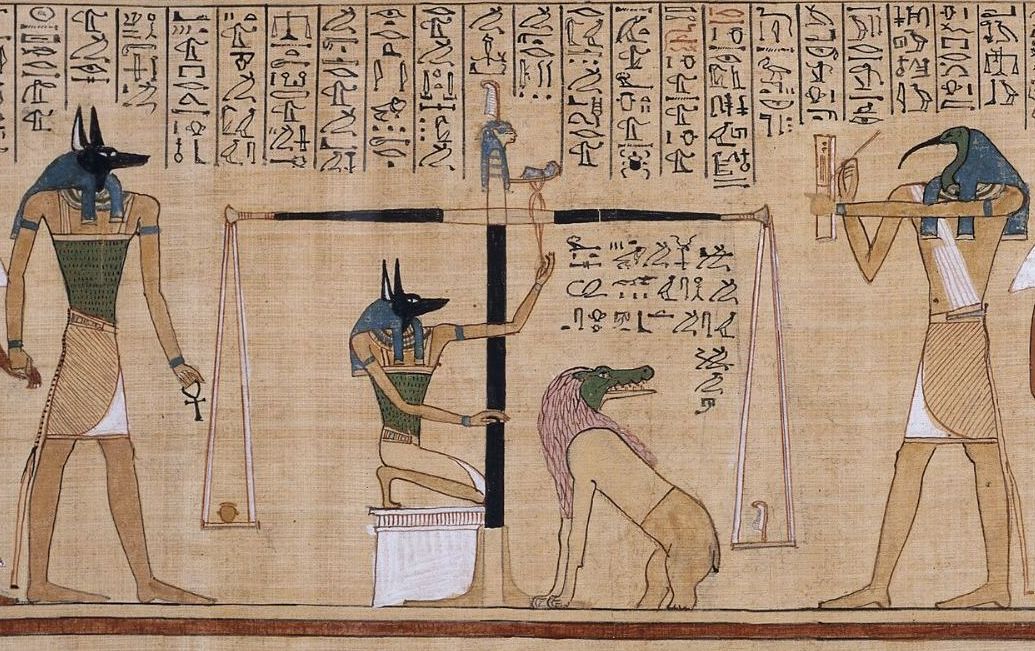 🇪🇬 EgyptAncient Egyptian afterlife beliefs
A system of rituals and texts guiding the soul through the underworld to eternal rebirthTradition · Protection · Speaking with spirits and the dead Historical
🇪🇬 EgyptAncient Egyptian afterlife beliefs
A system of rituals and texts guiding the soul through the underworld to eternal rebirthTradition · Protection · Speaking with spirits and the dead Historical
 🇮🇱 Israel and 4 moreIsaac Luriaיִצְחָק בן שלמה אשכנזי לוּרְיָא
A sixteenth-century rabbi who founded modern Kabbalah through oral teachings in Safed.Text · Speaking with spirits and the dead · Change and initiation Living
🇮🇱 Israel and 4 moreIsaac Luriaיִצְחָק בן שלמה אשכנזי לוּרְיָא
A sixteenth-century rabbi who founded modern Kabbalah through oral teachings in Safed.Text · Speaking with spirits and the dead · Change and initiation Living
 🇳🇬 NigeriaOrunmilaỌ̀rúnmìlà
Yoruba deity of wisdom and the creator of the Ifá divination systemBeing · Seeing and foretelling · Speaking with spirits and the dead Living
🇳🇬 NigeriaOrunmilaỌ̀rúnmìlà
Yoruba deity of wisdom and the creator of the Ifá divination systemBeing · Seeing and foretelling · Speaking with spirits and the dead Living
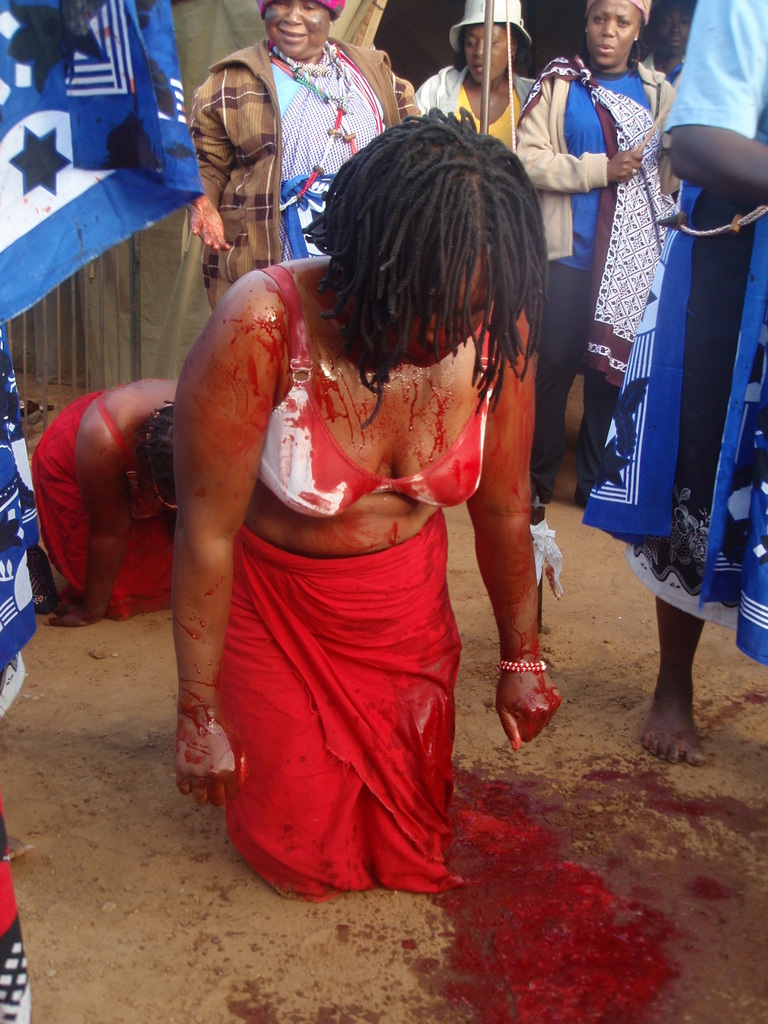 🇿🇦 South AfricaUkuthwasa
A spiritual calling and initiation process for traditional healers in Southern Africa.Rite · Healing · Speaking with spirits and the dead Living
🇿🇦 South AfricaUkuthwasa
A spiritual calling and initiation process for traditional healers in Southern Africa.Rite · Healing · Speaking with spirits and the dead Living