
Manaia
cognate with Samoan fa'amanaia and Niuean fakamanaia, meaning to decorate
A composite guardian spirit in Māori art and belief
The Manaia is a mythological creature central to Māori culture, often carved into wood or worn as jewellery. It serves as a messenger between the living world and the spirit realm, acting as a protective symbol against evil.
- Composite creature with bird head, human body, fish tail
- Acts as messenger between earth and spirit worlds
- Commonly carved into bone or greenstone pendants
- Three fingers represent birth, life, and death
- Cognate with Samoan fa'amanaia meaning decoration
What it is
The Manaia is a composite mythical figure found throughout Māori art and tradition. It typically combines the head of a bird, the body of a human, and the tail of a fish, though variations exist including serpents or lizards. This shape-shifting form allows it to fit into various artistic compositions, filling empty spaces in carvings or serving as a standalone pendant. The creature acts as a bridge between different realms, connecting the physical world with the spiritual domain.
Where it comes from
The term links to broader Polynesian roots, sharing cognates with the Samoan fa'amanaia and Niuean fakamanaia, which relate to making decorations. While primarily associated with Māori culture, similar symbols appear in Hawaii and Easter Island. In carving studies, every naturalistic figure has an equivalent distorted profile-face Manaia form, suggesting it represents a spiritual facet of the full face figure.
How it is done
Artisans carve the Manaia into wood, bone, or greenstone, often distorting its form to fit specific shapes or fill background spaces in larger compositions. It appears on door lintels, window frames, and ceremonial weapon hafts. In jewellery, it is frequently worn as a pendant, sometimes featuring three fingers representing birth, life, and death, or four fingers symbolizing the life cycle.
Tools and materials
Carvers use wood, bone, and greenstone to create these figures. The design often includes specific details like a bird-like beak at the top of a figure-of-eight shape. The three or four fingers are key symbolic elements, with digits representing aspects of existence or the afterlife.
Manaia, drawn and placed
- Living
- Revived
- Fading
- Historical
- Legendary
- Performed
- Lineage
- Māori mythology
What it is for
The primary role of the Manaia is to serve as a guardian against evil. It is also believed to act as a messenger between mortals and spirits. People wear the symbol for protection and connection to the spiritual world, integrating it into daily life through personal adornment and home architecture.
Who does it
Māori carvers and artisans create these works, adapting the motif to suit different iwi (tribal) styles. The designs vary subtly between groups, reflecting local traditions. The creation process involves blending the figure into various designs, requiring skill to maintain its symbolic integrity while fitting it into diverse artistic contexts.
Peoples and places
The Manaia is central to Māori culture but shares linguistic and symbolic connections with Samoan and Niuean traditions. Related symbols exist across Polynesia, including in Hawaii and Easter Island. Each community may have slight variations in how the figure is depicted, particularly in finger count and stylistic details.
At a glance: who, where and when
Who does it
Belief worlds
What people believe
It is believed to mediate between the earthly world and the spirit domain. The figure-of-eight shape, culminating in a bird's beak, reinforces this dual nature. The Manaia is seen as a protective entity that wards off negative forces, embodying a spiritual presence that watches over the wearer or the structure it adorns.
Compare and confuse
The Manaia is distinct from other Māori pendants like the hei-tiki and hei matau, though all are common in jewellery. Its composite nature sets it apart from simpler animal or human representations, emphasizing its role as a supernatural intermediary rather than a literal creature.
Today
The Manaia remains a popular motif in contemporary Māori art and jewellery. It is widely recognized and worn, maintaining its cultural significance. Carvers continue to adapt the design, ensuring it stays relevant in modern artistic expressions while honoring traditional meanings.
Questions people ask about Manaia
What does the Manaia look like?
It usually has a bird head, human body, and fish tail, though it can appear as a serpent or lizard. The figure often forms a figure-of-eight shape with a beak at the top.
What is the Manaia used for?
It serves as a guardian against evil and a messenger between the living and spirit worlds. People wear it for protection and spiritual connection.
Where does the name come from?
It is cognate with Samoan fa'amanaia and Niuean fakamanaia, terms meaning to make a decoration or embellishment, linking it to broader Polynesian traditions.
Good reading and sources
The facts on this page come from the Wikipedia article "Manaia (mythological creature)", written by its contributors and used under the CC BY-SA 4.0 licence, and from its Wikidata record (CC0). EveryJaadu rewrote the text in its own words, with AI assistance, and compares every page with the article to make sure no passage is copied. It may be reused under the same CC BY-SA 4.0 licence with a link back.
It may contain mistakes. Names and customs differ from one community to the next, and some knowledge is closed to outsiders and left out here. This page describes belief and practice. It does not say that any of it works, it is not a how-to, and it is not medical advice. If something is wrong, tell us. Last refreshed 2026-10-06.
More from New Zealand
All the entries from New Zealand 🇳🇿 New ZealandTaniwha
Supernatural beings of Māori lore, acting as guardians or dangerous predators in water and earthBeing · Protection · Cursing and harm Living
🇳🇿 New ZealandTaniwha
Supernatural beings of Māori lore, acting as guardians or dangerous predators in water and earthBeing · Protection · Cursing and harm Living
 🇳🇿 New ZealandPatupaiarehe
Pale-skinned forest spirits of Māori mythology who live in mist and mountainsBeing · Speaking with spirits and the dead Legendary
🇳🇿 New ZealandPatupaiarehe
Pale-skinned forest spirits of Māori mythology who live in mist and mountainsBeing · Speaking with spirits and the dead Legendary
 🇳🇿 New Zealand and 5 moreFace tattoo
Marks inked on the face for spiritual protection, identity, rank, and rite of passageTradition · Protection · Power and authority Living
🇳🇿 New ZealandMoehau
A New Zealand woodland creature said to be a wild man or an escaped pet.Being Legendary
🇳🇿 New Zealand and 5 moreFace tattoo
Marks inked on the face for spiritual protection, identity, rank, and rite of passageTradition · Protection · Power and authority Living
🇳🇿 New ZealandMoehau
A New Zealand woodland creature said to be a wild man or an escaped pet.Being Legendary
Related elsewhere
All being 🇪🇸 Spain and 5 moreSt John's Eve
A Christian vigil marked by bonfires and plant gathering on the summer solstice eveRite · Protection · Speaking with spirits and the dead Living
🇪🇸 Spain and 5 moreSt John's Eve
A Christian vigil marked by bonfires and plant gathering on the summer solstice eveRite · Protection · Speaking with spirits and the dead Living
 🇮🇳 India and 2 moreHomaहोम
A fire ritual found across Asian religions where offerings are burned as a votive exchange with the divine.Rite · Protection · Speaking with spirits and the dead Living
🇮🇳 India and 2 moreHomaहोम
A fire ritual found across Asian religions where offerings are burned as a votive exchange with the divine.Rite · Protection · Speaking with spirits and the dead Living
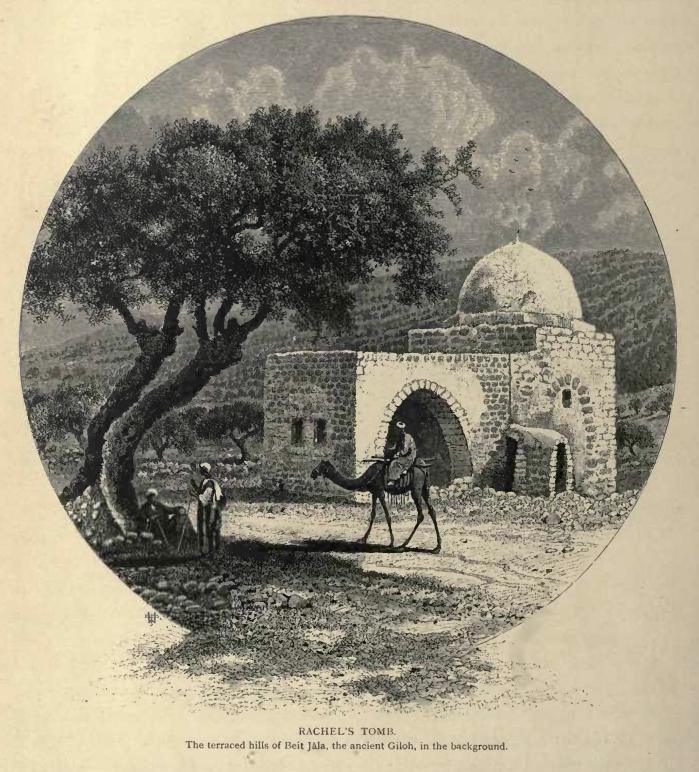 🇵🇸 Palestine and 1 moreRachel's TombQever Raḥel; Qabr Rāḥīl
A shared holy site near Bethlehem revered by Jews, Christians, and MuslimsTradition · Speaking with spirits and the dead · Protection Living
🇨🇳 China and 4 moreKitchen God灶君
The Chinese hearth deity who reports domestic conduct to the Jade EmperorBeing · Protection · Luck and prosperity Living
🇵🇸 Palestine and 1 moreRachel's TombQever Raḥel; Qabr Rāḥīl
A shared holy site near Bethlehem revered by Jews, Christians, and MuslimsTradition · Speaking with spirits and the dead · Protection Living
🇨🇳 China and 4 moreKitchen God灶君
The Chinese hearth deity who reports domestic conduct to the Jade EmperorBeing · Protection · Luck and prosperity Living