
Soul cake
from the belief that the cake represents a soul in purgatory
A spiced cake given to soulers during Allhallowtide to remember the dead.
Soul cakes are small, sweet biscuits made for All Saints' Day and All Souls' Day. They are distributed by soulers who sing prayers for the deceased in exchange for the treats. The custom originated in medieval England and survives in parts of Britain, Portugal, and the Philippines.
- Soul cakes are spiced biscuits given to soulers during Allhallowtide.
- Soulers sing prayers for the dead in exchange for the cakes.
- The custom survives in England, Portugal, and the Philippines.
- Turnip lanterns represent souls trapped in purgatory.
- Divination games with apples predict future spouses or fortunes.
What it is
A soul cake is a small, round biscuit flavored with sweet spices like nutmeg and cinnamon. It often contains raisins or currants and is marked with a cross before baking. These cakes serve as alms for the poor and tools for remembering the dead. They are central to the practice of souling, where people visit homes to collect them while singing prayers. The cakes are believed to help souls trapped in purgatory reach heaven.
Where it comes from
The tradition began in medieval England and spread across the British Isles. By the late nineteenth century, it was mostly limited to northern and western counties. Similar practices existed in Ireland and Italy. The custom likely evolved from earlier pagan rituals mixed with Christian observances of Allhallowtide. Shakespeare referenced begging for cakes at Hallowmas in the sixteenth century.
How it is done
Soulers, often children or the poor, walk door-to-door during Allhallowtide. They sing traditional songs or recite prayers for the givers' deceased relatives. In return, they receive soul cakes. Some groups carry turnip lanterns or wear disguises like witches or ghosts. In some areas, adults perform plays or carry a horse's head on a pole. The cakes are sometimes blessed by priests before distribution.
Tools and materials
Turnip lanterns with candles inside represent souls in purgatory. Horse heads wrapped in sheets appear in Cheshire performances. Candles are carried in processions to ward off evil spirits. Divination games use apples and nuts to predict future spouses or fortunes. Black cloaks and masks are worn by soulers in northern regions to mimic spirits.
Soul cake, drawn and placed
- Living
- Revived
- Fading
- Historical
- Legendary
- Performed
- Lineage
- Christian Allhallowtide customs
- Timing
- during Allhallowtide
What it is for
The primary intent is to pray for the souls of deceased friends and family. The cakes act as substitutes for prayers, offering spiritual aid to those in the intermediate state. They also provide food for the poor during the festival period. Keeping a cake in the home is believed to bring good luck for the coming year.
Who does it
Soulers are typically children, though adults participate in some regions. They may be local residents or visitors from neighboring villages. In some areas, specific families distribute cakes to their community. Performers in Cheshire dress as Old Hob figures. Priests bless the cakes in Catholic and Lutheran parishes.
Peoples and places
The custom is strongest in England, particularly in Yorkshire, Lancashire, and Cheshire. It survives in Portugal as Pão-por-Deus and in the Philippines as Pangangaluwa. In the US, some churches offer sweets for prayers. Regional variations include Harcakes in the north-east and Soul-mass cakes in Staffordshire. The practice varies significantly by county and village.
At a glance: who, where and when
Who does it
Peoples
Belief worlds
Occasions


What people believe
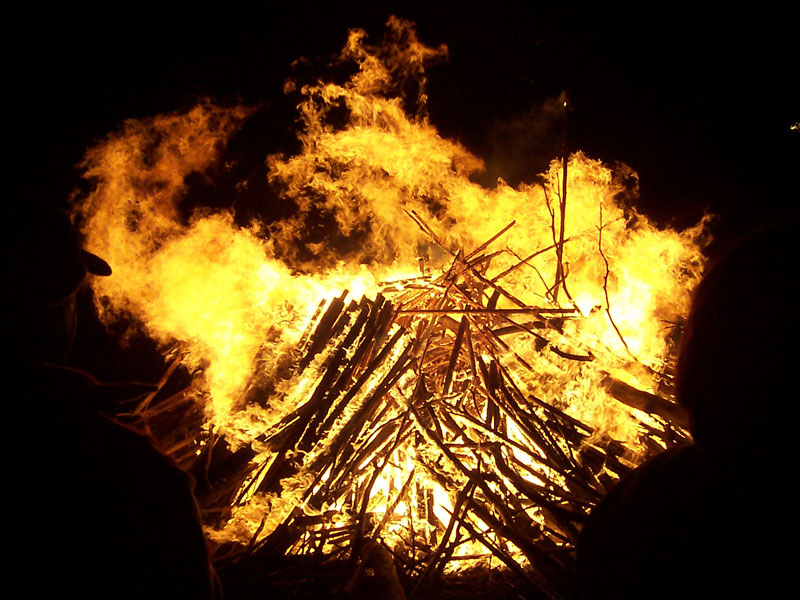
Christians believe the cakes aid souls stuck in purgatory. The cross mark signifies an alms offering. Lanterns symbolize trapped spirits seeking light. Bonfires are lit to purify the air or ward off evil. Divination games reflect older pagan beliefs about immortality and fate. The month of November is dedicated to praying for the Holy Souls.
When it is done
Souling occurs during Allhallowtide, specifically All Hallows' Eve, All Saints' Day, and All Souls' Day. In Portugal, it happens on All Saints' and All Souls' Days. In the Philippines, it is observed on All Hallows' Eve. St. Clement's Day also features similar apple-begging customs. Bonfires are lit on Halloween nights.
How scholars and sceptics see it
Historians note the practice dates back to at least 1511. Scholars link souling to medieval almsgiving and Christian charity. Anthropologists see parallels with pagan harvest festivals and spirit veneration. Some researchers suggest the custom influenced modern trick-or-treating. Literary references confirm its popularity in early modern England.
Cautions and what is closed
The practice is generally safe and communal. Some divination games involve fire or water, but these are described as harmless revelries. Disguises can sometimes cause confusion or fear, but no violence is recorded. The custom is open to all participants.
Compare and confuse
Soul cakes are similar to other commemorative foods given during memorial periods. The practice resembles modern trick-or-treating in structure. Portuguese Pão-por-Deus and Filipino Pangangaluwa share the same core ritual. St. Clement's Day apple begging mirrors the souling method. Other cultures have similar door-to-door prayer traditions.
Days linked to Soul cake
Questions people ask about Soul cake
What is a soul cake?
It is a small, spiced biscuit traditionally made for All Saints' and All Souls' Days. It is given to soulers who sing prayers for the deceased in exchange for the treat.
Where does the tradition come from?
It originated in medieval England and spread across the British Isles. It is now practiced in parts of Britain, Portugal, and the Philippines.
Why are soul cakes given?
They are given to help souls in purgatory. Soulers sing prayers for the dead, and the cakes serve as alms and spiritual substitutes for those prayers.
How do soulers collect the cakes?
They visit homes door-to-door, singing traditional songs or reciting prayers. They may carry lanterns or wear disguises while asking for the cakes.
Good reading and sources
The facts on this page come from the Wikipedia article "Soul cake", written by its contributors and used under the CC BY-SA 4.0 licence, and from its Wikidata record (CC0). EveryJaadu rewrote the text in its own words, with AI assistance, and compares every page with the article to make sure no passage is copied. It may be reused under the same CC BY-SA 4.0 licence with a link back.
It may contain mistakes. Names and customs differ from one community to the next, and some knowledge is closed to outsiders and left out here. This page describes belief and practice. It does not say that any of it works, it is not a how-to, and it is not medical advice. If something is wrong, tell us. Last refreshed 2026-10-06.
More from the United Kingdom
All the entries from the United Kingdom 🇬🇧 United KingdomEnochian magic
A Renaissance system of ceremonial magic based on angelic revelations recorded by John Dee and Edward Kelley.Tradition · Speaking with spirits and the dead · Power and authority Living
🇬🇧 United KingdomEnochian magic
A Renaissance system of ceremonial magic based on angelic revelations recorded by John Dee and Edward Kelley.Tradition · Speaking with spirits and the dead · Power and authority Living
 🇬🇧 United Kingdom and 5 moreAleister Crowley
English occultist and founder of the religion of ThelemaText · Power and authority · Change and initiation Living
🇬🇧 United Kingdom and 5 moreAleister Crowley
English occultist and founder of the religion of ThelemaText · Power and authority · Change and initiation Living
 🇫🇷 France and 2 moreÉliphas Lévi
A French writer who shaped modern occult thought and ceremonial magic.Text · Power and authority · Speaking with spirits and the dead Historical
🇫🇷 France and 2 moreÉliphas Lévi
A French writer who shaped modern occult thought and ceremonial magic.Text · Power and authority · Speaking with spirits and the dead Historical
 🇬🇧 United Kingdom and 4 moreCorn dolly
A woven straw figure made from the last sheaf of a European harvest to house the crop spirit.Tradition · Protection · Speaking with spirits and the dead Revived
🇬🇧 United Kingdom and 4 moreCorn dolly
A woven straw figure made from the last sheaf of a European harvest to house the crop spirit.Tradition · Protection · Speaking with spirits and the dead Revived
Related elsewhere
All tradition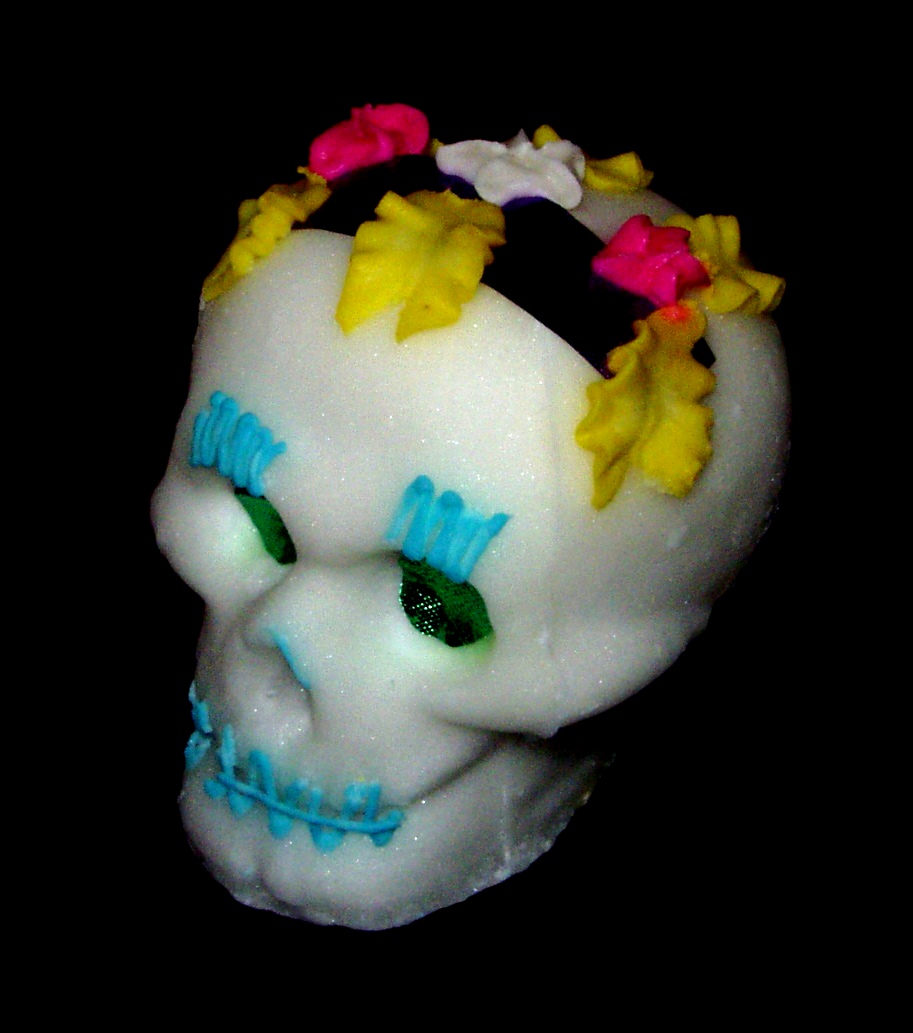 🇲🇽 MexicoCalavera
A sugar or clay skull used in Mexican Day of the Dead celebrations.Charm · Speaking with spirits and the dead · Luck and prosperity Living
🇲🇽 MexicoCalavera
A sugar or clay skull used in Mexican Day of the Dead celebrations.Charm · Speaking with spirits and the dead · Luck and prosperity Living
 🇹🇭 Thailand and 3 moreThai Buddha amuletsพระเครื่อง (phrakhrueang)
Sacred Buddhist images and relics worn for protection, merit, and fortune in Thailand.Charm · Protection · Luck and prosperity Living
🇹🇭 Thailand and 3 moreThai Buddha amuletsพระเครื่อง (phrakhrueang)
Sacred Buddhist images and relics worn for protection, merit, and fortune in Thailand.Charm · Protection · Luck and prosperity Living