Jesa
In its own language: 제사
from the hanja characters for sacrifice and ceremony
A Korean ancestral memorial rite involving food offerings and ritual bows
Jesa is a Korean ceremony held to honor the spirits of deceased family members. It typically takes place on death anniversaries or seasonal holidays, featuring structured food offerings and formal bows performed by descendants.
- Jesa honors ancestors with structured food offerings and bows
- Eldest son traditionally leads the ceremony at home
- Table arrangement places rice/meat west and soup/fish east
- Participants eat ritual food to receive ancestral blessings
- Protestants generally avoid the rite due to religious beliefs
What it is
Jesa serves as a formal memorial for ancestors within Korean culture. The practice functions as a bridge between the living descendants and the spiritual presence of their forebears. Participants gather to offer respect and maintain familial bonds across generations. While rooted in ancient traditions, the ceremony has evolved into a structured ritual often associated with Confucian principles of filial piety. It remains a central component of household life for many families, regardless of their specific religious affiliation.
Where it comes from
Ancestral worship in Korea dates back to the Bronze Age, evidenced by dolmens used for such purposes. Early state rituals included events like the Jecheon festival, which evolved through various dynasties. The adoption of Confucianism during the Joseon Dynasty formalized these practices, introducing specific rites from China. Over time, national ceremonies merged with household customs, creating the distinct Jesa tradition observed today.
How it is done
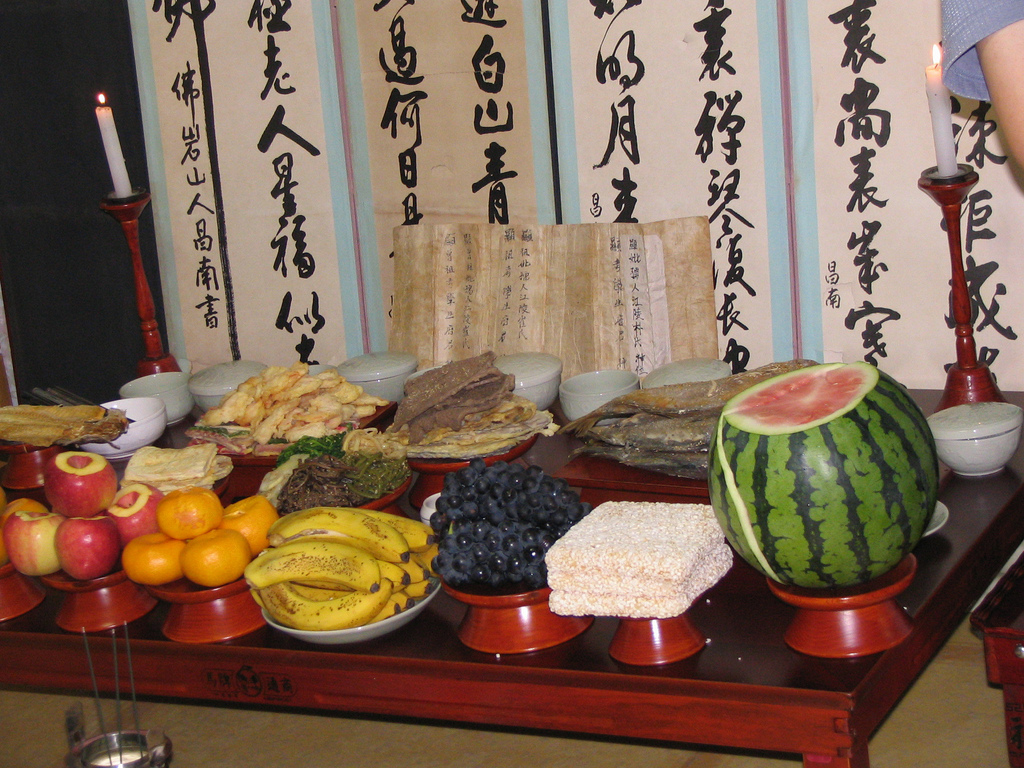
The ceremony follows a strict sequence of actions. Descendants set a table with food arranged according to specific rules, placing items like rice and meat on one side and soup and fish on the other. A memorial tablet represents the ancestor's spirit. Participants perform bows and offer rice wine in stages known as initial, secondary, and final offerings. After the food is symbolically consumed by the spirits, participants eat the remaining meal together to receive blessings.
Tools and materials
Central to the rite is the shinwi, a memorial tablet that signifies the ancestor's presence. The altar features a lacquer table laden with dishes favored by the deceased, including rice, meat, fish, fruits, and songpyeon rice cakes. Candles and incense mark the sacred space. Specific arrangements dictate the placement of bowls for male and female ancestors, ensuring proper order and respect during the offering.
Jesa, drawn and placed
- Living
- Revived
- Fading
- Historical
- Legendary
- Performed
- Lineage
- Korean ancestor worship
- Timing
- death anniversaries, Chuseok, New Year's Day, lunar October
What it is for
Families conduct Jesa to honor their lineage and seek continued protection and harmony. The ritual reinforces social bonds and demonstrates respect for elders. By sharing the sacrificial food, participants believe they receive good fortune and blessings from their ancestors. It also serves as a means of remembering family history and maintaining cultural identity through regular commemoration.
Who does it
Traditionally, the eldest son leads the ceremony, performing key offerings and bows. However, modern practices allow daughters or younger sons to take on these roles, reflecting changing gender norms. The head of the household organizes the food and coordinates the participants. Training occurs naturally within the family unit, passed down through observation and participation rather than formal schooling.
Peoples and places
Jesa is primarily practiced by Koreans in both North and South Korea. Variations exist based on regional customs and religious backgrounds. Buddhists may incorporate sutra readings and merit-making into the rites, while Confucian adherents emphasize strict protocol. Protestant Christians generally avoid the practice, viewing it as conflicting with their faith. Despite these differences, the core act of honoring ancestors remains widespread across the peninsula.
At a glance: who, where and when
Who does it
Peoples
Belief worlds


When it is done
Rites are scheduled around significant dates in the family calendar. Gije ceremonies occur on the anniversary of an ancestor's death. Charye is performed during major holidays like Chuseok and the Lunar New Year. Sije takes place in the tenth lunar month for distant ancestors. Seasonal changes and life events also influence when these memorials are held, marking the passage of time and continuity of the family line.
How scholars and sceptics see it
Anthropologists view Jesa as a mechanism for reinforcing social hierarchy and family cohesion. Historians note its adaptation from state-level rituals to domestic practices under Confucian influence. Researchers observe how the ceremony reflects evolving attitudes toward death and ancestry in Korean society. Studies also examine the impact of religious shifts, such as the rise of Christianity, on the prevalence of these traditional rites.
Cautions and what is closed
Some religious groups, particularly certain Protestant denominations, prohibit participation due to theological concerns about idolatry or spirit worship. Families must navigate potential conflicts between traditional expectations and modern religious beliefs. Additionally, the complexity of the rituals can be challenging for younger generations or those living abroad, leading to simplified versions or abandonment of the practice entirely.
Compare and confuse
Jesa shares similarities with Chinese ancestral rites and Japanese memorial services. Like the Chinese Shanhai, it involves food offerings and bowing to ancestors. However, the specific arrangement of dishes and the sequence of offerings are distinctively Korean. It differs from Western funerals by focusing on ongoing remembrance rather than a single event of burial or cremation.
Law and persecution
There are no legal restrictions on practicing Jesa in Korea. The government recognizes it as part of the cultural heritage. In the past, colonial powers and missionaries sometimes suppressed such practices, labeling them as superstition. Today, the rite is protected as a traditional custom, though individual religious communities may discourage their members from participating.
Days linked to Jesa
Questions people ask about Jesa
What is Jesa?
Jesa is a Korean ancestral memorial ceremony where descendants offer food and perform bows to honor deceased relatives. It maintains family bonds and respects lineage through structured rituals held on anniversaries and holidays.
When is Jesa performed?
It is held on death anniversaries (Gije), during major holidays like Chuseok and New Year (Charye), and in the tenth lunar month for distant ancestors (Sije). Dates follow the lunar calendar.
Who performs the rite?
Traditionally, the eldest son leads the ceremony. Modern families may include daughters or younger sons. The head of the household organizes the event, passing knowledge down through family participation.
Why do Protestants avoid Jesa?
Many Korean Protestants refrain from participating because they view the rituals as conflicting with Christian teachings regarding idolatry and spirit worship. They prioritize church-based memorials instead.
Good reading and sources
- Jesa on WikipediaEncyclopedia
- More photos on Wikimedia CommonsPhotos and video
- Wikidata recordOpen data
The facts on this page come from the Wikipedia article "Jesa", written by its contributors and used under the CC BY-SA 4.0 licence, and from its Wikidata record (CC0). EveryJaadu rewrote the text in its own words, with AI assistance, and compares every page with the article to make sure no passage is copied. It may be reused under the same CC BY-SA 4.0 licence with a link back.
It may contain mistakes. Names and customs differ from one community to the next, and some knowledge is closed to outsiders and left out here. This page describes belief and practice. It does not say that any of it works, it is not a how-to, and it is not medical advice. If something is wrong, tell us. Last refreshed 2026-10-05.
More from South Korea
All the entries from South Korea 🇰🇷 South Korea and 3 moreKorean shamanism무속
A Korean folk religion centered on ritual specialists who mediate between humans and spiritsTradition · Protection · Healing Living
🇰🇷 South Korea and 3 moreKorean shamanism무속
A Korean folk religion centered on ritual specialists who mediate between humans and spiritsTradition · Protection · Healing Living
 🇨🇳 China and 1 moreBagua八卦
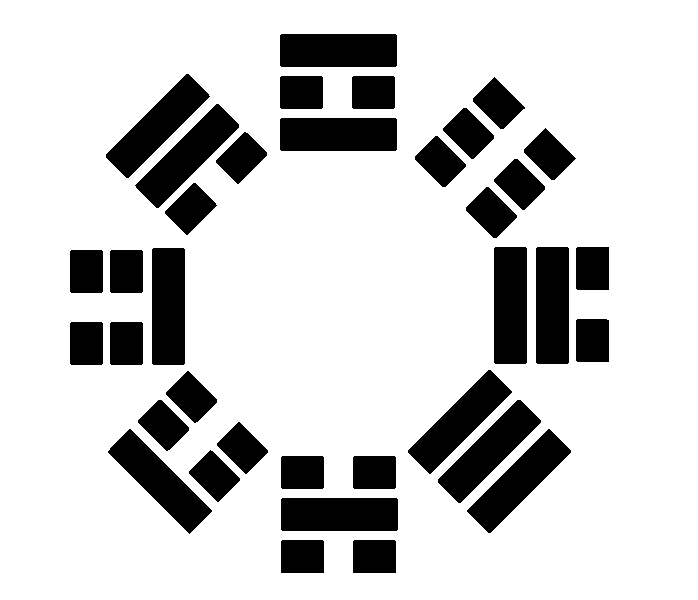
A set of eight trigram symbols from China used in divination, cosmology, and feng shui.Tradition · Seeing and foretelling · Protection Living
🇨🇳 China and 1 moreBagua八卦
A set of eight trigram symbols from China used in divination, cosmology, and feng shui.Tradition · Seeing and foretelling · Protection Living
 🇰🇷 South Korea and 1 moreKorean shamanismKorean shamanism (Korean: Korean shamanism)
A traditional practice of ritual specialists who mediate between the human and spirit worlds.Tradition · Healing · Protection Living
🇰🇷 South Korea and 1 moreKorean shamanismKorean shamanism (Korean: Korean shamanism)
A traditional practice of ritual specialists who mediate between the human and spirit worlds.Tradition · Healing · Protection Living
 🇰🇷 South Korea and 1 moreJangseung장승
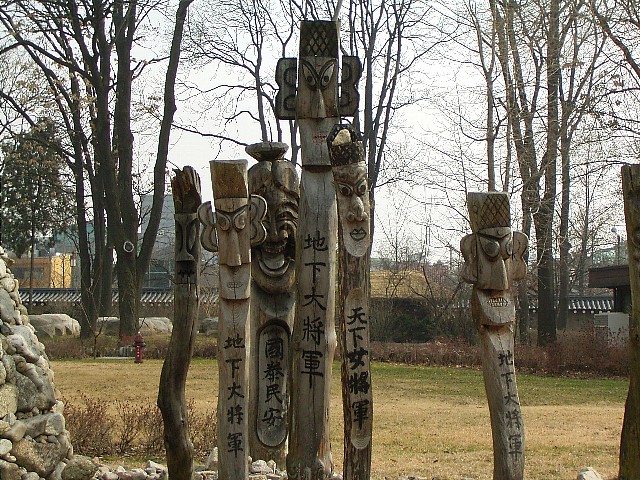
Wooden or stone poles that guard Korean villages and temples from evil spiritsTradition · Protection · Speaking with spirits and the dead Living
🇰🇷 South Korea and 1 moreJangseung장승
Wooden or stone poles that guard Korean villages and temples from evil spiritsTradition · Protection · Speaking with spirits and the dead Living
Related elsewhere
All rite 🇬🇧 United Kingdom and 1 moreWell dressing
A rural English custom of decorating water sources with natural designsTradition · Protection · Speaking with spirits and the dead Living
🇬🇧 United Kingdom and 1 moreWell dressing
A rural English custom of decorating water sources with natural designsTradition · Protection · Speaking with spirits and the dead Living
 🇲🇽 MexicoCalavera
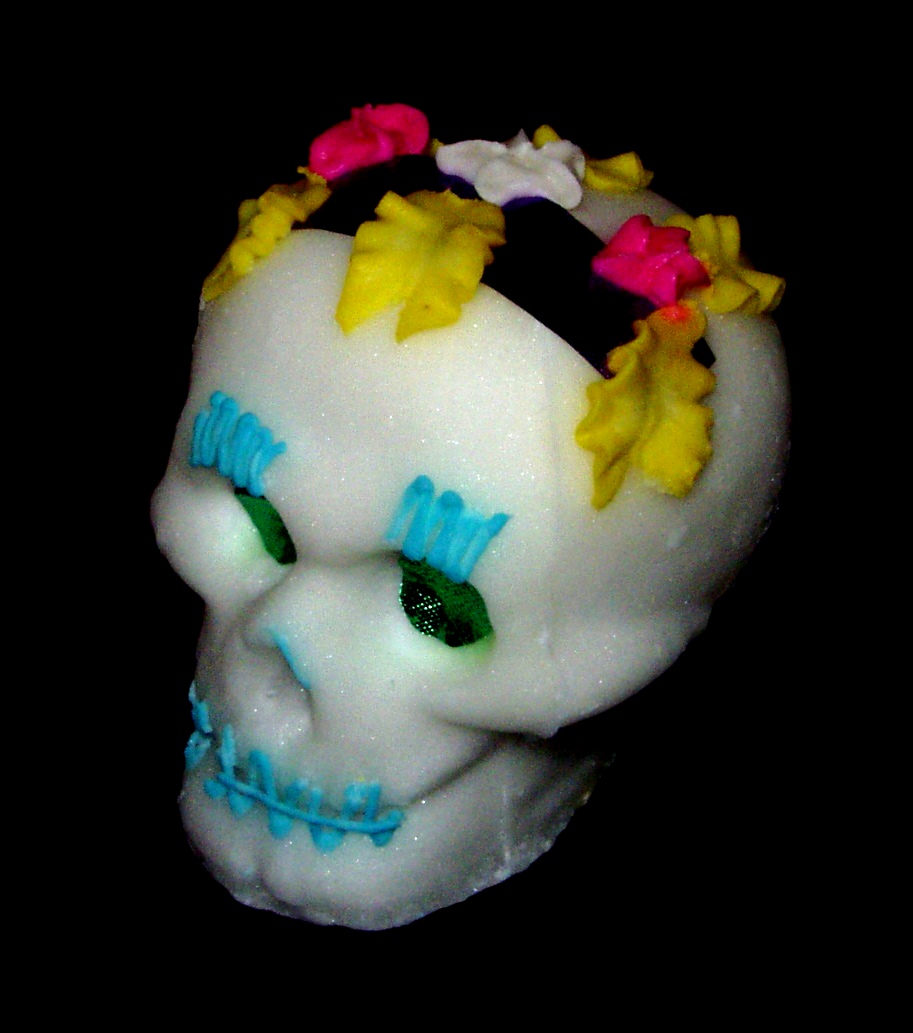
A sugar or clay skull used in Mexican Day of the Dead celebrations.Charm · Speaking with spirits and the dead · Luck and prosperity Living
🇲🇽 MexicoCalavera
A sugar or clay skull used in Mexican Day of the Dead celebrations.Charm · Speaking with spirits and the dead · Luck and prosperity Living
 🇬🇷 Greece and 5 moreCrossroads (folklore)
A junction between worlds where spirits are met and deals are madeBelief · Speaking with spirits and the dead · Cursing and harm Living
🇬🇷 Greece and 5 moreCrossroads (folklore)
A junction between worlds where spirits are met and deals are madeBelief · Speaking with spirits and the dead · Cursing and harm Living