
Malagasy mythology
The oral traditions and ancestral beliefs of the Malagasy people in Madagascar
Malagasy mythology is a body of oral stories and spiritual practices found in Madagascar. It centres on Zanahary as creator, ancestor veneration, and taboos that shape daily life.
- Zanahary is the creator deity who receives souls after death
- Famadihana rewraps corpses every 5-10 years in lamba cloth
- Lemurs are protected by fady due to sacred ancestry links
- Kinoly are red-eyed spirits that harm those who offend ancestors
- Merina kings claim descent from Vazimba through Queen Rafohy
What it is
Malagasy mythology forms the spiritual backbone of Madagascar through oral storytelling known as angano. The Ibonia cycle stands as a key narrative thread passed down through generations. At least six percent of the population follows Fomba Gasy directly, while surveys suggest half engage with its customs. The tradition blends polytheistic worship with deep respect for ancestors. Deities like Zanahary represent the sky and creation, while earth gods such as Ratovantany shape physical bodies. This system views the living and dead as connected through shared life force and memory.
Where it comes from
The myths originate from Austronesian roots brought by early settlers to Madagascar. Oral history preserves these tales rather than written texts. The Sakalava people maintain strong adherence, often resisting foreign religious conversions. Merina royal lines claim descent from ancient figures like King Andriamanelo. His mother, Queen Rafohy, linked the dynasty to the Vazimba. These origins ground the mythology in specific ethnic histories and royal legitimization across different regions.
How it is done
Rituals focus on maintaining harmony between the living and the dead. The famadihana involves rewrapping corpses every five to ten years in fresh lamba cloth. This practice honors ancestors and seeks to prevent malevolent spirits called kinoly. Communities observe fady, or taboos, dictated by ancestral will. These rules govern social behavior and environmental interaction. Storytelling sessions preserve cultural values and mythic structures without formal liturgy.
Tools and materials
The lamba cloth serves as a primary ritual tool during famadihana ceremonies. It carries hasina, the sacred life force believed to protect against harm. Red eyes and long fingernails are described traits of kinoly spirits, marking them as dangerous entities. Lemurs appear frequently in origin myths, particularly among the Betsimisaraka where they are called Babakoto. These animals symbolize sacred ancestry and are protected by taboo rather than used as ritual objects.
Malagasy mythology, drawn and placed
- Living
- Revived
- Fading
- Historical
- Legendary
- Performed
- Lineage
- Austronesian mythology
- Timing
- every 5–10 years
What it is for
Practitioners seek protection from misfortune and disease caused by neglected ancestors. Ancestors are generally benevolent but can become angatra if abused. The rituals aim to keep these spirits content and integrated into community life. Taboos regulate resource use, ensuring lemurs remain unharmed. Families perform rites to maintain hasina within their households. The goal is balance, health, and continued guidance from those who passed before.
Who does it
Ordinary households conduct most rituals within their homes or local cemeteries. Elders often interpret fady and guide younger members in proper observance. No specialized priestly class is required for basic ancestor veneration. Royal lineages historically claimed unique connections to Vazimba ancestors. Community leaders enforce taboos that affect entire villages. Participation is widespread, with high engagement among the Sakalava and Merina peoples.
Peoples and places
The Malagasy people encompass diverse ethnic groups with shared mythic frameworks. The Sakalava show high retention of traditional beliefs, rejecting foreign faiths. The Merina dynasty traces its lineage to King Andriamanelo and Queen Rafohy. Betsimisaraka communities hold specific lemur origin myths involving Babakoto. Highland communities extend veneration back to the Vazimba pygmy-like ancestors. These variations create a rich tapestry of localized beliefs under a common cultural umbrella.
At a glance: who, where and when
Who does it
Belief worlds
Occasions
What people believe
The worldview posits Zanahary as the supreme creator who breathes life into beings. Souls return to him in the heavens upon death, while bodies return to earth deities. Ancestors act as intermediaries, influencing daily fortune and health. Kinoly represent the danger of broken social contracts with the dead. Hasina flows through family lines and sacred objects like the lamba. The Vazimba are viewed as primordial inhabitants whose spirits still inhabit deep forests.
When it is done
Famadihana occurs every five to ten years, timed according to local custom and family readiness. There are no fixed calendar dates for these events, allowing flexibility based on agricultural cycles. Fady apply continuously, shaping daily interactions with nature and neighbors. Births and deaths trigger specific ancestral acknowledgments. The rhythm of life revolves around maintaining reciprocal relationships with the spirit world.
How scholars and sceptics see it
Researchers classify Malagasy mythology within Austronesian studies due to linguistic and cultural links. Anthropologists note the syncretism between indigenous beliefs and later introduced religions. Surveys indicate significant latent practice even among those identifying with other faiths. Historians trace royal claims to Vazimba ancestry as political tools for legitimacy. Folklorists document the Ibonia cycle as a crucial narrative archive preserving pre-colonial values.
Cautions and what is closed
Neglecting ancestors risks attracting angatra, which bring disease and misfortune. Kinoly are feared entities that disembowel the living if provoked. Violating fady can lead to social ostracism or perceived spiritual backlash. The belief in harmful spirits enforces strict adherence to communal norms. Misunderstanding these dynamics can result in genuine fear and isolation for those accused of breaking taboos.
Compare and confuse
Malagasy mythology shares Austronesian roots with Southeast Asian traditions but developed uniquely in isolation. Unlike many African systems, it lacks a centralized pantheon, favoring ancestor focus. The concept of hasina resembles broader African vital force concepts but is distinctively Malagasy. Vazimba veneration parallels other indigenous substrate beliefs across the Indian Ocean region. Fady function similarly to kapu systems in Polynesia, regulating sacred space and behavior.
Questions people ask about Malagasy mythology
What is Malagasy mythology?
It is the oral tradition and spiritual practice of Madagascar, centered on ancestor veneration and creator deities like Zanahary. It shapes daily life through taboos and rituals like famadihana.
Who are the main deities?
Zanahary is the supreme creator. Ratovantany shapes physical bodies. Andrianerinerina is a heroic son figure. Ancestors also receive reverence as powerful intermediaries.
What is famadihana?
It is a ritual where families rewrap the deceased in fresh lamba cloth every five to ten years. It honors ancestors and maintains hasina, the sacred life force.
Why are lemurs protected?
Origin myths link lemurs to human ancestry. Fady prohibit hunting them. They are considered sacred beings, especially in Betsimisaraka communities.
Good reading and sources
The facts on this page come from the Wikipedia article "Malagasy mythology", written by its contributors and used under the CC BY-SA 4.0 licence, and from its Wikidata record (CC0). EveryJaadu rewrote the text in its own words, with AI assistance, and compares every page with the article to make sure no passage is copied. It may be reused under the same CC BY-SA 4.0 licence with a link back.
It may contain mistakes. Names and customs differ from one community to the next, and some knowledge is closed to outsiders and left out here. This page describes belief and practice. It does not say that any of it works, it is not a how-to, and it is not medical advice. If something is wrong, tell us. Last refreshed 2026-10-05.
More from Madagascar
All the entries from Madagascar 🇸🇳 Senegal and 5 moreAncestor veneration
Rituals of respect and offerings for the dead across many culturesTradition · Protection · Speaking with spirits and the dead Living
🇸🇳 Senegal and 5 moreAncestor veneration
Rituals of respect and offerings for the dead across many culturesTradition · Protection · Speaking with spirits and the dead Living
 🇲🇬 MadagascarFamadihana
A Malagasy ritual to rewrap ancestors and celebrate their return to the spirit worldRite · Speaking with spirits and the dead · Luck and prosperity Fading
🇲🇬 MadagascarFamadihana
A Malagasy ritual to rewrap ancestors and celebrate their return to the spirit worldRite · Speaking with spirits and the dead · Luck and prosperity Fading
 🇲🇬 MadagascarSikidy
An algebraic geomancy practiced by Malagasy peoples using seeds to read fate and prescribe remediesOracle · Seeing and foretelling · Protection Living
🇲🇬 MadagascarSikidy
An algebraic geomancy practiced by Malagasy peoples using seeds to read fate and prescribe remediesOracle · Seeing and foretelling · Protection Living
 🇲🇬 Madagascar and 4 moreGeomancy
A cross-cultural system of divination using earth, sand, and landforms to read the future or align spaces.Oracle · Seeing and foretelling · Power and authority Living
🇲🇬 Madagascar and 4 moreGeomancy
A cross-cultural system of divination using earth, sand, and landforms to read the future or align spaces.Oracle · Seeing and foretelling · Power and authority Living
Related elsewhere
All tradition 🇪🇸 Spain and 5 moreSt John's Eve
A Christian vigil marked by bonfires and plant gathering on the summer solstice eveRite · Protection · Speaking with spirits and the dead Living
🇪🇸 Spain and 5 moreSt John's Eve
A Christian vigil marked by bonfires and plant gathering on the summer solstice eveRite · Protection · Speaking with spirits and the dead Living
 🇮🇳 India and 2 moreHomaहोम
A fire ritual found across Asian religions where offerings are burned as a votive exchange with the divine.Rite · Protection · Speaking with spirits and the dead Living
🇮🇳 India and 2 moreHomaहोम
A fire ritual found across Asian religions where offerings are burned as a votive exchange with the divine.Rite · Protection · Speaking with spirits and the dead Living
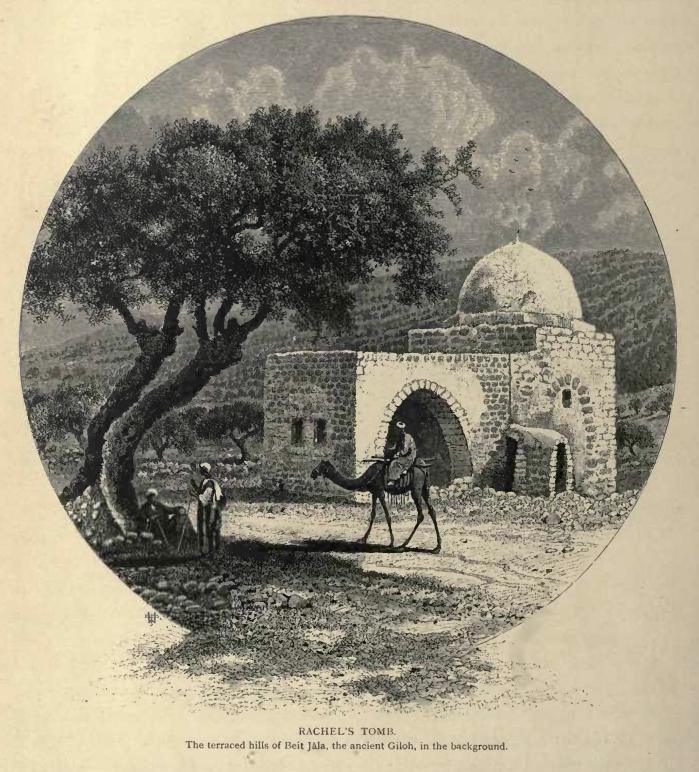 🇵🇸 Palestine and 1 moreRachel's TombQever Raḥel; Qabr Rāḥīl
A shared holy site near Bethlehem revered by Jews, Christians, and MuslimsTradition · Speaking with spirits and the dead · Protection Living
🇳🇿 New ZealandKarakia
Māori recitations used for spiritual guidance, protection, and formal greetingsTradition · Protection · Speaking with spirits and the dead Living
🇵🇸 Palestine and 1 moreRachel's TombQever Raḥel; Qabr Rāḥīl
A shared holy site near Bethlehem revered by Jews, Christians, and MuslimsTradition · Speaking with spirits and the dead · Protection Living
🇳🇿 New ZealandKarakia
Māori recitations used for spiritual guidance, protection, and formal greetingsTradition · Protection · Speaking with spirits and the dead Living