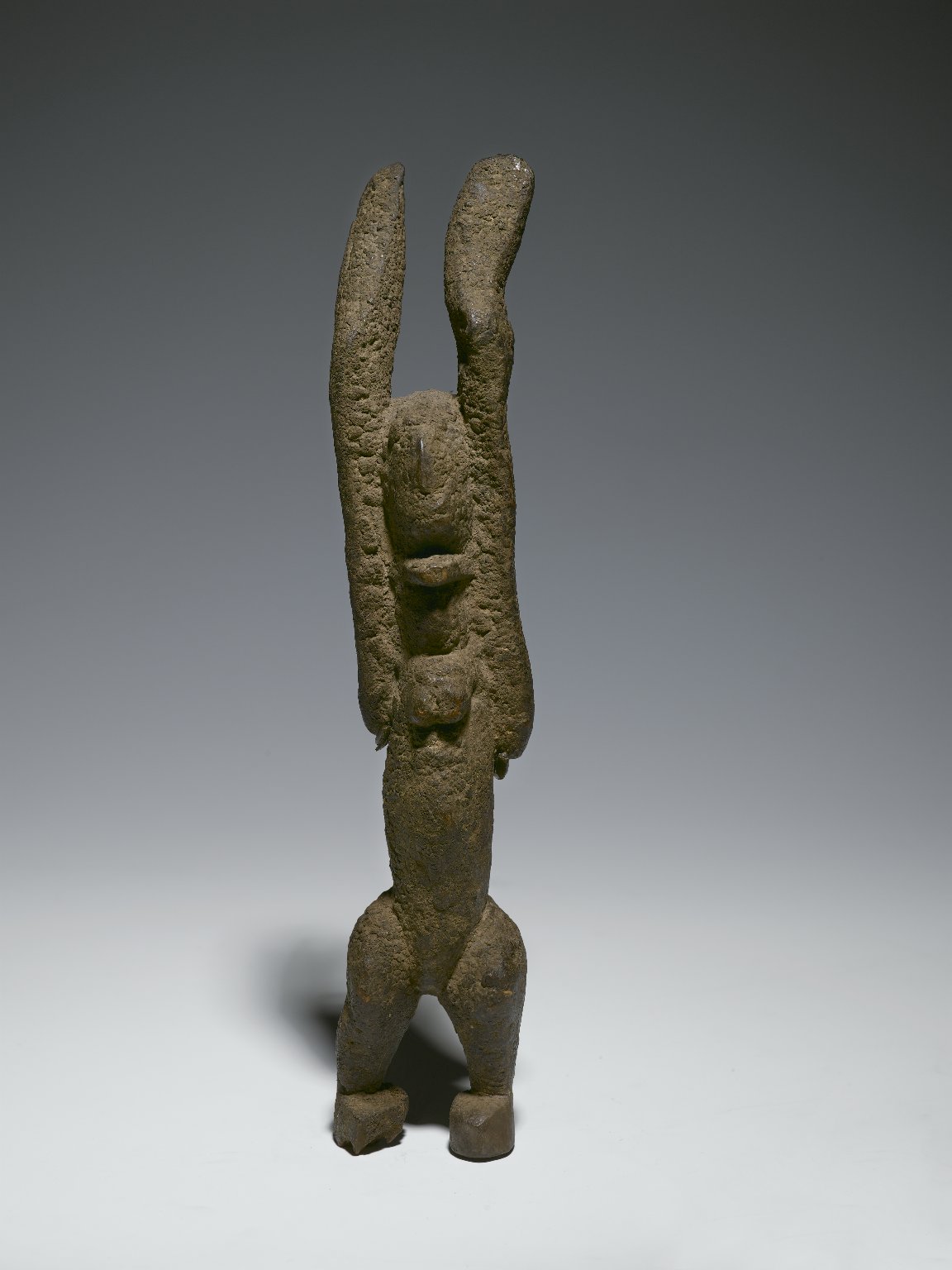
The Dogon religion is the traditional spiritual system of the Dogon people in Mali. It centers on a single Creator deity named Amma and ancestral spirits called Nommo. The faith emphasizes balance, duality, and ancestor veneration through complex rituals and mask dances.
- Amma is the genderless Creator embodying dual principles
- Nommo are ancestral Water Spirits controlling vital force
- Sigi festival occurs every sixty years for atonement
- Blacksmiths craft masks and mediate between worlds
- Fish symbolism guides souls to the afterlife
What it is
The Dogon religion represents the indigenous spiritual framework of the Dogon people in Mali. Practitioners believe in one Supreme Creator known as Amma, who is genderless and embodies both masculine and feminine principles. This duality is central to their cosmology, reflecting balance in nature and reproduction. They also revere ancestral spirits called Nommo, or Water Spirits. Veneration of the dead is a core practice, with rituals designed to guide souls to the afterlife. Unlike Abrahamic concepts of heaven and hell, the focus remains on maintaining cosmic order and honoring ancestors through community ceremonies and artistic expression.
Where it comes from
Scholars have studied Dogon cosmology and astronomy since the 1930s. French ethnologist Marcel Griaule documented these beliefs after interviewing the elder Ogotommeli. His work, published as *Dieu D'eau* in 1948, became a primary reference for understanding Dogon spirituality. The religion is considered ancient, with origins tied to primordial beings like Andoumboulou. Masks, initially made of fiber, were created to manage spiritual forces released by death. Over time, carved wooden masks replaced earlier forms to support ritual practices and commemorate mythic events.
How it is done
Rituals involve masked dances and processions that occur at specific times. After a death, the soul is localized in objects like a hoe handle or millet beer container before being sent to the bush. Women perform subtle fish-like dances to symbolize the journey to the afterlife. The Sigi ceremony, held every sixty years, features new great masks to honor ancestors and transmit secret knowledge. The dama ritual escorts souls permanently out of the village, involving elaborate preparations and performances by the Mask Society in village plazas and sacred fields.
Tools and materials
Carved wooden masks and figurines serve as mediators between the living and the divine. Blacksmiths create these items using iron, a material linked to creation myths where fire and seeds were brought from heaven. Masks represent animals, humans, and abstract concepts, acting as visual accounts of cosmic order. White bands cover the deceased's head to symbolize a fish's head, while muzzles mimic fish wattles. These materials and symbols help manage nyama, the spiritual energy associated with life and death.
Dogon religion, drawn and placed
- Living
- Revived
- Fading
- Historical
- Legendary
- Performed
- Timing
- during festivals, funerals, and agricultural cycles
What it is for
The religion aims to maintain balance, ensure agricultural success, and honor ancestors. Festivals like Bulo mark the rainy season and millet cultivation, seeking prosperity and protection. The Sigi festival provides atonement and initiates younger generations into secret knowledge. Funeral rites like dama elevate the prestige of the deceased and their descendants. Rituals address the spiritual forces released by death, ensuring the community remains connected to the divine and the ancestral world through structured ceremonies and communal participation.
Who does it
The spiritual leader is the hogon, though ancient traditions excluded male priests from servicing Amma directly. Blacksmiths hold a privileged status as intermediaries between people, ancestors, and Amma. They master earth, air, and fire, crafting iron tools essential for farming and religious artifacts. Two types of smiths exist: jemo on the plains and iru on the plateau. They act as peacemakers and facilitate rainmaking rituals. Initiation rites are completed by young men under the guidance of family elders, passing down knowledge through generations.
Peoples and places
The Dogon people of Mali practice this religion, which emphasizes duality and balance. Similarities exist with other West African groups, such as the Serer people of Senegal, who share concepts like the Xooy divination ceremony. The Dogon belief system includes a complex repertoire of signs, astronomical knowledge, and pharmacopoeia. Their cosmology reflects broader African traditions while maintaining unique elements like the Nommo spirits and intricate mask culture. The faith adapts to local contexts, with variations in ritual execution across different villages and regions within Mali.
At a glance: who, where and when
Peoples
Belief worlds
What people believe
Amma is the omnipotent Creator, symbolizing dual gender and cosmic balance. Nommo spirits control nyama, the vital force of word and water. Death releases nyama, requiring rituals to restore order. Ancestors are venerated, with souls transitioning to an afterlife without judgmental realms. The universe operates through interconnected systems of signs and calculations. Blacksmiths play a key role in creation myths, bringing fire and iron to humanity. Spiritual energy flows through naming and ritual actions, connecting the physical and metaphysical worlds in a continuous cycle of life, death, and renewal.
When it is done
Festivals follow precise temporal cycles. Bulo occurs between May and June during the estival solstice, marking the start of the sowing season and millet cultivation. Sigi happens every sixty years, commemorating primordial events and transmitting ancient knowledge. Dama rituals are performed years after death, lasting six days to escort souls permanently. These occasions allow young men to complete initiation rites and receive teachings from elders. The calendar integrates agricultural needs with spiritual obligations, aligning community life with cosmic rhythms and ancestral memory.
How scholars and sceptics see it
Ethnologists and anthropologists have extensively studied Dogon religion since the 1930s. Marcel Griaule's interviews with Ogotommeli revealed complex cosmological and astronomical systems. Germaine Dieterlen expanded on these findings, documenting calendrical measurements and physiological knowledge. Scholars note the integration of religious signs with practical skills like farming and medicine. The religion's emphasis on duality and balance offers insights into African cosmologies. Research highlights the sophistication of Dogon thought, challenging simplistic views of traditional beliefs as mere superstition.
Cautions and what is closed
Some Dogons express concern over the commercialization of their spiritual art form for tourism. The complexity of rituals requires careful adherence to tradition to avoid spiritual imbalance. Outsiders may not fully understand the significance of closed knowledge shared during initiations. The cost and effort involved in ceremonies like dama can strain resources. Misinterpretation of symbols or rituals by outsiders risks disrespecting sacred practices. The community maintains strict protocols to preserve the integrity of their beliefs against external influences.
Compare and confuse
Dogon religion shares elements with other West African traditions, such as the Serer people's Xooy ceremony. Both emphasize priestly classes and seasonal festivals. However, Dogon cosmology uniquely focuses on duality, Nyama, and Nommo spirits. The use of masks for ancestor veneration parallels broader African practices but follows distinct Dogon styles and meanings. Astronomical knowledge within Dogon belief differs from Western models, offering alternative perspectives on celestial movements and timekeeping.
Today
Dogon festivals attract tourists, raising concerns about over-commercialization. The community balances spiritual preservation with economic opportunities. Younger generations continue learning initiation rites and mask-making techniques. Diaspora communities may adapt practices to new environments while maintaining core beliefs. Artisans produce masks and figurines for both ritual use and sale. The religion remains a living tradition, evolving through interaction with modernity while retaining its foundational principles of balance, ancestry, and cosmic order.
Questions people ask about Dogon religion
What is the Dogon religion?
It is the traditional spiritual system of the Dogon people in Mali, centered on Amma the Creator and ancestral spirits called Nommo. It emphasizes balance, duality, and ancestor veneration through rituals and mask dances.
Who are the main deities?
Practitioners believe in Amma, a genderless Supreme Creator, and Nommo, ancestral Water Spirits. Amma embodies masculine and feminine principles, while Nommo control the vital force known as nyama.
When are the major festivals?
Bulo marks the rainy season between May and June. Sigi occurs every sixty years to honor ancestors and transmit secret knowledge. Dama rituals happen years after death to escort souls permanently.
What role do blacksmiths play?
Blacksmiths create masks and figurines, serving as intermediaries between people, ancestors, and Amma. They are respected for mastering earth, air, and fire, linking them to creation myths involving fire and iron.
Good reading and sources
The facts on this page come from the Wikipedia article "Dogon religion", written by its contributors and used under the CC BY-SA 4.0 licence, and from its Wikidata record (CC0). EveryJaadu rewrote the text in its own words, with AI assistance, and compares every page with the article to make sure no passage is copied. It may be reused under the same CC BY-SA 4.0 licence with a link back.
It may contain mistakes. Names and customs differ from one community to the next, and some knowledge is closed to outsiders and left out here. This page describes belief and practice. It does not say that any of it works, it is not a how-to, and it is not medical advice. If something is wrong, tell us. Last refreshed 2026-10-06.
More from Mali
All the entries from Mali 🇸🇳 Senegal and 5 moreMaraboutmurābiṭ
A Muslim religious leader and teacher in West Africa, often linked to Sufi brotherhoods.Tradition · Protection · Speaking with spirits and the dead Living
🇸🇳 Senegal and 5 moreMaraboutmurābiṭ
A Muslim religious leader and teacher in West Africa, often linked to Sufi brotherhoods.Tradition · Protection · Speaking with spirits and the dead Living
 🇲🇱 Mali and 3 moreGris-gris
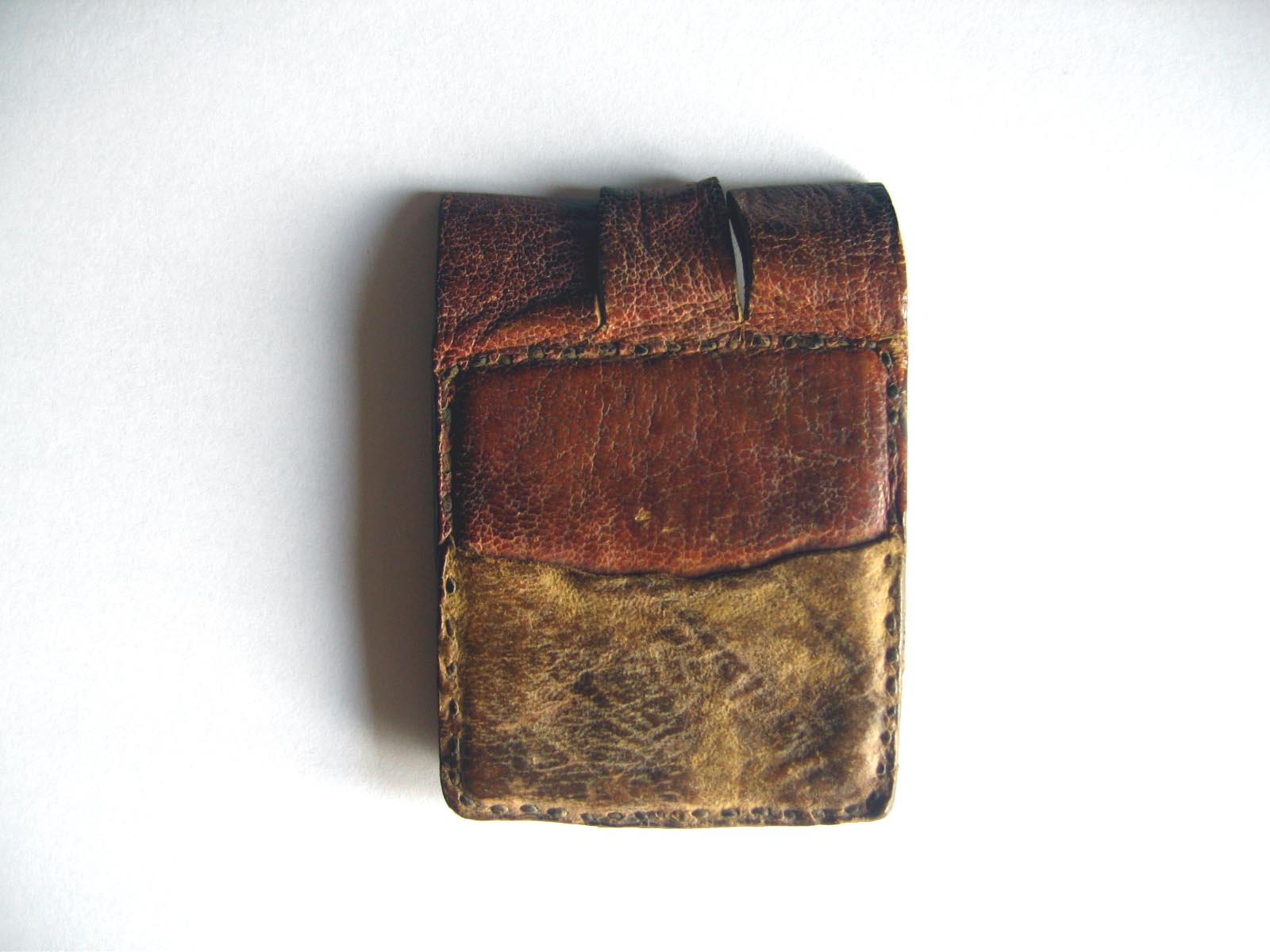
A small pouch or charm from West Africa used for protection and luck.Charm · Protection · Luck and prosperity Living
🇲🇱 MaliNommo
Primordial water spirits in Dogon cosmology from MaliBeing · Speaking with spirits and the dead Legendary
🇬🇭 Ghana and 4 moreSpirit children
A Ghanaian belief that disabled children are harmful spirits requiring ritual treatment or deathBelief · Cursing and harm Fading
🇲🇱 Mali and 3 moreGris-gris
A small pouch or charm from West Africa used for protection and luck.Charm · Protection · Luck and prosperity Living
🇲🇱 MaliNommo
Primordial water spirits in Dogon cosmology from MaliBeing · Speaking with spirits and the dead Legendary
🇬🇭 Ghana and 4 moreSpirit children
A Ghanaian belief that disabled children are harmful spirits requiring ritual treatment or deathBelief · Cursing and harm Fading
Related elsewhere
All tradition 🇬🇧 United Kingdom and 1 moreWell dressing
A rural English custom of decorating water sources with natural designsTradition · Protection · Speaking with spirits and the dead Living
🇬🇧 United Kingdom and 1 moreWell dressing
A rural English custom of decorating water sources with natural designsTradition · Protection · Speaking with spirits and the dead Living
 🇪🇬 Egypt and 2 moreLibation
The ritual pouring of liquid as an offering to spirits or the deadRite · Speaking with spirits and the dead · Protection Living
🇨🇳 China and 4 moreKitchen God灶君
The Chinese hearth deity who reports domestic conduct to the Jade EmperorBeing · Protection · Luck and prosperity Living
🇪🇬 Egypt and 2 moreLibation
The ritual pouring of liquid as an offering to spirits or the deadRite · Speaking with spirits and the dead · Protection Living
🇨🇳 China and 4 moreKitchen God灶君
The Chinese hearth deity who reports domestic conduct to the Jade EmperorBeing · Protection · Luck and prosperity Living
 🇮🇳 India and 1 moreNavagrahaनवग्रह
A group of nine celestial deities in Hinduism that govern fate and astrologyTradition · Protection · Luck and prosperity Living
🇮🇳 India and 1 moreNavagrahaनवग्रह
A group of nine celestial deities in Hinduism that govern fate and astrologyTradition · Protection · Luck and prosperity Living