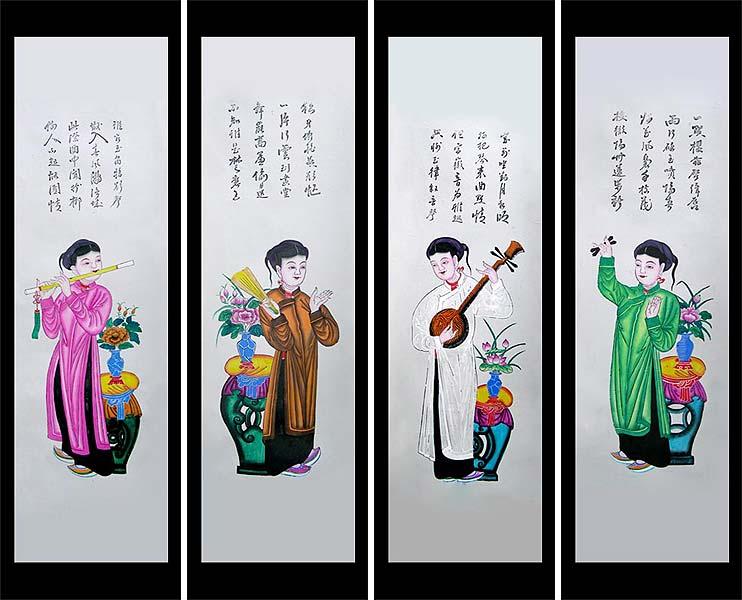
Vietnamese folk religion
In its own language: tín ngưỡng dân gian Việt Nam
from Vietnamese tín ngưỡng dân gian, meaning folk belief
A collection of local spirit worship and ancestral veneration in Vietnam
Vietnamese folk religion is a set of spiritual beliefs and practices followed by the Vietnamese people. It centers on the worship of thần, or generative powers, including nature deities, ancestors, and heroic figures.
- About 86% of Vietnamese are irreligious but many practice folk traditions.
- Đạo Mẫu focuses on the worship of mother goddesses and shamans.
- Cao Đài was founded in Tây Ninh in 1926 as a syncretic faith.
- The concept of linh represents the sacred power of deities.
- Ancestor veneration is a widespread practice among Vietnamese people.
What it is
Vietnamese folk religion is not a single organized system but a group of local traditions. People follow these practices to honor thần, which translates as spirits, gods, or generative powers. These beings include nature deities, ancestral figures, and heroes who were deified for their deeds. Most Vietnamese people engage with these traditions even if they do not identify with an organized religion. The practice focuses on maintaining harmony between the living and the spiritual world through worship and ritual.
Where it comes from
The roots of these beliefs stretch back to prehistory, particularly in the worship of mother goddesses. Over time, human heroines and protectors were elevated to divine status within this framework. Chinese influence arrived during periods of domination, introducing Taoist and Confucian elements that blended with native narratives. During the Nguyễn dynasty, non-Catholics were distinguished from Catholics in social discourse. In the 20th century, the tradition faced suppression before being revived as a core part of national identity and progressive culture.
How it is done
Practitioners engage in ancestor veneration and worship at local temples and shrines. They act as intermediaries, channeling the will of the gods and spirits. Sacrifices and offerings are made to honor deities and maintain order. The concept of linh, or sacred power, is central to these interactions, allowing individuals to connect with the divine forces that govern social transformation and natural phenomena.
Tools and materials
Temples and shrines serve as physical centers for worship, such as the Văn Miếu dedicated to Confucius. Amulets bearing specific characters are worn for protection, particularly in movements like Bửu Sơn Kỳ Hương. Ritual objects and symbols, such as the Left Eye of God in Cao Đài, represent cosmic balances. Offerings and sacrifices are used to communicate with spirits and demonstrate reverence. The architecture of these spaces often reflects a blend of indigenous and imported religious styles.
Vietnamese folk religion, drawn and placed
- Living
- Revived
- Fading
- Historical
- Legendary
- Performed
- Lineage
- Vietnamese indigenous religion
- Timing
- daily and during crises
What it is for
The primary goal is to seek protection, healing, and guidance from the spiritual realm. Ancestor veneration ensures the well-being of family lines and honors those who came before. Worship of mother goddesses and nature deities aims to secure prosperity and health. Shamans intervene during crises to restore balance and diagnose spiritual causes of illness. The practice reinforces community bonds and national identity by connecting people to shared historical and mythological figures.
Who does it
Households participate in daily ancestor worship without formal training. Shamans undergo rigorous processes to become mediums capable of channeling spirits. Priests and ritual specialists lead ceremonies in temples and pagodas. Some movements, like Đạo Mẫu, have distinct priesthoods focused on mother goddess worship. Intellectuals and shamans may also found new sects, blending spiritual insight with cultural commentary. The role of the practitioner varies from informal household head to ordained religious leader.
Peoples and places
The tradition is primarily practiced by the Vietnamese people throughout Vietnam. Small communities of Cantonese Taoists maintain practices in cities like Saigon. The faith has spread to neighboring regions, with some adherents in Cambodia. Different ethnic groups and local communities adapt the traditions to their specific contexts. Syncretic movements like Cao Đài and Hòa Hảo attract followers across various social strata, blending Vietnamese folk beliefs with Buddhist, Taoist, and Confucian philosophies.
At a glance: who, where and when
Who does it
Peoples


What people believe
Central to the worldview is the concept of linh, a sacred power that mediates between order and disorder. This force allows deities to affect the living world and enables communication through shamanic rituals. The universe is governed by dynamic polarities, such as âm and dương, which linh helps balance. Spirits, both ancestral and natural, are believed to possess agency and influence over human affairs. The pantheon includes abstract supreme beings and localized deities tied to specific places or functions.
When it is done
Worship occurs daily in households and during specific festivals at temples. Ancestral rites are performed on death anniversaries and significant family events. Shamans conduct rituals during crises, illnesses, or times of communal need. Seasonal festivals often coincide with agricultural cycles and local deity birthdays. The calendar is flexible, adapting to both lunar cycles and the specific needs of the community and individual practitioners seeking spiritual intervention.
Questions people ask about Vietnamese folk religion
What is Vietnamese folk religion?
It is a collection of local spiritual beliefs and practices centered on worshipping thần, or spirits and generative powers, rather than a single organized religion.
Where does it come from?
It originates from prehistoric Vietnamese traditions, later influenced by Chinese Taoism and Confucianism, and evolved through interactions with colonial and state policies.
Who are the main deities?
Deities include nature spirits, ancestral heroes, and mother goddesses like Thánh Mẫu Liễu Hạnh, alongside abstract supreme beings like Ngọc Hoàng.
How do people connect with spirits?
Through ancestor veneration, temple worship, and shamanic rituals where mediums channel spirits to provide guidance, healing, and protection.
Good reading and sources
- Vietnamese folk religion on WikipediaEncyclopedia
- More photos on Wikimedia CommonsPhotos and video
- Wikidata recordOpen data
The facts on this page come from the Wikipedia article "Vietnamese folk religion", written by its contributors and used under the CC BY-SA 4.0 licence, and from its Wikidata record (CC0). EveryJaadu rewrote the text in its own words, with AI assistance, and compares every page with the article to make sure no passage is copied. It may be reused under the same CC BY-SA 4.0 licence with a link back.
It may contain mistakes. Names and customs differ from one community to the next, and some knowledge is closed to outsiders and left out here. This page describes belief and practice. It does not say that any of it works, it is not a how-to, and it is not medical advice. If something is wrong, tell us. Last refreshed 2026-10-06.
More from Vietnam
All the entries from Vietnam 🇻🇳 VietnamĐạo Mẫu
A Vietnamese shamanic tradition honouring mother goddesses through ritual performance.Tradition · Speaking with spirits and the dead · Power and authority Living
🇻🇳 VietnamĐạo Mẫu
A Vietnamese shamanic tradition honouring mother goddesses through ritual performance.Tradition · Speaking with spirits and the dead · Power and authority Living
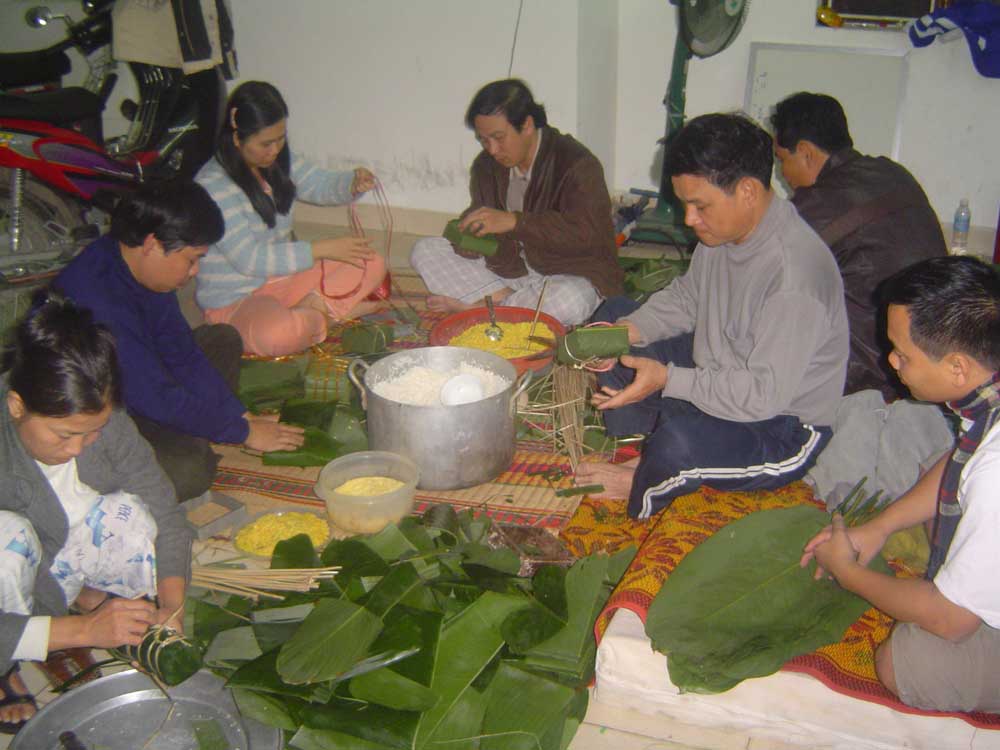 🇻🇳 Vietnam and 5 moreTếtTết Nguyên Đán
The Vietnamese lunisolar new year and the most important annual celebration in VietnamTradition · Luck and prosperity · Speaking with spirits and the dead Living
🇻🇳 Vietnam and 5 moreTếtTết Nguyên Đán
The Vietnamese lunisolar new year and the most important annual celebration in VietnamTradition · Luck and prosperity · Speaking with spirits and the dead Living
 🇱🇦 Laos and 3 moreTai folk religionສາສະໜາຜີ
Spirits, ancestor rites, and soul-calling ceremonies of the Tai peoplesTradition · Protection · Healing Living
🇱🇦 Laos and 3 moreTai folk religionສາສະໜາຜີ
Spirits, ancestor rites, and soul-calling ceremonies of the Tai peoplesTradition · Protection · Healing Living
 🇲🇾 Malaysia and 5 morePenanggalan
A floating head with trailing organs from Malay folklore, said to hunt pregnant women and newborns.Being · Cursing and harm Legendary
🇲🇾 Malaysia and 5 morePenanggalan
A floating head with trailing organs from Malay folklore, said to hunt pregnant women and newborns.Being · Cursing and harm Legendary
Related elsewhere
All tradition 🇪🇬 Egypt and 5 moreSacred dance
Movement used in worship to honour deities, heal communities, or connect with the spirit world.Tradition · Protection · Healing Living
🇪🇬 Egypt and 5 moreSacred dance
Movement used in worship to honour deities, heal communities, or connect with the spirit world.Tradition · Protection · Healing Living
 🇮🇶 Iraq and 5 moreGrimoire
A textbook containing instructions for spells, rituals, and the creation of magical objects.Text · Protection · Healing Historical
🇮🇶 Iraq and 5 moreGrimoire
A textbook containing instructions for spells, rituals, and the creation of magical objects.Text · Protection · Healing Historical
 🇮🇳 India and 5 moreSnake worship
Veneration of serpents as divine or ancestral beings across global culturesTradition · Protection · Healing Living
🇮🇳 India and 5 moreSnake worship
Veneration of serpents as divine or ancestral beings across global culturesTradition · Protection · Healing Living
 🇯🇵 JapanShugendō修験道
A Japanese mountain ascetic path blending Esoteric Buddhism, Shinto, and folk ritualsTradition · Protection · Healing Living
🇯🇵 JapanShugendō修験道
A Japanese mountain ascetic path blending Esoteric Buddhism, Shinto, and folk ritualsTradition · Protection · Healing Living