
Rudraksha
In its own language: रुद्राक्ष
from Sanskrit rudra (Shiva) and aksha (eye), meaning Eye of Rudra
Dried seeds of the Elaeocarpus tree used as prayer beads in Hindu and Buddhist traditions.
Rudraksha are the dried stones or seeds from the Elaeocarpus ganitrus tree. They serve as prayer beads for Hindus and Buddhists. Believers wear them to chant mantras and seek protection from Shiva.
- Rudraksha means Eye of Rudra in Sanskrit.
- Seeds come from the Elaeocarpus ganitrus tree.
- Garlands typically contain 108 beads plus one.
- Blue color comes from structural light reflection.
- Single-faced beads are the rarest type found.
What it is
Rudraksha refers to the dried stones or seeds of the Elaeocarpus genus, primarily Elaeocarpus ganitrus. These seeds function as prayer beads for Hindus and Buddhists. The ripe fruit is covered by a blue outer husk, leading to the nickname blueberry beads. Devotees associate these stones with the deity Shiva. They are worn to sanctify the mind and body during spiritual practices. The beads are valued similarly to semi-precious stones in jewellery and religious contexts.
Where it comes from
The word derives from Sanskrit, combining rudra for Shiva and aksha for eye. This creates the meaning Eye of Rudra. Religious texts describe the seeds as originating from the tears of Shiva during destruction rituals. Some traditions state they formed when drops fell from his closed eyes onto the earth. Scholars note that dictionaries translate aksha simply as eyes. The etymology reflects the deep connection between the object and the divine figure in Hindu mythology.
How it is done
Believers string the beads into garlands called malas. These are often made with ten8 beads plus one marker bead known as the guru bead. The strands use silk or black and red cotton threads. Practitioners hold the mala to count repetitions of mantras like Om Namah Shivaya. The beads help focus the mind during meditation. Wearing the garland around the neck is considered a sign of piety. The number of ridges on each bead is sometimes linked to specific deities.
Tools and materials
The primary tool is the dried stone from the rudraksha tree. The fruit contains alkaloids and flavonoids. The beads feature ridges called faces or mukha. Beads range from one to twenty-one faces. Single-faced beads are rare. Conjoined beads form shapes like Gauri Shankar or Ganesha. The blue colour comes from structural properties rather than pigment. Growers harvest the pits after removing the fleshy husk.
Rudraksha, drawn and placed
- Living
- Revived
- Fading
- Historical
- Legendary
- Performed
- Lineage
- Shaivism
- Timing
- during prayer and meditation
What it is for
Devotees wear rudraksha for protection and spiritual focus. The beads aid in chanting mantras to connect with Shiva. Many believe wearing them brings the merit of charity. The practice sanctifies the wearer's mind and soul. The number 108 represents cosmic completeness. Reciting prayers using the beads helps maintain devotion. The extra bead marks the cycle of recitation. It serves as a physical anchor for mental discipline.
Who does it
Households and individual devotees use these beads. Shaivas and other Hindus wear them regularly. Buddhist practitioners also utilize rudraksha for prayer. Renunciants often wear eleven-faced beads. Married individuals may choose two-faced varieties. Five-faced beads represent Hanuman. Jewellers craft the beads into necklaces. The community values them for their sacred association with Shiva.
Peoples and places
The tradition is strongest in India and Nepal. Indonesia also produces significant quantities. Groves grow in the foothills of the Himalayas. Specific regions like Kulu and Rameshwaram are popular sources. Kathmandu and the Arun Valley yield distinct varieties. The trees thrive in South and Southeast Asia. Some species reach Australia and Hawaii. The cultural significance remains highest among Indian-origin communities.
At a glance: who, where and when
Who does it
Belief worlds


What people believe
Hindu texts link the seeds to Shiva's tears. Wearing them is believed to grant spiritual benefits. Some scriptures claim touching the beads equals giving cows in charity. The practice aligns with Shaivite devotion. The beads act as conduits for divine energy. Believers see them as extensions of Shiva's presence. The structure of the seed mirrors cosmic patterns. This symbolism reinforces their sacred status in daily worship.
When it is done
The beads are used during daily prayer routines. They appear in festivals dedicated to Shiva. Weddings and initiations may involve the beads. The number 108 aligns with lunar cycles. Practitioners use them year-round for meditation. The timing depends on personal devotion. There are no fixed seasonal restrictions. The practice integrates into everyday spiritual life.
Questions people ask about Rudraksha
What are rudraksha beads?
They are dried seeds from the Elaeocarpus tree. Hindus and Buddhists use them as prayer beads. The seeds resemble small stones with ridges. Devotees wear them to chant mantras and seek protection.
Where do rudraksha trees grow?
They grow in India, Nepal, and Indonesia. The trees thrive in Himalayan foothills. Regions like Kulu and Kathmandu are key sources. Some species also exist in Southeast Asia and Australia.
Why are they called blueberry beads?
The ripe fruit has a blue outer husk. This colour resembles a blueberry. The hue comes from structural properties, not pigment. The name highlights the visual similarity of the fresh fruit.
What is the meaning of the name?
It combines rudra and aksha in Sanskrit. Rudra refers to Shiva. Aksha means eye. The phrase translates to Eye of Rudra. This links the seed to the deity's tears in mythology.
Good reading and sources
- Rudraksha on WikipediaEncyclopedia
- More photos on Wikimedia CommonsPhotos and video
- Wikidata recordOpen data
The facts on this page come from the Wikipedia article "Rudraksha", written by its contributors and used under the CC BY-SA 4.0 licence, and from its Wikidata record (CC0). EveryJaadu rewrote the text in its own words, with AI assistance, and compares every page with the article to make sure no passage is copied. It may be reused under the same CC BY-SA 4.0 licence with a link back.
It may contain mistakes. Names and customs differ from one community to the next, and some knowledge is closed to outsiders and left out here. This page describes belief and practice. It does not say that any of it works, it is not a how-to, and it is not medical advice. If something is wrong, tell us. Last refreshed 2026-10-05.
More from India
All the entries from India 🇮🇳 IndiaKumkumकुङ्कुमम्
A red powder made from turmeric and lime, used in Hindu markings and ritualsSubstance · Protection · Luck and prosperity Living
🇮🇳 IndiaKumkumकुङ्कुमम्
A red powder made from turmeric and lime, used in Hindu markings and ritualsSubstance · Protection · Luck and prosperity Living
 🇮🇩 Indonesia and 3 moreDragon's blood
A bright red resin from several plant species used in magic, medicine, and art since antiquitySubstance · Healing · Protection Living
🇮🇩 Indonesia and 3 moreDragon's blood
A bright red resin from several plant species used in magic, medicine, and art since antiquitySubstance · Healing · Protection Living
 🇮🇳 India and 5 moreCowrie
A sea snail shell used as currency, divination tool, and charm across many culturesSubstance · Seeing and foretelling · Luck and prosperity Living
🇮🇳 IndiaPanchagavya
A fermented mixture of five cow products used in Hindu rituals and Ayurvedic traditions.Substance · Cleansing and purification · Healing Living
🇮🇳 India and 5 moreCowrie
A sea snail shell used as currency, divination tool, and charm across many culturesSubstance · Seeing and foretelling · Luck and prosperity Living
🇮🇳 IndiaPanchagavya
A fermented mixture of five cow products used in Hindu rituals and Ayurvedic traditions.Substance · Cleansing and purification · Healing Living
Related elsewhere
All substance 🇨🇳 China and 1 moreAncestor veneration in China中國傳統宗法性宗教
Rites for dead kin who are thought to watch over the familyTradition · Protection · Speaking with spirits and the dead Living
🇨🇳 China and 1 moreAncestor veneration in China中國傳統宗法性宗教
Rites for dead kin who are thought to watch over the familyTradition · Protection · Speaking with spirits and the dead Living
 🇲🇦 Morocco and 5 moreWild rueاسپند
A desert plant whose seeds hold psychoactive alkaloids and serve as incense in the Middle East.Substance · Protection · Speaking with spirits and the dead Living
🇲🇦 Morocco and 5 moreWild rueاسپند
A desert plant whose seeds hold psychoactive alkaloids and serve as incense in the Middle East.Substance · Protection · Speaking with spirits and the dead Living
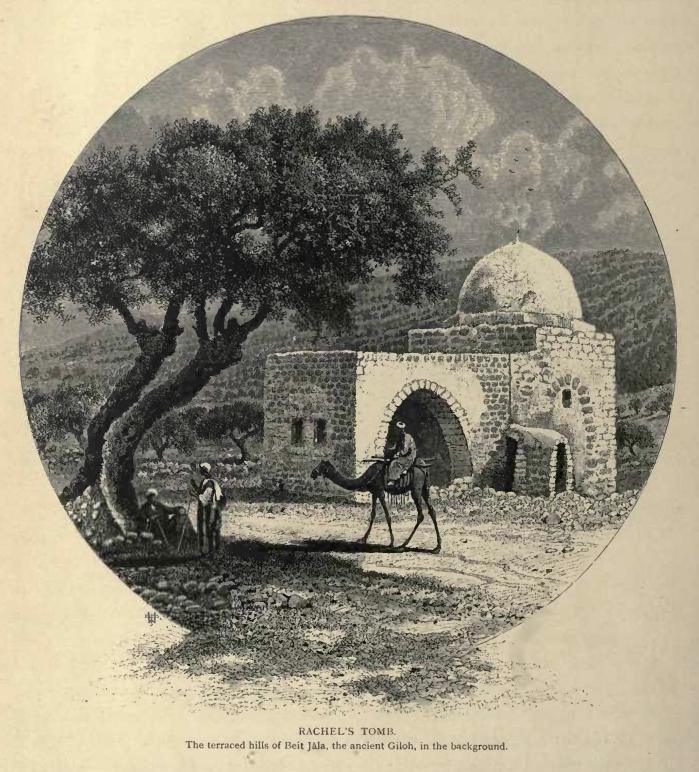 🇵🇸 Palestine and 1 moreRachel's TombQever Raḥel; Qabr Rāḥīl
A shared holy site near Bethlehem revered by Jews, Christians, and MuslimsTradition · Speaking with spirits and the dead · Protection Living
🇵🇸 Palestine and 1 moreRachel's TombQever Raḥel; Qabr Rāḥīl
A shared holy site near Bethlehem revered by Jews, Christians, and MuslimsTradition · Speaking with spirits and the dead · Protection Living
 🇪🇸 Spain and 5 moreSt John's Eve
A Christian vigil marked by bonfires and plant gathering on the summer solstice eveRite · Protection · Speaking with spirits and the dead Living
🇪🇸 Spain and 5 moreSt John's Eve
A Christian vigil marked by bonfires and plant gathering on the summer solstice eveRite · Protection · Speaking with spirits and the dead Living