
Ainu religion
The animist spiritual beliefs and ritual practices of the Ainu people of Japan and Russia
Ainu religion is the traditional animist faith of the Ainu people, indigenous to Japan and parts of Russia. It centres on kamuy, spirits inhabiting nature, and involves rituals like bear sending to maintain harmony with the divine world.
- Kamuy are spirits residing in all natural elements
- Iyomante is a bear sending ritual dating to 11 CE
- Inau are carved willow sticks used in offerings
- Shamans may enter ecstatic states called imu
- Funerals involve breaking possessions to release spirits
What it is
Ainu religion encompasses the spiritual beliefs, rituals, and myths of the Ainu people. It is broadly animist, meaning spirits called kamuy are believed to reside within all natural elements. These entities range from benevolent helpers to harmful forces known as wen-kamuy. The tradition holds that humans interact with these spirits through respect and offerings. When a physical vessel holding a spirit dies or breaks, its sacred life force returns to the divine realm, leaving behind gifts for humanity. This worldview fosters deep reverence for nature and objects, as they are seen as temporary homes for divine beings.
Where it comes from
There is no single creation myth in Ainu tradition; instead, various accounts describe how Kotan-kar-kamuy created the world and other kamuy formed humans. These narratives share traits with Japanese and Central Asian earth diver stories. The belief system evolved alongside the Ainu way of life, involving agreements with local spirits to use land sustainably. Artisans believed sincere craftsmanship imbued objects with spirit. Over time, interactions with Japanese culture introduced new elements, such as the increased use of sake in rituals and Buddhist influences on shamanistic practices after World War II.
How it is done
Rituals focus on maintaining balance with kamuy. Daily practices include offering prayers before eating and giving thanks to Kamuy-huci, the hearth spirit. Shamans or village chiefs lead ceremonies using inau, carved willow sticks, and libations of alcohol. The Iyomante, or bear sending ritual, involved raising a bear cub as a child before ritually killing it to return its spirit to the gods. Other rites welcome salmon during harvests or ward off epidemic spirits with strong-smelling herbs. Funerary customs involve breaking possessions to release spirits and burning the deceased's home to aid their journey to the afterlife.
Tools and materials
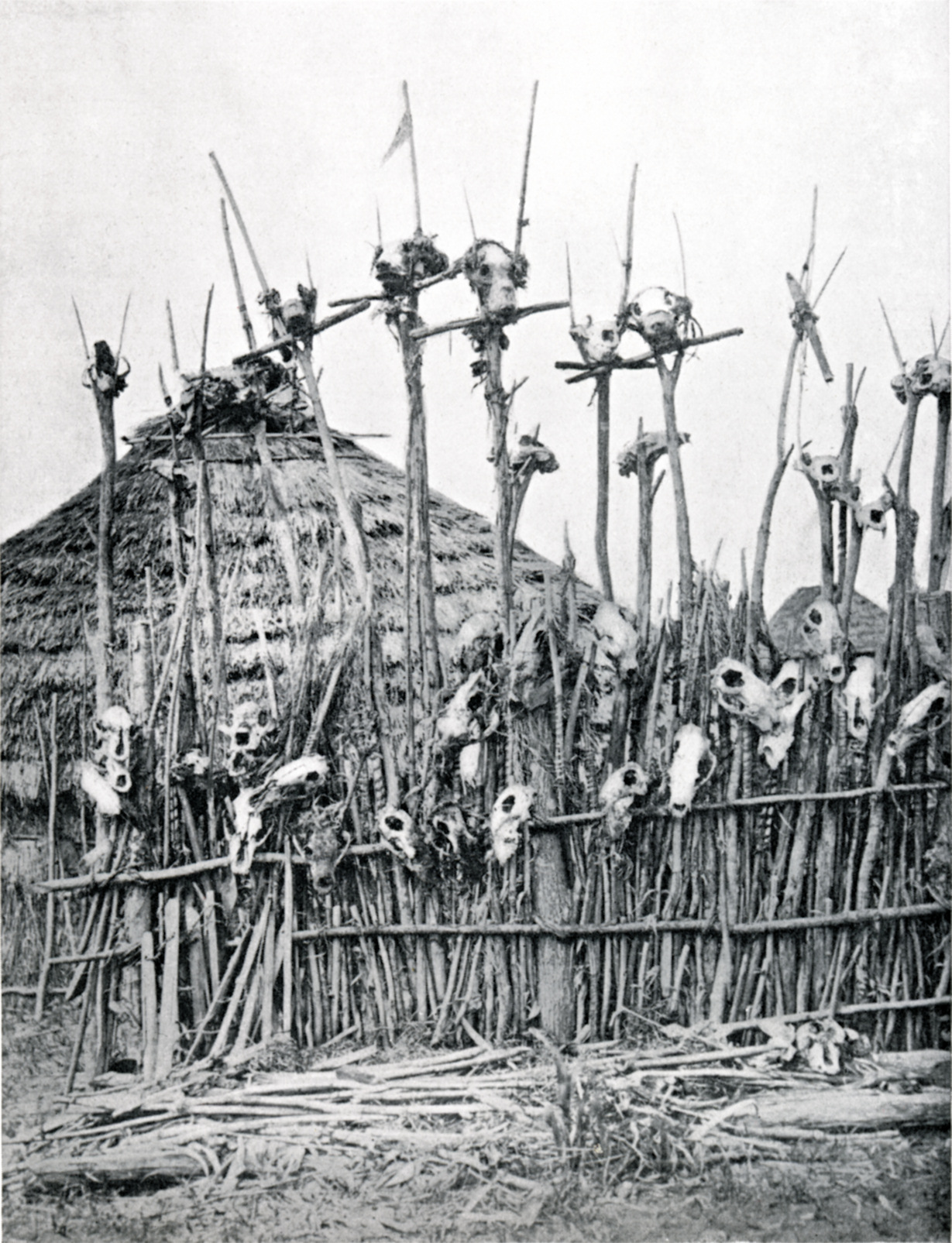
Sacred sticks called inau or nusa are central to offerings. These are whittled from willow wood with decorative shavings attached. Libation rituals use ikupasuy, ceremonial sticks with intricate carvings, dipped in wine or beer to sprinkle onto venerated objects. Bear skulls decorate nusa fences at outdoor altars. Strong-smelling herbs are placed in doorways to repel harmful spirits. Burial sites feature carved poles called kuwa to mark graves and orient the deceased toward spiritual directions.
Ainu religion, drawn and placed
- Living
- Revived
- Fading
- Historical
- Legendary
- Performed
- Timing
- seasonal harvests, funerals, daily meals
What it is for
Practitioners seek to ensure well-being, prosperity, and protection from misfortune. Offerings aim to please kamuy so they continue to provide resources like food and skills. Rituals thank deities for successful hunts and harvests. Funerary rites guide souls to kamuy mosir, the Land of the Gods, ensuring ancestors remain benevolent. Neglected spirits are feared to cause harm, so descendants maintain prayers and offerings. Healing rites invoke Kamuy-huci beside the hearth to restore health, reflecting the belief that spiritual harmony affects physical reality.
Who does it
Ainu religion lacks professional priests. Village chiefs typically oversee religious ceremonies. Shamans facilitate communication with spirits, sometimes entering ecstatic states through physical exertion (im) or prayer. In Hokkaido, post-war practices incorporated Japanese drums and Buddhist beads. Uchimura Yushi documented imu cases in the 1930s, later classified as a culture-bound syndrome. Women often cared for ritual bears, nurturing them as family members. Craftsmen also held spiritual roles, believing their sincere work created kamuy. Household members perform daily prayers and offerings.
Peoples and places
The Ainu are an indigenous group primarily located in Japan and parts of Russia. Their traditions reflect a collective indigenous practice known as arctolatry or bear worship. While similar to other Arctic cultures in dance and nature connection, Ainu religion has unique features like the specific kamuy hierarchy and Iyomante ritual. The majority of modern Ainu follow Buddhism, with only a small minority practicing traditional religion. Cultural festivals now preserve elements like dance and modified bear rituals, adapting ancient customs for contemporary recognition and identity.
At a glance: who, where and when
Who does it
Peoples
Belief worlds



What people believe
The universe is viewed as a spherical ocean resting on a large fish, whose movements cause earthquakes. Spirits inhabit all things, and humans must treat them with gratitude. Kamuy visit the human world in temporary forms, returning to kamuy mosir upon death if respected. Ancestors influence the living world based on care received from descendants. Evil kamuy bring disasters, requiring wards like herbs. The hearth goddess Kamuy-huci guides souls to the afterlife. Sincerity in art and action creates spiritual essence, blurring the line between human craft and divine presence.
When it is done
Rituals align with seasonal cycles and life events. Salmon harvests trigger welcoming and thanking ceremonies. The Iyomante occurred over years, culminating in the bear's return to the spirit world. Funerals mark the soul's journey through the hearth to the afterlife. Daily prayers accompany meals and sickness. The modified Iyomante festival now happens annually at sundown with torches, plays, and dancing. Archaeological evidence shows house orientations aligned with spiritual beliefs, possibly linked to solstice sunrises, indicating calendar-based spatial planning.
Questions people ask about Ainu religion
What is the core belief of Ainu religion?
Ainu religion is animist, believing spirits called kamuy inhabit all natural things. Humans interact with these spirits through respect and offerings to maintain harmony and receive blessings.
Where did Ainu religion originate?
It originated with the Ainu people of Japan and Russia. Creation myths vary but share traits with Japanese and Central Asian stories, focusing on Kotan-kar-kamuy creating the world.
What is the Iyomante ritual?
Iyomante is a bear sending ritual where a cub is raised as a child, then ritually killed to return its spirit to the gods. It ensures the bear's spirit protects the community and dates back to 11 CE.
Who performs Ainu religious rituals?
Village chiefs and shamans lead ceremonies. There are no professional priests. Households perform daily prayers. Shamans may use physical exertion to induce spiritual states, known as imu.
Good reading and sources
- Japan’s forgotten indigenous peopleBBC, Article
- How Japan's Bear-Worshipping Indigenous Group Fought Its Way to Cultural RelevanceSmithsonian Magazine, Article
The facts on this page come from the Wikipedia article "Ainu religion", written by its contributors and used under the CC BY-SA 4.0 licence, and from its Wikidata record (CC0). EveryJaadu rewrote the text in its own words, with AI assistance, and compares every page with the article to make sure no passage is copied. It may be reused under the same CC BY-SA 4.0 licence with a link back.
It may contain mistakes. Names and customs differ from one community to the next, and some knowledge is closed to outsiders and left out here. This page describes belief and practice. It does not say that any of it works, it is not a how-to, and it is not medical advice. If something is wrong, tell us. Last refreshed 2026-10-05.
More from Japan
All the entries from Japan 🇺🇸 United States and 5 moreSatanism
A modern set of beliefs using the figure of Satan as a symbol or deity.Tradition · Power and authority · Cursing and harm Living
🇺🇸 United States and 5 moreSatanism
A modern set of beliefs using the figure of Satan as a symbol or deity.Tradition · Power and authority · Cursing and harm Living
 🇺🇸 United States and 3 moreSandpainting
A ritual art of pouring colored sand to create temporary images for healing or spiritual teachingTradition · Healing · Speaking with spirits and the dead Living
🇺🇸 United States and 3 moreSandpainting
A ritual art of pouring colored sand to create temporary images for healing or spiritual teachingTradition · Healing · Speaking with spirits and the dead Living
 🇪🇬 Egypt and 2 moreCups and balls
A classic stage illusion where objects vanish and reappear under inverted coversIllusion · Wonder and entertainment Living
🇺🇸 United States and 1 moreFinancial astrology
A practice linking planetary positions to stock market trendsBelief · Seeing and foretelling · Luck and prosperity Fading
🇪🇬 Egypt and 2 moreCups and balls
A classic stage illusion where objects vanish and reappear under inverted coversIllusion · Wonder and entertainment Living
🇺🇸 United States and 1 moreFinancial astrology
A practice linking planetary positions to stock market trendsBelief · Seeing and foretelling · Luck and prosperity Fading
Related elsewhere
All tradition 🇹🇭 Thailand and 3 moreThai Buddha amuletsพระเครื่อง (phrakhrueang)
Sacred Buddhist images and relics worn for protection, merit, and fortune in Thailand.Charm · Protection · Luck and prosperity Living
🇳🇿 New ZealandKarakia
Māori recitations used for spiritual guidance, protection, and formal greetingsTradition · Protection · Speaking with spirits and the dead Living
🇹🇭 Thailand and 3 moreThai Buddha amuletsพระเครื่อง (phrakhrueang)
Sacred Buddhist images and relics worn for protection, merit, and fortune in Thailand.Charm · Protection · Luck and prosperity Living
🇳🇿 New ZealandKarakia
Māori recitations used for spiritual guidance, protection, and formal greetingsTradition · Protection · Speaking with spirits and the dead Living
 🇬🇧 United Kingdom and 1 moreWell dressing
A rural English custom of decorating water sources with natural designsTradition · Protection · Speaking with spirits and the dead Living
🇬🇧 United Kingdom and 1 moreWell dressing
A rural English custom of decorating water sources with natural designsTradition · Protection · Speaking with spirits and the dead Living