
Welcome to Country
coined by Rhoda Roberts in the 1980s
A ceremony performed by Aboriginal elders to welcome visitors to their land
A Welcome to Country is a formal ritual in Australia where a recognised Traditional Owner welcomes guests onto their ancestral land. It acknowledges the deep spiritual and cultural connection between Indigenous peoples and their Country.
- Rhoda Roberts coined the term in the 1980s
- Performed by recognised traditional owners
- Incorporated into Parliament openings since 2008
- Includes speech, dance, or smoking ceremony
- Acknowledges deep connection to Country
What it is
A Welcome to Country is a ritual performed at the start of many events in Australia. It is conducted by a member of the local Aboriginal or Torres Strait Islander community who holds authority over the land. The ceremony recognises the ongoing relationship between these peoples and their ancestral lands. An Acknowledgement of Country serves a similar purpose when no traditional owner is present to perform the welcome.
Where it comes from
The practice draws on ancient diplomatic customs used by Aboriginal nations to greet strangers. In colonial times, such ceremonies helped establish peaceful relations between different groups. The modern term was created in the 1980s by arts executive Rhoda Roberts. She began using it to open her productions, helping it gain widespread acceptance across the country.
How it is done
The ceremony typically involves a speech by an elder or recognised custodian. It may include traditional music, dance, or a smoking ceremony. The host speaks to welcome visitors and acknowledge the spirits of the land. This act signals respect for the traditional owners and their history.
Tools and materials
Speakers use words to convey respect and welcome. Performers may use dance and song to express cultural identity. Smoking ceremonies involve burning native plants to cleanse the space. These elements combine to create a formal and respectful opening.
Welcome to Country, drawn and placed
- Living
- Revived
- Fading
- Historical
- Legendary
- Performed
- Lineage
- Aboriginal Australian tradition
- Timing
- at the start of events
What it is for
The ritual aims to honour the First Nations people and their connection to the land. It serves as a step towards reconciliation in Australian society. By acknowledging traditional ownership, events show respect for Indigenous culture and history. It helps visitors understand the significance of the place they are visiting.
Who does it
Only a recognised elder or traditional owner can perform a Welcome to Country. They hold the cultural authority to speak for their clan or language group. If no such person is available, a non-Indigenous host may deliver an Acknowledgement of Country instead.
Peoples and places
The practice is central to Aboriginal and Torres Strait Islander cultures in Australia. It reflects the diverse languages and nations across the continent. Each group maintains its own specific protocols and traditions for welcoming others onto their Country.
At a glance: who, where and when
Who does it
Belief worlds
Occasions


What people believe
Country is viewed as a living entity encompassing land, sea, ancestors, and stories. It is not merely property but a source of identity and belonging. The connection to Country is reciprocal, requiring care and respect from those who live within it.
When it is done
Welcomes occur at the beginning of public events, festivals, and government meetings. They have been part of the Parliament of Australia's opening since 2008. The timing marks the start of proceedings and sets a tone of respect.
How scholars and sceptics see it
Anthropologists note the revival of these ceremonies as part of broader social changes. Scholars view them as significant acts of cultural recognition and political statement. They highlight the shift in how Australian society engages with its Indigenous heritage.
Cautions and what is closed
It is important that only authorised individuals perform a Welcome to Country. Misuse of the ceremony can be seen as disrespectful. The distinction between a Welcome and an Acknowledgement must be maintained to uphold cultural integrity.
Compare and confuse
An Acknowledgement of Country is a shorter version used when no elder is present. Both serve to recognise Indigenous presence but differ in who performs them. Similar practices exist in other countries but have unique Australian characteristics.
Law and persecution
Native title laws have supported the recognition of traditional ownership. Government bodies now often require these ceremonies for official functions. This legal framework reinforces the status of Indigenous peoples as traditional custodians.
Rites that involve Welcome to Country
Questions people ask about Welcome to Country
What is a Welcome to Country?
It is a formal ceremony performed by a recognised Aboriginal or Torres Strait Islander elder to welcome visitors onto their ancestral land. It acknowledges the ongoing cultural and spiritual connection to Country.
Who can perform a Welcome to Country?
Only a person formally recognised as a traditional owner or elder of the local clan or language group can perform this ceremony. They hold the authority to speak for their community.
What is the difference between a Welcome and an Acknowledgement?
A Welcome is performed by a traditional owner. An Acknowledgement is delivered by a host when no traditional owner is available. Both recognise Indigenous connection to the land.
When did the term originate?
The term was coined in the 1980s by arts executive Rhoda Roberts. She used it to open her events, helping it become a standard practice in Australia.
Good reading and sources
- Welcome to Country on WikipediaEncyclopedia
- More photos on Wikimedia CommonsPhotos and video
- Wikidata recordOpen data
The facts on this page come from the Wikipedia article "Welcome to Country", written by its contributors and used under the CC BY-SA 4.0 licence, and from its Wikidata record (CC0). EveryJaadu rewrote the text in its own words, with AI assistance, and compares every page with the article to make sure no passage is copied. It may be reused under the same CC BY-SA 4.0 licence with a link back.
It may contain mistakes. Names and customs differ from one community to the next, and some knowledge is closed to outsiders and left out here. This page describes belief and practice. It does not say that any of it works, it is not a how-to, and it is not medical advice. If something is wrong, tell us. Last refreshed 2026-10-05.
More from Australia
All the entries from Australia 🇻🇺 Vanuatu and 5 moreKava culture
A shared ritual across Oceania where a root brew marks ceremony, respect, and social gathering.Tradition · Speaking with spirits and the dead · Luck and prosperity Living
🇻🇺 Vanuatu and 5 moreKava culture
A shared ritual across Oceania where a root brew marks ceremony, respect, and social gathering.Tradition · Speaking with spirits and the dead · Luck and prosperity Living
 🇦🇺 AustraliaSmoking ceremony
A ritual using herbal smoke for cleansing and welcoming among Aboriginal AustraliansRite · Cleansing and purification · Speaking with spirits and the dead Living
🇦🇺 AustraliaSmoking ceremony
A ritual using herbal smoke for cleansing and welcoming among Aboriginal AustraliansRite · Cleansing and purification · Speaking with spirits and the dead Living
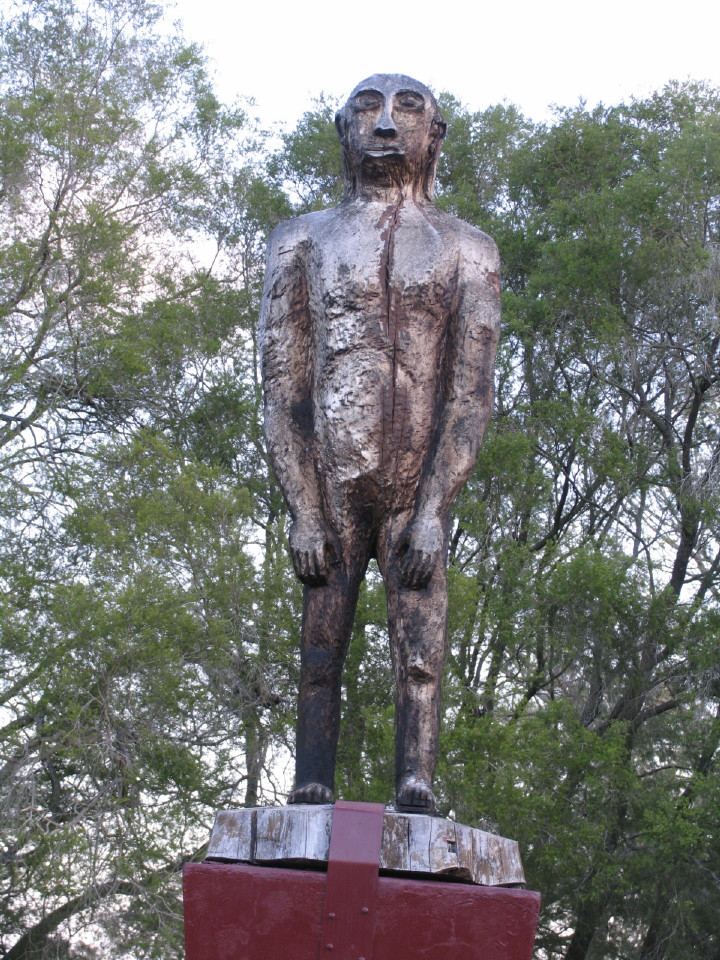 🇦🇺 AustraliaYowie
A hairy, bipedal creature of Australian folklore and cryptozoologyFigure · Wonder and entertainment Legendary
🇦🇺 AustraliaYowie
A hairy, bipedal creature of Australian folklore and cryptozoologyFigure · Wonder and entertainment Legendary
 🇦🇺 Australia and 1 moreTattoo
A permanent mark made by placing pigment under the skin to form a design.Tradition · Protection · Power and authority Living
🇦🇺 Australia and 1 moreTattoo
A permanent mark made by placing pigment under the skin to form a design.Tradition · Protection · Power and authority Living
Related elsewhere
All rite 🇮🇳 IndiaChakraचक्र
Meditation points in the subtle body used in Hindu and Buddhist yogaTradition · Speaking with spirits and the dead · Change and initiation Living
🇮🇳 IndiaChakraचक्र
Meditation points in the subtle body used in Hindu and Buddhist yogaTradition · Speaking with spirits and the dead · Change and initiation Living
 🇮🇶 Iraq and 5 moreGrimoire
A textbook containing instructions for spells, rituals, and the creation of magical objects.Text · Protection · Healing Historical
🇮🇶 Iraq and 5 moreGrimoire
A textbook containing instructions for spells, rituals, and the creation of magical objects.Text · Protection · Healing Historical
 🇸🇳 Senegal and 1 moreSerer religionA ƭat Roog
The traditional faith of the Serer people, centred on the supreme deity Roog and ancestral veneration.Tradition · Protection · Speaking with spirits and the dead Living
🇸🇳 Senegal and 1 moreSerer religionA ƭat Roog
The traditional faith of the Serer people, centred on the supreme deity Roog and ancestral veneration.Tradition · Protection · Speaking with spirits and the dead Living
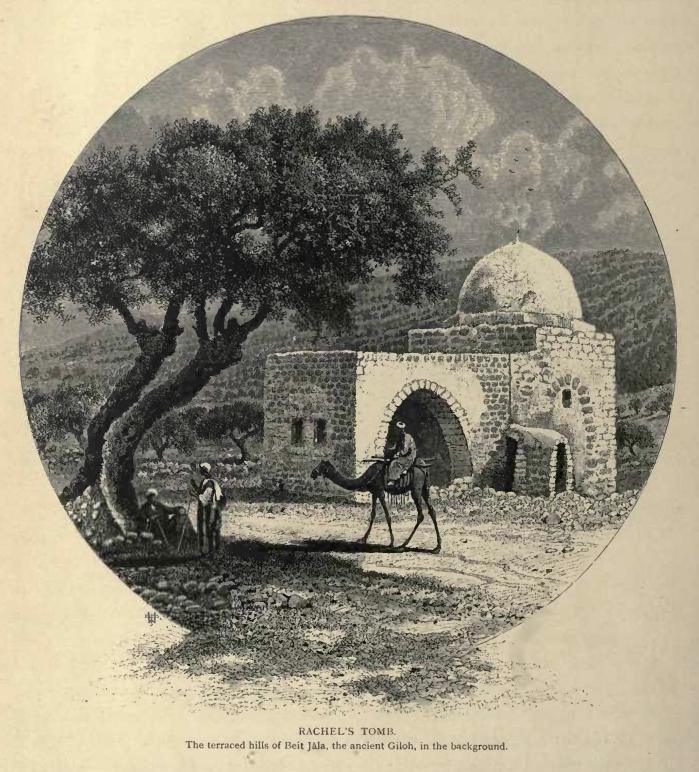 🇵🇸 Palestine and 1 moreRachel's TombQever Raḥel; Qabr Rāḥīl
A shared holy site near Bethlehem revered by Jews, Christians, and MuslimsTradition · Speaking with spirits and the dead · Protection Living
🇵🇸 Palestine and 1 moreRachel's TombQever Raḥel; Qabr Rāḥīl
A shared holy site near Bethlehem revered by Jews, Christians, and MuslimsTradition · Speaking with spirits and the dead · Protection Living