
Death knell
from the word 'knell', meaning a sound of a bell
A church bell rung to announce a person's death and mark the funeral.
The death knell is a peal of bells used in England to signal that someone has died. It was historically part of a three-bell sequence marking the end of life and the journey to burial. The custom involves specific ringing patterns to indicate the age and sex of the deceased.
- Three bells marked death: passing, knell, and lych.
- Tellers indicated sex: nine strokes for men, six for women.
- Half-muffling creates a loud then muted bell sound.
- Fully muffled bells are reserved for sovereigns.
- John Donne's quote inspired many artistic works.
What it is
A death knell is a ritual ringing of a church bell to announce that a person has died. In English tradition, it was one part of a three-stage bell sequence. The first bell, called the passing bell, was rung while the person was still dying. The second was the death knell itself, sounded immediately after death. The third was the lych bell, or corpse bell, which accompanied the funeral procession to the church. Today, only the final toll remains common practice.
Where it comes from
The custom dates back to ancient Christian practices in England. Statutes under Henry VIII and Elizabeth I regulated the timing of these bells. By the late nineteenth century, local customs varied on when to ring the knell. Some parishes rang it as soon as the parish clerk received notice. Others postponed it to the evening before or the morning of the funeral to warn the community of the upcoming ceremony.
How it is done
Parishes developed their own methods for ringing the knell. A universal feature was the use of 'tellers' to denote the sex of the deceased. For example, in Kent and Surrey, men were marked by nine strokes (three sets of three) and women by six strokes (three sets of two). Children had varying counts. Modern funerals often use half-muffled bells. This involves placing a leather pad on one side of the clapper, creating a loud strike followed by a muted echo.
Tools and materials
The primary tool is the church bell, specifically full-circle bells capable of rotation. Half-muffling requires a leather muffle attached to the clapper. This device dampens the sound on one impact while allowing a clear strike on the other. Fully muffled bells are rare and reserved for the death of a sovereign in the United Kingdom.
Death knell, drawn and placed
- Living
- Revived
- Fading
- Historical
- Legendary
- Performed
- Lineage
- Christian funeral custom
- Timing
- at death and during the funeral procession
What it is for
The knell serves to inform the community of a death and mark the transition from life to burial. It acts as a spiritual warning and a call to prayer for the dying and the dead. The specific stroke patterns convey information about the deceased without words. The ritual provides a structured way for the village to acknowledge loss and prepare for the funeral service.
Who does it
The sexton or parish clerk typically managed the bells. They received news of the death and determined the appropriate time to ring. In some areas, the curate was called to comfort the sick before the passing bell was rung. The role required knowledge of local customs regarding stroke counts and timing based on the sun's position.
Peoples and places
The custom is deeply rooted in English Christian culture. It was particularly documented in counties like Kent and Surrey. The practice spread through the Church of England's canon law. While similar traditions exist elsewhere, the specific three-bell structure and the term 'death knell' are distinctively English. The variation in teller counts shows local adaptation within a shared framework.
At a glance: who, where and when
Who does it
Peoples
Belief worlds
Occasions
What people believe
The ritual reflects Christian beliefs about the soul's departure and the need for communal prayer. The passing bell was intended to help the dying person prepare spiritually. The knell signaled the soul's release. The lych bell guided the spirit toward the church. The mournful sound of half-muffled bells was believed to express grief and respect for the departed.
When it is done
The bells were rung at critical moments in the death process. The passing bell occurred during the final illness. The death knell followed immediately upon death. The lych bell was rung during the funeral procession. Timing depended on whether the death occurred before or after sunset. If after sunset, the knell might be delayed until the next morning.
How scholars and sceptics see it
Scholars note the evolution of the custom from religious rite to local tradition. The change of 'tellers' to 'tailors' in literature highlights how language shifts over time. Literary references, such as those by Dorothy L. Sayers, preserve the memory of these specific stroke patterns. Historians view the statutes of Henry VIII as attempts to standardize a widespread folk practice.
Cautions and what is closed
No specific harms or frauds are associated with the death knell itself. It is a solemn ritual rather than a source of danger. However, the decline of the practice means fewer people understand its original meaning. The complexity of full-circle ringing and half-muffling requires skilled bell ringers, whose numbers may be decreasing.
Compare and confuse
The death knell is related to the general concept of funeral bells found in many cultures. It differs from the American literary phrase 'For Whom the Bell Tolls,' which John Donne adapted from his Devotions. The passing bell is a distinct but related ritual focused on the moment of dying rather than the moment of death.
Questions people ask about Death knell
What is a death knell?
It is a church bell rung to announce a person's death. In England, it was part of a sequence including a passing bell and a lych bell to mark the end of life and the funeral.
Where does this custom come from?
It originates from ancient Christian traditions in England. Statutes under Henry VIII and Elizabeth I regulated the timing, ensuring communities were warned of impending or recent deaths.
How do the bells indicate the deceased's gender?
Parishes used 'tellers' or specific stroke counts. For example, nine strokes meant a man, while six strokes meant a woman. This pattern was common in counties like Kent and Surrey.
What is half-muffling?
It is a technique where a leather pad covers one side of the bell clapper. This produces a loud strike followed by a soft, muffled echo, creating a mournful sound for funerals.
Good reading and sources
The facts on this page come from the Wikipedia article "Death knell", written by its contributors and used under the CC BY-SA 4.0 licence, and from its Wikidata record (CC0). EveryJaadu rewrote the text in its own words, with AI assistance, and compares every page with the article to make sure no passage is copied. It may be reused under the same CC BY-SA 4.0 licence with a link back.
It may contain mistakes. Names and customs differ from one community to the next, and some knowledge is closed to outsiders and left out here. This page describes belief and practice. It does not say that any of it works, it is not a how-to, and it is not medical advice. If something is wrong, tell us. Last refreshed 2026-10-05.
More from the United Kingdom
All the entries from the United Kingdom 🇪🇸 Spain and 5 moreSt John's Eve
A Christian vigil marked by bonfires and plant gathering on the summer solstice eveRite · Protection · Speaking with spirits and the dead Living
🇪🇸 Spain and 5 moreSt John's Eve
A Christian vigil marked by bonfires and plant gathering on the summer solstice eveRite · Protection · Speaking with spirits and the dead Living
 🇬🇧 United KingdomPricking
A method used to locate a witch's mark during early modern European witch trialsRite · Cursing and harm Historical
🇬🇧 United KingdomPricking
A method used to locate a witch's mark during early modern European witch trialsRite · Cursing and harm Historical
 🇩🇪 Germany and 5 moreMaypoleMaibaum
A tall wooden pole raised for European spring festivals, accompanied by dance and celebration.Tradition · Luck and prosperity · Love and attraction Living
🇩🇪 Germany and 5 moreMaypoleMaibaum
A tall wooden pole raised for European spring festivals, accompanied by dance and celebration.Tradition · Luck and prosperity · Love and attraction Living
Related elsewhere
All rite 🇮🇳 IndiaChakraचक्र
Meditation points in the subtle body used in Hindu and Buddhist yogaTradition · Speaking with spirits and the dead · Change and initiation Living
🇮🇳 IndiaChakraचक्र
Meditation points in the subtle body used in Hindu and Buddhist yogaTradition · Speaking with spirits and the dead · Change and initiation Living
 🇲🇦 Morocco and 5 moreWild rueاسپند
A desert plant whose seeds hold psychoactive alkaloids and serve as incense in the Middle East.Substance · Protection · Speaking with spirits and the dead Living
🇲🇦 Morocco and 5 moreWild rueاسپند
A desert plant whose seeds hold psychoactive alkaloids and serve as incense in the Middle East.Substance · Protection · Speaking with spirits and the dead Living
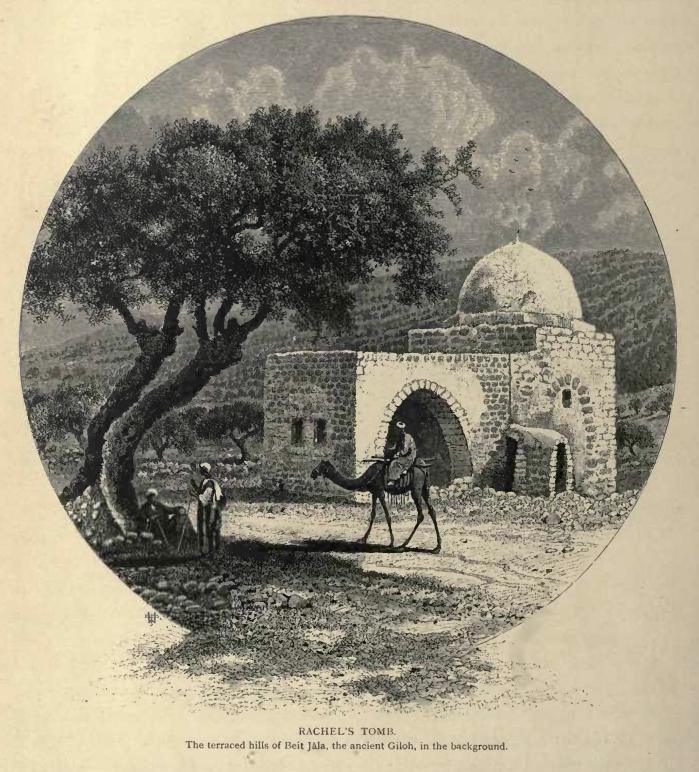 🇵🇸 Palestine and 1 moreRachel's TombQever Raḥel; Qabr Rāḥīl
A shared holy site near Bethlehem revered by Jews, Christians, and MuslimsTradition · Speaking with spirits and the dead · Protection Living
🇵🇸 Palestine and 1 moreRachel's TombQever Raḥel; Qabr Rāḥīl
A shared holy site near Bethlehem revered by Jews, Christians, and MuslimsTradition · Speaking with spirits and the dead · Protection Living
 🇨🇳 China and 1 moreAncestor veneration in China中國傳統宗法性宗教
Rites for dead kin who are thought to watch over the familyTradition · Protection · Speaking with spirits and the dead Living
🇨🇳 China and 1 moreAncestor veneration in China中國傳統宗法性宗教
Rites for dead kin who are thought to watch over the familyTradition · Protection · Speaking with spirits and the dead Living