
Druidry
from the Celtic magico-religious specialists of Iron Age Western Europe
A modern nature religion inspired by ancient Celtic priests and Romantic ideals
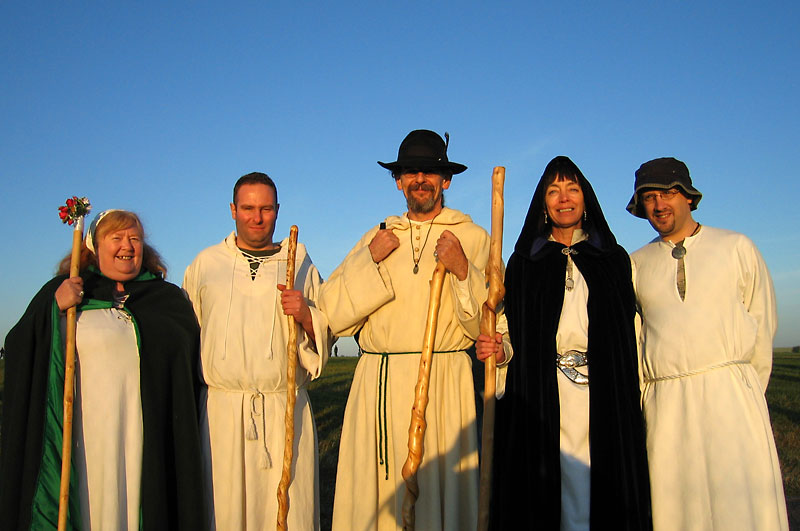
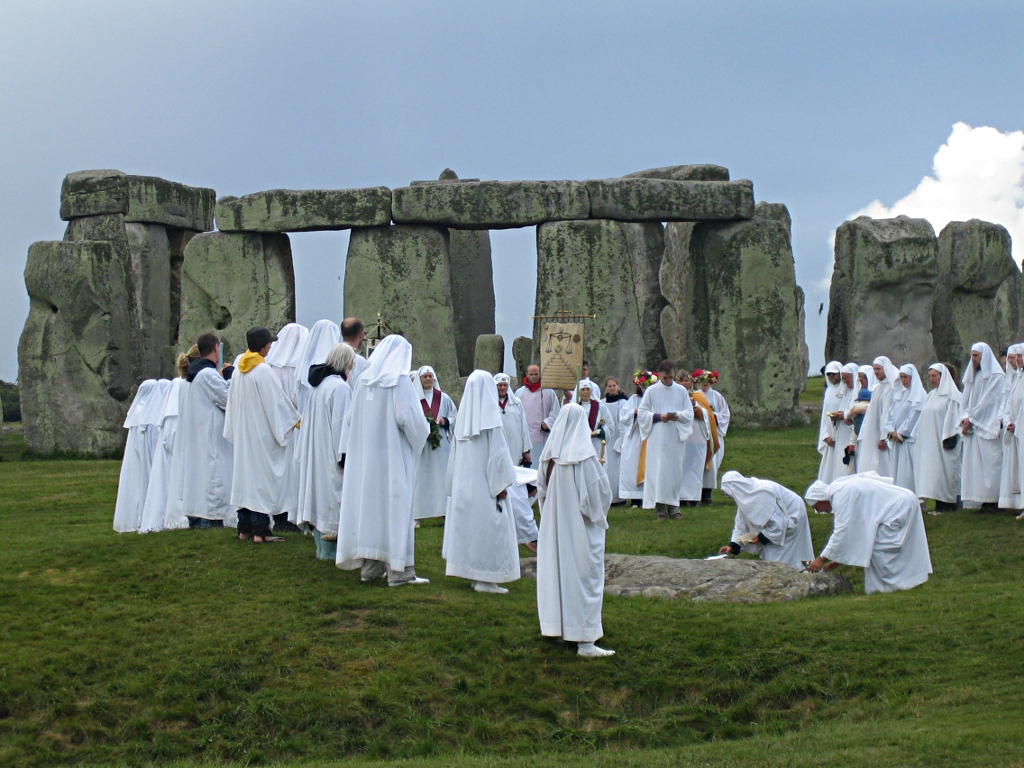
Druidry is a contemporary spiritual movement that venerates the divine essence of nature. Practitioners engage in meditation, environmental stewardship, and rituals to connect with spirits and deities.
- Emerging in 18th-century Britain during the Romantic era
- Venerates the divine essence of nature and local spirits
- Includes environmental stewardship and ecosystem restoration
- No single dogma; beliefs range from animism to polytheism
- Spread to 34 nations by 2020, mostly outside the British Isles
What it is
Druidry is a modern spiritual path that centers on the reverence of the natural world. Followers believe that nature holds a divine presence and seek to maintain respectful relationships with landscapes, plants, animals, and local spirits. The practice varies widely among individuals, but common elements include meditation, prayer, and active environmental care. While some groups focus on cultural heritage, others pursue esoteric religious goals. The movement does not have a single central authority or universal dogma, allowing for diverse theological interpretations.
Where it comes from
The movement emerged in eighteenth-century Britain during the Romantic period. Early practitioners looked back at ancient Celtic societies as models of spiritual wisdom and harmony with nature. They created new organizations based on fraternal structures like Freemasonry. A key figure, Iolo Morganwg, fabricated texts claiming to be ancient Welsh traditions from the time of the Druids. These inventions helped shape the early identity of the movement, blending historical speculation with creative literary works.
How it is done
Practitioners typically engage in regular meditation and spend time in natural settings to foster a sense of connection. Rituals often involve prayer or conversation with deities and spirits. Many followers participate in environmental stewardship, such as restoring ecosystems, planting trees, or reducing consumption. Some groups use extra-sensory methods to seek guidance. Practices are structured around nature-based frameworks rather than fixed liturgical rules.
Tools and materials
The primary tools are personal discipline and engagement with the environment. Meditation serves as a core technique for inner reflection. Prayer is used to communicate with divine forces or spirits. Environmental actions, like composting or habitat restoration, act as practical expressions of faith. Symbols of nature, such as stones, plants, and seasonal changes, guide the timing and tone of rituals.
Druidry, drawn and placed
- Living
- Revived
- Fading
- Historical
- Legendary
- Performed
- Lineage
- modern paganism
- Timing
- daily practice and environmental work
What it is for
The main goal is to cultivate a deep bond with the natural world and its inhabitants. Followers seek to heal the planet through conservation efforts and personal lifestyle changes. The practice aims to provide a sense of cosmic belonging and spiritual grounding. It also serves to preserve cultural heritage and connect with ancestral spirits or deities associated with specific places.
Who does it
Membership is elective and open to anyone interested in the path. There is no formal clergy; most participants are laypeople who integrate Druidic practices into their daily lives. Groups vary in formality, from casual cultural associations to structured religious orders. Some communities distinguish between male and female roles, while others use gender-neutral terms. Leadership is often informal or shared among members.
Peoples and places
The movement originated in the British Isles, particularly among Welsh and Cornish cultural groups. It has since spread globally, with significant populations in Ireland, the United States, Australia, and France. In Ireland, some practitioners claim direct descent from ancient Druids due to the island's lack of Roman conquest. Different regions adapt the practice to local environments and cultural contexts.
At a glance: who, where and when
Who does it
Belief worlds
Occasions


What people believe
Beliefs range from animism and pantheism to polytheism and monotheism. Most Druids view the divine as immanent within nature rather than separate from it. Some worship specific deities from Celtic mythology, while others focus on generic spirit forces. Theological views evolve as individuals grow in their practice. Many combine Druidry with other faiths, such as Christianity or Buddhism, creating hybrid spiritual identities.
When it is done
Rituals often align with seasonal changes and natural cycles. Key times include solstices and equinoxes, though specific dates vary by group. Daily practices involve regular contact with nature. Some groups observe festivals tied to Celtic traditions or local landmarks. The calendar is flexible, emphasizing personal connection over rigid scheduling.
How scholars and sceptics see it
Academics describe Druidry as a new religious movement or nature religion. Scholars note its roots in Romanticism and its reliance on reconstructed or invented traditions. Researchers highlight the diversity of beliefs among practitioners, from pagan reconstructionists to eclectic spiritual seekers. Studies also examine the movement's emphasis on environmental ethics and its role in modern cultural identity.
Cautions and what is closed
The movement generally promotes non-violence and environmental protection. However, internal debates exist regarding historical accuracy and cultural appropriation. Some groups distance themselves from pagan labels to avoid stigma. Outsiders may misunderstand the practice due to its varied and decentralized nature. Privacy is valued, with many practitioners keeping their beliefs personal.
Compare and confuse
Druidry is often compared to other nature religions and pagan paths. It shares similarities with Celtic Reconstructionist Paganism but differs in its reliance on romanticized history. Unlike Wicca, it lacks a standardized ritual structure. The movement is distinct from ancient Druidism, which was a priestly class in Iron Age Europe. Modern Druidry is a reinterpretation rather than a direct continuation.
Questions people ask about Druidry
What is Druidry?
It is a modern spiritual movement that reveres nature and seeks to connect with the divine through the natural world. Practitioners engage in meditation, prayer, and environmental care to foster a sense of cosmic belonging.
Where did Druidry originate?
It began in eighteenth-century Britain as part of the Romantic movement. Early followers were inspired by legends of ancient Celtic priests and created new fraternal organizations to explore these themes.
Do Druids follow a strict set of rules?
No, there is no central authority or universal dogma. Beliefs vary widely, with some practicing animism, others polytheism, and some combining Druidry with other faiths like Christianity or Buddhism.
Is Druidry related to ancient Druids?
Modern Druidry is not a direct continuation of ancient practices. It is a reconstruction inspired by Romantic ideals and limited historical knowledge, though some practitioners claim a spiritual link to the past.
Good reading and sources
- Druidry (modern) on WikipediaEncyclopedia
- More photos on Wikimedia CommonsPhotos and video
- Wikidata recordOpen data
The facts on this page come from the Wikipedia article "Druidry (modern)", written by its contributors and used under the CC BY-SA 4.0 licence, and from its Wikidata record (CC0). EveryJaadu rewrote the text in its own words, with AI assistance, and compares every page with the article to make sure no passage is copied. It may be reused under the same CC BY-SA 4.0 licence with a link back.
It may contain mistakes. Names and customs differ from one community to the next, and some knowledge is closed to outsiders and left out here. This page describes belief and practice. It does not say that any of it works, it is not a how-to, and it is not medical advice. If something is wrong, tell us. Last refreshed 2026-10-06.
More from the United Kingdom
All the entries from the United Kingdom 🇬🇧 United KingdomEnochian magic
A Renaissance system of ceremonial magic based on angelic revelations recorded by John Dee and Edward Kelley.Tradition · Speaking with spirits and the dead · Power and authority Living
🇬🇧 United KingdomEnochian magic
A Renaissance system of ceremonial magic based on angelic revelations recorded by John Dee and Edward Kelley.Tradition · Speaking with spirits and the dead · Power and authority Living
 🇫🇷 France and 2 moreÉliphas Lévi
A French writer who shaped modern occult thought and ceremonial magic.Text · Power and authority · Speaking with spirits and the dead Historical
🇫🇷 France and 2 moreÉliphas Lévi
A French writer who shaped modern occult thought and ceremonial magic.Text · Power and authority · Speaking with spirits and the dead Historical
 🇬🇧 United Kingdom and 5 moreAleister Crowley
English occultist and founder of the religion of ThelemaText · Power and authority · Change and initiation Living
🇬🇧 United Kingdom and 5 moreAleister Crowley
English occultist and founder of the religion of ThelemaText · Power and authority · Change and initiation Living
 🇬🇧 United Kingdom and 4 moreCorn dolly
A woven straw figure made from the last sheaf of a European harvest to house the crop spirit.Tradition · Protection · Speaking with spirits and the dead Revived
🇬🇧 United Kingdom and 4 moreCorn dolly
A woven straw figure made from the last sheaf of a European harvest to house the crop spirit.Tradition · Protection · Speaking with spirits and the dead Revived
Related elsewhere
All tradition 🇮🇳 India and 2 moreHomaहोम
A fire ritual found across Asian religions where offerings are burned as a votive exchange with the divine.Rite · Protection · Speaking with spirits and the dead Living
🇮🇳 India and 2 moreHomaहोम
A fire ritual found across Asian religions where offerings are burned as a votive exchange with the divine.Rite · Protection · Speaking with spirits and the dead Living
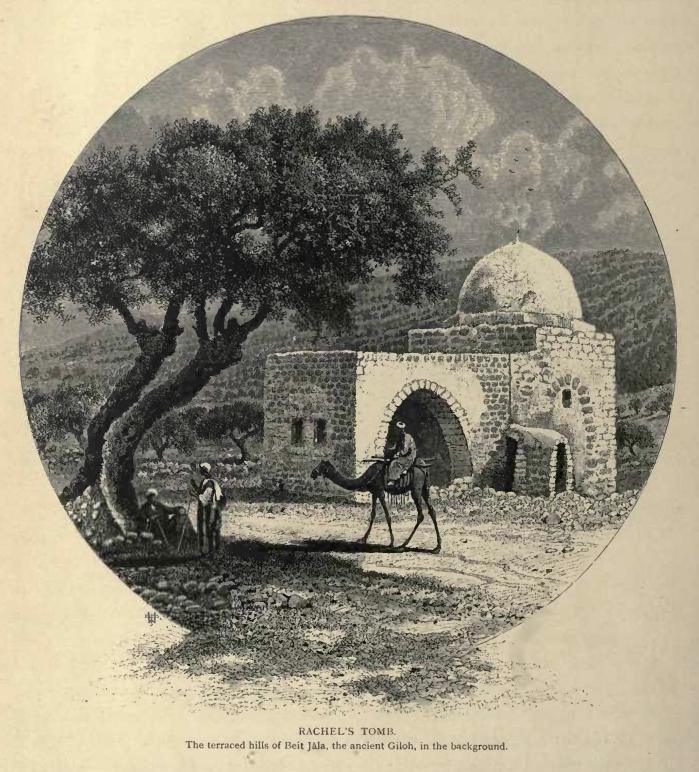 🇵🇸 Palestine and 1 moreRachel's TombQever Raḥel; Qabr Rāḥīl
A shared holy site near Bethlehem revered by Jews, Christians, and MuslimsTradition · Speaking with spirits and the dead · Protection Living
🇨🇳 China and 4 moreKitchen God灶君
The Chinese hearth deity who reports domestic conduct to the Jade EmperorBeing · Protection · Luck and prosperity Living
🇵🇸 Palestine and 1 moreRachel's TombQever Raḥel; Qabr Rāḥīl
A shared holy site near Bethlehem revered by Jews, Christians, and MuslimsTradition · Speaking with spirits and the dead · Protection Living
🇨🇳 China and 4 moreKitchen God灶君
The Chinese hearth deity who reports domestic conduct to the Jade EmperorBeing · Protection · Luck and prosperity Living