Luck and prosperity
Charms for fortune, success, a good harvest and a safe journey.
Luck magic aims at fortune, success, wealth and a safe passage. People keep lucky charms, perform money rites, pour offerings to a god of wealth, and avoid unlucky days. Examples include the Chinese lucky cat and the red packet, the Japanese daruma doll, the Indian worship of Lakshmi at Diwali, the European four-leaf clover and horseshoe, and the Hoodoo mojo bag. This page looks at what luck means and who profits from it.
Ideas of luck
Cultures differ on what luck is. In China, fortune is tied to fate, timing and the placement of objects, giving rise to feng shui and the choice of lucky numbers. In West Africa, success is linked to a person's destiny and the help of the orisha or ancestors. In Europe, luck came to be seen as chance, with charms to tilt it. Many societies see wealth as shared and fear that good fortune attracts envy. Merchants, farmers, gamblers and students are the usual customers, and the amounts asked of them range from a coin to a lifetime of savings.
Customs
Customs are domestic and mostly small. Merchants in Taiwan and China burn paper offerings and put out fruit at the start of the month. Fishers and sailors keep charms and avoid certain words. Gamblers, students and athletes have habits they will not break. Many rites involve giving something away, since reciprocity is thought to keep fortune moving. Lucky days are often chosen by calendar or astrologer, so that a shop opens, a wedding is held or a journey begins on a favourable date.
Schemes and scams
Luck is easy to sell. Lottery charms, gemstone bracelets and sellers who promise riches for a fee make money from hope. Fraud involving fake spiritualists who say a client's money is cursed and must be handed over is documented in many countries. Playing games of chance with charms may feel harmless, but anyone struggling with gambling should seek real help. Some wealth rites are public and religious, as with Diwali lamps for Lakshmi and the Lunar New Year offerings to the god of wealth, and some are private and quiet.
Scholars and sceptics
Psychologists have found that carrying a lucky charm can raise confidence and performance in some tasks, without changing the odds of chance. Economists study the role of luck in success. Religious authorities differ: some see lucky objects as idolatry, others as harmless custom, and prosperity churches around the world teach a faith-based version of the same hope. Those who struggle with debt or gambling harm should look for practical advice, since a charm does not change the odds or pay the bills.
Luck and prosperity on EveryJaadu
The entries written up so far, best known first.
 🇮🇶 Iraq and 4 moreAstrology
A system of divination that links human affairs to the positions of celestial bodiesTradition · Seeing and foretelling · Luck and prosperity Living
 🇨🇳 China and 5 moreHorseshoe
A curved plate fixed to a horse's hoof for protection, also kept as a charm for fortune.Charm · Protection · Luck and prosperity Living
 🇫🇷 FranceHoly GrailSaint Graal
A cup or stone from Arthurian legend with miraculous powersFigure · Healing · Luck and prosperity Legendary
 🇮🇳 India and 3 morePalmistry
A divination practice that reads the lines and shapes of the hand to predict fate or characterOracle · Seeing and foretelling · Luck and prosperity Living
 🇪🇬 Egypt and 5 moreAmulet
A portable object worn or carried to ward off harm and invite fortuneCharm · Protection · Luck and prosperity Living
 🇨🇳 China and 1 moreLoong龍
A water deity and imperial symbol in Chinese culture, depicted as a coiled serpent with four legs.Being · Protection · Luck and prosperity Historical
🇿🇦 South AfricaMamlambo
A South African river spirit linked to wealth and reported cryptid sightingsBeing · Luck and prosperity · Cursing and harm Legendary
 🇭🇹 Haiti and 1 moreEzili DantorÈzili Dantò
A fierce mother spirit in Haitian Vodou who protects the marginalized and demands loyalty.Being · Protection · Cursing and harm Living
 🇳🇬 Nigeria and 3 moreYemọjaYemoja
A mother spirit of rivers and oceans worshipped across Yoruba and diaspora traditionsBeing · Protection · Healing Living
 🇯🇲 Jamaica and 5 moreObeah
A Caribbean tradition of ritual healing and spell-casting with African rootsTradition · Protection · Healing Living
 🇬🇷 Greece and 1 moreHydromancy
Divination using water to reveal the future or judge legitimacy.Oracle · Seeing and foretelling · Luck and prosperity Historical
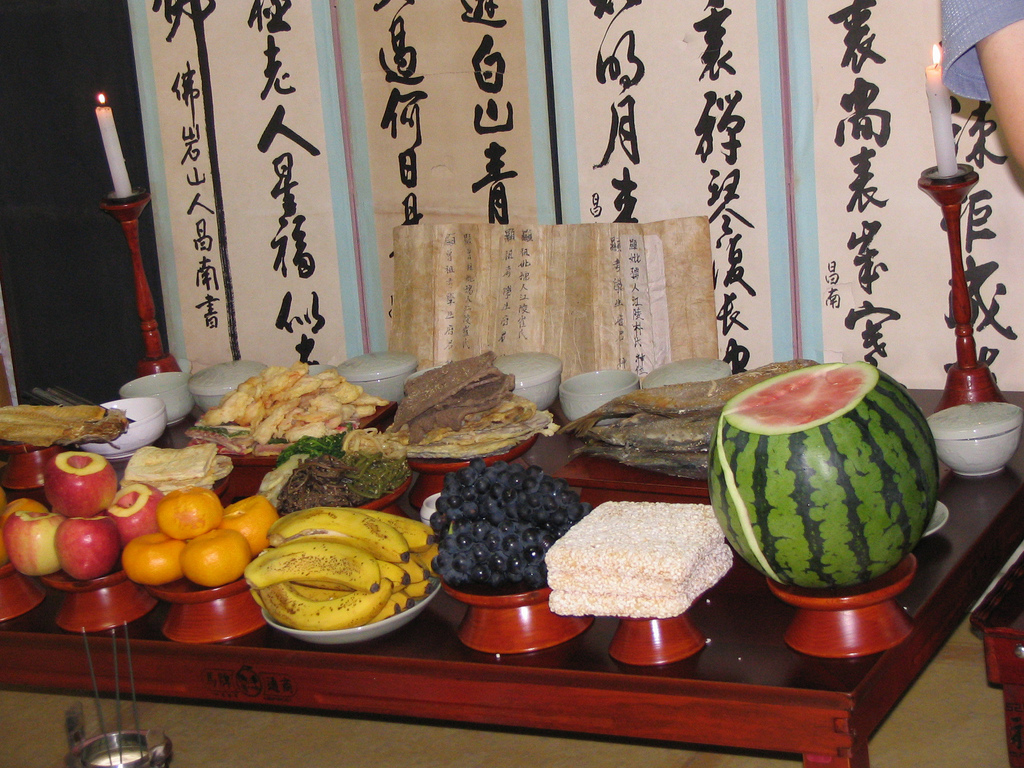 🇰🇷 South KoreaJesa제사
A Korean ancestral memorial rite involving food offerings and ritual bowsRite · Speaking with spirits and the dead · Luck and prosperity Living
 🇮🇳 IndiaPanjurli
A divine wild boar spirit of Tulu Nadu, honoured as guardian of fields and forestsBeing · Protection · Luck and prosperity Living
 🇯🇵 Japan and 2 moreTanabataたなばた (七夕)
A Japanese celebration of star-crossed lovers and written wishesTradition · Luck and prosperity · Wonder and entertainment Living
🇬🇭 Ghana and 1 moreAkan religionAkom
Traditional beliefs of the Akan people, centered on a distant creator and nature spirits.Tradition · Protection · Healing Living
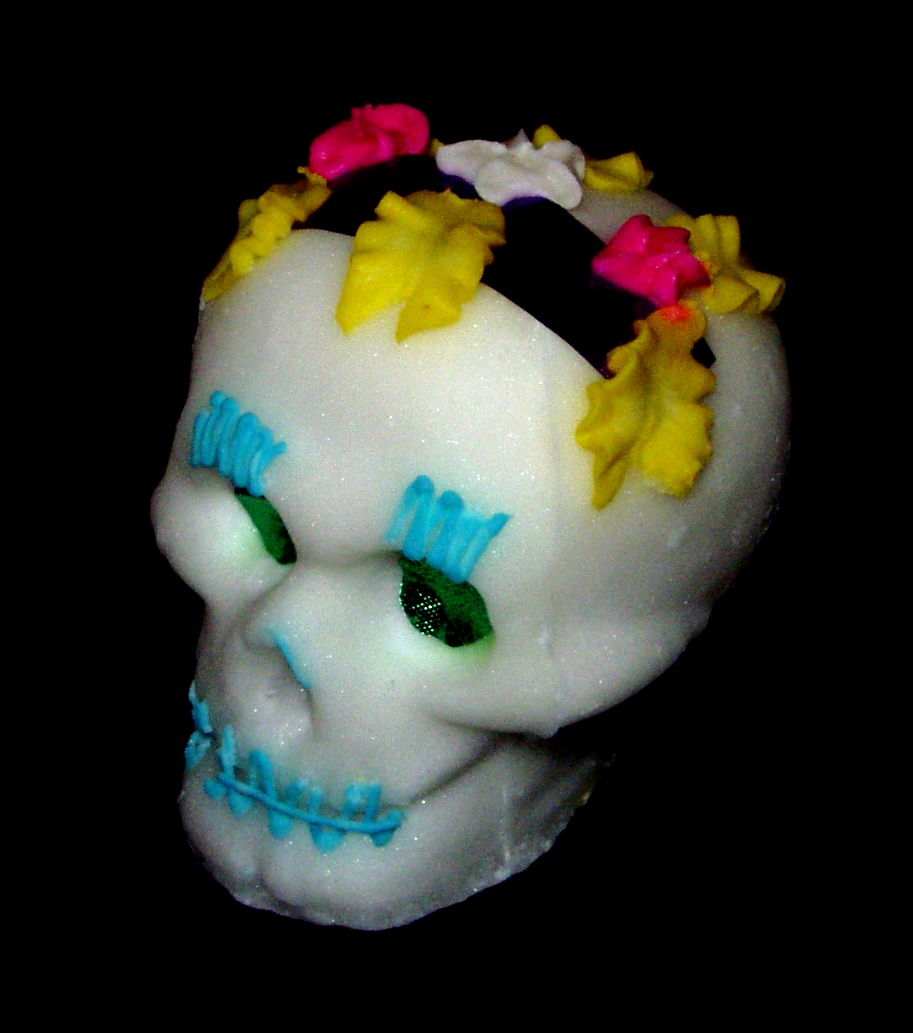 🇲🇽 MexicoCalavera
A sugar or clay skull used in Mexican Day of the Dead celebrations.Charm · Speaking with spirits and the dead · Luck and prosperity Living
 🇬🇧 United Kingdom and 2 moreSoul cake
A spiced cake given to soulers during Allhallowtide to remember the dead.Tradition · Speaking with spirits and the dead · Luck and prosperity Living
 🇸🇪 Sweden and 3 moreSilver bullet
A projectile of silver said to pierce supernatural armor, and a metaphor for a simple fix.Charm · Cursing and harm · Luck and prosperity Historical
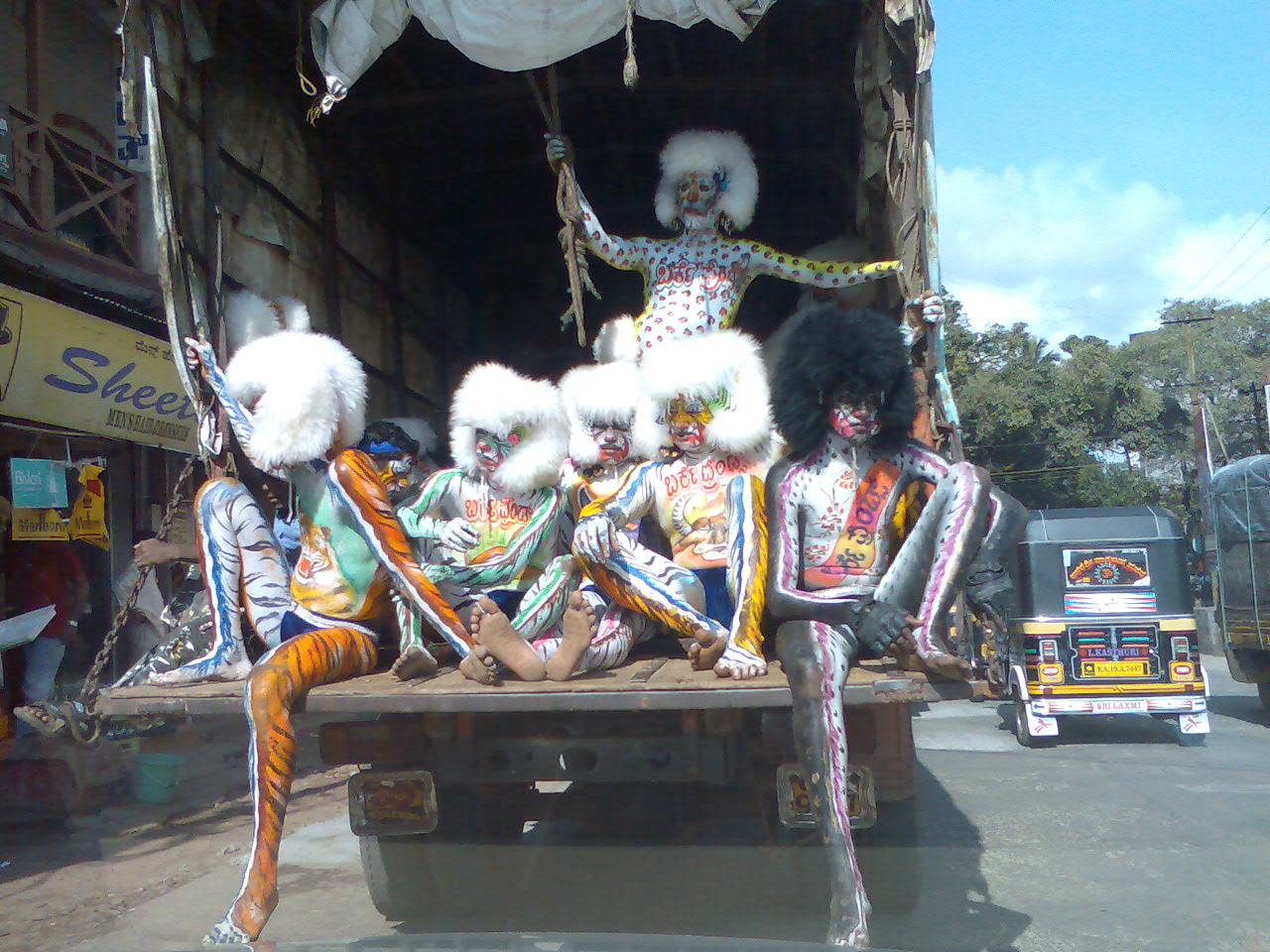 🇮🇳 IndiaPili Yesaಪಿಲಿವೇಷ
A coastal Karnataka folk dance where performers paint themselves as tigers to honour the Goddess DurgaIllusion · Speaking with spirits and the dead · Luck and prosperity Living
 🇮🇪 Ireland and 3 moreChangeling
A substitute left by supernatural beings in place of a stolen human child or adultBeing · Cursing and harm · Luck and prosperity Legendary
 🇸🇪 Sweden and 2 moreDísdísir
Female spirits of fate and protection in Norse traditionBeing · Protection · Luck and prosperity Historical
 🇬🇷 Greece and 5 moreVotive offering
Objects left in sacred places to honor a deity or fulfill a vow, never to be recovered.Tradition · Protection · Healing Living
 🇮🇳 India and 1 moreLakshmiलक्ष्मी
A Hindu goddess of wealth, beauty, and good fortune, often shown with lotuses and elephants.Being · Luck and prosperity · Love and attraction Living
 🇯🇵 JapanDaruma doll達磨
A round Japanese talisman that rights itself when knocked overCharm · Luck and prosperity · Power and authority Living
 🇮🇪 Ireland and 4 moreWinter solstice
The shortest day and longest night of the year, marked by rites of solar returnTradition · Seeing and foretelling · Protection Living
 🇷🇺 Russia and 4 moreRusalkaрусалка
A water spirit of Slavic folklore, often linked to drowned women and seasonal ritesBeing · Cursing and harm · Luck and prosperity Legendary
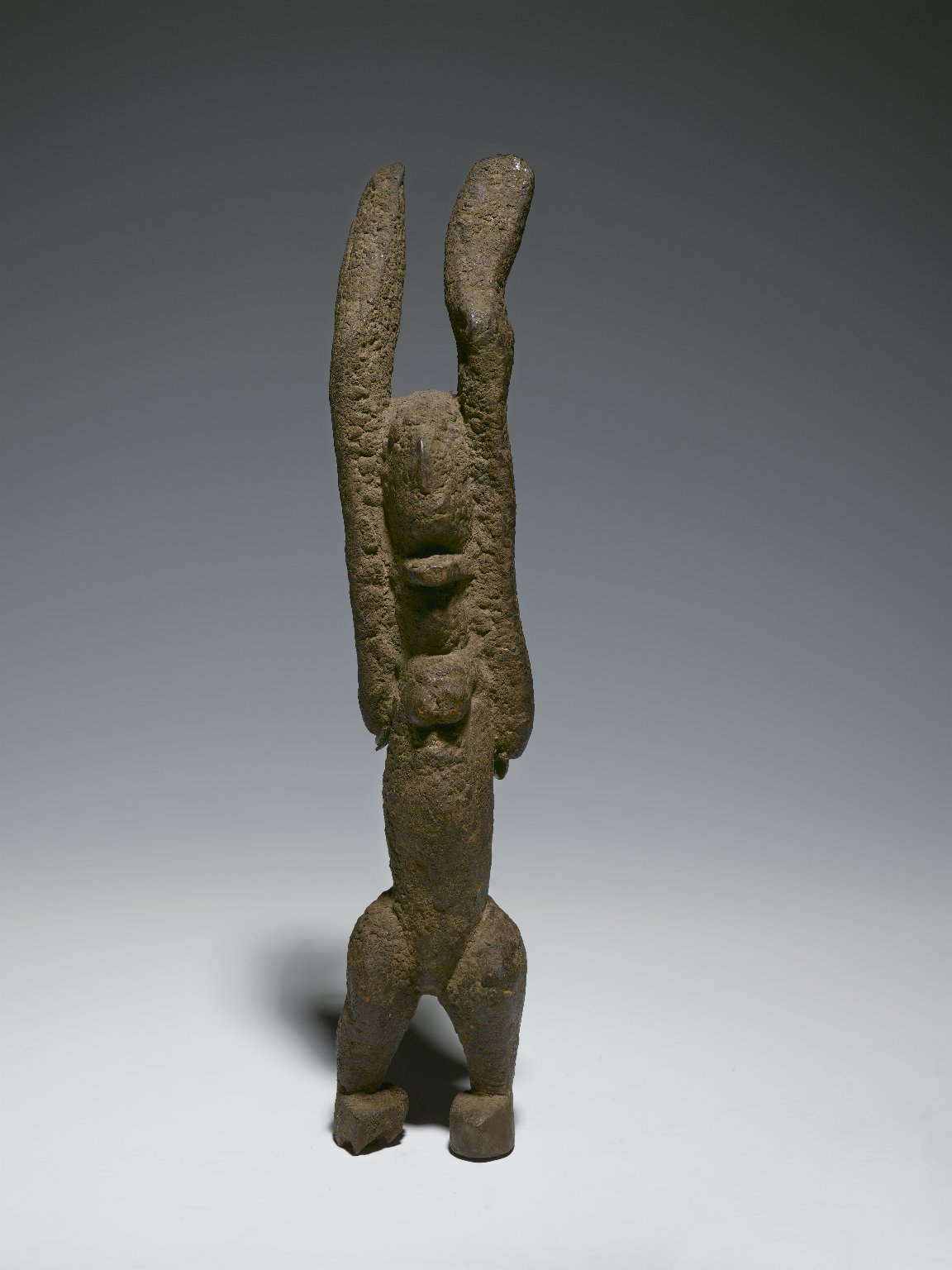 🇲🇱 MaliDogon religion
The traditional spiritual beliefs of the Dogon people of MaliTradition · Protection · Speaking with spirits and the dead Living
 🇨🇳 China and 5 moreFeng shui風水
A Chinese geomantic practice for aligning structures with cosmic energyTradition · Protection · Luck and prosperity Living
 🇧🇴 BoliviaThe Witches' MarketMercado de las Brujas
A La Paz market where Aymara women and yatiri sell ritual items for Pachamama offeringsTradition · Luck and prosperity · Protection Living
 🇯🇵 Japan and 1 moreAinu religion
The animist spiritual beliefs and ritual practices of the Ainu people of Japan and RussiaTradition · Protection · Speaking with spirits and the dead Living
🇵🇪 Peru and 1 moreSupay
An Andean spirit of the underworld who balances life and death forcesBeing · Cursing and harm · Protection Historical
 🇮🇳 India and 3 moreYakshiniयक्षिणी
Some guard, some haunt: female nature spirits of Hindu, Buddhist and Jain loreBeing · Protection · Luck and prosperity Living
 🇮🇳 India and 5 moreBindibindú
A dot worn on the forehead to mark spiritual focus and marital status in South Asia.Charm · Protection · Power and authority Living
 🇬🇧 United Kingdom and 4 moreCorn dolly
A straw figure made from the last sheaf of a harvest to house the crop spiritTradition · Protection · Luck and prosperity Revived
 🇬🇧 United Kingdom and 7 moreSaint Andrew's Day
A Christian feast day marked by national holidays in Scotland and Romania, and folk divination across Europe.Rite · Seeing and foretelling · Luck and prosperity Living
 🇲🇽 Mexico and 5 moreDay of the DeadDía de los Muertos
A Mexican holiday honoring the dead with altars, food, and humor during Allhallowtide.Tradition · Speaking with spirits and the dead · Luck and prosperity Living
 🇬🇧 United Kingdom and 3 moreJack
A trickster hero from English folklore who outwits giants and oppressorsFigure · Cursing and harm · Luck and prosperity Living
 🇮🇸 Iceland and 1 moreNornsnornir
Fate-weaving figures from Norse myth who shape human destiny and tend the world tree.Being · Cursing and harm · Luck and prosperity Historical
 🇩🇪 Germany and 5 moreMaypoleMaibaum
A tall wooden pole raised for European spring festivals, accompanied by dance and celebration.Tradition · Luck and prosperity · Love and attraction Living
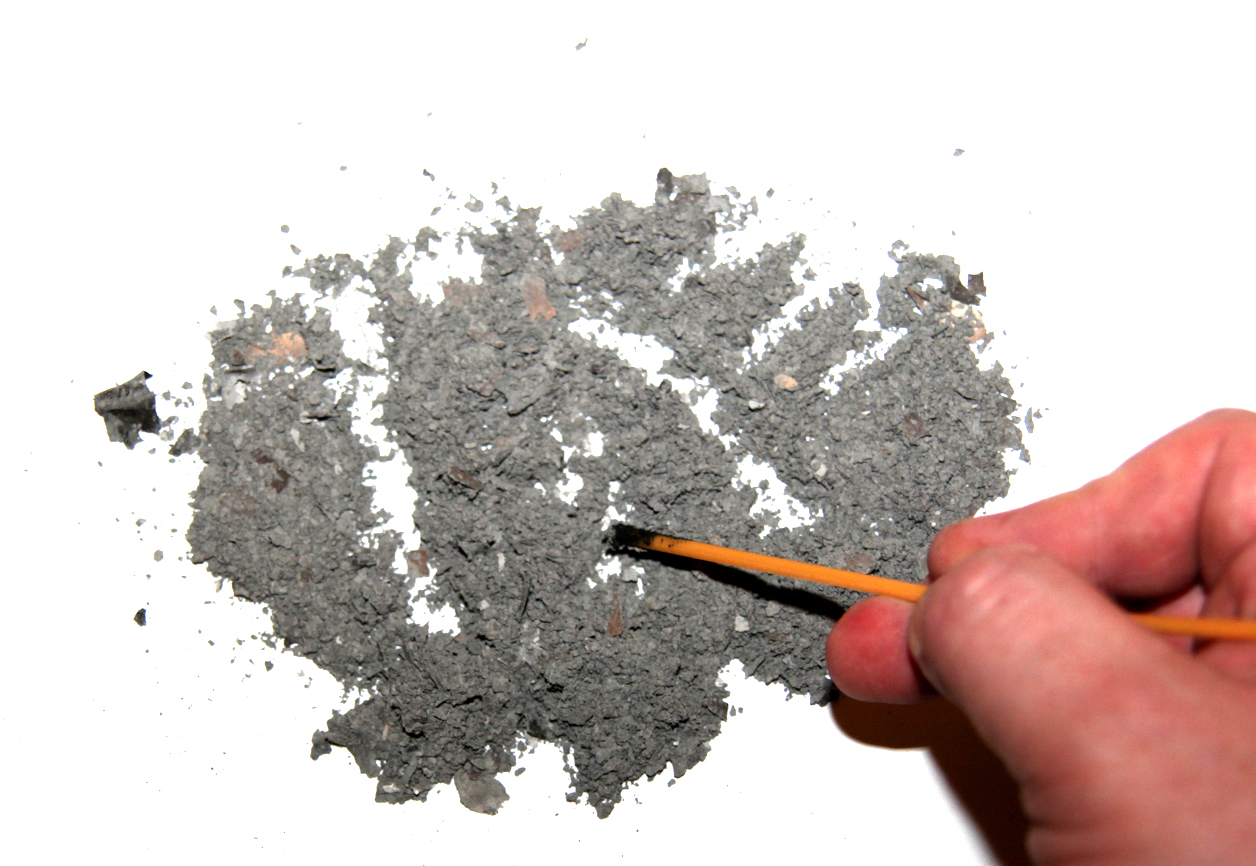 🇬🇷 Greece and 5 moreSpodomancy
Divination by reading omens in ashes, soot, and cindersOracle · Seeing and foretelling · Healing Living
 🇬🇷 Greece and 5 moreCrossroads (folklore)
A junction between worlds where spirits are met and deals are madeBelief · Speaking with spirits and the dead · Cursing and harm Living
 🇵🇪 Peru and 2 moreInca religion
The polytheistic beliefs and rites of the Inca Empire across the AndesTradition · Protection · Luck and prosperity Historical
 🇮🇪 Ireland and 1 moreBrigid's crossCros Bhríde
A woven straw charm hung for protection, named after Ireland's patron saintCharm · Protection · Luck and prosperity Living
 🇬🇹 Guatemala and 1 moreTzolkʼinAj Ilabal Qʼij
A 260-day cycle used by the Maya for divination and ritual timingTradition · Seeing and foretelling · Luck and prosperity Living
 🇳🇬 NigeriaOsun-Osogbo Sacred GroveOsun-Osogbo
A sacred forest in Nigeria dedicated to the river goddess Osun, celebrated with an annual festival.Tradition · Speaking with spirits and the dead · Protection Living
 🇯🇵 Japan and 3 moreObonお盆
A Japanese Buddhist festival honoring the spirits of ancestors through dance and offeringsTradition · Speaking with spirits and the dead · Luck and prosperity Living
 🇨🇳 China and 5 moreSky lantern天燈
A paper hot air balloon lifted by flame to carry wishes and blessingsRite · Luck and prosperity · Protection Living
 🇯🇵 Japan and 3 moreManeki-neko招き猫
A Japanese figurine of a beckoning cat believed to bring luck and prosperityCharm · Luck and prosperity · Protection Living
Photo credits on this page
The small pictures above come from Wikimedia Commons under free licences. Some are cropped to fit.
- Ezili Dantor: Oficinalis, CC BY-SA 4.0, source
- Yemọja: Samuel Tobbytex007, CC BY-SA 4.0, source
- Obeah: Various, published by David Nutt, Public domain, source
- Loong: Unknown author, CC0, source
- Hydromancy: Roger McLassus, CC BY-SA 3.0, source
- Jesa: by Joseph Steinberg (Baltimoron in Korea) at Flickr, CC BY-SA 2.0, source
- Panjurli: Uajith, CC BY-SA 3.0, source
- Tanabata: Laika ac, CC BY-SA 2.0, source
- Calavera: Unknown author, CC BY-SA 3.0, source
- Soul cake: Samantha, CC BY 2.0, source
- Silver bullet: Smithsonian Institution, CC0, source
- Pili Yesa: Premnath Kudva, CC BY 3.0, source
- Changeling: Henry Fuseli, Public domain, source
- Dís: Emil Doepler, Public domain, source
- Votive offering: Walter J. Pilsak, Waldsassen ( W.J.Pilsak at de.wikipedia ), CC BY-SA 3.0, source
- Lakshmi: Raja Ravi Varma, Public domain, source
- Daruma doll: Crisco 1492, Public domain, source
- Winter solstice: Image by Przemyslaw " Blueshade " Idzkiewicz, CC BY-SA 2.0, source
- Rusalka: Andrey Shishkin, CC BY 3.0, source
- Dogon religion: Unknown author, CC BY 3.0, source
- Feng shui: Unknown author, Public domain, source
- Holy Grail: Photographed by the National Library of Wales, CC0, source
- The Witches' Market: Dan Lundberg, CC BY-SA 2.0, source
- Ainu religion: Unknown author, Public domain, source
- Yakshini: Brihaspati, CC BY-SA 4.0, source
- Bindi: Vinay Sahay, CC BY-SA 4.0, source
- Corn dolly: Renata ( talk ), Public domain, source
- Saint Andrew's Day: Henryk Siemiradzki, Public domain, source
- Day of the Dead: RubeHM, CC BY-SA 4.0, source
- Jack: Internet Archive Book Images, No restrictions, source
- Norns: file: James Steakley ; artwork: Gustav Heidenreich, Public domain, source
- Maypole: Uploaded by Mikael Häggström, CC0, source
- Spodomancy: Tim1965, CC BY-SA 3.0, source
- Crossroads (folklore): MiddleOfAfrica, CC BY-SA 4.0, source
- Inca religion: Chronicler Martín of Murúa (Cronista Martín de Murúa), Public domain, source
- Brigid's cross: Culnacreann, CC BY 3.0, source
- Tzolkʼin: Lacambalam, CC BY-SA 4.0, source
- Osun-Osogbo Sacred Grove: Cheeka 2.0, CC BY-SA 4.0, source
- Obon: Batholith, Public domain, source
- Sky lantern: Richy, CC BY-SA 3.0, source
- Maneki-neko: Su--May, CC BY 2.0, source
- Astrology: Wilfredor, CC0, source
- Palmistry: Pietro della Vecchia, Public domain, source
- Amulet: Anonymous ( Egypt ) Unknown author, Public domain, source
- Horseshoe: Cgoodwin, CC BY-SA 3.0, source