
Chinese dragon
In its own language: 龍
from the character long or loong
A legendary water deity and imperial symbol in East Asian culture
The Chinese dragon is a mythical creature central to the mythology and folklore of China. It represents auspicious power, weather control, and imperial authority rather than evil.
- The dragon has nine animal resemblances including deer antlers and eagle claws
- Emperors wore dragon robes to symbolize their supreme authority
- Five-clawed dragons were reserved strictly for the ruler
- Fossil bones were historically called dragon bones and used in medicine
- The dragon controls rain, rivers, and weather phenomena
What it is
The Chinese dragon is a legendary figure found in the myths and folklore of China. It is often depicted as a snake-like creature with four legs, though it can take forms resembling turtles or fish. Unlike Western dragons, this being is not inherently evil. Instead, it stands for good fortune, strength, and harmony. People view it as a spiritual force that governs rain and rivers. The creature combines features from many animals, such as deer antlers and eagle claws. It is a positive symbol in East Asian culture.
Where it comes from
Scholars suggest four main theories for where the dragon idea came from. These include ancient snakes, Chinese alligators, worship of thunder, and general nature reverence. Archaeological finds show dragon motifs on stone from the Xinglongwa culture around six thousand years ago. Jade carvings from the Hongshan culture also show coiled dragon shapes. Ancient people called fossil bones 'dragon bones' and used them in medicine. The image likely grew from these early natural observations and totems.
How it is done
There is no single ritual method for the dragon itself, but people performed rites to honor it. In villages near water, locals built temples for local Dragon Kings. During dry spells or floods, officials led communities in sacrifices. These acts aimed to calm the dragon and ask for rain or stop storms. The rituals were public events led by the gentry. They reflected a belief that the dragon controlled the weather and needed appeasement.
Tools and materials
Artists and craftsmen used specific items to represent the dragon. Jade badges marked rank and status. A flaming pearl often appears under the dragon's chin or in its claws. This pearl stands for wisdom, prosperity, and spiritual energy. Fossil bones were gathered and stored as relics. Carvers placed dragon motifs on palace stairs and imperial robes. These objects served as symbols of power and connection to the divine.
Chinese dragon, drawn and placed
- Living
- Revived
- Fading
- Historical
- Legendary
- Performed
- Lineage
- Chinese mythology
- Timing
- during droughts or flooding
What it is for
The dragon serves as a symbol of imperial authority and national identity. Emperors wore dragon robes to show their supreme power. The five-clawed version was reserved strictly for the ruler. People also use the term 'Descendants of the Dragon' to express ethnic pride. In tattoos, the image represents strength and fierce spirit. It is believed that only those strong enough can wear the symbol without losing their luck.
Who does it
Emperors and high officials were the primary users of dragon imagery. The dragon was tied to the throne and royal lineage. Scholars study the historical evolution of the symbol. Folk healers once used fossil bones labeled as dragon remains. Modern artists and tattoo enthusiasts adopt the design for personal meaning. The creature itself is not practiced by anyone; it is an object of veneration.
Peoples and places
The dragon is most prominent in Chinese culture. It appears in Vietnamese history on imperial standards and flags. Japanese and Mongolian traditions also feature dragon-like figures. In Mongolia, the wolf serves as a similar ancestral symbol. The image spread through trade routes and cultural exchange. Different regions adapted the dragon to fit their own local beliefs and histories.
At a glance: who, where and when
Who does it
Peoples
Belief worlds


What people believe
Believers hold that the dragon controls water and weather. It is seen as a dispenser of rain and a guardian of rivers. Some texts describe the dragon as having nine animal resemblances. It possesses supernatural powers, like changing size or hiding in clouds. Buddhists later added ideas of malevolent dragons causing floods. The creature balances yin and yang energies through its scales.
When it is done
Rites were often timed with agricultural needs. Communities prayed during droughts or after heavy rains. The timing depended on local weather patterns rather than fixed dates. The focus was on responding to environmental crises and seeking harmony with nature.
How scholars and sceptics see it
Academics analyze the dragon through history and archaeology. They point to fossil discoveries and jade artifacts as evidence of early worship. Researchers note the difference between Chinese and European dragon myths. Some suggest Greek influences reached China via the Silk Road. Scholars also study how the symbol shifted from a nature spirit to an imperial emblem over centuries.
Cautions and what is closed
Depicting a dragon facing downward is considered bad luck. It is seen as disrespectful because the creature cannot ascend to the sky. Tattoos require the wearer to be strong and fierce. Weak individuals might have their luck consumed by the spirit.
Compare and confuse
The Chinese dragon differs sharply from European dragons. Western dragons breathe fire and are often villains. The Chinese version brings rain and represents good fortune. It is closer to a benevolent deity than a monster. Other Asian cultures have similar water spirits, but the Chinese dragon is unique in its imperial association and composite animal features.
Questions people ask about Chinese dragon
What is the Chinese dragon?
It is a legendary creature in Chinese mythology. It is depicted as a snake-like being with four legs. It symbolizes good fortune, power, and weather control rather than evil.
Where does the dragon come from?
It originates in ancient Chinese culture. Theories link it to snakes, alligators, and thunder worship. Archaeological finds date back thousands of years to jade carvings and stone motifs.
How is it different from Western dragons?
Western dragons are often fire-breathing villains. The Chinese dragon is a benevolent spirit. It brings rain and represents imperial authority and harmony rather than destruction.
Who uses the dragon symbol today?
It is used in cultural expressions and tattoos. People call themselves Descendants of the Dragon. It remains a powerful national and ethnic identifier in East Asia.
Good reading and sources
- Encyclopaedia BritannicaArticle
- Dragon Boat festivalUNESCO, Heritage listing
- BBC NEWS | Asia-PacificBBC, Article
- Chinese dragon on WikipediaEncyclopedia
- More photos on Wikimedia CommonsPhotos and video
- Wikidata recordOpen data
The facts on this page come from the Wikipedia article "Chinese dragon", written by its contributors and used under the CC BY-SA 4.0 licence, and from its Wikidata record (CC0). EveryJaadu rewrote the text in its own words, with AI assistance, and compares every page with the article to make sure no passage is copied. It may be reused under the same CC BY-SA 4.0 licence with a link back.
It may contain mistakes. Names and customs differ from one community to the next, and some knowledge is closed to outsiders and left out here. This page describes belief and practice. It does not say that any of it works, it is not a how-to, and it is not medical advice. If something is wrong, tell us. Last refreshed 2026-10-05.
More from China
All the entries from China 🇨🇳 ChinaLan Caihe藍采和
An ambiguous Taoist immortal known for a flower basket and wandering songsBeing · Wonder and entertainment Legendary
🇨🇳 ChinaLan Caihe藍采和
An ambiguous Taoist immortal known for a flower basket and wandering songsBeing · Wonder and entertainment Legendary
 🇨🇳 China and 2 moreEight Immortals八仙
Eight legendary Taoist figures of China, each with a power and a vesselFigure · Protection · Healing Living
🇨🇳 China and 2 moreEight Immortals八仙
Eight legendary Taoist figures of China, each with a power and a vesselFigure · Protection · Healing Living
 🇨🇳 China and 2 moreXiezhi獬豸
A one-horned beast from East Asia that separates the guilty from the innocentBeing · Cursing and harm · Protection Legendary
🇨🇳 China and 2 moreXiezhi獬豸
A one-horned beast from East Asia that separates the guilty from the innocentBeing · Cursing and harm · Protection Legendary
 🇨🇳 China and 2 moreFox spirit狐狸精
A shapeshifting creature from Chinese folklore that can take human form and live for centuries.Being · Cursing and harm · Love and attraction Legendary
🇨🇳 China and 2 moreFox spirit狐狸精
A shapeshifting creature from Chinese folklore that can take human form and live for centuries.Being · Cursing and harm · Love and attraction Legendary
Related elsewhere
All being 🇰🇭 Cambodia and 3 moreSak Yantសាក់យ័ន្ត
A Southeast Asian tattoo tradition using sacred geometry for protection and powerTradition · Protection · Luck and prosperity Living
🇰🇭 Cambodia and 3 moreSak Yantសាក់យ័ន្ត
A Southeast Asian tattoo tradition using sacred geometry for protection and powerTradition · Protection · Luck and prosperity Living
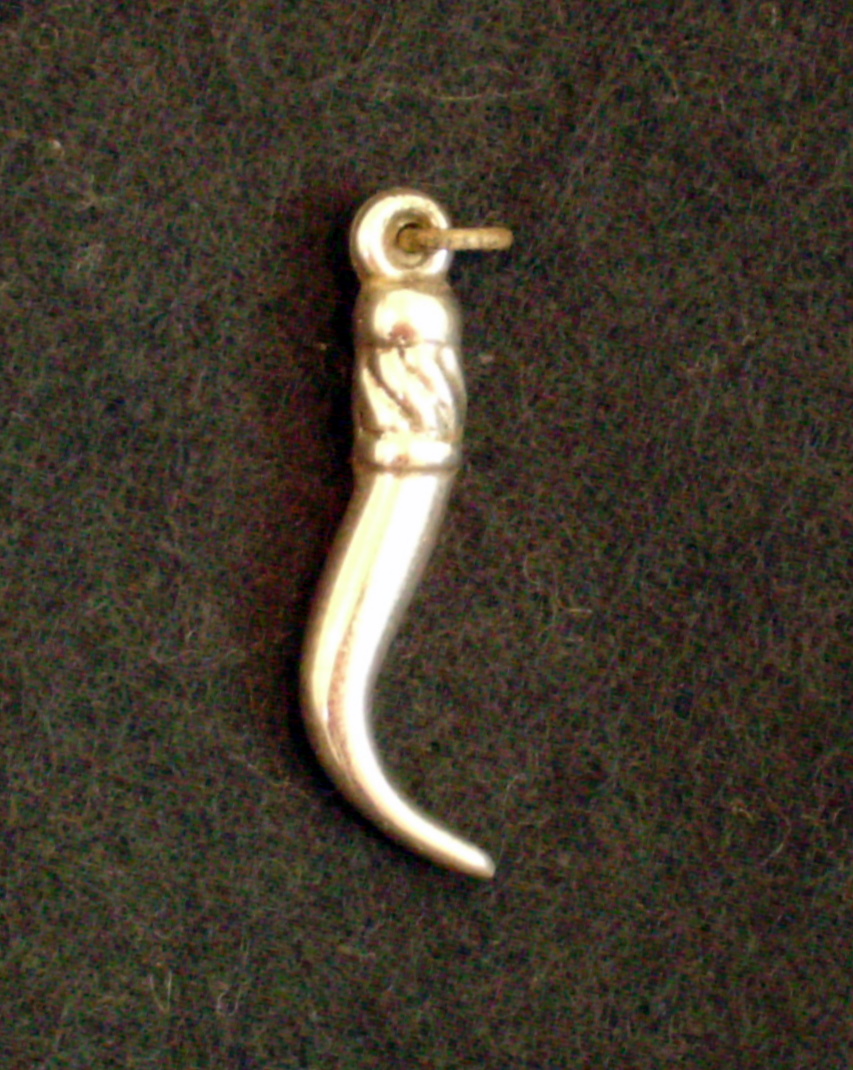 🇮🇹 ItalyCornicello
A twisted horn charm worn in Italy to ward off the evil eye and invite luck.Charm · Protection · Luck and prosperity Living
🇮🇹 ItalyCornicello
A twisted horn charm worn in Italy to ward off the evil eye and invite luck.Charm · Protection · Luck and prosperity Living
 🇫🇷 France and 5 moreYule log
A large wooden log burned in the hearth during winter festivals across Europe and North America.Tradition · Protection · Luck and prosperity Living
🇫🇷 France and 5 moreYule log
A large wooden log burned in the hearth during winter festivals across Europe and North America.Tradition · Protection · Luck and prosperity Living
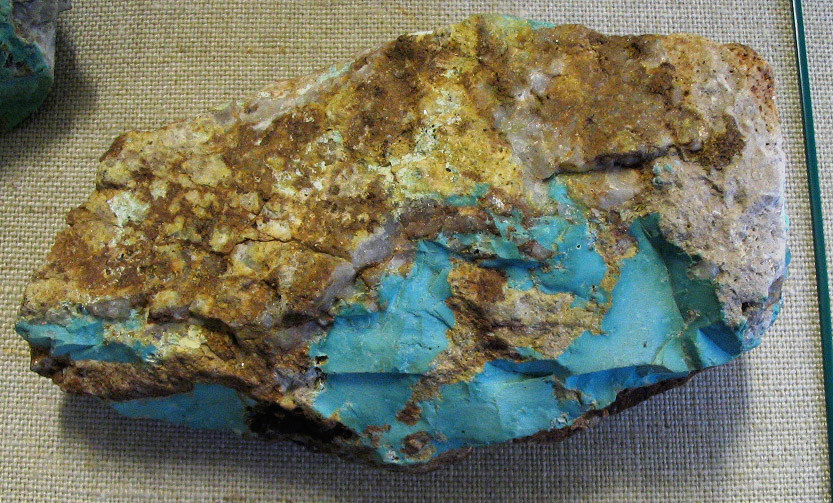 🇮🇷 Iran and 5 moreTurquoise
An opaque blue-green gemstone prized for its color since ancient timesSubstance · Protection · Luck and prosperity Living
🇮🇷 Iran and 5 moreTurquoise
An opaque blue-green gemstone prized for its color since ancient timesSubstance · Protection · Luck and prosperity Living