
Silver bullet
from the metal silver and the projectile bullet
A folk weapon for monsters and a metaphor for simple solutions
In folklore, a silver bullet is a projectile cast from silver that can kill supernatural beings like werewolves or vampires. The phrase also serves as a metaphor for an easy fix to a complex problem.
- Silver bullets kill werewolves and vampires in folklore
- Metaphor for a simple solution to a hard problem
- Jean Chastel's silver bullets are likely fictional
- Used against Swedish skogsrå and Icelandic hybrids
- Symbol of purity in Western hero stories
What it is
A silver bullet is a projectile made of silver, traditionally believed in European folklore to be one of the few weapons capable of killing supernatural entities. These targets include werewolves, vampires, witches, and other magical creatures. The concept appears in various regional tales where normal steel weapons fail against these beings. Beyond its literal use in stories, the term has entered common language as a metaphor. It describes a simple, seemingly magical solution to a difficult or complex problem.
Where it comes from
The idea of silver bullets against werewolves is often linked to the Beast of Gévaudan, killed in 1767 by hunter Jean Chastel. However, historical records do not support the claim that he used silver bullets. This detail likely stems from Henri Pourrat’s 1946 novel, which imagined Chastel melting Virgin Mary medals into ammunition. Earlier literary examples exist, such as the 1891 novel Gösta Berling's Saga, which features were-bears vulnerable only to silver. Regional folklore in Sweden and Finland also attributes this weakness to skogsrå spirits and mermaids.
How it is done
Practitioners in folklore would cast a bullet using pure silver rather than standard lead. The projectile is loaded into a firearm and fired at the supernatural target. In some tales, silver buttons are used instead of bullets, as seen in Brothers Grimm stories where a witch is defeated by silver buttons fired from a gun. The act requires the shooter to possess the specific ammunition, as ordinary weapons are ineffective against the creature's magical defenses.
Tools and materials
The primary tool is a bullet cast from pure silver. Silver is less dense than lead but harder, affecting its ballistic properties. In some narratives, silver buttons serve as substitutes. Firearms are the delivery mechanism. No other materials are typically effective in these specific tales.
Silver bullet, drawn and placed
- Living
- Revived
- Fading
- Historical
- Legendary
- Performed
- Lineage
- European folklore
- Timing
- during confrontations with supernatural beings
What it is for
The purpose is to kill or defeat supernatural beings that are immune to conventional weapons. Targets include werewolves, vampires, witches, and mythical hybrids like the Icelandic Finngálkn. It is also used to protect communities from threats like the Beast of Gévaudan or Bulgarian rebel Delyo, who was said to be invulnerable to normal arms. The bullet serves as a specialized countermeasure in conflicts with the paranormal.
Who does it
Hunters and villagers in folklore employ silver bullets when facing supernatural threats. In historical accounts, hunters like Jean Chastel are cited, though their methods are debated. Modern fiction features heroes like the Lone Ranger, who uses silver bullets to symbolize purity. Fantasy authors and filmmakers have adopted the trope, with characters like Batman forging silver weapons to fight vampires. The role is typically that of a protector or avenger.
Peoples and places
Swedish and Finnish folklore includes silver bullets against were-bears, skogsrå, and mermaids. Icelandic tales mention them against fox-cat hybrids. Bulgarian epic songs describe rebels using silver bullets to kill invulnerable leaders. The Brothers Grimm collected German tales featuring silver buttons. These traditions spread through literature and film, becoming a global fantasy trope. Each culture adapts the concept to fit its local monsters and heroes.
At a glance: who, where and when
Who does it
Belief worlds
What people believe
The belief rests on the idea that silver possesses inherent magical properties against evil or supernatural forces. Normal steel cannot harm certain creatures, making silver a unique exception. This view is rooted in folk magic and fairy tales. The metal's purity is often emphasized, linking it to moral clarity. In popular culture, this extends to symbols of justice and righteousness, where the weapon reflects the user's virtuous nature.
When it is done
There are no specific calendar dates associated with silver bullets. They are used opportunistically during encounters with supernatural beings. The timing depends on the appearance of the threat, such as a full moon for werewolves or a specific night for vampire attacks.
How scholars and sceptics see it
Scholars note that the link between silver bullets and the Beast of Gévaudan is largely fictional, originating from 20th-century literature rather than 18th-century records. Ballistic experts compare silver and lead bullets, noting differences in density, hardness, and accuracy. Experiments by MythBusters and others show silver bullets may penetrate differently but are often less accurate than lead. These studies focus on physical properties rather than magical efficacy.
Cautions and what is closed
Using silver bullets involves significant cost due to the price of silver. In fiction, characters may leave bullets as marks, risking exposure. Real-world experiments show silver bullets can be less accurate and slower than lead. There are no reported harms from the folklore itself, but the metaphor is sometimes misapplied to complex problems, leading to unrealistic expectations of simple solutions.
Compare and confuse
The silver bullet is often confused with the magic bullet, a medical term for a cure-all drug like penicillin. While both imply simple solutions, the silver bullet is a physical weapon in folklore, whereas the magic bullet is a pharmaceutical concept. Golden hammers appear in similar contexts as magical tools. The term 'No Silver Bullet' is used in computing to denote that no single solution solves all problems.
Questions people ask about Silver bullet
What is a silver bullet?
It is a projectile made of silver, believed in folklore to kill supernatural beings like werewolves and vampires. The term also metaphorically describes a simple solution to a complex problem.
Where does the legend come from?
It appears in European folklore, particularly Swedish, Finnish, and Bulgarian tales. The connection to the Beast of Gévaudan is largely fictional, stemming from 20th-century novels rather than historical records.
Are silver bullets effective in real life?
Ballistically, silver bullets are less accurate and slower than lead bullets. They do not have magical properties. Their effectiveness is limited to fiction and metaphor.
Good reading and sources
The facts on this page come from the Wikipedia article "Silver bullet", written by its contributors and used under the CC BY-SA 4.0 licence, and from its Wikidata record (CC0). EveryJaadu rewrote the text in its own words, with AI assistance, and compares every page with the article to make sure no passage is copied. It may be reused under the same CC BY-SA 4.0 licence with a link back.
It may contain mistakes. Names and customs differ from one community to the next, and some knowledge is closed to outsiders and left out here. This page describes belief and practice. It does not say that any of it works, it is not a how-to, and it is not medical advice. If something is wrong, tell us. Last refreshed 2026-10-05.
More from Sweden
All the entries from Sweden 🇫🇷 France and 2 moreÉliphas Lévi
A French writer who shaped modern occult thought and ceremonial magic.Text · Power and authority · Speaking with spirits and the dead Historical
🇫🇷 France and 2 moreÉliphas Lévi
A French writer who shaped modern occult thought and ceremonial magic.Text · Power and authority · Speaking with spirits and the dead Historical
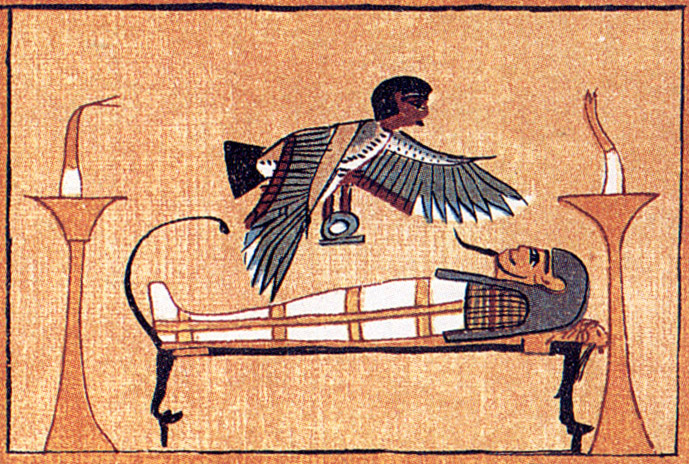 🇸🇪 Sweden and 1 moreSoul flight
A trance practice where the spirit leaves the body to visit other realmsRite · Healing · Seeing and foretelling Historical
🇸🇪 Sweden and 1 moreSoul flight
A trance practice where the spirit leaves the body to visit other realmsRite · Healing · Seeing and foretelling Historical
 🇳🇴 Norway and 1 moreHuldra
A seductive forest spirit of Scandinavian folklore with a hidden animal tail.Being · Protection Legendary
🇳🇴 Norway and 1 moreHuldra
A seductive forest spirit of Scandinavian folklore with a hidden animal tail.Being · Protection Legendary
 🇮🇸 Iceland and 2 moreSeiðr
A Norse magic of fate and spirit, practiced by seers and sorcerers in the Viking Age.Tradition · Seeing and foretelling · Cursing and harm Revived
🇮🇸 Iceland and 2 moreSeiðr
A Norse magic of fate and spirit, practiced by seers and sorcerers in the Viking Age.Tradition · Seeing and foretelling · Cursing and harm Revived
Related elsewhere
All charm 🇪🇬 Egypt and 1 moreLilithלִילִית
A feminine figure from Mesopotamian and Jewish mythology, often depicted as a night demon or spirit.Being · Cursing and harm Legendary
🇪🇬 Egypt and 1 moreLilithלִילִית
A feminine figure from Mesopotamian and Jewish mythology, often depicted as a night demon or spirit.Being · Cursing and harm Legendary
 🇪🇬 EgyptCurse
A spoken wish for misfortune to befall a person or placeBelief · Cursing and harm · Luck and prosperity Historical
🇪🇬 EgyptCurse
A spoken wish for misfortune to befall a person or placeBelief · Cursing and harm · Luck and prosperity Historical
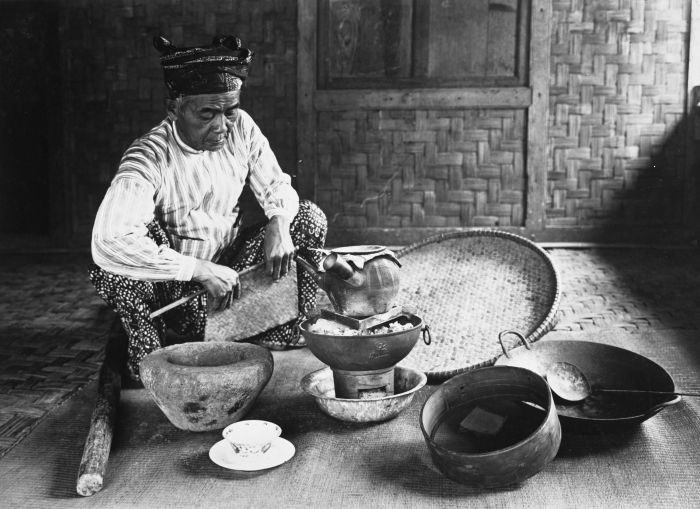 🇮🇩 Indonesia and 2 moreDukun
A traditional healer and spirit medium in Indonesian folk practiceTradition · Healing · Seeing and foretelling Living
🇮🇩 Indonesia and 2 moreDukun
A traditional healer and spirit medium in Indonesian folk practiceTradition · Healing · Seeing and foretelling Living
 🇮🇳 India and 5 moreHoliहोली
A Hindu spring festival marked by coloured powders and bonfires to celebrate love and virtue.Tradition · Love and attraction · Cursing and harm Living
🇮🇳 India and 5 moreHoliहोली
A Hindu spring festival marked by coloured powders and bonfires to celebrate love and virtue.Tradition · Love and attraction · Cursing and harm Living