
Holy Grail
In its own language: Saint Graal
from Old French graal, meaning a bowl or vessel, possibly from Latin cratera
A cup or stone from Arthurian tales that grants healing and eternal life
The Holy Grail is a central motif in Arthurian literature, described variously as a cup, dish, or stone with miraculous powers. It is believed to provide healing, restore the land, and grant eternal youth to its worthy seekers.
- First appears in Chrétien de Troyes' Perceval around 1190
- Described as a cup, dish, or stone with healing powers
- Robert de Boron links it to Jesus's Last Supper vessel
- Wolfram von Eschenbach portrays it as a gemstone in Parzival
- Symbolizes divine grace and eternal life in Arthurian tales
What it is
The Holy Grail is a treasure and important motif within Arthurian literature. Traditions describe it as a cup, dish, or stone possessing miraculous healing abilities. It is said to restore the Wasteland, provide infinite sustenance, and grant eternal life. The object is often guarded by the Fisher King in a hidden castle. By analogy, the term now describes any elusive goal of great significance.
Where it comes from
A mysterious grail first appears in Perceval, le Conte du Graal, an unfinished chivalric romance by Chrétien de Troyes around 1190. Initially, it was a wondrous but not unequivocally holy object. Later writers expanded the tale. Robert de Boron portrayed it as Jesus's vessel from the Last Supper. Wolfram von Eschenbach depicted it as a gemstone in Parzival. The Christian, Celtic, or other origins remain uncertain and debated.
How it is done
In stories, knights quest for the Grail castle to witness its mysteries. Perceval witnesses a procession carrying the object but fails to ask the right questions, leaving the Fisher King wounded. Galahad achieves the Grail through spiritual purity. The object provides nourishment and healing when approached correctly by a worthy knight.
Tools and materials
The Grail takes forms such as a salver, a deep dish, or a gemstone. It carries a Communion wafer or Christ's blood. A bleeding lance and candelabras often accompany it in processions. The object is kept in the Grail Castle or at Avalon.
Holy Grail, drawn and placed
- Living
- Revived
- Fading
- Historical
- Legendary
- Performed
- Lineage
- Arthurian literature
What it is for
Seekers pursue the Grail for healing, restoration of the land, and eternal life. It serves as a symbol of divine grace. Knights undertake quests to achieve it, believing their spiritual purity allows them to witness its miracles. It represents a holy goal of immense value.
Who does it
Scholars study the literary evolution of the Grail. In tales, knights like Perceval, Gawain, and Galahad seek the object. Joseph of Arimathea is credited with guarding the vessel. The Fisher King and Grail Maidens are custodians. These figures are fictional characters within chivalric romances.
Peoples and places
The Grail originates in French literature by Chrétien de Troyes and Robert de Boron. German writer Wolfram von Eschenbach adapted it into Parzival. English writer Thomas Malory included it in Le Morte d'Arthur. The motif spread through Welsh and German traditions, becoming a popular theme in modern culture.
At a glance: who, where and when
Belief worlds


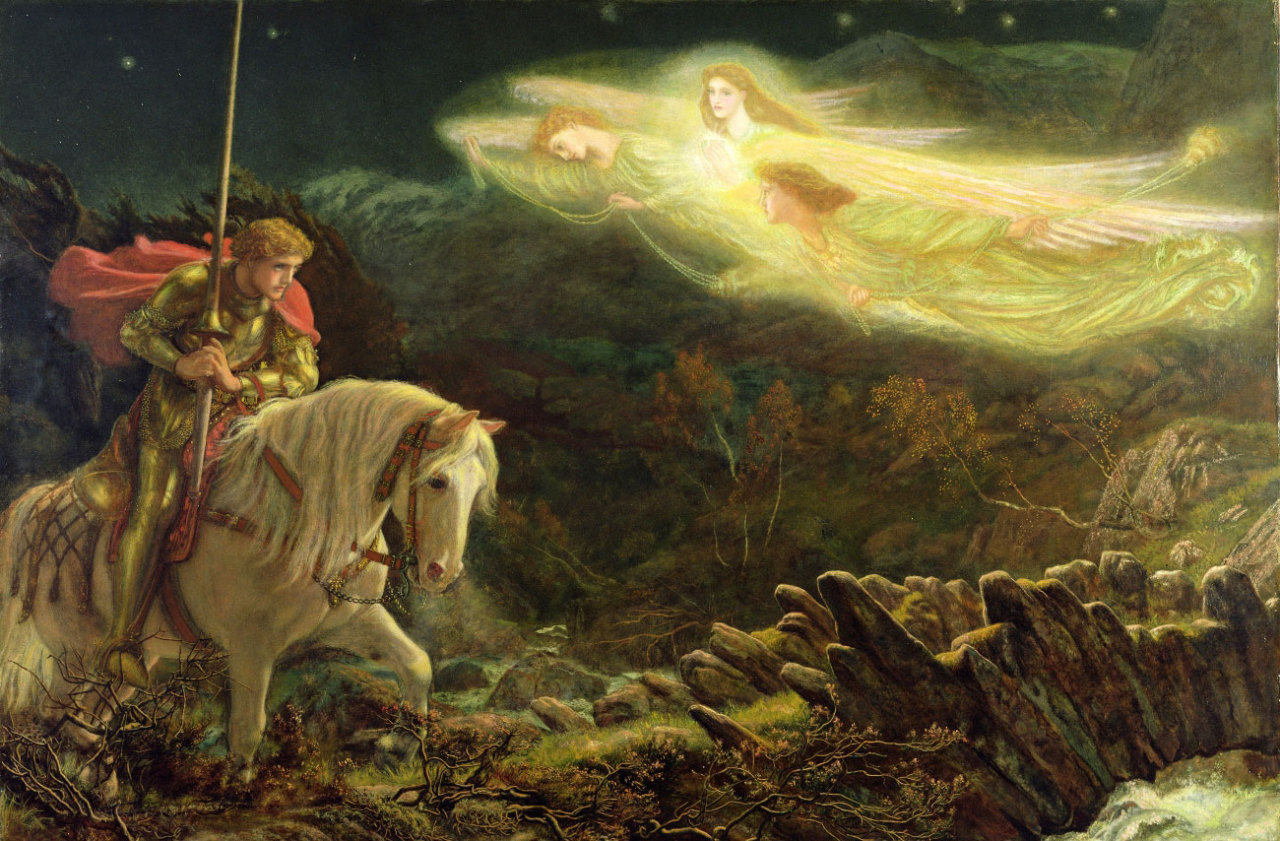

What people believe
The Grail is linked to Christian theology as the vessel of the Last Supper. It is also associated with neutral angels who took no side in Lucifer's rebellion. The object grants ascension or immortality.
How scholars and sceptics see it
Literary scholars and historians debate the origins of the Arthurian grail trope. They analyze how Chrétien's unfinished work inspired continuations. Researchers examine the shift from a common noun to a holy relic. Pseudohistorical writings and conspiracy theories also explore the Grail legend.
Compare and confuse
The Grail is confused with the Holy Chalice, the Last Supper cup. It differs from the Celtic cauldron of rebirth. The term is used metaphorically for any unattainable desire. Other relics like the Sangreal are sometimes conflated with the Grail story.
Today
The Holy Grail remains a popular theme in modern culture. It appears in folklore studies, fiction, and conspiracy theories. The concept influences media and entertainment. It continues to symbolize the pursuit of ultimate truth or value.
Questions people ask about Holy Grail
What is the Holy Grail?
It is a motif in Arthurian literature described as a cup, dish, or stone. It is believed to have miraculous healing powers and can restore the land or grant eternal life to those who find it.
Where does the story of the Grail come from?
It originates in French chivalric romance, specifically Perceval by Chrétien de Troyes around 1190. Later works by Robert de Boron and Wolfram von Eschenbach expanded the legend significantly.
Is the Grail a real historical object?
It is a literary invention. While some traditions link it to Joseph of Arimathea, it is primarily a fictional motif used to explore themes of faith, purity, and questing in medieval literature.
Good reading and sources
The facts on this page come from the Wikipedia article "Holy Grail", written by its contributors and used under the CC BY-SA 4.0 licence, and from its Wikidata record (CC0). EveryJaadu rewrote the text in its own words, with AI assistance, and compares every page with the article to make sure no passage is copied. It may be reused under the same CC BY-SA 4.0 licence with a link back.
It may contain mistakes. Names and customs differ from one community to the next, and some knowledge is closed to outsiders and left out here. This page describes belief and practice. It does not say that any of it works, it is not a how-to, and it is not medical advice. If something is wrong, tell us. Last refreshed 2026-10-05.
More from France
All the entries from France 🇬🇧 United Kingdom and 2 moreKing ArthurBrenin Arthur
A legendary British king and folk hero of medieval literature and Welsh mythologyFigure · Power and authority · Wonder and entertainment Legendary
🇬🇧 United Kingdom and 2 moreKing ArthurBrenin Arthur
A legendary British king and folk hero of medieval literature and Welsh mythologyFigure · Power and authority · Wonder and entertainment Legendary
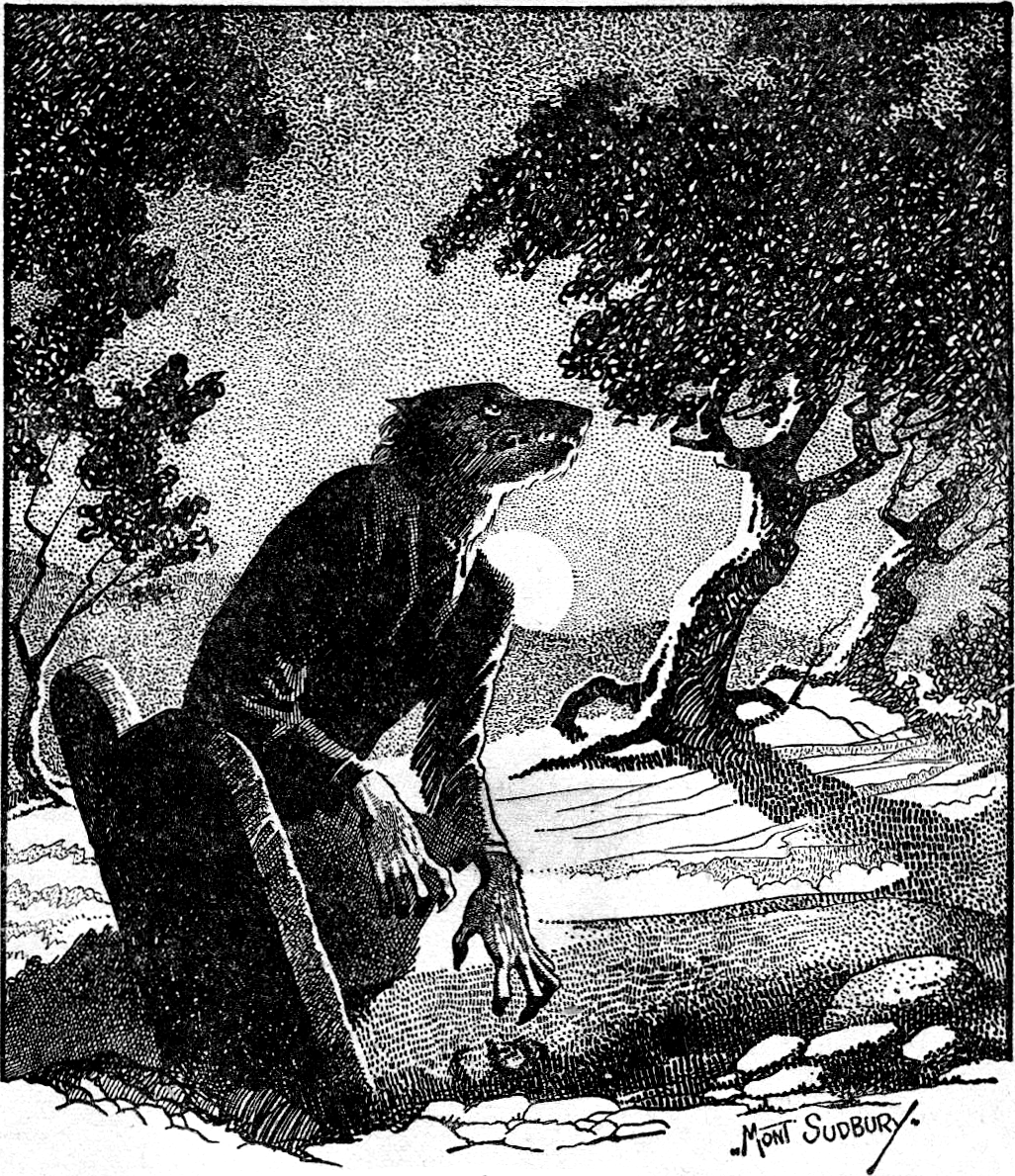 🇫🇷 France and 5 moreWerewolf
A mythical shapeshifter that turns into a wolf, central to European witch-hunts and Gothic horror.Being · Cursing and harm · Wonder and entertainment Legendary
🇬🇧 United Kingdom and 1 moreSamuel Liddell MacGregor Mathers
British occultist and co-founder of the Hermetic Order of the Golden DawnFigure Historical
🇫🇷 France and 5 moreCount of St. GermainComte de Saint Germain
An 18th-century European adventurer known for alchemy, music, and claims of immortality.Figure · Power and authority · Wonder and entertainment Historical
🇫🇷 France and 5 moreWerewolf
A mythical shapeshifter that turns into a wolf, central to European witch-hunts and Gothic horror.Being · Cursing and harm · Wonder and entertainment Legendary
🇬🇧 United Kingdom and 1 moreSamuel Liddell MacGregor Mathers
British occultist and co-founder of the Hermetic Order of the Golden DawnFigure Historical
🇫🇷 France and 5 moreCount of St. GermainComte de Saint Germain
An 18th-century European adventurer known for alchemy, music, and claims of immortality.Figure · Power and authority · Wonder and entertainment Historical
Related elsewhere
All figure 🇨🇳 China and 2 moreEight Immortals八仙
Eight legendary Taoist figures of China, each with a power and a vesselFigure · Protection · Healing Living
🇨🇳 China and 2 moreEight Immortals八仙
Eight legendary Taoist figures of China, each with a power and a vesselFigure · Protection · Healing Living
 🇬🇹 GuatemalaMaximónRi Laj Mam
A Maya folk saint and trickster deity venerated in the Guatemalan HighlandsBeing · Protection · Healing Living
🇬🇹 GuatemalaMaximónRi Laj Mam
A Maya folk saint and trickster deity venerated in the Guatemalan HighlandsBeing · Protection · Healing Living
 🇺🇸 United States and 1 moreNew Thought
A spiritual philosophy linking mental states to physical health and prosperityTradition · Healing · Luck and prosperity Living
🇺🇸 United States and 1 moreNew Thought
A spiritual philosophy linking mental states to physical health and prosperityTradition · Healing · Luck and prosperity Living
 🇮🇳 India and 5 moreAstrology
A divinatory practice that reads human fate through the positions of celestial bodies.Belief · Seeing and foretelling · Luck and prosperity Living
🇮🇳 India and 5 moreAstrology
A divinatory practice that reads human fate through the positions of celestial bodies.Belief · Seeing and foretelling · Luck and prosperity Living