
Winter solstice
from the Sun appearing to stand still in the sky
The shortest day and longest night of the year, marked by rites of solar return
The winter solstice occurs when an Earth pole is tilted furthest from the Sun, creating the shortest daylight span and longest night of the year. Cultures worldwide have marked this turning point since prehistory with feasting, bonfires, agricultural divination, and ceremonies celebrating the return of light.
- Newgrange in Ireland directs winter solstice sunrise light straight into its central chamber.
- Ancient Romans celebrated December 25 as the birthday of Sol Invictus, the unconquered Sun.
- Yalda night is an ancient Iranian tradition of gathering with elders to eat pomegranates and read poetry.
- Albanian folk rites involve burning the buzmi log and seeking fortunes in coin-baked bread.
What it is
The winter solstice is an astronomical event occurring when a terrestrial pole reaches its steepest tilt away from the Sun. Happening once annually in each hemisphere, it produces the shortest span of daylight alongside the year's longest night. In many temperate regions, this day marks the middle of winter and is commonly called midwinter. Rather than only being a physical moment, it has functioned since prehistory as an essential cultural turning point. Communities across the world celebrated the halt of diminishing daytime and the subsequent lengthening of days, frequently interpreting this astronomical shift as the symbolic passing and return of the solar deity.
Where it comes from
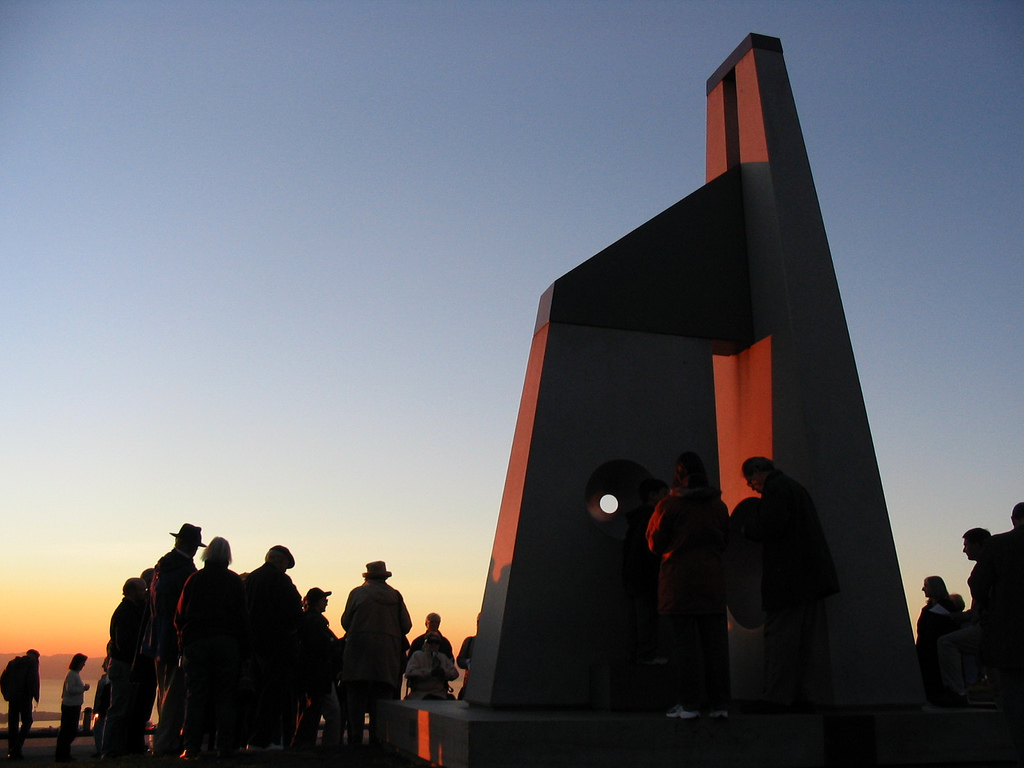
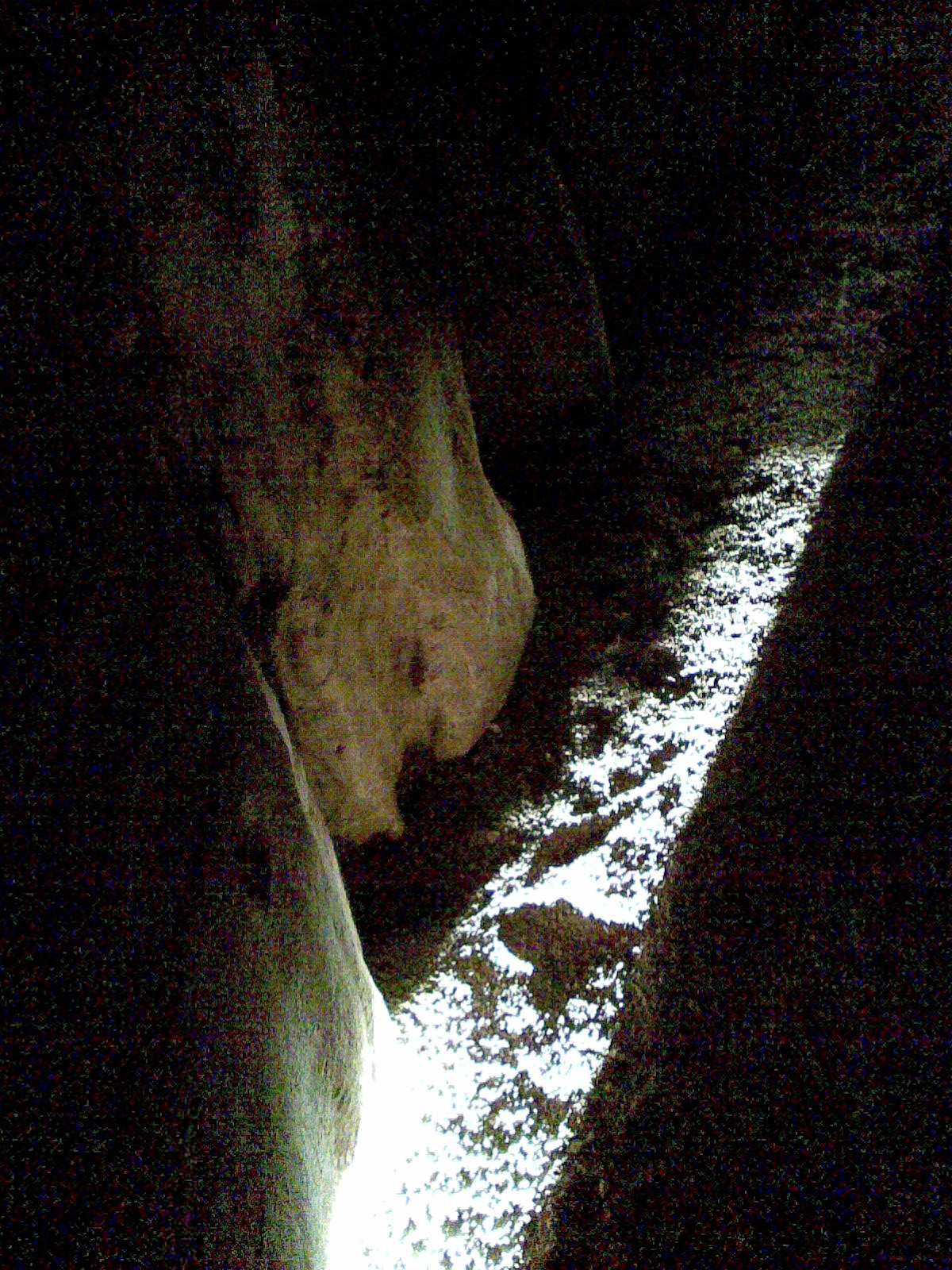
Prehistoric communities recognized the solstice during the Neolithic era, using the movement of the skies to organize farming schedules like planting and animal breeding. In Europe, monumental stone structures were built to capture the solstice light. The passage tomb at Newgrange in Ireland was constructed so sunrise illuminates its inner chamber, while Stonehenge in England aligns with the solstice sunset. Similar solar alignments exist at Germany's Goseck Circle. In Egypt, temple complexes such as Karnak, Abu Simbel, and Luxor were oriented toward the rising solstice Sun.
How it is done
Traditional customs centered on hearth fires, feasting, and community vigils. In ancient Roman practice, communities observed the solstice on December 25 through gifts, banquets, and revelry during Saturnalia and the feast of the Invincible Sun. Albanian households maintained outdoor and domestic fires to fortify the Sun, burning ritual wood pieces known as buzmi, sacrificing animals, and reading fortunes through crackling flames or hidden coins baked into bread. In Iran, families stay awake through Yalda night at the home of elders, eating pomegranates, watermelons, and nuts while reciting poetry.
Tools and materials
Solstice customs make use of seasonal foods, ritual timber, and fire. Albanian observances utilize the buzmi, a ceremonial piece of wood burned in the family hearth, as well as lighted pine boughs and ritual loaves containing baked coins for fortune telling. Japanese tradition uses yuzu citrus fruit steeped in hot bathwater to guard against winter chills. Iranian celebrations require communal tables laid with nuts, watermelons, and pomegranates. In ancient Alexandria, an underground idol of a child solar deity was brought out and carried seven times around Kore's temple.
Winter solstice, drawn and placed
- Living
- Revived
- Fading
- Historical
- Legendary
- Performed
- Timing
- December 21 or 22 in the north, June 20 or 21 in the south
What it is for
Solstice rites historically served both practical and spiritual needs. In agricultural societies, winter slaughtering provided abundant fresh meat because herds could not be fed through cold months. Ritually, ceremonies were staged to encourage the Sun to regain power and lengthen daylight. Albanian practices sought abundance for vineyards, fields, and animal husbandry through magical acts and animal offerings. Divinations were performed to foresee personal luck in the coming year. Other customs aimed at preserving physical wellbeing, such as Japanese baths taken to ward off illness during cold weather.
Who does it
Solstice observances were historically conducted by whole communities, households, and civic leaders rather than single specialists. In Iran, extended families assemble under the guidance of their eldest relatives to hold nightlong vigils. Medieval rulers such as King Haakon of Norway hosted state winter feasts, while Roman emperors instituted civic solar holidays. In traditional Balkan and Mediterranean settings, domestic householders carried out farm blessings, fire tending, and divination tests within kinship circles and neighborhoods.
Peoples and places
Numerous cultural traditions maintain distinct solstice customs. Scandinavian and Germanic peoples celebrated Yule or Jól, marking the start of the year with mothers' night and midwinter feasts. East Asian societies observe Dongzhi as a primary solar term, while Japanese households bathe with yuzu fruit. In India, Makara Sankranti honors the sun god Surya in January at the end of the solstice month. In Persian tradition, Yalda night brings families together, while Albanian customs preserve ancient sun rites focused on hearth fire rituals.
At a glance: who, where and when


What people believe
Many ancient belief systems viewed the solstice as the birth or revival of solar gods. Roman authors recorded December 25 as the birthday of the new Sun, later celebrated as Sol Invictus. Egyptian traditions described Isis giving birth to Horus the Child at the solstice, while Alexandrian rites marked the birth of Aion with dawn processions. Talmudic lore related a story of Adam observing shortening days in fear of cosmic doom, then establishing eight days of thanksgiving once the solstice revealed the natural cycle of returning light.
When it is done
In the Northern Hemisphere, the solstice occurs on December 21 or 22, whereas the Southern Hemisphere experiences it on June 20 or 21. Ancient Roman calendars fixed the solstice on December 25, a date later tied to Christmas. Anglo-Saxon calendars divided the midwinter season across two months termed Giuli, beginning the new year at the solstice. The Hindu calendar marks the Sun entering Capricorn during Makara Sankranti in January, while East Asian calendars celebrate Dongzhi among the twenty-four solar periods.
How scholars and sceptics see it
Archaeoastronomers study prehistoric stone circles and temples to understand how early builders aligned architecture with solstice sunrises and sunsets. Liturgical historians investigate how the Roman solstice festival of Sol Invictus influenced the Christian choice of December 25 for Christmas, though scholars like C. Philipp E. Nothaft highlight the scarcity of direct documentary evidence for this claim. Scandinavian historians have similarly reassessed medieval accounts by Snorri Sturluson, showing that traditional Norse midwinter feasts occurred weeks after the astronomical solstice.
Compare and confuse
The winter solstice is the direct astronomical inverse of the summer solstice, which takes place simultaneously in the opposite hemisphere. Although midwinter is frequently used as a synonym for the shortest day, in historical calendars like the medieval Icelandic reckoning, midwinter designated a festival period falling roughly four weeks after the astronomical solstice itself.
Law and persecution
Historical accounts record attempts by religious authorities to suppress winter solstice customs. In nineteenth-century Albania, the scholar Johann Georg von Hahn noted that Christian clergy had repeatedly attempted to eradicate traditional pagan sun rites, fire practices, and agricultural magic among the populace, though these clerical efforts proved entirely unsuccessful against entrenched local custom.
Today
Solstice customs survive today across various cultural festivities. In East Asia, Dongzhi remains an active solar term, while Japanese households maintain the winter yuzu bath tradition. In Iran and its diaspora, Yalda night continues as a cherished family gathering featuring poetry and seasonal fruits. In Northern Europe, ancient solstice names like Yule survive as terms for Christmas, and public gatherings continue to take place at ancient megalithic monuments during sunrise and sunset.
Days linked to Winter solstice
Questions people ask about Winter solstice
What is the winter solstice?
The winter solstice is the astronomical moment when one of Earth's poles tilts farthest from the Sun. It produces the year's shortest daylight period and longest night for that hemisphere, after which daylight hours begin to increase.
Where do winter solstice traditions come from?
Solstice traditions originated in prehistoric farming societies across Europe, Asia, and the Mediterranean. Early cultures tracked solar movements to manage agriculture, slaughter livestock for winter survival, and celebrate the symbolic rebirth of the Sun.
How is the winter solstice celebrated around the world?
Different cultures mark it with feasts, bonfires, and gatherings. Iranians hold poetry vigils with pomegranates on Yalda night, Albanians burn ritual logs and bake fortune coins into bread, and Japanese households take citrus baths.
Why are ancient monuments aligned with the winter solstice?
Neolithic structures like Stonehenge and Newgrange were carefully oriented toward the solstice sunrise or sunset. These alignments marked crucial calendar shifts, helping communities track seasonal cycles and celebrate solar deities.
Good reading and sources
- Winter solstice on WikipediaEncyclopedia
- More photos on Wikimedia CommonsPhotos and video
- Wikidata recordOpen data
The facts on this page come from the Wikipedia article "Winter solstice", written by its contributors and used under the CC BY-SA 4.0 licence, and from its Wikidata record (CC0). EveryJaadu rewrote the text in its own words, with AI assistance, and compares every page with the article to make sure no passage is copied. It may be reused under the same CC BY-SA 4.0 licence with a link back.
It may contain mistakes. Names and customs differ from one community to the next, and some knowledge is closed to outsiders and left out here. This page describes belief and practice. It does not say that any of it works, it is not a how-to, and it is not medical advice. If something is wrong, tell us. Last refreshed 2026-10-06.
More from Ireland
All the entries from Ireland 🇬🇧 United Kingdom and 2 moreKing ArthurBrenin Arthur
A legendary British king and folk hero of medieval literature and Welsh mythologyFigure · Power and authority · Wonder and entertainment Legendary
🇬🇧 United Kingdom and 2 moreKing ArthurBrenin Arthur
A legendary British king and folk hero of medieval literature and Welsh mythologyFigure · Power and authority · Wonder and entertainment Legendary
 🇮🇪 Ireland and 4 moreTrial by combat
A medieval legal practice where two disputants fought to settle a caseRite · Cursing and harm Historical
🇮🇪 Ireland and 4 moreTrial by combat
A medieval legal practice where two disputants fought to settle a caseRite · Cursing and harm Historical
 🇮🇪 Ireland and 5 moreCairn
A human-made stack of stones used as a marker, memorial, or religious symbol across many cultures.Tradition · Protection · Speaking with spirits and the dead Living
🇬🇧 United Kingdom and 4 moreTelling the bees
A Western European custom of informing bees about major household eventsRite · Protection · Speaking with spirits and the dead Living
🇮🇪 Ireland and 5 moreCairn
A human-made stack of stones used as a marker, memorial, or religious symbol across many cultures.Tradition · Protection · Speaking with spirits and the dead Living
🇬🇧 United Kingdom and 4 moreTelling the bees
A Western European custom of informing bees about major household eventsRite · Protection · Speaking with spirits and the dead Living
Related elsewhere
All tradition 🇮🇷 Iran and 3 moreIranian folkloreفولکلور ایرانی
The oral legends, heroes, and spirits of Greater IranTradition · Protection · Seeing and foretelling Living
🇮🇷 Iran and 3 moreIranian folkloreفولکلور ایرانی
The oral legends, heroes, and spirits of Greater IranTradition · Protection · Seeing and foretelling Living
 🇯🇵 JapanOnmyōdō陰陽道
A Japanese system of divination and calendar science rooted in yin-yang philosophyTradition · Seeing and foretelling · Protection Revived
🇯🇵 JapanOnmyōdō陰陽道
A Japanese system of divination and calendar science rooted in yin-yang philosophyTradition · Seeing and foretelling · Protection Revived
 🇬🇪 Georgia and 2 moreGeorgian mythologyქართული მითოლოგია
The pre-Christian beliefs of the Kartvelian peoples in the South CaucasusTradition · Protection · Seeing and foretelling Historical
🇬🇪 Georgia and 2 moreGeorgian mythologyქართული მითოლოგია
The pre-Christian beliefs of the Kartvelian peoples in the South CaucasusTradition · Protection · Seeing and foretelling Historical
 🇮🇳 India and 5 moreAstrology
A divinatory practice that reads human fate through the positions of celestial bodies.Belief · Seeing and foretelling · Luck and prosperity Living
🇮🇳 India and 5 moreAstrology
A divinatory practice that reads human fate through the positions of celestial bodies.Belief · Seeing and foretelling · Luck and prosperity Living