Spodomancy
from Greek spodos, meaning ash
Divination by reading omens in ashes, soot, and cinders
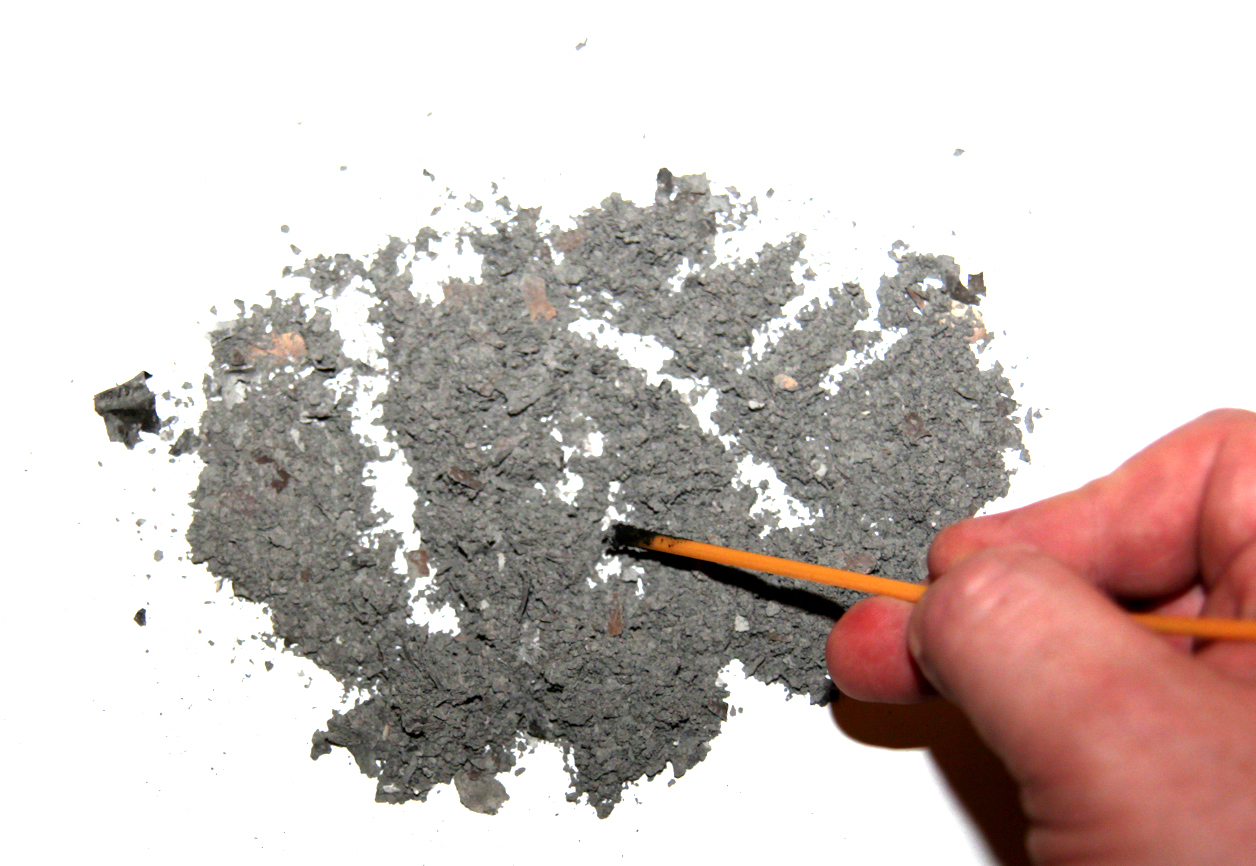
Spodomancy is a form of divination that interprets signs in the remains of fire. Practitioners examine cinders, soot, or ash to foresee events or answer questions. The practice appears in cultures across the globe, from ancient Greece to modern Wicca.
- Greek playwright Aeschylus noted reading portents in fireplace ashes
- Apollo of the Ashes altar existed in Ancient Thebes
- Polish tradition used ash near sick beds to predict recovery
- Romani folklore casts ash on floors for good or bad luck
- Loma people of Guinea use it to determine unborn child's sex
What it is
Spodomancy is a method of fortune-telling that uses the residue of fire as a medium for prophecy. Practitioners look at cinders, soot, or ash to find hidden meanings. The word comes from the Greek term for ash. This art has been used by many different groups throughout history. It is not limited to one specific religion or region. Some see it as part of formal magic systems. Others treat it as a simple folk custom. The practice relies on the belief that fire leaves behind spiritual messages.
Where it comes from
The roots of spodomancy stretch back to ancient times. Greek writers like Aeschylus described reading portents in fireplace ashes. In Thebes, an altar called Apollo of the Ashes was used for this purpose. The Etruscans also practiced similar rites. The method spread widely. It appeared in Europe, Asia, and Africa. Different cultures developed their own versions. Some focused on ritual sacrifice. Others used household fires. The practice evolved over centuries, adapting to local beliefs and tools.
How it is done
Practitioners spread ash on a flat surface like a hearth or floor. They might write a question in the dust with a finger. Then they wait for wind to shift the particles. New shapes or letters reveal answers. Another way is to burn a written message and read the resulting soot. In Poland, ash was placed near sick beds to check health. In Mongolia, lamas read marks on bone covered in ash. Some rituals require specific surfaces like wooden planks. The interpretation depends on the pattern formed by the debris.
Tools and materials
The main tool is ash from any fire. Sometimes soot or cinders are used instead. Practitioners may use sticks or fingers to draw in the dust. Bone plates or wooden boards can serve as writing surfaces. In some traditions, paper is burned to create the medium. The type of fire matters to some groups. Modern witches prefer sacred fires. Ancient Greeks used sacrificial altars. The physical remains of burning matter are the sole focus of the reading.
Spodomancy, drawn and placed
- Living
- Revived
- Fading
- Historical
- Legendary
- Performed
- Lineage
- divination
- Timing
- varies by tradition
What it is for
People use spodomancy to predict the future. It helps answer personal questions. In Poland, it checked if a patient would recover. English couples used it to find future spouses. Native Americans looked for signs about travelers. Peruvians tracked the soul of the dead. The Loma people determine a child's sex before birth. It serves many needs: love, health, luck, and knowledge. Users seek guidance when uncertain about life events.
Who does it
Anyone can practice this art, though some groups restricted it. In Greece, only certain families held the gift. In Slavonia and Poland, only women performed the rite. Celtic seers known as filidh used ash for dreams. Romani people cast ash on floors for omens. Modern practitioners include Wiccans who follow specific rules. Scholars note that many users treated it as superstition rather than high magic. Training varied from family inheritance to casual learning.
Peoples and places
The practice spans many cultures. Greeks and Etruscans used it in antiquity. Romani folklore includes casting ash for fortune. Chinese dynasties combined ash reading with bone cracking. Mongolian lamas mixed it with scapulimancy. Native American tribes read morning fire marks. Peruvians analyzed funeral ash footprints. The Loma people of Guinea still use it today. European traditions included Valentine's Day readings in Kent. Each group added unique details to the core method.
At a glance: who, where and when
Belief worlds
What people believe
Users believe fire carries spiritual energy. Ash holds memories of what was burned. Patterns in the dust reflect fate or divine will. Wind moving the ash shows active forces. Specific shapes mean specific outcomes. Positive signs include smooth ash or quick dispersal. Negative signs involve piles or lingering smoke. Some think sleeping near ash brings prophetic dreams. Interpretation requires intuition and knowledge of symbols.
When it is done
Timing varies by culture and intent. English lovers read ash on Valentine's Day. St. Mark's Eve was used for death omens. Halloween and New Year's Eve revealed births and deaths. Imbolc involved checking for goddess blessings. Lammas saw modern witches reading bonfire ash. Daily fires provided ongoing guidance. Funerals triggered specific ash readings in Peru. Sickbed rituals happened during illness. There is no single fixed schedule for the practice.
How scholars and sceptics see it
Historians view spodomancy as a widespread folk custom. Anthropologists study its role in community healing and decision-making. Skeptics attribute results to chance and pareidolia. Writers note its presence in literature and folklore. Some scholars distinguish it from related arts like capnomancy. The practice was once banned by church authorities in Spain. Today it survives in folk traditions and modern pagan groups. Researchers document its variations across continents.
Cautions and what is closed
In Spain, the practice was banned by religious leaders. Accusations of witchcraft sometimes followed such customs. Users must respect cultural boundaries. Some traditions are closed to outsiders. Misinterpretation of signs can cause anxiety. The practice offers no medical advice. Health outcomes depend on real treatment. Spiritual guidance should not replace professional help. Fraudulent readers may exploit seekers. The art requires careful observation and ethical conduct.
Compare and confuse
Spodomancy differs from capnomancy, which reads smoke. It is distinct from pyromancy, which watches flames. Related arts include cineromancy and libanomancy. Osteomancy uses cracked bones, not just ash. Scapulimancy focuses on shoulder blades. Xylomancy examines wood shapes. Tephramancy and tephromancy are often synonyms. Some sources separate them by ash source. The core similarity is reading fire residue for omens.
Law and persecution
Church authorities banned the practice in Spain. Inquisitors viewed it as dangerous superstition. Colonial powers often suppressed indigenous forms. Modern laws vary by region. In some places, folk practices are protected. In others, they face legal scrutiny. The ban in Seville reflects historical fear of unauthorized divination. Today, most countries allow private practice. Cultural heritage laws may protect traditional methods.
Today
The practice continues in various forms. Modern Wiccans incorporate it into rituals. Folk communities in Asia and Africa maintain old ways. Academic interest keeps the history alive. Books and articles document the techniques. Diaspora communities preserve traditions abroad. Commercial products sometimes mimic the art. Authentic practitioners emphasize respect and accuracy. The global nature of the practice ensures its survival.
Days linked to Spodomancy
Questions people ask about Spodomancy
What is spodomancy?
It is a divination method that reads omens in ash, soot, or cinders. Practitioners interpret patterns left by fire to foresee events or answer questions. The word comes from the Greek term for ash.
Where did it originate?
The practice appears in many cultures globally. Ancient Greeks and Etruscans used it. It also exists in Chinese, Mongolian, and African traditions. No single origin point is confirmed.
How is it performed?
Ash is spread on a flat surface. A question may be written in it. Wind shifts the particles to reveal shapes. Alternatively, burned paper or bone is examined for signs.
Who practices it today?
Modern Wiccans, folk communities, and some indigenous groups continue the tradition. It is also studied by historians and anthropologists as a cultural artifact.
Is it related to other fire divination?
Yes. It is similar to capnomancy (smoke) and pyromancy (flames). It differs by focusing specifically on the solid residue of burning materials.
Good reading and sources
The facts on this page come from the Wikipedia article "Spodomancy", written by its contributors and used under the CC BY-SA 4.0 licence, and from its Wikidata record (CC0). EveryJaadu rewrote the text in its own words, with AI assistance, and compares every page with the article to make sure no passage is copied. It may be reused under the same CC BY-SA 4.0 licence with a link back.
It may contain mistakes. Names and customs differ from one community to the next, and some knowledge is closed to outsiders and left out here. This page describes belief and practice. It does not say that any of it works, it is not a how-to, and it is not medical advice. If something is wrong, tell us. Last refreshed 2026-10-05.
More from Greece
All the entries from Greece 🇬🇷 Greece and 1 moreHydromancy
Divination using water to reveal the future or judge legitimacy.Oracle · Seeing and foretelling · Luck and prosperity Historical
🇬🇷 Greece and 1 moreHydromancy
Divination using water to reveal the future or judge legitimacy.Oracle · Seeing and foretelling · Luck and prosperity Historical
 🇬🇷 GreeceCoscinomancy
A divination method using a sieve and shears to reveal guilt or answer questions.Oracle · Seeing and foretelling Historical
🇬🇷 GreeceCoscinomancy
A divination method using a sieve and shears to reveal guilt or answer questions.Oracle · Seeing and foretelling Historical
 🇬🇷 Greece and 2 moreAstragalomancy
Divination by casting marked bones, carved rods, or numbered diceOracle · Seeing and foretelling · Speaking with spirits and the dead Living
🇬🇷 Greece and 3 morePyromancy
Divination by reading flames, smoke, or fire-heated objectsOracle · Seeing and foretelling Historical
🇬🇷 Greece and 2 moreAstragalomancy
Divination by casting marked bones, carved rods, or numbered diceOracle · Seeing and foretelling · Speaking with spirits and the dead Living
🇬🇷 Greece and 3 morePyromancy
Divination by reading flames, smoke, or fire-heated objectsOracle · Seeing and foretelling Historical
Related elsewhere
All oracle 🇮🇳 India and 5 moreAstrology
A divinatory practice that reads human fate through the positions of celestial bodies.Belief · Seeing and foretelling · Luck and prosperity Living
🇮🇳 India and 5 moreAstrology
A divinatory practice that reads human fate through the positions of celestial bodies.Belief · Seeing and foretelling · Luck and prosperity Living
 🇨🇳 China and 2 moreEight Immortals八仙
Eight legendary Taoist figures of China, each with a power and a vesselFigure · Protection · Healing Living
🇨🇳 China and 2 moreEight Immortals八仙
Eight legendary Taoist figures of China, each with a power and a vesselFigure · Protection · Healing Living
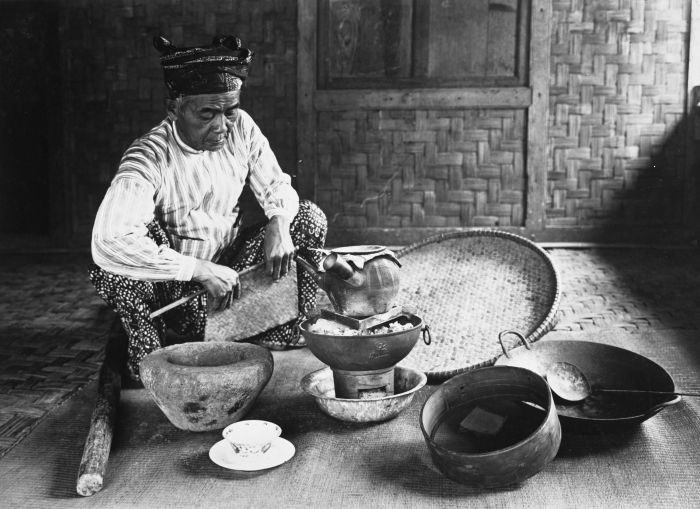 🇮🇩 Indonesia and 2 moreDukun
A traditional healer and spirit medium in Indonesian folk practiceTradition · Healing · Seeing and foretelling Living
🇮🇩 Indonesia and 2 moreDukun
A traditional healer and spirit medium in Indonesian folk practiceTradition · Healing · Seeing and foretelling Living