
Tanabata
In its own language: たなばた (七夕)
from the Japanese reading of Chinese characters meaning Evening of the Seventh
A Japanese celebration of star-crossed lovers and written wishes
Tanabata is a Japanese festival that marks the annual reunion of two celestial deities. It involves writing wishes on paper strips and hanging them on bamboo branches to honor their story.
- Celebrates the meeting of Orihime and Hikoboshi
- Wishes are written on tanzaku paper strips
- Introduced to Japan in 755 by Empress Kōken
- Sendai festival is the largest public celebration
- Rain is considered the tears of the lovers
What it is
Tanabata is a Japanese festival known as the Star Festival. It celebrates the yearly meeting of two deities, Orihime and Hikoboshi. These figures represent the stars Vega and Altair. A legend says they are separated by the Milky Way. They can only reunite once a year. People write wishes on small paper strips called tanzaku. These strips are hung on bamboo branches. The practice honors the lovers and asks for good fortune.
Where it comes from
The event was introduced to Japan in 755 by Empress Kōken. It comes from the Chinese Qixi Festival. In China, it was called the Festival to Plead for Skills. The custom arrived at the Kyoto Imperial Palace during the Heian period. It merged with local Shinto purification rites. Those rites involved weaving cloth on a loom called a tanabata. The combined event became popular among common people by the Edo period. It also absorbed elements of the Obon tradition.
How it is done
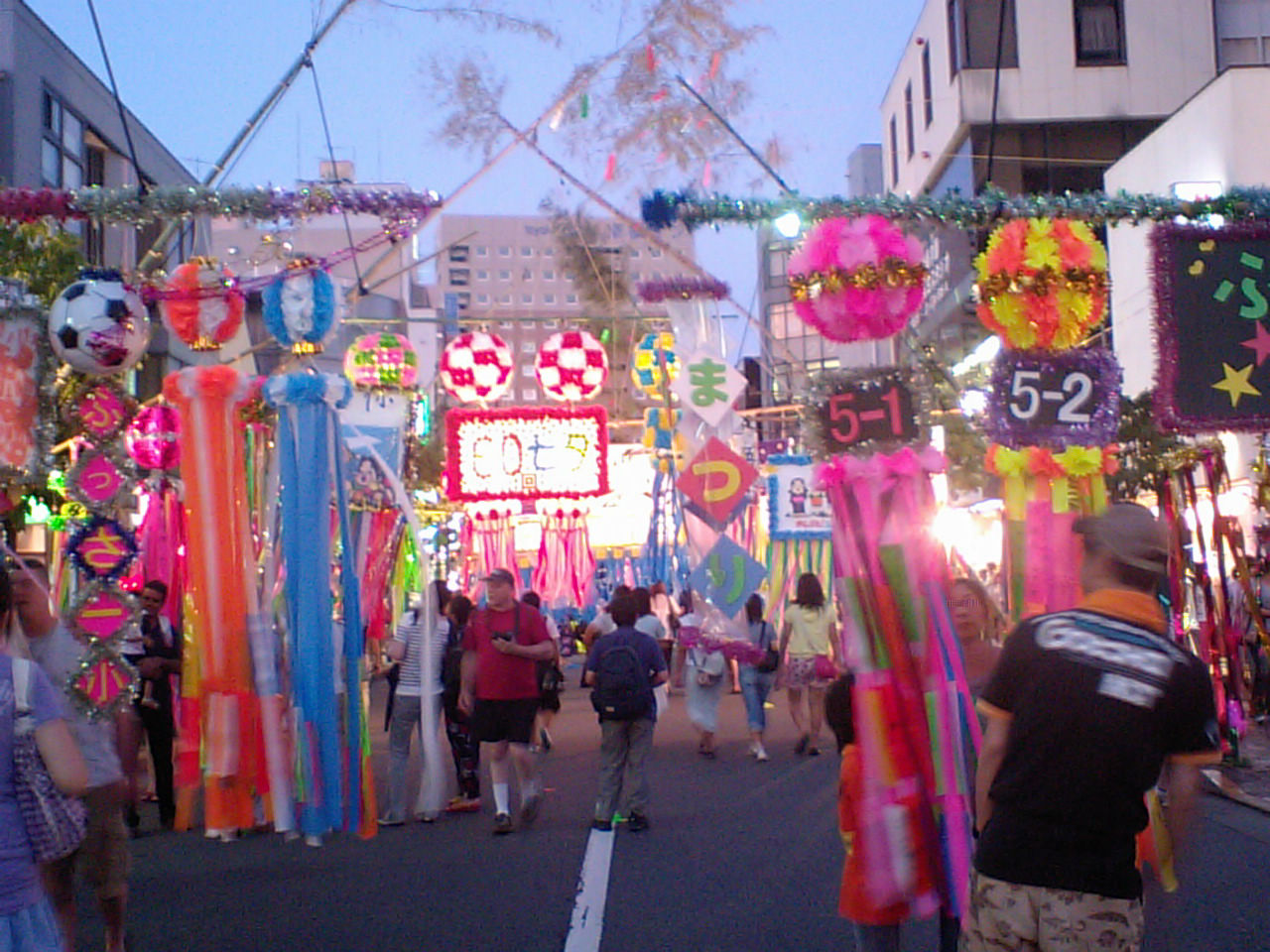
Participants write wishes on colored paper strips. These are tied to bamboo branches outside homes. The colors often include blue, yellow, red, white, and black. Some areas use dew from taro leaves for ink. Large public festivals feature decorated streets. Streamers hang over shopping districts. Parades and food stalls add to the atmosphere. The decorations symbolize different aspects of life.
Tools and materials
Bamboo branches serve as the main structure. Tanzaku are small paper strips for writing. Ink is used to inscribe the wishes. Decorations may include ornamental balls. These represent flowers or other symbols. Five-colored strings tie the items together. Fruits and dried fish were traditional offerings in ancient times.
Tanabata, drawn and placed
- Living
- Revived
- Fading
- Historical
- Legendary
- Performed
- Lineage
- Shinto and folk tradition
- Timing
- July or August
What it is for
People ask for specific skills and luck. Girls wish for better sewing abilities. Boys hope for improved handwriting. Others seek general prosperity. The rain on this day is called the tears of the lovers. If it rains, the magpie bridge fails. The couple must wait another year.
Who does it
Households participate by decorating their homes. Public events involve community volunteers. Historically, imperial courts hosted banquets. Emperors observed the stars and performed poetry. Modern festivals rely on local organizers. They manage competitions and parades.
Peoples and places
The tradition is central to Japanese culture. It originated from Chinese folklore. The story of the Cowherd and Weaver Girl is shared across East Asia. Variations exist in Korea and China. In Brazil, Japanese diaspora communities celebrate it. The Sendai festival is the most famous. It draws tourists from across the country.
At a glance: who, where and when
Peoples
Belief worlds
Occasions

![Tanabata Festival in Edo (Japanese: 大江戸市中七夕祭, Ōedo shichū tanabata matsuri ). No. 11 [1] (or No. 3 [2] ) in the series Thirty-six Views of Mount Fuji (first version).](https://upload.wikimedia.org/wikipedia/commons/f/f3/Tanabata_Festival_in_Edo_%28Hiroshige%2C_1852%29.jpg)

What people believe
Orihime is the daughter of the Sky King. She weaves beautiful clothes. Hikoboshi herds cows on the other side of the river. Their love angered the father. He separated them with the Milky Way. Magpies form a bridge for their reunion. Rain prevents the birds from flying. This myth explains the weather patterns.
When it is done
The date varies by region. Some hold it on July 7. Others wait until August. The lunar calendar date usually falls in August. The Sendai festival runs from August 6 to 8. Fireworks mark the start of the event. The timing aligns with summer harvest traditions.
How scholars and sceptics see it
Researchers link the tale to celestial maiden myths. Human males often marry heavenly females. The husband breaks a taboo and loses his wife. They reunite only on this night. Scholars note parallels with Greek and Roman stories. The narrative structure reflects broader Asian folklore patterns.
Cautions and what is closed
No specific harms are reported. The festival is a safe public event. Commercialization has increased in recent years. Some worry about cultural appropriation. The origins are well-documented. No restricted knowledge is required for participation.
Compare and confuse
It is similar to the Chinese Qixi Festival. Both share the same star mythology. The Korean Chilseok festival is related. All three celebrate the cowherd and weaver. The names differ but the core story remains. Tanabata has unique Japanese decorative customs.
Days linked to Tanabata
Questions people ask about Tanabata
What is Tanabata?
It is a Japanese festival celebrating the reunion of two star deities. People write wishes on paper and hang them on bamboo. The event honors a legend of star-crossed lovers.
When is Tanabata celebrated?
Dates vary by region. Some celebrate on July 7. Others wait until August. The lunar calendar date usually falls in August. The Sendai festival occurs in early August.
What do the decorations mean?
Paper strips hold personal wishes for skills and luck. Colors like blue and red have symbolic value. Ornaments may represent flowers or prosperity. The bamboo acts as a tree for the wishes.
Why does rain matter?
Rain is said to be the tears of the lovers. It stops magpies from forming a bridge. The couple cannot meet if it rains. They must wait until the next year.
Where did the festival come from?
It originated from the Chinese Qixi Festival. Empress Kōken introduced it to Japan in 755. It merged with Shinto rites and local customs. The story involves a weaver and a cowherd.
Good reading and sources
- Tanabata on WikipediaEncyclopedia
- More photos on Wikimedia CommonsPhotos and video
- Wikidata recordOpen data
The facts on this page come from the Wikipedia article "Tanabata", written by its contributors and used under the CC BY-SA 4.0 licence, and from its Wikidata record (CC0). EveryJaadu rewrote the text in its own words, with AI assistance, and compares every page with the article to make sure no passage is copied. It may be reused under the same CC BY-SA 4.0 licence with a link back.
It may contain mistakes. Names and customs differ from one community to the next, and some knowledge is closed to outsiders and left out here. This page describes belief and practice. It does not say that any of it works, it is not a how-to, and it is not medical advice. If something is wrong, tell us. Last refreshed 2026-10-05.
More from Japan
All the entries from Japan 🇨🇳 China and 5 moreGhost FestivalZhongyuan Festival; Yulanpen Festival
A festival to feed wandering spirits and guide them home during the seventh lunar month.Tradition · Speaking with spirits and the dead · Protection Living
🇨🇳 China and 3 moreQi氣 / 气
A vital force in Chinese philosophy and medicine, believed to flow through all living things.Substance · Healing · Power and authority Living
🇨🇳 China and 5 moreGhost FestivalZhongyuan Festival; Yulanpen Festival
A festival to feed wandering spirits and guide them home during the seventh lunar month.Tradition · Speaking with spirits and the dead · Protection Living
🇨🇳 China and 3 moreQi氣 / 气
A vital force in Chinese philosophy and medicine, believed to flow through all living things.Substance · Healing · Power and authority Living
 🇯🇵 JapanOnmyōdō陰陽道
A Japanese system of divination and calendar science rooted in yin-yang philosophyTradition · Seeing and foretelling · Protection Revived
🇯🇵 JapanOnmyōdō陰陽道
A Japanese system of divination and calendar science rooted in yin-yang philosophyTradition · Seeing and foretelling · Protection Revived
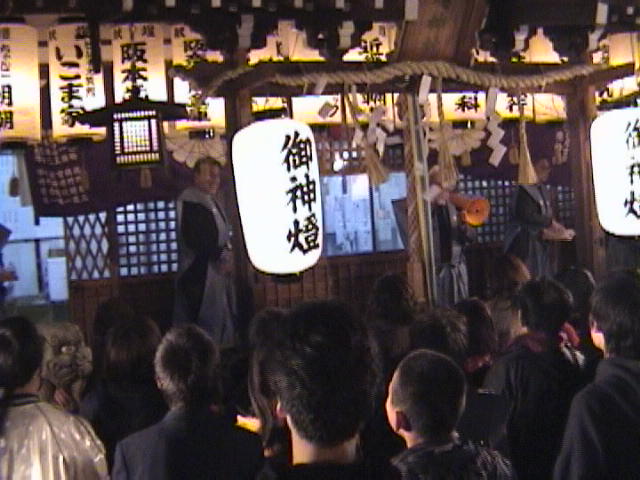 🇯🇵 JapanSetsubun節分
A Japanese seasonal rite to drive away bad luck and welcome spring with roasted beansRite · Protection · Luck and prosperity Living
🇯🇵 JapanSetsubun節分
A Japanese seasonal rite to drive away bad luck and welcome spring with roasted beansRite · Protection · Luck and prosperity Living
Related elsewhere
All tradition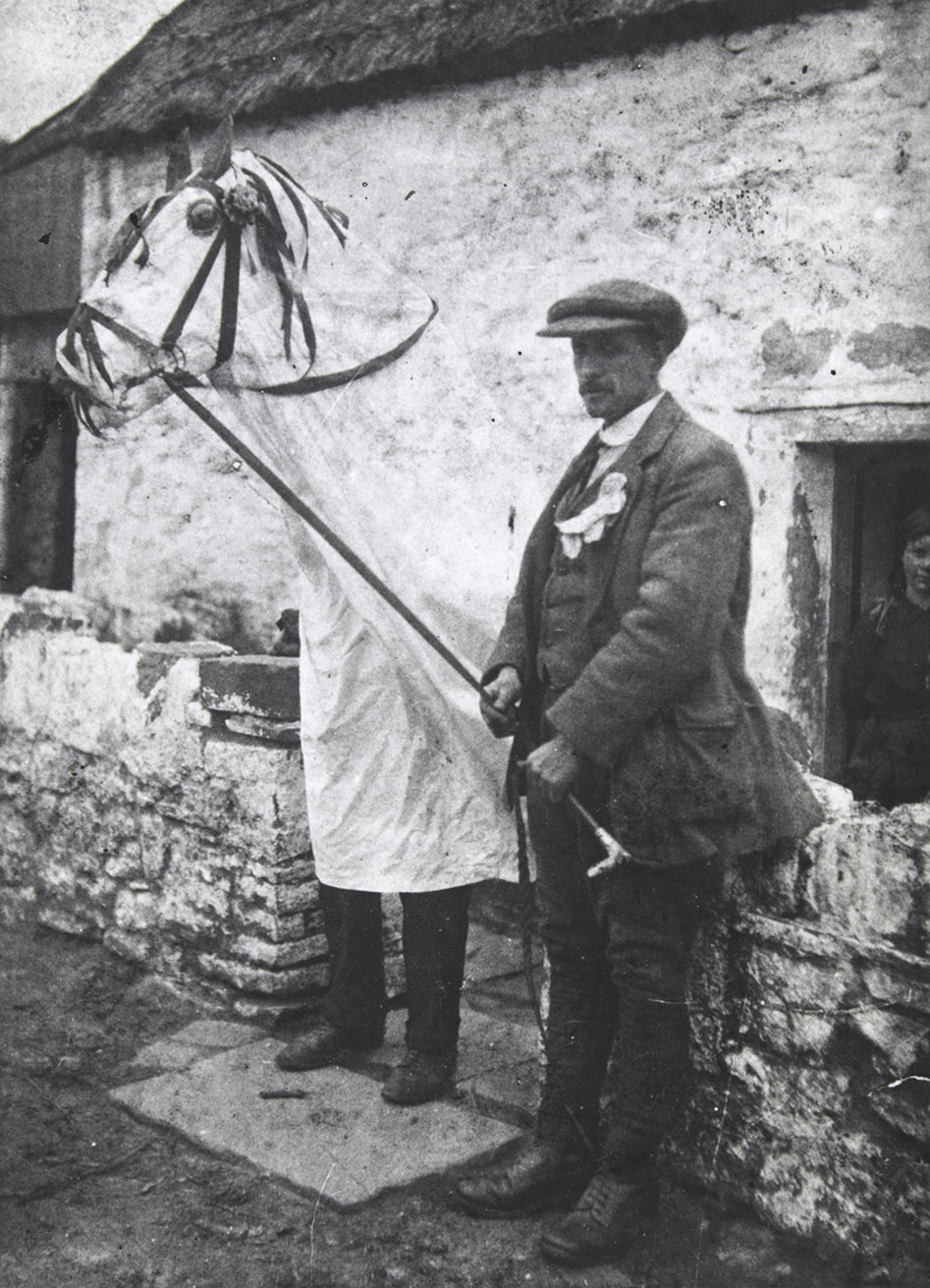 🇬🇧 United KingdomMari LwydY Fari Lwyd
A Welsh winter custom featuring a horse skull carried through villages for song and hospitality.Rite · Luck and prosperity · Wonder and entertainment Revived
🇬🇧 United KingdomMari LwydY Fari Lwyd
A Welsh winter custom featuring a horse skull carried through villages for song and hospitality.Rite · Luck and prosperity · Wonder and entertainment Revived
 🇮🇪 Ireland and 5 moreCairn
A human-made stack of stones used as a marker, memorial, or religious symbol across many cultures.Tradition · Protection · Speaking with spirits and the dead Living
🇮🇪 Ireland and 5 moreCairn
A human-made stack of stones used as a marker, memorial, or religious symbol across many cultures.Tradition · Protection · Speaking with spirits and the dead Living
 🇷🇺 Russia and 3 moreFirebird
A glowing bird of Slavic folklore that brings both fortune and peril to those who seek itFigure · Wonder and entertainment · Luck and prosperity Legendary
🇷🇺 Russia and 3 moreFirebird
A glowing bird of Slavic folklore that brings both fortune and peril to those who seek itFigure · Wonder and entertainment · Luck and prosperity Legendary
 🇩🇪 Germany and 5 moreStraw bearStrohbär
A carnival figure wrapped in straw that visits homes for gifts and marks the turning of seasons.Tradition · Luck and prosperity · Cursing and harm Living
🇩🇪 Germany and 5 moreStraw bearStrohbär
A carnival figure wrapped in straw that visits homes for gifts and marks the turning of seasons.Tradition · Luck and prosperity · Cursing and harm Living