
Ezili Dantor
In its own language: Èzili Dantò
A fierce mother spirit in Haitian Vodou who protects the marginalized and demands loyalty.
Èzili Dantò is a senior loa of the Petro family in Haitian Vodou. She represents the hardworking, protective side of womanhood and is widely venerated by single mothers and the poor.
- She is a senior loa of the Petro family in Haitian Vodou.
- Tuesdays are reserved for worshipping Èzili Dantò.
- Offerings include crème de cacao, jewels, and florida water.
- She is a patron for single mothers and the working poor.
- Legends say her tongue was cut out during the Haitian Revolution.
What it is
Èzili Dantò is a powerful spirit within Haitian Vodou. She belongs to the Petro family of lwa, which are known for their fiery and direct nature. While other Erzulie spirits represent romantic love or upper-class beauty, Dantor embodies the struggles of working women. She is seen as a fierce mother who defends children and the poor against hardship.
Where it comes from
Legends say she was a warrior during the Haitian Revolution. Some stories claim her tongue was cut out because others feared she would reveal their secrets. This silence makes her communicate through syllables when possessed. Her anger is linked to natural disasters and illness, though she remains a devoted protector at heart.
How it is done
Worshipers honor her on Tuesdays using altars decorated with blue, black, and red. Offerings include crème de cacao, jewelry, and florida water. A wild pig is sacrificed on her birthday. Devotees seek her help for employment and protection, offering undying loyalty in return.
Tools and materials
The altar requires specific colors: blue, black, and red. Common gifts are sweets like crème de cacao, precious items such as golden rings, and florida water. These items reflect her status and the devotion required from her followers.
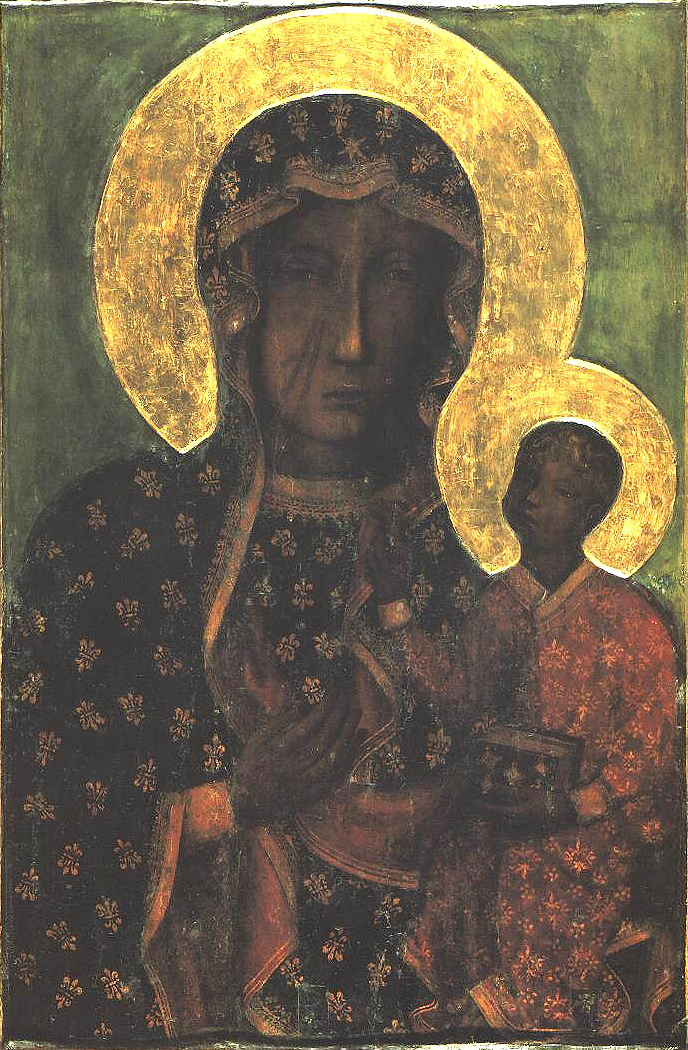
Ezili Dantor, drawn and placed
- Living
- Revived
- Fading
- Historical
- Legendary
- Performed
- Lineage
- Petro family of Haitian Vodou
- Timing
- on Tuesdays
What it is for
People ask her for work, safety for their children, and strength during difficult times. She resonates with single mothers and those facing economic struggle. In return, practitioners must show strict caution and absolute loyalty to maintain her favor.
Who does it
Mambos and houngans lead ceremonies. Single mothers often feel a special connection to her. The spirit is also associated with transgender women and effeminate men, providing a space for them within the religious community.
Peoples and places
She is central to Haitian Vodou. Her influence extends to the Dominican Republic, particularly among single mothers in the late twentieth century. Polish descendants in Haiti also maintain a unique link to her through historical ties.
At a glance: who, where and when
What people believe
She is part of a system where spirits bridge the mortal and divine worlds. Dantor’s rage can destroy, but her core nature is selfless motherhood. She suffers alongside her people and fights to protect them from oppression.
When it is done
Tuesdays are dedicated to her worship. Her birthday involves a major sacrifice. The spirit is invoked during personal crises, job searches, and moments requiring maternal protection.
How scholars and sceptics see it
Academic analysis notes her role in reflecting social hierarchies. Her rivalry with the wealthy Erzulie Freda highlights class divisions. Writers like Zora Neale Hurston have used her image to critique passive faith and colonial power structures.
Cautions and what is closed
Her anger is dangerous. Those who upset her may face severe consequences, including illness or destruction. Followers must treat her with respect and avoid betrayal, as her memory is long and her vengeance swift.
Compare and confuse
She is contrasted with Erzulie Freda, who represents luxury and romance. While Freda is light-skinned and wealthy, Dantor is dark-complexioned and identifies with the working class. Both are aspects of the Erzulie archetype.
Law and persecution
Vodou is practiced openly in Haiti. Historical accounts mention Polish soldiers joining the revolution and later settling in Haiti, creating a lasting cultural bond with Dantor that survives modern political changes.
Today
She remains a vital figure in Haitian spiritual life. Modern art and music continue to reference her. Her image as a protector of the marginalized ensures her relevance among contemporary devotees.
Questions people ask about Ezili Dantor
Who is Ezili Dantor?
She is a senior spirit in Haitian Vodou, representing the fierce, protective side of motherhood and the struggles of working-class women.
Where does this belief come from?
It originates in Haiti, rooted in the history of the Haitian Revolution and the synthesis of African traditions with local beliefs.
What day is she honored?
Devotees worship her specifically on Tuesdays, often setting up altars with blue, black, and red decorations.
Why is she important to single mothers?
She is seen as a defender of the vulnerable and a provider of strength for those raising children alone without a partner.
Good reading and sources
The facts on this page come from the Wikipedia article "Ezili Dantor", written by its contributors and used under the CC BY-SA 4.0 licence, and from its Wikidata record (CC0). EveryJaadu rewrote the text in its own words, with AI assistance, and compares every page with the article to make sure no passage is copied. It may be reused under the same CC BY-SA 4.0 licence with a link back.
It may contain mistakes. Names and customs differ from one community to the next, and some knowledge is closed to outsiders and left out here. This page describes belief and practice. It does not say that any of it works, it is not a how-to, and it is not medical advice. If something is wrong, tell us. Last refreshed 2026-10-05.
More from Haiti
All the entries from Haiti 🇭🇹 HaitiGedeGuédé
A family of spirits in Haitian Vodou who guard the dead and grant fertility.Being · Speaking with spirits and the dead · Protection Living
🇭🇹 HaitiGedeGuédé
A family of spirits in Haitian Vodou who guard the dead and grant fertility.Being · Speaking with spirits and the dead · Protection Living
 🇭🇹 Haiti and 2 moreLwa
Spirits in Haitian Vodou that mediate between people and the creator god.Being · Protection · Healing Living
🇧🇯 Benin and 2 morePapa Legba
A loa who stands at the crossroads and opens the gate between people and spiritsBeing · Speaking with spirits and the dead · Power and authority Living
🇭🇹 HaitiErzulieÈzili
A family of spirits in Haitian Vodou representing love, beauty, and protective fury.Being · Protection · Love and attraction Living
🇭🇹 Haiti and 2 moreLwa
Spirits in Haitian Vodou that mediate between people and the creator god.Being · Protection · Healing Living
🇧🇯 Benin and 2 morePapa Legba
A loa who stands at the crossroads and opens the gate between people and spiritsBeing · Speaking with spirits and the dead · Power and authority Living
🇭🇹 HaitiErzulieÈzili
A family of spirits in Haitian Vodou representing love, beauty, and protective fury.Being · Protection · Love and attraction Living
Related elsewhere
All being 🇮🇳 India and 1 moreSantoshi Mataसंतोषी माता
A Hindu goddess of contentment worshipped through a Friday ritual fast.Being · Protection · Luck and prosperity Living
🇮🇳 India and 1 moreSantoshi Mataसंतोषी माता
A Hindu goddess of contentment worshipped through a Friday ritual fast.Being · Protection · Luck and prosperity Living
 🇺🇸 United States and 5 moreMojo bag
A cloth pouch holding charms for protection, luck, or love in the Hoodoo tradition.Charm · Protection · Healing Living
🇺🇸 United States and 5 moreMojo bag
A cloth pouch holding charms for protection, luck, or love in the Hoodoo tradition.Charm · Protection · Healing Living
 🇪🇬 Egypt and 5 moreTalisman
An object believed to channel specific forces for protection, healing, or influence.Charm · Protection · Healing Historical
🇪🇬 Egypt and 5 moreTalisman
An object believed to channel specific forces for protection, healing, or influence.Charm · Protection · Healing Historical
 🇮🇪 Ireland and 1 moreBrigid's crossCros Bhríde
A woven straw charm hung for protection, named after Ireland's patron saintCharm · Protection · Luck and prosperity Living
🇮🇪 Ireland and 1 moreBrigid's crossCros Bhríde
A woven straw charm hung for protection, named after Ireland's patron saintCharm · Protection · Luck and prosperity Living