
Feng shui
In its own language: 風水
from feng (wind) and shui (water), meaning fluid or energy flow
A Chinese geomantic practice for aligning structures with cosmic energy
Feng shui is a traditional form of geomancy from ancient China that uses landscape and architecture to guide the flow of qi. It determines the orientation of buildings and tombs to harmonize people with their environment.
- Originated in China around 4000 BC with star-aligned dwellings
- Uses luopan compass to measure qi flow directions
- Imperial tombs and palaces strictly followed geomantic rules
- Classified as pseudoscience by Western skeptics
- Survived political suppression by adapting to rural communities
What it is
Feng shui is a system of geomancy originating in ancient China. It views landscapes and water bodies as channels for qi, a universal energy current. The practice aims to align human dwellings and structures with these natural flows. It encompasses astronomical, architectural, and cosmological principles. People use it to optimize fortune and maintain harmony with the universe. The term literally translates to wind and water, representing movement and fluidity.
Where it comes from
Evidence dates back to the Yangshao and Hongshan cultures around 4000 BC. Early sites like Banpo aligned doors with stars for solar gain. The Puyang tomb featured star maps oriented north-south. Astronomical observations guided early alignments before magnetic tools existed. The Zhou era codified rules in texts like the Kaogong ji. Imperial palaces and tombs followed strict geomantic layouts. The practice evolved through Han, Tang, Song, and Ming dynasties.
How it is done
Practitioners assess land forms, water paths, and building orientations. They use instruments like the luopan compass to measure energy directions. Alignments often follow cardinal points determined by stars or magnets. Structures are positioned to capture beneficial qi and avoid harmful influences. Burial sites receive similar careful placement. The goal is to create a perfect spot that balances environmental forces with human needs.
Tools and materials
The luopan is a specialized compass used for precise readings. Earlier tools included the liuren astrolabe and gnomons. These devices tracked celestial movements and magnetic north. Practitioners also reference the bagua, eight trigrams representing cosmic patterns. The five elements, metal, earth, fire, water, wood, guide material choices. Yin and yang symbols indicate balance between opposing forces.
Feng shui, drawn and placed
- Living
- Revived
- Fading
- Historical
- Legendary
- Performed
- Lineage
- Chinese folk religion
- Timing
- during construction, burial, and daily living adjustments
What it is for
People seek feng shui to improve health, wealth, and general fortune. It is used for siting homes, offices, and spiritual structures. Tombs are placed to honor ancestors and benefit descendants. The practice believes external environments shape internal states. Proper alignment brings harmony and material success. It serves as a method for managing tangible fortune through predictable rules.
Who does it
Historically, court officials and imperial astronomers conducted assessments. Specialized experts advised elites on palace and tomb locations. Later, private diviners sold services to the public market. Practitioners charge fees for analyzing sites and advising on layouts. Training involves mastering complex cosmological theories and instrument use. Status varies from respected scholars to commercial consultants.
Peoples and places
The practice originated in China and remains central to Chinese culture. It spread to Hong Kong, Taiwan, Singapore, and the Philippines. Western adoption includes the United States and Canada, often reduced to interior design. Detractors range from Jesuit missionaries to modern skeptics. In China, it survived political suppression by adapting to rural life. Global interest treats it variously as tradition or pseudoscience.
At a glance: who, where and when
Who does it
Peoples
Belief worlds
Occasions


What people believe
Qi flows through all things, carrying positive or negative life force. Yin and yang represent complementary polarities that must be balanced. The five elements interact to create equilibrium or conflict. Ancestors influence the living through buried remains and spiritual presence. The universe operates on predictable cycles visible in stars and seasons. Harmony requires aligning human activity with these cosmic rhythms.
When it is done
Construction and burial times often follow astronomical events. Winter solstice alignments were common in early Neolithic sites. Star positions determined auspicious moments for capital city founding. Daily adjustments may respond to changing energy flows. Festivals and seasonal shifts influence local geomantic considerations. The practice integrates lunar and solar calendars into site planning.
How scholars and sceptics see it
Western philosophy of science generally classifies feng shui as non-scientific. Some skeptics label it a pseudoscience due to lack of empirical evidence. Anthropologists study its role in cultural identity and colonial resistance. Historians note its use in legitimizing imperial authority through the Mandate of Heaven. Scholars observe its reduction to commercial interior design in the West.
Cautions and what is closed
Colonial powers and missionaries criticized the practice as superstition. Political regimes have suppressed it during campaigns for ideological purity. Commercial consultants may charge high fees without providing genuine value. Skeptics argue it lacks scientific basis for predicting outcomes. Misuse can lead to social division when invoked against foreign infrastructure.
Compare and confuse
Feng shui is often confused with general astrology or fortune telling. It shares concepts with Chinese medicine regarding qi and balance. Similar geomantic traditions exist globally but differ in specific techniques. Western interior design borrows aesthetic elements while ignoring cosmological rules. Daoist practices overlap significantly in ritual and theoretical foundations.
Rites that involve Feng shui
Questions people ask about Feng shui
What does feng shui mean?
It means wind and water in Chinese, representing the flow of energy. The term describes how natural forces move through landscapes and structures. Practitioners believe this flow affects human fortune and harmony.
Where did feng shui originate?
It originated in ancient China, with evidence from 4000 BC. Early cultures used astronomy to align buildings with stars. The practice developed through Zhou dynasty codification and imperial usage.
How is feng shui practiced today?
Consultants advise on home and office layouts for better fortune. It is used in China, Asia, and increasingly in the West. Many treat it as interior design rather than a spiritual practice.
Is feng shui considered science?
Western scientists generally classify it as non-scientific or pseudoscience. It relies on traditional cosmology rather than empirical testing. Scholars study it as a cultural phenomenon instead of a physical law.
Good reading and sources
- Feng shui on WikipediaEncyclopedia
- More photos on Wikimedia CommonsPhotos and video
- Wikidata recordOpen data
The facts on this page come from the Wikipedia article "Feng shui", written by its contributors and used under the CC BY-SA 4.0 licence, and from its Wikidata record (CC0). EveryJaadu rewrote the text in its own words, with AI assistance, and compares every page with the article to make sure no passage is copied. It may be reused under the same CC BY-SA 4.0 licence with a link back.
It may contain mistakes. Names and customs differ from one community to the next, and some knowledge is closed to outsiders and left out here. This page describes belief and practice. It does not say that any of it works, it is not a how-to, and it is not medical advice. If something is wrong, tell us. Last refreshed 2026-10-05.
More from China
All the entries from China 🇨🇳 China and 5 moreGhost FestivalZhongyuan Festival; Yulanpen Festival
A festival to feed wandering spirits and guide them home during the seventh lunar month.Tradition · Speaking with spirits and the dead · Protection Living
🇨🇳 China and 5 moreGhost FestivalZhongyuan Festival; Yulanpen Festival
A festival to feed wandering spirits and guide them home during the seventh lunar month.Tradition · Speaking with spirits and the dead · Protection Living
 🇲🇳 Mongolia and 1 moreTsagaan SarЦагаан сар
A Mongol lunisolar new year marked by white clothes and dairy feastsTradition · Luck and prosperity · Speaking with spirits and the dead Living
🇲🇳 Mongolia and 1 moreTsagaan SarЦагаан сар
A Mongol lunisolar new year marked by white clothes and dairy feastsTradition · Luck and prosperity · Speaking with spirits and the dead Living
 🇨🇳 ChinaChinese alchemy煉丹術
A Taoist pursuit of longevity through elixirs and internal cultivationTradition · Healing · Speaking with spirits and the dead Historical
🇨🇳 ChinaChinese alchemy煉丹術
A Taoist pursuit of longevity through elixirs and internal cultivationTradition · Healing · Speaking with spirits and the dead Historical
 🇨🇳 China and 1 moreAncestor veneration in China中國傳統宗法性宗教
Rites for dead kin who are thought to watch over the familyTradition · Protection · Speaking with spirits and the dead Living
🇨🇳 China and 1 moreAncestor veneration in China中國傳統宗法性宗教
Rites for dead kin who are thought to watch over the familyTradition · Protection · Speaking with spirits and the dead Living
Related elsewhere
All tradition 🇫🇷 France and 5 moreYule log
A large wooden log burned in the hearth during winter festivals across Europe and North America.Tradition · Protection · Luck and prosperity Living
🇫🇷 France and 5 moreYule log
A large wooden log burned in the hearth during winter festivals across Europe and North America.Tradition · Protection · Luck and prosperity Living
 🇰🇭 Cambodia and 3 moreSak Yantសាក់យ័ន្ត
A Southeast Asian tattoo tradition using sacred geometry for protection and powerTradition · Protection · Luck and prosperity Living
🇰🇭 Cambodia and 3 moreSak Yantសាក់យ័ន្ត
A Southeast Asian tattoo tradition using sacred geometry for protection and powerTradition · Protection · Luck and prosperity Living
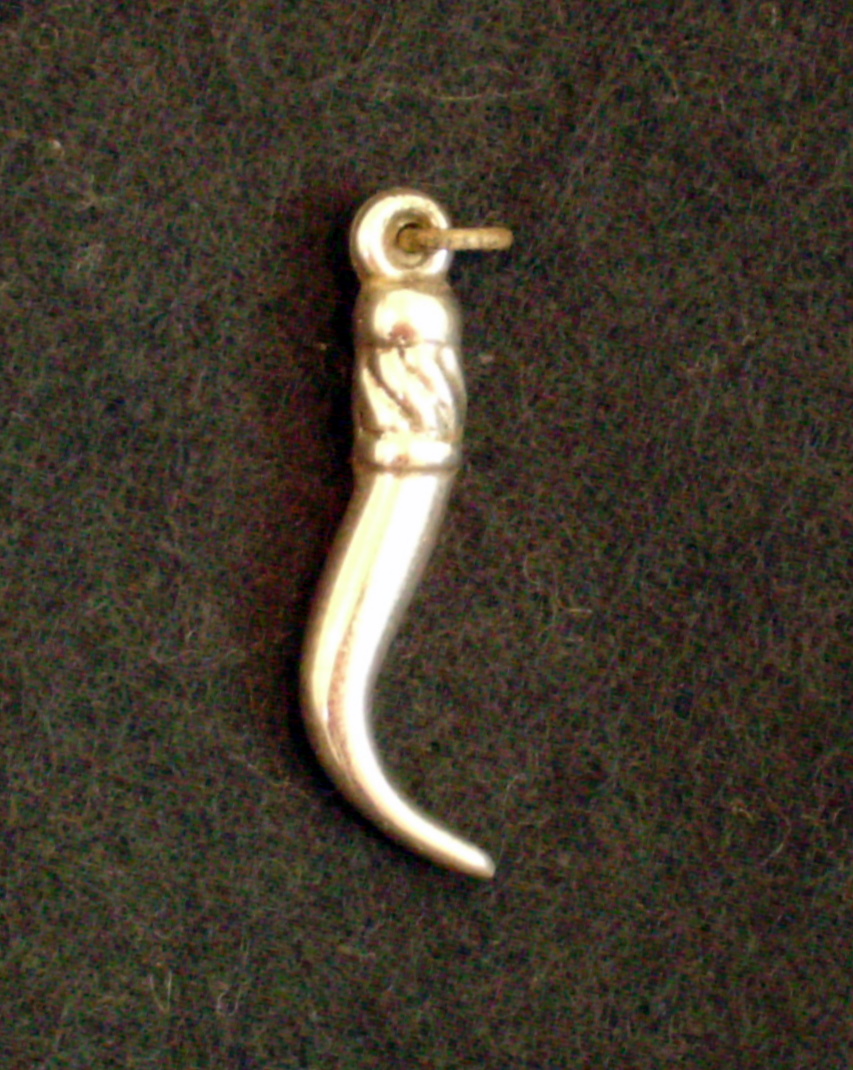 🇮🇹 ItalyCornicello
A twisted horn charm worn in Italy to ward off the evil eye and invite luck.Charm · Protection · Luck and prosperity Living
🇮🇹 ItalyCornicello
A twisted horn charm worn in Italy to ward off the evil eye and invite luck.Charm · Protection · Luck and prosperity Living
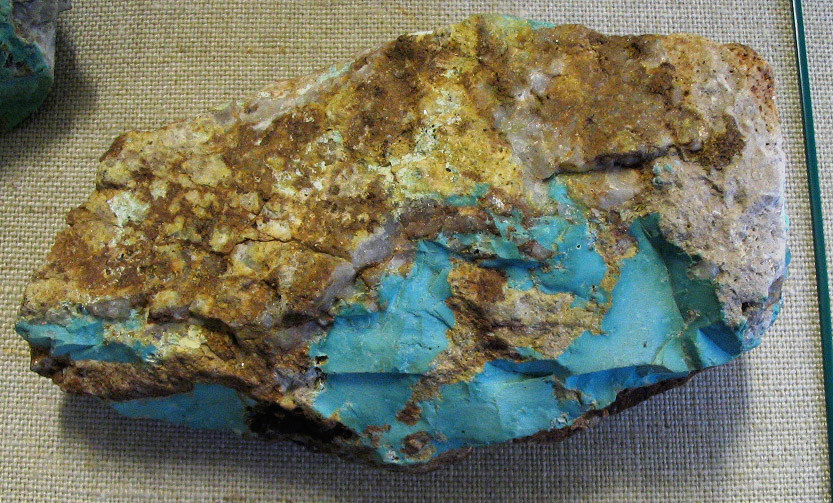 🇮🇷 Iran and 5 moreTurquoise
An opaque blue-green gemstone prized for its color since ancient timesSubstance · Protection · Luck and prosperity Living
🇮🇷 Iran and 5 moreTurquoise
An opaque blue-green gemstone prized for its color since ancient timesSubstance · Protection · Luck and prosperity Living