
Amulet
from Latin amuletum, meaning an object that protects from trouble
A portable object worn or carried to ward off harm and invite fortune
An amulet is a physical item believed to shield its owner from danger or bring good luck. People across many cultures and eras have used these objects as part of their spiritual or folk practices. They range from simple stones to complex inscribed texts.
- Pliny the Elder defined the term as a protector from trouble
- Earliest examples found in predynastic Egypt
- Jewish amulets prioritize text over images due to idol prohibitions
- Romans wore metal chains and boxes containing sulfur
- Chinese Taoists use calligraphy known as fulu for protection
What it is
This term describes a portable object intended to safeguard the wearer from misfortune or evil influences. While often used interchangeably with talisman, an amulet specifically focuses on defense rather than attracting power. These items can be made from almost any material, including stone, metal, plant matter, or written text. They are distinct from pendants, which are primarily decorative, though a pendant can also serve an amuletic function if it is believed to offer protection.
Where it comes from
The word derives from the Latin amuletum, defined by Pliny the Elder as something that guards against distress. Archaeological evidence shows their use dates back to the predynastic Badarian period in Egypt. The practice spread through the ancient Mediterranean, influencing Greek and Roman societies, and later appearing in West Asia and East Asia through trade and cultural exchange.
How it is done
These objects are typically worn around the neck, attached to clothing, or kept in a pocket. In some traditions, they are placed near a sick person’s bed or carried in small containers. Some require a blessing from a religious figure, while others rely on the user's personal faith.
Tools and materials
Materials vary widely by region and era. Ancient Egyptians favored faience, stone, and gold, often shaping them into animals or gods like the scarab or Eye of Horus. Romans used metals and gemstones associated with specific deities. Jewish amulets emphasize Hebrew script and divine names. Chinese practitioners use calligraphy on paper or cloth. Common materials include silver, copper, lead, and various hard stones.
Amulet, drawn and placed
- Living
- Revived
- Fading
- Historical
- Legendary
- Performed
- Lineage
- Folk magic and religious devotion
- Timing
- Daily wear or specific life events like birth
What it is for
The primary intent is protection against the evil eye, disease, demons, or bad luck. They are also used to ensure safe childbirth, protect children, or bring general fortune. In medical contexts, they were combined with herbal remedies to treat illness. Parents might give them to children for safety, and individuals might wear them during daily activities to maintain spiritual balance.
Who does it
They are used by ordinary people in their homes, as well as by specialized healers, priests, and rabbis who create them. In some cultures, midwives or folk doctors craft specific charms for mothers and infants. Religious authorities may bless mass-produced items, while others are handmade by the user or a trusted community member.
Peoples and places
Ancient Egyptians used them extensively for both the living and the dead. Romans adopted Greek traditions, wearing chains and boxes containing protective substances. Jewish communities used inscribed scrolls and necklaces, avoiding idolatrous images. Christians utilized crosses, medals, and holy water. Muslims and Jews in the Middle East used metal sheets with incantations. Chinese Taoists employed calligraphic talismans.
At a glance: who, where and when


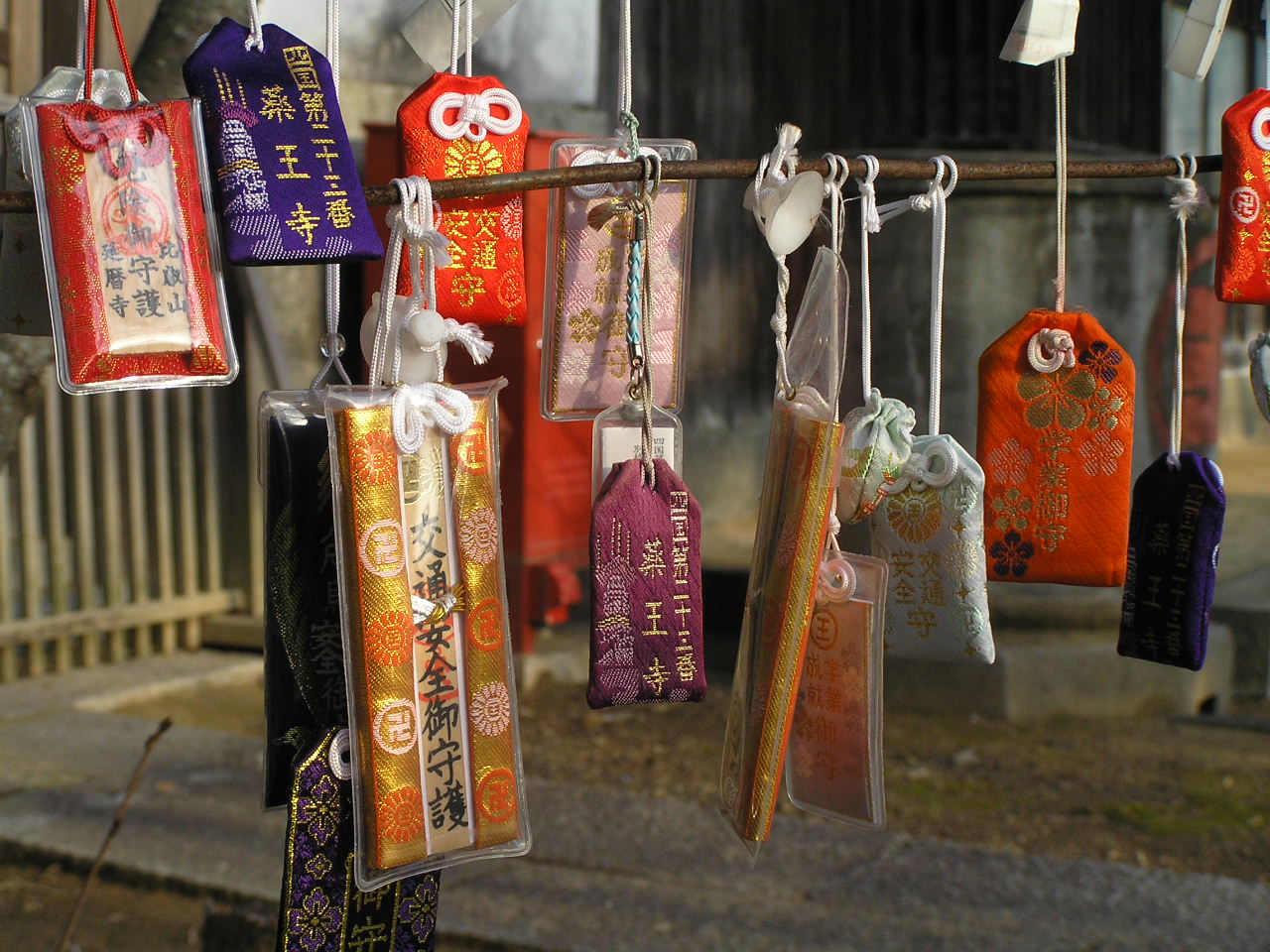

What people believe
The underlying belief is that spiritual forces can interact with the physical world through symbolic objects. For believers, these items act as conduits for divine protection or barriers against malevolent spirits. The effectiveness is often tied to the purity of the user’s faith or the proper ritual consecration of the object.
When it is done
They are worn daily as a constant source of protection. Specific types are used during life transitions, such as pregnancy and childbirth. In Egypt, pregnant women wore goddess figures, switching to child-protecting symbols after birth. In Jewish tradition, newborn boys might wear protective collars during circumcision ceremonies.
How scholars and sceptics see it
Anthropologists view amulets as expressions of human attempts to control uncertainty and fear. Historians trace their evolution through religious and cultural shifts. Skeptics argue that their power is psychological, providing comfort and confidence rather than actual magical protection. Scholars note the blurring line between religious sacramentals and folk magic in many traditions.
Cautions and what is closed
In some historical periods, the use of certain amulets was condemned by religious authorities as superstition or idolatry. Misuse or fraud by fake healers selling false protections has been a recurring issue. In extreme cases, accusations of witchcraft related to amulet making led to persecution. Modern users should be aware of cultural appropriation when adopting practices from other traditions.
Compare and confuse
Amulets are often confused with pendants, which are jewelry pieces without protective intent. Talismans are similar but traditionally focus on attracting positive energy rather than repelling negative forces. Phylacteries are a specific type of Jewish amulet containing scripture, distinct from general protective charms.
Rites that involve Amulet
Questions people ask about Amulet
What is an amulet?
It is a portable object believed to protect the wearer from harm or bring good luck. It can be made of stone, metal, or text and is worn or carried for spiritual defense.
Where does the word come from?
It comes from the Latin word amuletum, which ancient writers described as an item that shields a person from distress or trouble.
How is it different from a talisman?
While often used interchangeably, amulets are generally for protection against evil, whereas talismans are believed to attract positive powers or fortune.
What materials are used?
Common materials include stone, metal, bone, wood, and paper. Ancient Egyptians used faience, while Jews used parchment with inscriptions.
Good reading and sources
- Amulet on WikipediaEncyclopedia
- More photos on Wikimedia CommonsPhotos and video
- Wikidata recordOpen data
The facts on this page come from the Wikipedia article "Amulet", written by its contributors and used under the CC BY-SA 4.0 licence, and from its Wikidata record (CC0). EveryJaadu rewrote the text in its own words, with AI assistance, and compares every page with the article to make sure no passage is copied. It may be reused under the same CC BY-SA 4.0 licence with a link back.
It may contain mistakes. Names and customs differ from one community to the next, and some knowledge is closed to outsiders and left out here. This page describes belief and practice. It does not say that any of it works, it is not a how-to, and it is not medical advice. If something is wrong, tell us. Last refreshed 2026-10-05.
More from Egypt
All the entries from Egypt 🇮🇳 India and 5 moreAstrology
A divinatory practice that reads human fate through the positions of celestial bodies.Belief · Seeing and foretelling · Luck and prosperity Living
🇮🇳 India and 5 moreAstrology
A divinatory practice that reads human fate through the positions of celestial bodies.Belief · Seeing and foretelling · Luck and prosperity Living
 🇪🇬 Egypt and 1 moreSphinx
A mythical hybrid with a human head and lion body, serving as guardian or riddler in Egyptian and Greek traditions.Being · Protection · Wonder and entertainment Legendary
🇪🇬 Egypt and 1 moreBook of Thoth
A collection of ancient Egyptian texts attributed to the god of writing and knowledge.Text · Power and authority · Seeing and foretelling Historical
🇪🇬 Egypt and 1 moreSphinx
A mythical hybrid with a human head and lion body, serving as guardian or riddler in Egyptian and Greek traditions.Being · Protection · Wonder and entertainment Legendary
🇪🇬 Egypt and 1 moreBook of Thoth
A collection of ancient Egyptian texts attributed to the god of writing and knowledge.Text · Power and authority · Seeing and foretelling Historical
 🇪🇬 Egypt and 1 moreMyomancy
A divination practice that reads omens in the actions of rats and miceOracle · Seeing and foretelling Historical
🇪🇬 Egypt and 1 moreMyomancy
A divination practice that reads omens in the actions of rats and miceOracle · Seeing and foretelling Historical
Related elsewhere
All charm 🇧🇪 Belgium and 2 moreHorseshoe
A metal shoe for a horse's hoof and a talisman of good fortuneCharm · Protection · Luck and prosperity Living
🇧🇪 Belgium and 2 moreHorseshoe
A metal shoe for a horse's hoof and a talisman of good fortuneCharm · Protection · Luck and prosperity Living
 🇨🇳 China and 3 moreChinese dragon龍
A legendary water deity and imperial symbol in East Asian cultureBeing · Protection · Luck and prosperity Historical
🇨🇳 China and 3 moreChinese dragon龍
A legendary water deity and imperial symbol in East Asian cultureBeing · Protection · Luck and prosperity Historical
 🇮🇹 Italy and 5 morePrecious coral
A marine skeleton harvested for jewelry and worn as a protective charm in several culturesSubstance · Protection · Healing Living
🇮🇹 Italy and 5 morePrecious coral
A marine skeleton harvested for jewelry and worn as a protective charm in several culturesSubstance · Protection · Healing Living
 🇮🇳 India and 5 moreKolamகோலம்
A daily geometric floor drawing made with rice flour at the home entrance in South IndiaTradition · Protection · Luck and prosperity Living
🇮🇳 India and 5 moreKolamகோலம்
A daily geometric floor drawing made with rice flour at the home entrance in South IndiaTradition · Protection · Luck and prosperity Living