
Hydromancy
from Ancient Greek hydor (water) and manteia (divination)
Divination using water to reveal the future or judge legitimacy.
Hydromancy is a method of divination that uses water to predict events or interpret omens. Practitioners observe ripples, colors, and floating objects in pools, rivers, or vessels. The practice appears in ancient Greek texts and was recorded by scholars describing various cultural customs.
- Derived from Greek words for water and divination.
- Includes scrying and observing ripples in water.
- Used to judge legitimacy of newborn Germanic children.
- Classified as one of the seven forbidden arts.
- Del Rio described methods using rings and pebbles.
What it is
Hydromancy is an ancient form of divination centered on the use of water. It involves interpreting signs found in liquid surfaces, such as ripples, colors, and floating objects. This practice includes staring into water to induce a trance state, known as scrying. Historically, it was classified among the forbidden arts alongside necromancy and geomancy. Different cultures developed specific techniques for reading these watery omens.
Where it comes from
The term originates from Ancient Greek words for water and divination. Early methods included observing rain or spring water, which received specific names like hydatoscopy and pegomancy. Scholars like M. A. Del Rio documented various techniques used in different eras. The practice was also linked to the study of fountains and their waters during conflicts like the Mithridatic War.
How it is done
Practitioners employed several distinct techniques to read omens. One method involved dropping a ring into a shaken vessel and counting strikes against the sides. Another required throwing pebbles into standing water to analyze the resulting circles. Observers also watched for spontaneous ebullience in water after speaking words over it. Some methods used oil drops to create reflective surfaces for visions.
Tools and materials
Common tools included simple natural elements like water, pebbles, and oil. Specific items such as hanging rings, glass vessels, and floating bread were used to trigger reactions. The choice of water source mattered, with rain, springs, and rivers each having dedicated ritual roles. Containers varied from bowls to deep fountains depending on the specific technique.
Hydromancy, drawn and placed
- Living
- Revived
- Fading
- Historical
- Legendary
- Performed
- Lineage
- ancient divination systems
- Timing
- during rituals, births, and wars
What it is for
The primary goal was to foresee future events or determine luck. In some Germanic traditions, it served to judge the legitimacy of newborn children by seeing if they sank or swam. Other uses included predicting outcomes of wars or receiving oracles from deities associated with specific fountains. It acted as a bridge between the physical world and spiritual insight.
Who does it
Various groups practiced these rites, including Oriental Christians and women in Germany who watched river currents. Diviners interpreted the signs based on established cultural rules. The practice required specific knowledge of how different materials reacted with water. Scholars later recorded these methods, preserving the techniques for historical study.
Peoples and places
Ancient Greeks developed the foundational terminology and early concepts. Germanic tribes used water trials for social judgments regarding birth status. Oriental Christians incorporated water agitation into annual baptismal customs. These diverse groups adapted the core principle of water observation to fit their specific societal needs and religious frameworks.
At a glance: who, where and when
Who does it
Belief worlds
What people believe
The underlying belief held that water could reflect spiritual truths or divine will. Objects sinking or floating were seen as direct messages from gods or fate. Staring into water was thought to open the mind to visions beyond normal perception. The reaction of water to foreign objects was interpreted as a response to human questions or conditions.
When it is done
Specific occasions triggered these practices, such as the birth of a child or times of crisis. Annual festivals involving baptism included specific water-related rituals. Wars prompted visits to fountains for prognostications. The timing often aligned with significant life events or periods of uncertainty requiring guidance.
Questions people ask about Hydromancy
What is hydromancy?
It is a method of divination using water to predict the future. Practitioners look at ripples, colors, and floating objects in pools or vessels to find omens.
Where does the word come from?
It comes from Ancient Greek hydor meaning water and manteia meaning divination. This reflects its core function of seeking knowledge through liquid.
How was it used in Germany?
Germanic tribes reportedly threw newborn children into rivers. If the child swam, they were considered legitimate; if they drowned, they were deemed illegitimate.
Good reading and sources
The facts on this page come from the Wikipedia article "Hydromancy", written by its contributors and used under the CC BY-SA 4.0 licence, and from its Wikidata record (CC0). EveryJaadu rewrote the text in its own words, with AI assistance, and compares every page with the article to make sure no passage is copied. It may be reused under the same CC BY-SA 4.0 licence with a link back.
It may contain mistakes. Names and customs differ from one community to the next, and some knowledge is closed to outsiders and left out here. This page describes belief and practice. It does not say that any of it works, it is not a how-to, and it is not medical advice. If something is wrong, tell us. Last refreshed 2026-10-05.
More from Greece
All the entries from Greece 🇬🇷 Greece and 2 moreAstragalomancy
Divination by casting marked bones, carved rods, or numbered diceOracle · Seeing and foretelling · Speaking with spirits and the dead Living
🇬🇷 Greece and 2 moreAstragalomancy
Divination by casting marked bones, carved rods, or numbered diceOracle · Seeing and foretelling · Speaking with spirits and the dead Living
 🇬🇷 Greece and 5 moreSpodomancy
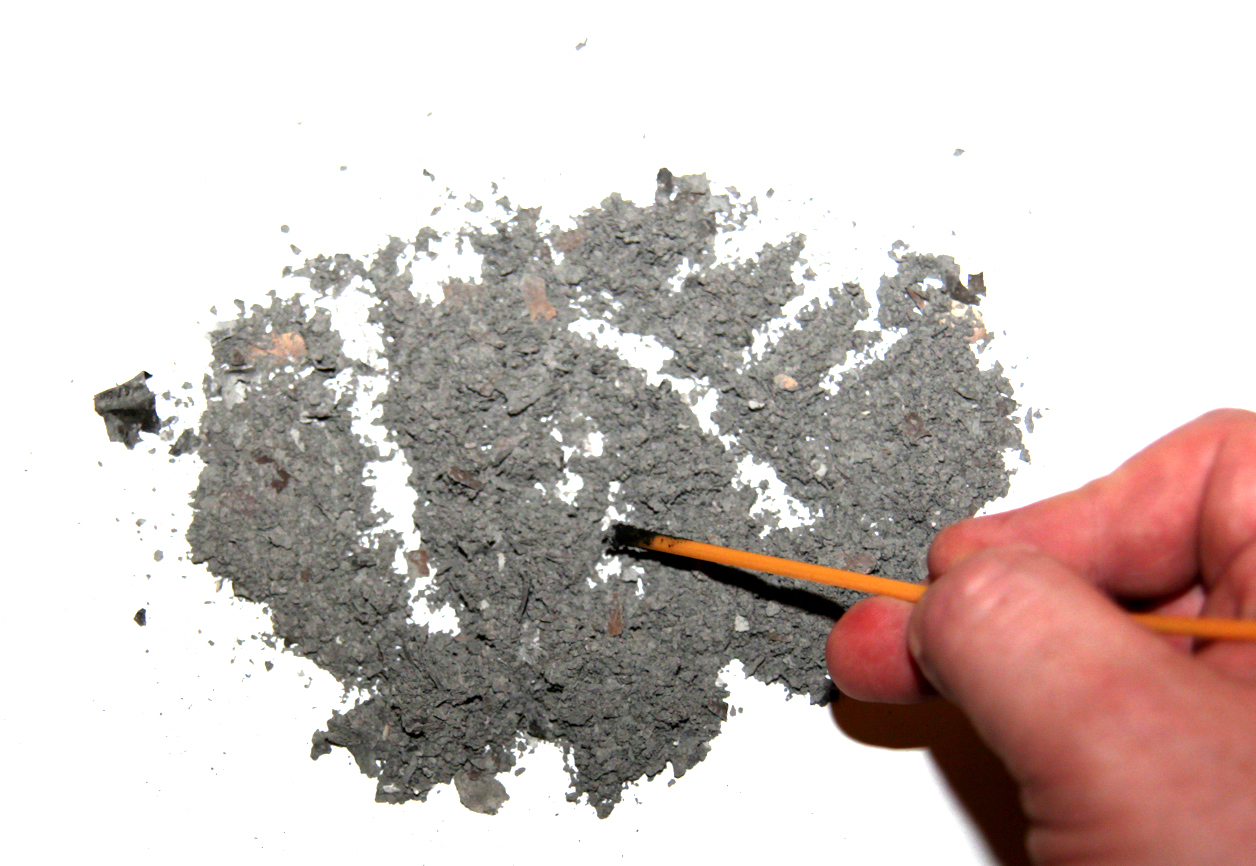
Divination by reading omens in ashes, soot, and cindersOracle · Seeing and foretelling · Healing Living
🇬🇷 Greece and 5 moreSpodomancy
Divination by reading omens in ashes, soot, and cindersOracle · Seeing and foretelling · Healing Living
 🇬🇷 GreeceCoscinomancy
A divination method using a sieve and shears to reveal guilt or answer questions.Oracle · Seeing and foretelling Historical
🇬🇷 Greece and 3 morePyromancy
Divination by reading flames, smoke, or fire-heated objectsOracle · Seeing and foretelling Historical
🇬🇷 GreeceCoscinomancy
A divination method using a sieve and shears to reveal guilt or answer questions.Oracle · Seeing and foretelling Historical
🇬🇷 Greece and 3 morePyromancy
Divination by reading flames, smoke, or fire-heated objectsOracle · Seeing and foretelling Historical
Related elsewhere
All oracle 🇮🇳 India and 5 moreAstrology
A divinatory practice that reads human fate through the positions of celestial bodies.Belief · Seeing and foretelling · Luck and prosperity Living
🇮🇳 India and 5 moreAstrology
A divinatory practice that reads human fate through the positions of celestial bodies.Belief · Seeing and foretelling · Luck and prosperity Living
 🇮🇳 IndiaHindu astrologyज्योतिष (Jyotiṣa)
A traditional Hindu system of astrology and timekeeping rooted in the VedasTradition · Seeing and foretelling · Luck and prosperity Living
🇮🇳 IndiaHindu astrologyज्योतिष (Jyotiṣa)
A traditional Hindu system of astrology and timekeeping rooted in the VedasTradition · Seeing and foretelling · Luck and prosperity Living
 🇮🇳 India and 5 moreCowrie
A sea snail shell used as currency, divination tool, and charm across many culturesSubstance · Seeing and foretelling · Luck and prosperity Living
🇮🇳 India and 5 moreCowrie
A sea snail shell used as currency, divination tool, and charm across many culturesSubstance · Seeing and foretelling · Luck and prosperity Living
 🇺🇸 United States and 1 moreGroundhog DayGrund'sau dåk
A North American custom using a burrowing rodent to forecast the end of winterTradition · Seeing and foretelling · Luck and prosperity Living
🇺🇸 United States and 1 moreGroundhog DayGrund'sau dåk
A North American custom using a burrowing rodent to forecast the end of winterTradition · Seeing and foretelling · Luck and prosperity Living