
Bindi
In its own language: बिंदी
from Sanskrit bindú meaning point, drop, or small particle
A dot worn on the forehead to mark spiritual focus and cultural identity
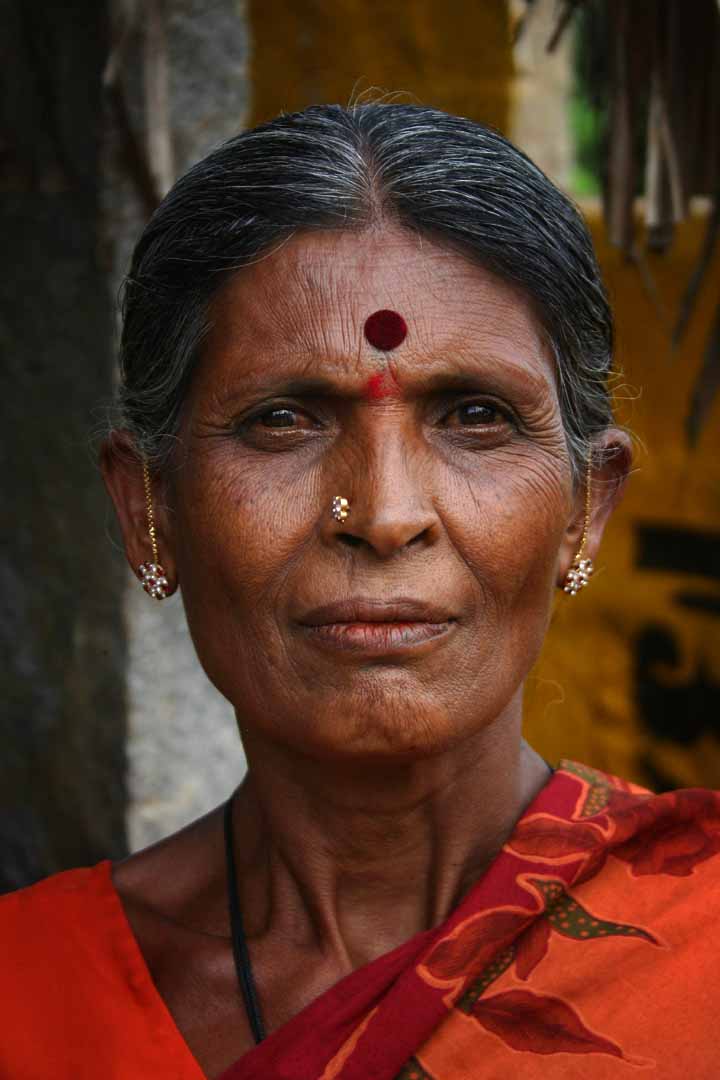
The bindi is a coloured dot or sticker placed on the centre of the forehead. It originates in the Indian subcontinent and Southeast Asia. Practitioners wear it to signify spiritual awareness, marital status, or simply as decoration.
- Derived from Sanskrit for 'point' or 'drop'
- Marks the Ajna chakra between the eyebrows
- Traditionally worn by married Hindu women
- Used as an amulet against the evil eye
- Modern stickers replace traditional kumkum powder
What it is
The bindi is a coloured dot applied to the forehead between the eyebrows. It serves as a marker of religious identity, marital status, or aesthetic style. The practice spans Hindu, Jain, and Buddhist communities across South and Southeast Asia. Historically, it functioned as a spiritual anchor. Today, it appears as a traditional ritual object or a modern fashion accessory.
Where it comes from
Archaeological finds from the Indus Valley show clay figurines with red pigment on the forehead. The Rig Veda mentions the word Bindu. The term derives from Sanskrit for a point or drop. The custom likely evolved from ancient rituals involving sacred powders. Over time, it became integrated into daily life and marriage ceremonies.
How it is done
Traditionally, women apply kumkum or vermilion powder using their ring finger. A sticky wax paste may be used first to help the colour adhere. Modern versions use self-adhesive stickers made of felt or metal. Some regional styles involve crescent shapes or tilaks drawn with kohl. The application is usually done at home before leaving the house.
Tools and materials
Kumkum, made from red turmeric, is the primary material. Vermilion powder provides the bright red colour. Wax helps the dot stay in place. Stickers offer a disposable alternative. Kohl is used by some communities for black dots. Gold and jewels adorn larger ceremonial spangles.
Bindi, drawn and placed
- Living
- Revived
- Fading
- Historical
- Legendary
- Performed
- Lineage
- Indian subcontinental traditions
- Timing
- daily, weddings, festivals
What it is for
The dot marks the Ajna chakra, associated with intuition and concentration. Married women wear it to symbolise prosperity and commitment to their husband. Widows traditionally do not wear it. It acts as an amulet against the evil eye in some regions. It also serves as a sign of cultural heritage and respect for tradition.
Who does it
Married women are the primary practitioners in Hindu tradition. Unmarried girls may wear small decorative spots. Widows typically abstain from wearing them. In Bengal, both Hindu and Muslim women wear the teep. In Sindh, Sindhi women apply dots for protection. The practice is passed down through family customs and social norms.
Peoples and places
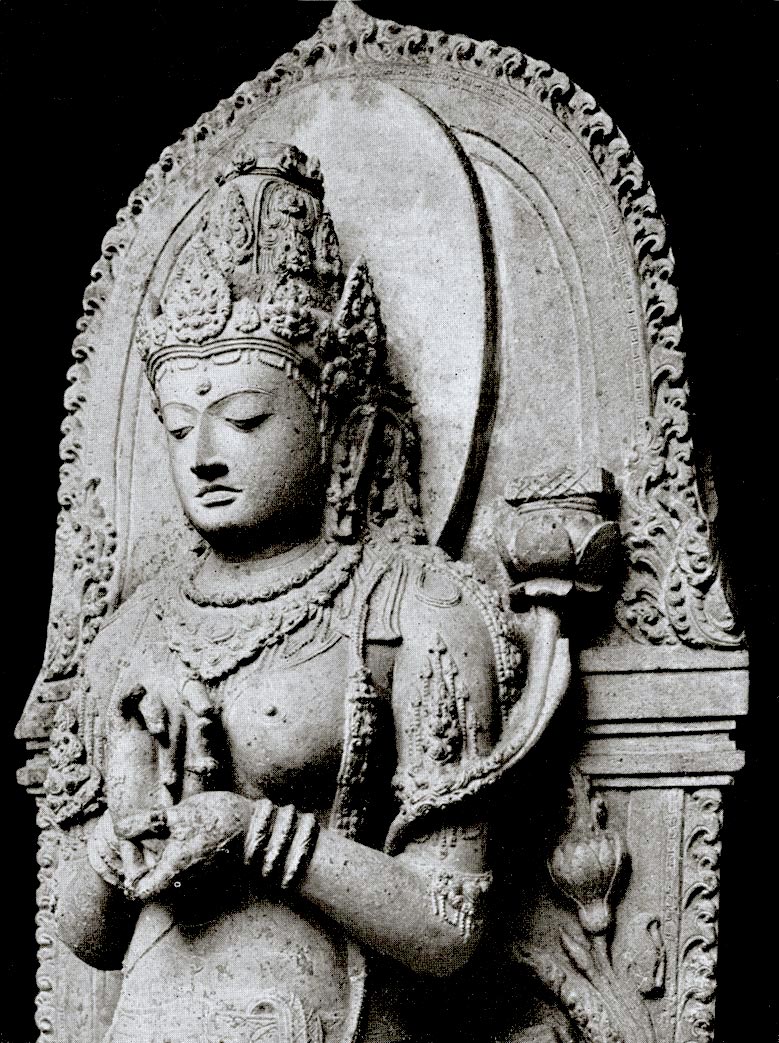
The bindi is central to Hindu culture in India, Nepal, and Sri Lanka. Balinese and Javanese people in Indonesia also wear it. Sindhi women in Pakistan use black dots as protective marks. Bengali women call it teep and wear it during festivals. The custom reflects shared cultural histories across these diverse groups.
At a glance: who, where and when
Who does it
Belief worlds
Occasions


What people believe
The spot between the eyebrows is the seat of concealed wisdom. It connects the Ida and Pingala energy channels. Activation of this centre is said to overcome ego. The bindi represents the third eye, which sees beyond physical reality. It is linked to the syllable Om and divine unity. Wearing it aligns the wearer with spiritual guidance.
When it is done
Women wear bindis daily as part of their routine. Brides receive special markings during wedding ceremonies. Festivals like Durga Puja and Saraswati Puja see widespread use. The dot remains on the forehead throughout the day. It is removed only at night or when bathing.
How scholars and sceptics see it
Anthropologists view the bindi as a marker of social identity and gender roles. Historians trace its roots to ancient Vedic texts and Indus Valley artifacts. Critics argue that commercialisation dilutes its spiritual meaning. Scholars note the distinction between religious significance and fashion trends.
Cautions and what is closed
Some religious leaders oppose wearing bindis as mere fashion accessories. They argue it disrespects the symbol's sacred nature. Cultural appropriation debates arise when non-Indians wear them without context. Misuse can cause skin irritation from adhesives. The decline in some areas reflects changing religious attitudes.
Compare and confuse
The tilak is a similar mark often made with ash or clay. The third eye concept appears in various esoteric traditions. Forehead markings exist in other Asian cultures. The bindi differs in its specific placement and association with the Ajna chakra. It is distinct from hair-parting vermilion marks.
Days linked to Bindi
Questions people ask about Bindi
What does the bindi symbolize?
It marks the Ajna chakra, representing intuition and spiritual focus. For married women, it signifies prosperity and commitment. It also serves as a protective amulet in some traditions.
Who wears the bindi?
Married Hindu women traditionally wear it. It is also worn by Jains and Buddhists. In Bengal, Muslim women wear the teep. Sindhi women use dots for protection regardless of religion.
How is a traditional bindi applied?
Women apply kumkum or vermilion powder with their ring finger. Wax paste helps it stick. Modern versions use adhesive stickers. Regional styles vary in shape and colour.
Why do some people criticize wearing bindis as fashion?
Religious leaders say it disrespects the symbol's sacred meaning. They argue it should not be used merely for style. This debate highlights tensions between tradition and global fashion trends.
Good reading and sources
- Bindi on WikipediaEncyclopedia
- More photos on Wikimedia CommonsPhotos and video
- Wikidata recordOpen data
The facts on this page come from the Wikipedia article "Bindi", written by its contributors and used under the CC BY-SA 4.0 licence, and from its Wikidata record (CC0). EveryJaadu rewrote the text in its own words, with AI assistance, and compares every page with the article to make sure no passage is copied. It may be reused under the same CC BY-SA 4.0 licence with a link back.
It may contain mistakes. Names and customs differ from one community to the next, and some knowledge is closed to outsiders and left out here. This page describes belief and practice. It does not say that any of it works, it is not a how-to, and it is not medical advice. If something is wrong, tell us. Last refreshed 2026-10-05.
More from India
All the entries from India 🇮🇳 IndiaChakraचक्र
Meditation points in the subtle body used in Hindu and Buddhist yogaTradition · Speaking with spirits and the dead · Change and initiation Living
🇮🇳 IndiaPanchagavya
A fermented mixture of five cow products used in Hindu rituals and Ayurvedic traditions.Substance · Cleansing and purification · Healing Living
🇮🇳 IndiaChakraचक्र
Meditation points in the subtle body used in Hindu and Buddhist yogaTradition · Speaking with spirits and the dead · Change and initiation Living
🇮🇳 IndiaPanchagavya
A fermented mixture of five cow products used in Hindu rituals and Ayurvedic traditions.Substance · Cleansing and purification · Healing Living
 🇮🇳 India and 1 moreHeliotrope
A green and red mineral stone used as an amulet for health, invisibility, and courage.Charm · Protection · Healing Historical
🇮🇳 India and 1 moreHeliotrope
A green and red mineral stone used as an amulet for health, invisibility, and courage.Charm · Protection · Healing Historical
 🇮🇳 India and 5 moreKolamகோலம்
A daily geometric floor drawing made with rice flour at the home entrance in South IndiaTradition · Protection · Luck and prosperity Living
🇮🇳 India and 5 moreKolamகோலம்
A daily geometric floor drawing made with rice flour at the home entrance in South IndiaTradition · Protection · Luck and prosperity Living
Related elsewhere
All charm 🇨🇳 China and 3 moreChinese dragon龍
A legendary water deity and imperial symbol in East Asian cultureBeing · Protection · Luck and prosperity Historical
🇨🇳 China and 3 moreChinese dragon龍
A legendary water deity and imperial symbol in East Asian cultureBeing · Protection · Luck and prosperity Historical
 🇮🇶 IraqBabylonian astrology
The first organized system of celestial divination in the ancient Near EastTradition · Protection · Seeing and foretelling Historical
🇮🇶 IraqBabylonian astrology
The first organized system of celestial divination in the ancient Near EastTradition · Protection · Seeing and foretelling Historical
 🇰🇭 Cambodia and 3 moreSak Yantសាក់យ័ន្ត
A Southeast Asian tattoo tradition using sacred geometry for protection and powerTradition · Protection · Luck and prosperity Living
🇰🇭 Cambodia and 3 moreSak Yantសាក់យ័ន្ត
A Southeast Asian tattoo tradition using sacred geometry for protection and powerTradition · Protection · Luck and prosperity Living
 🇦🇺 Australia and 1 moreTattoo
A permanent mark made by placing pigment under the skin to form a design.Tradition · Protection · Power and authority Living
🇦🇺 Australia and 1 moreTattoo
A permanent mark made by placing pigment under the skin to form a design.Tradition · Protection · Power and authority Living