Luck and prosperity
Charms for fortune, success, a good harvest and a safe journey.
Luck magic aims at fortune, success, wealth and a safe passage. People keep lucky charms, perform money rites, pour offerings to a god of wealth, and avoid unlucky days. Examples include the Chinese lucky cat and the red packet, the Japanese daruma doll, the Indian worship of Lakshmi at Diwali, the European four-leaf clover and horseshoe, and the Hoodoo mojo bag. This page looks at what luck means and who profits from it.
Ideas of luck
Cultures differ on what luck is. In China, fortune is tied to fate, timing and the placement of objects, giving rise to feng shui and the choice of lucky numbers. In West Africa, success is linked to a person's destiny and the help of the orisha or ancestors. In Europe, luck came to be seen as chance, with charms to tilt it. Many societies see wealth as shared and fear that good fortune attracts envy. Merchants, farmers, gamblers and students are the usual customers, and the amounts asked of them range from a coin to a lifetime of savings.
Customs
Customs are domestic and mostly small. Merchants in Taiwan and China burn paper offerings and put out fruit at the start of the month. Fishers and sailors keep charms and avoid certain words. Gamblers, students and athletes have habits they will not break. Many rites involve giving something away, since reciprocity is thought to keep fortune moving. Lucky days are often chosen by calendar or astrologer, so that a shop opens, a wedding is held or a journey begins on a favourable date.
Schemes and scams
Luck is easy to sell. Lottery charms, gemstone bracelets and sellers who promise riches for a fee make money from hope. Fraud involving fake spiritualists who say a client's money is cursed and must be handed over is documented in many countries. Playing games of chance with charms may feel harmless, but anyone struggling with gambling should seek real help. Some wealth rites are public and religious, as with Diwali lamps for Lakshmi and the Lunar New Year offerings to the god of wealth, and some are private and quiet.
Scholars and sceptics
Psychologists have found that carrying a lucky charm can raise confidence and performance in some tasks, without changing the odds of chance. Economists study the role of luck in success. Religious authorities differ: some see lucky objects as idolatry, others as harmless custom, and prosperity churches around the world teach a faith-based version of the same hope. Those who struggle with debt or gambling harm should look for practical advice, since a charm does not change the odds or pay the bills.
Luck and prosperity on EveryJaadu
The entries written up so far, best known first.
 🇪🇬 Egypt and 3 moreAmulet
A portable object worn or carried to ward off harm and invite fortuneCharm · Protection · Luck and prosperity Living
🇪🇬 Egypt and 3 moreAmulet
A portable object worn or carried to ward off harm and invite fortuneCharm · Protection · Luck and prosperity Living
 🇮🇹 ItalyFortunaFortūna
The Roman goddess of luck and fate, shown with a wheel and a horn of plentyBeing · Luck and prosperity · Seeing and foretelling Historical
🇮🇹 ItalyFortunaFortūna
The Roman goddess of luck and fate, shown with a wheel and a horn of plentyBeing · Luck and prosperity · Seeing and foretelling Historical
 🇮🇳 IndiaHindu astrologyज्योतिष (Jyotiṣa)
A traditional Hindu system of astrology and timekeeping rooted in the VedasTradition · Seeing and foretelling · Luck and prosperity Living
🇮🇳 IndiaHindu astrologyज्योतिष (Jyotiṣa)
A traditional Hindu system of astrology and timekeeping rooted in the VedasTradition · Seeing and foretelling · Luck and prosperity Living
 🇬🇹 Guatemala and 3 moreMaya religion
The living spiritual practices of the Maya peoples, shaped by centuries of contact with Catholicism.Tradition · Protection · Healing Living
🇬🇹 Guatemala and 3 moreMaya religion
The living spiritual practices of the Maya peoples, shaped by centuries of contact with Catholicism.Tradition · Protection · Healing Living
 🇮🇪 Ireland and 5 moreBonfire
A large outdoor fire used in seasonal festivals and religious feasts across many culturesRite · Cleansing and purification · Speaking with spirits and the dead Living
🇮🇪 Ireland and 5 moreBonfire
A large outdoor fire used in seasonal festivals and religious feasts across many culturesRite · Cleansing and purification · Speaking with spirits and the dead Living
 🇯🇵 JapanOmamori御守/お守り
Japanese amulets from shrines and temples for luck and protectionCharm · Protection · Luck and prosperity Living
🇯🇵 JapanOmamori御守/お守り
Japanese amulets from shrines and temples for luck and protectionCharm · Protection · Luck and prosperity Living
 🇪🇪 Estonia and 5 moreFern flower
A mythical bloom said to bring fortune and unlock secrets, found only on midsummer night.Belief · Luck and prosperity · Love and attraction Living
🇪🇪 Estonia and 5 moreFern flower
A mythical bloom said to bring fortune and unlock secrets, found only on midsummer night.Belief · Luck and prosperity · Love and attraction Living
 🇺🇸 United States and 1 moreOjibwe religion
The traditional spiritual practices of the Ojibwe people of North AmericaTradition · Healing · Luck and prosperity Living
🇺🇸 United States and 1 moreOjibwe religion
The traditional spiritual practices of the Ojibwe people of North AmericaTradition · Healing · Luck and prosperity Living
 🇮🇪 Ireland and 3 moreChangeling
A substitute left by supernatural beings in place of a stolen human child or adultBeing · Cursing and harm · Luck and prosperity Legendary
🇮🇪 Ireland and 3 moreChangeling
A substitute left by supernatural beings in place of a stolen human child or adultBeing · Cursing and harm · Luck and prosperity Legendary
 🇹🇷 Turkey and 1 moreTurkish folkloreTürk halk kültürü
A rich body of oral tales, jokes, and rituals from Turkey and the Turkic worldTradition · Protection · Healing Living
🇹🇷 Turkey and 1 moreTurkish folkloreTürk halk kültürü
A rich body of oral tales, jokes, and rituals from Turkey and the Turkic worldTradition · Protection · Healing Living
 🇷🇺 Russia and 2 moreCaul
A birth membrane kept as a talisman for luck and protection from drowningCharm · Protection · Luck and prosperity Historical
🇷🇺 Russia and 2 moreCaul
A birth membrane kept as a talisman for luck and protection from drowningCharm · Protection · Luck and prosperity Historical
 🇮🇩 IndonesiaPenjorᬧᬾᬜ᭄ᚚᚚᭀᬃ
A curved bamboo pole marking prosperity in Balinese Hindu ceremonyTradition · Luck and prosperity · Power and authority Living
🇮🇩 IndonesiaPenjorᬧᬾᬜ᭄ᚚᚚᭀᬃ
A curved bamboo pole marking prosperity in Balinese Hindu ceremonyTradition · Luck and prosperity · Power and authority Living
 🇮🇸 Iceland and 1 moreNornsnornir
Fate-weaving figures from Norse myth who shape human destiny and tend the world tree.Being · Cursing and harm · Luck and prosperity Historical
🇮🇸 Iceland and 1 moreNornsnornir
Fate-weaving figures from Norse myth who shape human destiny and tend the world tree.Being · Cursing and harm · Luck and prosperity Historical
 🇿🇦 South Africa and 1 moreMutiumuthi
Traditional medicine practice in Southern Africa using plants, animals and mineralsTradition · Healing · Protection Living
🇿🇦 South Africa and 1 moreMutiumuthi
Traditional medicine practice in Southern Africa using plants, animals and mineralsTradition · Healing · Protection Living
 🇯🇵 JapanKami神
Spirits and deities of Shinto, found in nature, ancestors, and placesBeing · Protection · Luck and prosperity Living
🇯🇵 JapanKami神
Spirits and deities of Shinto, found in nature, ancestors, and placesBeing · Protection · Luck and prosperity Living
 🇮🇳 India and 1 moreNakshatraनक्षत्रम् (Nakṣatram)
A system of lunar mansions used in Hindu and Buddhist astrology to map the sky.Tradition · Seeing and foretelling · Luck and prosperity Living
🇮🇳 India and 1 moreNakshatraनक्षत्रम् (Nakṣatram)
A system of lunar mansions used in Hindu and Buddhist astrology to map the sky.Tradition · Seeing and foretelling · Luck and prosperity Living
 🇬🇷 Greece and 1 moreHydromancy
Divination using water to reveal the future or judge legitimacy.Oracle · Seeing and foretelling · Luck and prosperity Historical
🇬🇷 Greece and 1 moreHydromancy
Divination using water to reveal the future or judge legitimacy.Oracle · Seeing and foretelling · Luck and prosperity Historical
 🇬🇹 Guatemala and 1 moreTzolkʼinAj Ilabal Qʼij
A 260-day cycle used by the Maya for divination and ritual timingTradition · Seeing and foretelling · Luck and prosperity Living
🇬🇹 Guatemala and 1 moreTzolkʼinAj Ilabal Qʼij
A 260-day cycle used by the Maya for divination and ritual timingTradition · Seeing and foretelling · Luck and prosperity Living
 🇺🇦 Ukraine and 1 moreUkrainian folklore
The folk traditions of Ukraine and its ethnic communitiesTradition · Speaking with spirits and the dead · Luck and prosperity Living
🇺🇦 Ukraine and 1 moreUkrainian folklore
The folk traditions of Ukraine and its ethnic communitiesTradition · Speaking with spirits and the dead · Luck and prosperity Living
 🇨🇿 Czech RepublicCzech folklore
The folk traditions of the Czech people, from seasonal rites to music and craft.Tradition · Protection · Luck and prosperity Living
🇨🇿 Czech RepublicCzech folklore
The folk traditions of the Czech people, from seasonal rites to music and craft.Tradition · Protection · Luck and prosperity Living
 🇳🇬 Nigeria and 1 moreBoriBòòríí
A traditional Hausa spirit possession system and healing practice in West AfricaTradition · Healing · Luck and prosperity Living
🇳🇬 Nigeria and 1 moreBoriBòòríí
A traditional Hausa spirit possession system and healing practice in West AfricaTradition · Healing · Luck and prosperity Living
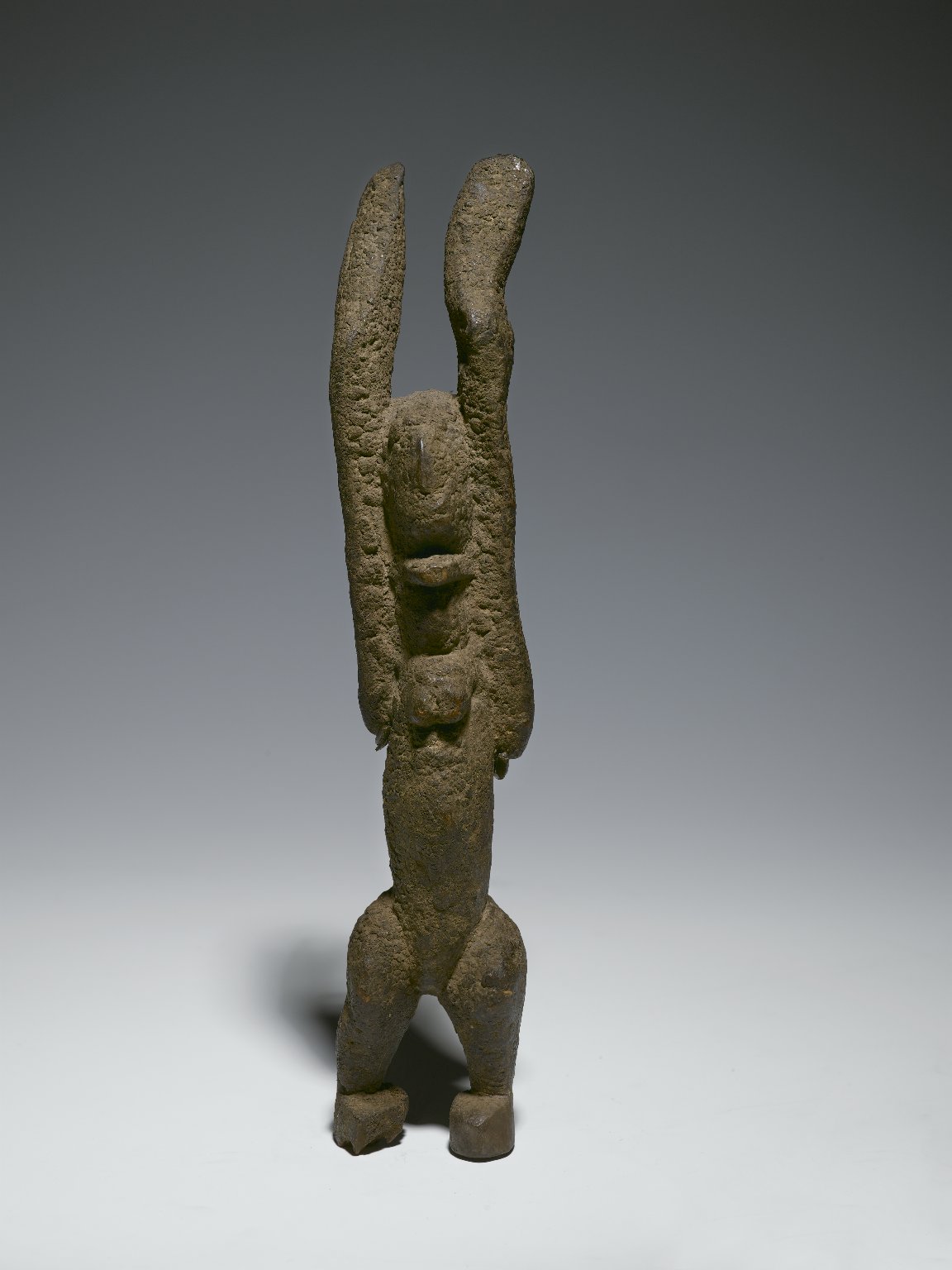 🇲🇱 MaliDogon religion
The traditional spiritual beliefs of the Dogon people of MaliTradition · Protection · Speaking with spirits and the dead Living
🇲🇱 MaliDogon religion
The traditional spiritual beliefs of the Dogon people of MaliTradition · Protection · Speaking with spirits and the dead Living
 🇮🇹 Italy and 2 moreBulla
A round Roman amulet given to freeborn boys as a mark of status and protectionCharm · Protection · Luck and prosperity Historical
🇮🇹 Italy and 2 moreBulla
A round Roman amulet given to freeborn boys as a mark of status and protectionCharm · Protection · Luck and prosperity Historical
 🇯🇵 JapanSaruboboさるぼぼ
A faceless red doll from Japan, given as a charm for family and fortuneCharm · Luck and prosperity · Protection Living
🇯🇵 JapanSaruboboさるぼぼ
A faceless red doll from Japan, given as a charm for family and fortuneCharm · Luck and prosperity · Protection Living
 🇱🇦 Laos and 3 moreTai folk religionສາສະໜາຜີ
Spirits, ancestor rites, and soul-calling ceremonies of the Tai peoplesTradition · Protection · Healing Living
🇱🇦 Laos and 3 moreTai folk religionສາສະໜາຜີ
Spirits, ancestor rites, and soul-calling ceremonies of the Tai peoplesTradition · Protection · Healing Living
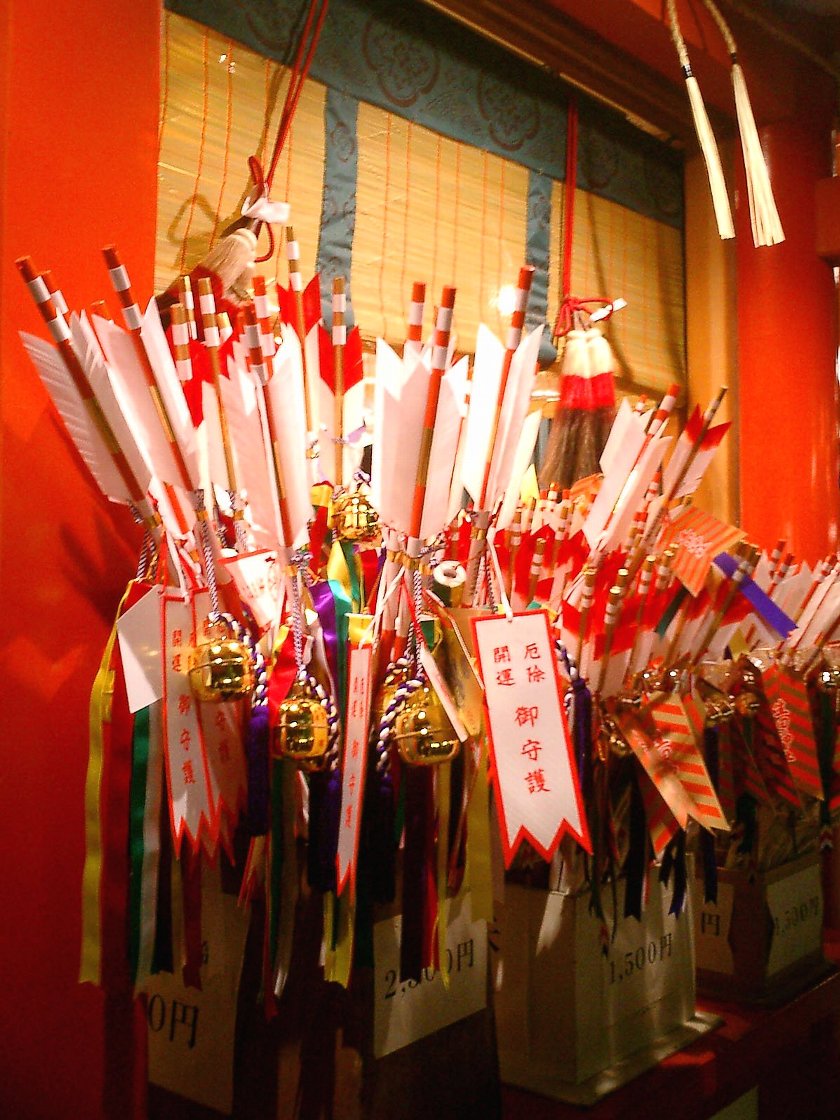 🇯🇵 JapanHamaya破魔矢
A blunt arrow given at shrines to ward off evil and secure good luck for the new yearCharm · Protection · Luck and prosperity Living
🇯🇵 JapanHamaya破魔矢
A blunt arrow given at shrines to ward off evil and secure good luck for the new yearCharm · Protection · Luck and prosperity Living
 🇮🇳 IndiaVedic astrologyJyotiṣa
A traditional Hindu system of astrology rooted in Vedic study and timekeepingTradition · Seeing and foretelling · Luck and prosperity Living
🇪🇬 Egypt and 5 moreAmulet
A portable object worn or carried to ward off harm and invite protection.Charm · Protection · Healing Living
🇺🇦 Ukraine and 1 moreStrichaСтріча
A Slavic goddess who spins the golden thread of human destiny and good fortuneBeing · Luck and prosperity · Protection Historical
🇮🇳 IndiaVedic astrologyJyotiṣa
A traditional Hindu system of astrology rooted in Vedic study and timekeepingTradition · Seeing and foretelling · Luck and prosperity Living
🇪🇬 Egypt and 5 moreAmulet
A portable object worn or carried to ward off harm and invite protection.Charm · Protection · Healing Living
🇺🇦 Ukraine and 1 moreStrichaСтріча
A Slavic goddess who spins the golden thread of human destiny and good fortuneBeing · Luck and prosperity · Protection Historical
 🇨🇳 China and 1 moreLock charms家锁 / 锁片 (jiā suǒ / suǒ piàn)
A Chinese metal pendant shaped like a lock to protect children from harm and death.Charm · Protection · Luck and prosperity Historical
🇮🇱 IsraelSegulaסגולה
A Jewish charm or ritual believed to bring protection, healing, or blessings.Charm · Protection · Healing Living
🇨🇳 China and 1 moreLock charms家锁 / 锁片 (jiā suǒ / suǒ piàn)
A Chinese metal pendant shaped like a lock to protect children from harm and death.Charm · Protection · Luck and prosperity Historical
🇮🇱 IsraelSegulaסגולה
A Jewish charm or ritual believed to bring protection, healing, or blessings.Charm · Protection · Healing Living
 🇺🇸 United States and 4 moreTooth fairy
A childhood figure who exchanges lost baby teeth for gifts or coins.Figure · Luck and prosperity Living
🇺🇸 United States and 4 moreTooth fairy
A childhood figure who exchanges lost baby teeth for gifts or coins.Figure · Luck and prosperity Living
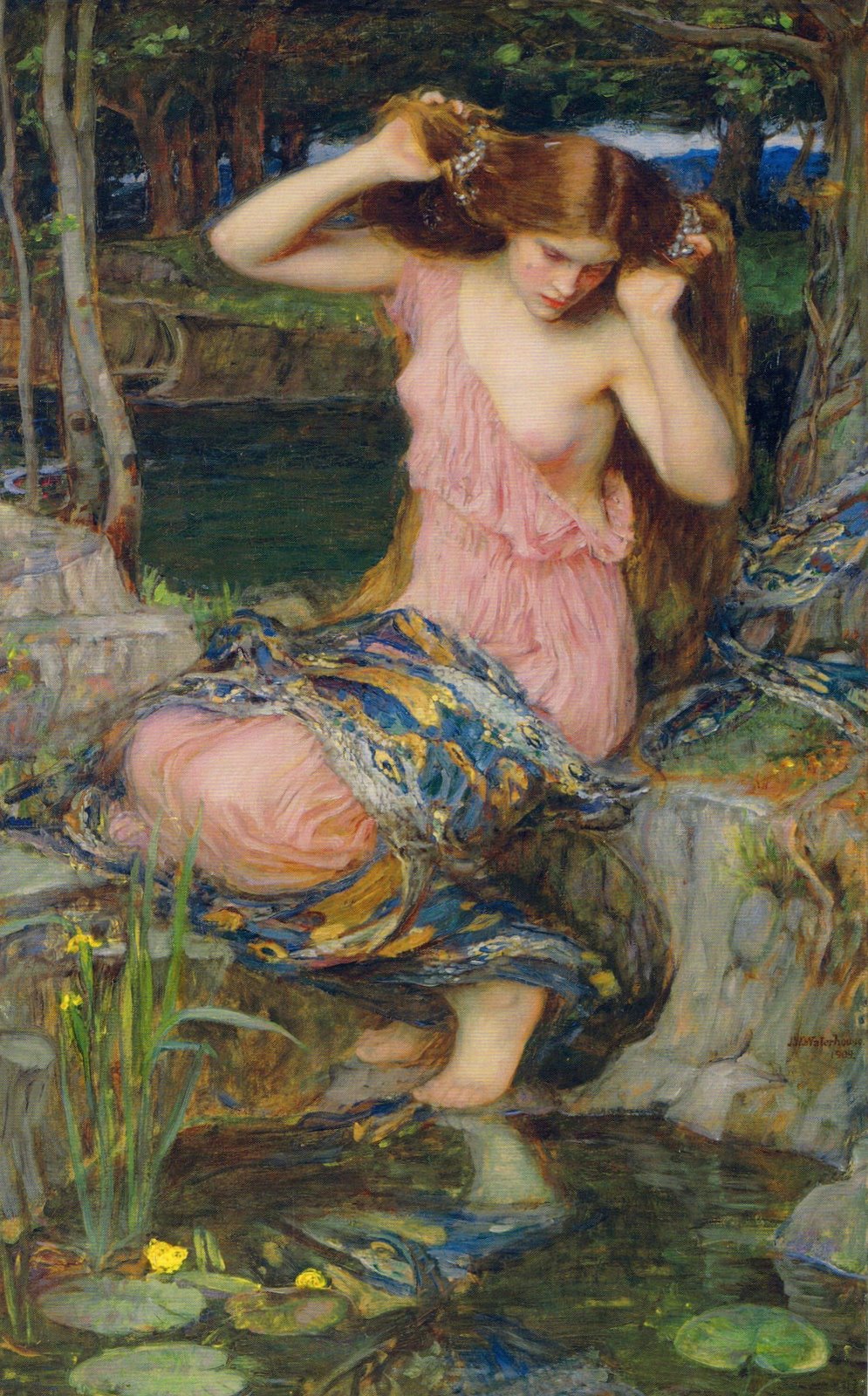 🇪🇸 SpainAnjanaanˈhana / an.xa.nɜ
Cantabrian fairies who protect forests and bring gifts to children.Being · Protection · Luck and prosperity Historical
🇫🇷 FranceMargot the fairy
Earthly fairies of Brittany known for dancing, building monuments, and testing human guests.Being · Luck and prosperity · Cursing and harm Historical
🇪🇸 SpainAnjanaanˈhana / an.xa.nɜ
Cantabrian fairies who protect forests and bring gifts to children.Being · Protection · Luck and prosperity Historical
🇫🇷 FranceMargot the fairy
Earthly fairies of Brittany known for dancing, building monuments, and testing human guests.Being · Luck and prosperity · Cursing and harm Historical
 🇨🇳 ChinaSuperstition in China
A broad category for folk beliefs and rituals dismissed as backward by modern Chinese authoritiesBelief · Protection · Luck and prosperity Living
🇩🇪 GermanyWitte Wiwer
Subterranean spirits of Low German folklore known for music and child exchangeBeing · Cursing and harm · Luck and prosperity Legendary
🇨🇳 ChinaSuperstition in China
A broad category for folk beliefs and rituals dismissed as backward by modern Chinese authoritiesBelief · Protection · Luck and prosperity Living
🇩🇪 GermanyWitte Wiwer
Subterranean spirits of Low German folklore known for music and child exchangeBeing · Cursing and harm · Luck and prosperity Legendary
 🇮🇳 India and 5 moreLock of hair
A piece of human hair kept for symbolic, sentimental, or superstitious reasons.Substance · Protection · Luck and prosperity Living
🇮🇳 India and 5 moreLock of hair
A piece of human hair kept for symbolic, sentimental, or superstitious reasons.Substance · Protection · Luck and prosperity Living
 🇹🇭 ThailandPla taphianปลาตะเพียนสาน
A woven palm leaf fish mobile hung as a blessing for health and plentyCharm · Protection · Luck and prosperity Living
🇹🇭 ThailandPla taphianปลาตะเพียนสาน
A woven palm leaf fish mobile hung as a blessing for health and plentyCharm · Protection · Luck and prosperity Living
Photo credits on this page
The small pictures above come from Wikimedia Commons under free licences. Some are cropped to fit.
- Maya mythology: Unknown author, Public domain, source
- Sarubobo: Unknown author, CC BY-SA 3.0, source
- Fortuna: Charles Samuel, CC BY-SA 4.0, source
- Vedic astrology: Freedomji, CC BY-SA 4.0, source
- Bonfire: S Marshall, CC BY 3.0, source
- Xana: John William Waterhouse, Public domain, source
- Amulet: Anonymous ( Egypt ) Unknown author, Public domain, source
- Bulla: Anonymous ( Category:Etruscans ) Unknown author, Public domain, source
- Tai folk religion: ( เทวประภาส มากคล้าย ), Tevaprapas, Public domain, source
- Amniomancy: JC Brand, CC BY-SA 4.0, source
- Changeling: Henry Fuseli, Public domain, source
- Hamaya: Tomomarusan, CC BY 2.5, source
- Norns: file: James Steakley ; artwork: Gustav Heidenreich, Public domain, source
- Kami: Bernard Gagnon, CC BY-SA 3.0, source
- Nakshatra: Kishorekumar 62, CC BY-SA 3.0, source
- Hydromancy: Roger McLassus, CC BY-SA 3.0, source
- Tzolkʼin: Lacambalam, CC BY-SA 4.0, source
- Ukrainian folklore: U.S. Army Europe Images, CC BY 2.0, source
- Czech folklore: Biser Todorov, CC BY-SA 4.0, source
- Bori: Tremearne, A. J. N. (Arthur John Newman), 1877-1915, Public domain, source
- Dogon religion: Unknown author, CC BY 3.0, source
- Omamori: Leongboy1, Public domain, source
- Fern flower: Antoni Piotrowski, Public domain, source
- Muti: Nicholas Roux, CC BY-SA 4.0, source
- Tooth fairy: Eden, CC BY 2.0, source
- Penjor: Chainwit., CC BY-SA 4.0, source
- Turkish folklore: Biser Todorov, CC BY-SA 4.0, source
- Pla taphian: Mr.Peerapong Prasutr, CC BY-SA 4.0, source
- Superstition in China: Gary Todd, CC0, source
- Lock of hair: Unknown author, CC0, source
- Ojibwe religion: Ryan Hodnett, CC BY-SA 4.0, source
- Lock charms: Scott Semans World Coins (CoinCoin.com)., CC BY 3.0, source
- Hindu astrology: Unknown author, CC BY 4.0, source