🇨🇳 Magic in China
247 entries from China, best known first, across 80 places of magic.
Chinese folk religion is a syncretic blend of ancestral veneration, spirit worship, and teachings from Buddhism, Confucianism, and Taoism. It lacks a centralized structure but forms the cultural bedrock for Han Chinese communities worldwide.
- Syncretic blend of Buddhism, Confucianism, and Taoism emerged by the Song dynasty
- Core concepts include yin-yang balance and moral reciprocity (bao ying)
- Government classifies it as cultural heritage rather than an official religion
- Ancestor veneration and spirit worship form the basis of daily practice
- Participation depends on community belonging rather than formal conversion
Overview
This tradition weaves together local customs with broader philosophical systems. It centers on honoring ancestors and worshipping spirits that inhabit places or represent natural forces. The practices merged significantly during the Song dynasty, creating a flexible religious landscape. Unlike organized faiths with strict memberships, it relies on community participation and kinship ties. Core ideas include the balance of yin and yang energies and the concept of moral reciprocity. This worldview influences daily life, health practices, and environmental harmony, serving as a shared cultural heritage rather than a formal institution.
Practices and beliefs
Devotees engage in ancestor veneration and offer prayers to deities associated with specific locations or family lineages. Common activities include consulting feng shui principles to align living spaces with natural energies. Traditional medicine and acupuncture reflect these cosmological beliefs by balancing bodily forces. People also seek blessings from gods like Caishen for wealth or Mazu for safe travel. Oracles and divination tools help interpret fate and divine will. These practices are deeply integrated into social interactions and household routines.
Rites and charms
Ceremonies often involve offerings of food, incense, and paper items at home altars or local temples. Rituals mark life events such as births, marriages, and deaths, ensuring spiritual protection for the community. Pilgrimages to sacred sites strengthen local bonds and honor specific deities. Festivals feature processions, performances, and communal feasts dedicated to local gods. Sweeping rituals and seasonal offerings maintain harmony between humans and the spirit world. These acts reinforce social cohesion and respect for ancestral traditions.
Who practises
Leadership is typically informal, rooted in local temple committees or lineage elders. Shamans or mediums may facilitate communication with spirits during ceremonies. Healers use traditional methods based on cosmological theories rather than formal medical degrees. Participation does not require conversion or official initiation. Instead, belonging to a village or kinship group defines one's involvement. Scholars and community elders preserve ritual knowledge and guide religious activities without hierarchical authority.
Regions and communities
Practices vary significantly across provinces and villages, reflecting local environments and histories. Coastal areas often emphasize sea deities like Mazu, while inland regions focus on agricultural gods. Urban centers integrate folk beliefs with modern lifestyles, whereas rural areas maintain more traditional structures. Diaspora communities adapt these practices to new contexts, blending them with local cultures. Despite regional differences, core concepts like ancestor worship and energy balance remain consistent throughout Han Chinese societies.
The calendar
Festivals align with lunar cycles and agricultural seasons, marking times for offering and celebration. Key events include Qingming for honoring ancestors and Mid-Autumn Festival for family reunion. Births, weddings, and funerals follow specific ritual calendars to ensure spiritual well-being. Seasonal transitions prompt rituals to balance yin and yang energies within households. These temporal markers structure community life and reinforce connections to nature and ancestry.
Law and the state
The government recognizes five official religions but classifies folk religion as cultural heritage due to its diffuse nature. Authorities tolerate popular movements but suppress large organizations perceived as threats to stability. Historical campaigns labeled these practices as feudal superstition, though attitudes have softened recently. Modern revival efforts benefit from state interest in preserving traditional culture. Legal ambiguity allows flexibility but limits formal institutional recognition compared to recognized faiths.
Today
Folk religion experiences revival through cultural preservation initiatives and diaspora connections. Migration spreads practices globally, adapting them to diverse contexts. Commercialization appears in tourism and religious goods, though core rituals remain community-focused. Scholars view these traditions positively as vital cultural elements. Digital platforms facilitate sharing of knowledge among practitioners. The tradition continues to evolve while maintaining its foundational emphasis on harmony and ancestral respect.
The facts in this overview come from the Wikipedia article "Chinese folk religion", written by its contributors and used under the CC BY-SA 4.0 licence. EveryJaadu rewrote the text in its own words, with AI assistance, and compares every page with the article to make sure no passage is copied. It may be reused under the same CC BY-SA 4.0 licence with a link back.
Places of magic in China
 🇲🇳 Mongolia and 2 moreWind Horseརླུང་རྟ་
An East and Central Asian symbol of the soul, luck, and vital energyBeing · Luck and prosperity · Protection Living
 🇨🇳 China and 2 moreEight Immortals八仙
Eight legendary Taoist figures of China, each with a power and a vesselFigure · Protection · Healing Living
 🇨🇳 China and 2 moreFox spirit狐狸精
A shapeshifting creature from Chinese folklore that can take human form and live for centuries.Being · Cursing and harm · Love and attraction Legendary
 🇨🇳 ChinaHundun混沌
A faceless being and the primordial void in Chinese cosmology and myth.Being · Wonder and entertainment Legendary
 🇨🇳 ChinaTaotie饕餮
A zoomorphic mask on ancient Chinese bronzes and a mythological creature of gluttonyFigure · Protection · Cursing and harm Legendary
 🇷🇴 Romania and 5 moreVampire folklore
Global legends of blood-drinking spirits and undead revenantsBelief · Cursing and harm · Protection Historical
 🇨🇳 China and 5 moreQingming Festival清明节
A spring day for sweeping graves, feeding the dead and honouring ancestorsTradition · Speaking with spirits and the dead · Protection Living
🇸🇪 Sweden and 3 moreRunic magic
The use of ancient Germanic letters for spells, divination, and protectionTradition · Protection · Seeing and foretelling Living
 🇨🇳 China and 2 moreMenshen門神
Guardian figures pasted to doors in Chinese folk religion to protect homes from evil.Belief · Protection · Luck and prosperity Living
 🇯🇵 Japan and 2 moreTanabataたなばた (七夕)
A Japanese celebration of star-crossed lovers and written wishesTradition · Luck and prosperity · Wonder and entertainment Living
 🇨🇳 China and 5 moreSky lantern天燈
A paper hot air balloon lifted by flame to carry wishes and blessingsRite · Luck and prosperity · Protection Living
🇨🇳 China and 4 moreKitchen God灶君
The Chinese hearth deity who reports domestic conduct to the Jade EmperorBeing · Protection · Luck and prosperity Living
 🇮🇳 India and 5 moreMandalaमण्डल
A sacred geometric design used in Indian religions for meditation and spiritual mapping.Tradition · Speaking with spirits and the dead · Wonder and entertainment Living
 🇨🇳 China and 2 moreOnomancy
Divination based on the letters, numbers, or written strokes of a person's nameOracle · Seeing and foretelling · Luck and prosperity Living
 🇮🇳 India and 1 moreNakshatraनक्षत्रम् (Nakṣatram)
A system of lunar mansions used in Hindu and Buddhist astrology to map the sky.Tradition · Seeing and foretelling · Luck and prosperity Living
 🇬🇷 Greece and 5 moreNecromancy
A form of divination that seeks to speak with the dead for hidden knowledge.Tradition · Seeing and foretelling · Power and authority Historical
 🇮🇳 India and 2 morePlanets in astrology
Seven celestial bodies used to map human character and destinyBelief · Power and authority · Luck and prosperity Living
 🇨🇳 China and 1 moreYue Lao月下老人
The Chinese deity of marriage who binds destined couples with red cordsBeing · Love and attraction · Binding and oaths Legendary
 🇨🇳 China and 2 moreDiyu地獄
The underworld realm of trial, atonement, and rebirth in Chinese mythologyBelief · Cleansing and purification · Change and initiation Living
 🇮🇳 India and 5 morePretaप्रेत
A suffering spirit of Indian and Asian belief, often called a hungry ghostBeing · Speaking with spirits and the dead · Change and initiation Living
 🇮🇳 India and 5 moreSpirit possession
A state where a human body is controlled by an external spirit or deityBelief · Healing · Seeing and foretelling Living
 🇨🇳 China and 1 moreAncestor veneration in China
Rites for dead kin who are thought to watch over the familyTradition · Protection · Speaking with spirits and the dead Living
🇨🇳 China and 3 moreQi氣 / 气
A vital force in Chinese philosophy and medicine, believed to flow through all living things.Substance · Healing · Power and authority Living
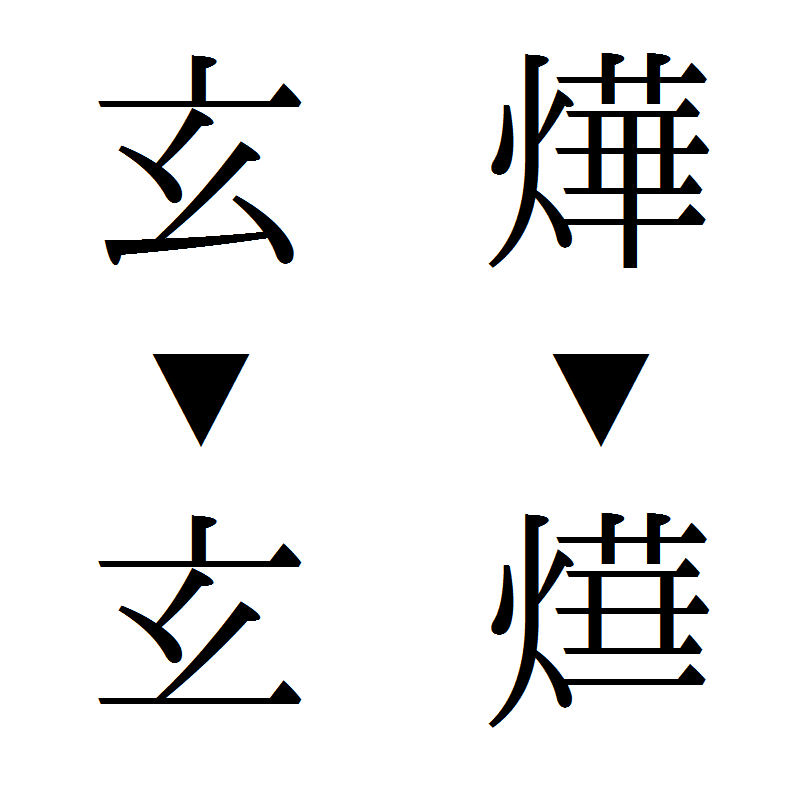 🇨🇳 China and 2 moreNaming taboo避諱
A cultural rule against speaking or writing the names of rulers and ancestorsBelief · Protection Living
🇨🇳 ChinaGu蛊 / 蠱
A venom-based poison and black magic practice from south ChinaSubstance · Cursing and harm · Love and attraction Historical
 🇪🇪 Estonia and 5 moreSoul dualism
A belief that a person possesses two or more distinct kinds of souls.Belief · Healing · Speaking with spirits and the dead Historical
 🇨🇳 China and 5 moreTetraphobia
The avoidance of the number four due to its similarity to the word for death in East Asian languagesBelief · Luck and prosperity Living
 🇮🇳 India and 5 moreAncestor veneration
Rituals to honor the dead and maintain kinship bonds across generationsTradition · Speaking with spirits and the dead · Protection Living
 🇯🇵 Japan and 1 moreHyakumonogatari Kaidankai百物語怪談会
An Edo period Japanese parlour game of telling ghost stories while extinguishing candlesTradition · Cursing and harm · Wonder and entertainment Historical
🇮🇳 India and 5 moreAncestor veneration
Rituals honoring the dead to maintain kinship bonds and seek guidance from spiritsTradition · Speaking with spirits and the dead · Protection Living
 🇱🇦 Laos and 3 moreTai folk religionສາສະໜາຜີ
Spirits, ancestor rites, and soul-calling ceremonies of the Tai peoplesTradition · Protection · Healing Living
 🇮🇳 India and 5 moreAsian witchcraft
A broad overview of magical practices and persecution across Asian culturesTradition · Cursing and harm · Protection Living
 🇨🇳 China and 1 moreFalun Gong法轮功
A Chinese cultivation practice blending meditative exercises with moral principlesTradition · Healing · Protection Living
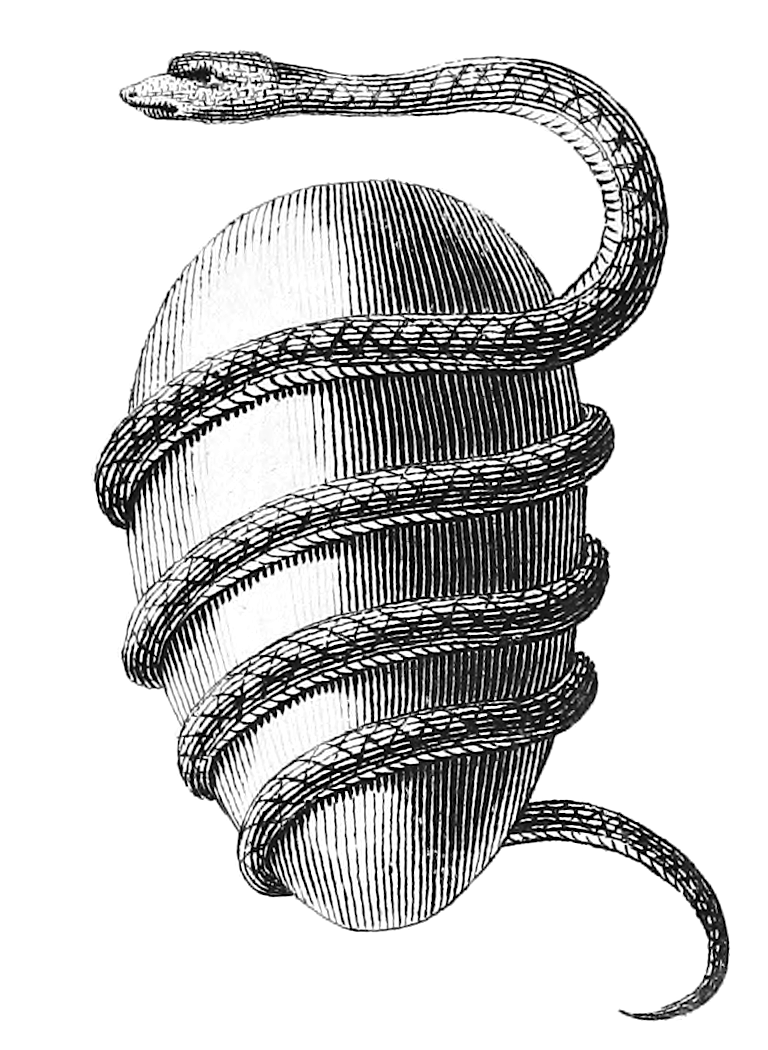 🇧🇫 Burkina Faso and 5 moreCosmic egg
A mythological motif where the universe or a creator emerges from a primordial egg.Belief · Wonder and entertainment Historical
 🇨🇳 ChinaYeren野人
A Chinese cryptid apeman reported in remote mountains since ancient timesBelief · Wonder and entertainment Legendary
 🇷🇸 Serbia and 5 moreWolves in folklore, religion and mythology
A global survey of how cultures view the wolf as symbol, spirit or threatBelief · Power and authority · Cursing and harm Historical
 🇮🇳 India and 1 moreWorld Turtle
A mythic giant turtle said to support the earth or contain the world in various cultures.Being · Power and authority Legendary
🇯🇵 Japan and 1 moreKōshin庚申信仰
A Japanese folk belief involving vigils to prevent internal spirits from reporting human deeds to heavenBelief · Protection · Healing Living
 🇨🇳 ChinaPeaches of Immortality仙桃
Legendary Chinese fruits said to grant eternal life to deities and mortalsSubstance · Luck and prosperity · Change and initiation Legendary
 🇯🇵 Japan and 1 moreBake-danuki化け狸
A shape-shifting raccoon dog spirit from Japanese folklore known for pranks and illusions.Being · Cursing and harm · Luck and prosperity Legendary
🇨🇳 ChinaChinese creation myths
A collection of ancient Chinese stories explaining how the universe and humanity beganBelief · Wonder and entertainment Historical
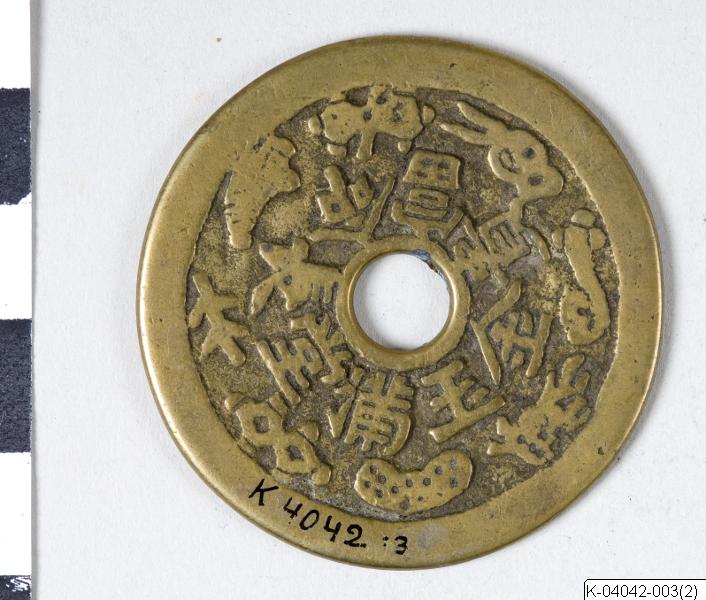 🇨🇳 ChinaEight Treasures八寶 (Bābǎo)
A set of eight symbols in Chinese art and amulets representing good fortune.Charm · Luck and prosperity · Protection Living
🇨🇳 ChinaMien shiang面相
A Chinese practice of reading character and fate through facial featuresBelief · Seeing and foretelling · Healing Historical
 🇨🇳 China and 5 moreChinese numerology中国数术
A system of interpreting numbers as lucky or unlucky based on their pronunciation in Chinese dialects.Belief · Luck and prosperity Living
🇰🇷 South Korea and 3 moreCorner Game구석놀이
A four-player summoning game told as an urban legend across East AsiaRite · Speaking with spirits and the dead Legendary
 🇯🇵 Japan and 5 moreSmallpox demon疱瘡神 (Hōsōgami)
A spirit blamed for smallpox in medieval Japan and the rituals used to appease itBeing · Protection · Cursing and harm Historical
 🇺🇸 United States and 4 moreHaunted house
A house said to hold the spirits of its dead, and how the scares are investigatedBelief · Speaking with spirits and the dead · Wonder and entertainment Living
🇮🇷 Iran and 1 moreChinvat Bridge𐬗𐬌𐬥𐬬𐬀𐬙𐬋 𐬞𐬈𐬭𐬈𐬙𐬏𐬨 (Cinvatô Peretûm)
A Zoroastrian crossing every soul must meet, wide or narrow by its deedsBelief · Speaking with spirits and the dead Legendary
Photo credits on this page
The small pictures above come from Wikimedia Commons under free licences. Some are cropped to fit.
- Wolves in folklore, religion and mythology: Unknown author, CC0, source
- Chinese numerology: Sarang, Public domain, source
- Tanabata: Laika ac, CC BY-SA 2.0, source
- Vampire folklore: Dick Thomas Johnson, CC BY 2.0, source
- Necromancy: Unknown author, CC BY 4.0, source
- Spirit possession: Unknown author, CC BY 4.0, source
- Mandala: Marion Golsteijn, CC BY-SA 3.0, source
- Soul dualism: 尹真人, Public domain, source
- Sky lantern: Richy, CC BY-SA 3.0, source
- Qingming Festival: Jacklee ., CC BY-SA 3.0, source
- Peaches of Immortality: Anonymous ( China ) Unknown author, Public domain, source
- Yue Lao: 仔仔好帥, CC BY-SA 4.0, source
- Asian witchcraft: Utagawa Kuniyoshi, Public domain, source
- Naming taboo: Haruno Akiha, Public domain, source
- Ancestor veneration: Thang Nguyen, CC BY-SA 2.0, source
- Menshen: Taiwankengo, CC BY-SA 3.0, source
- Taotie: anonymous, CC0, source
- Diyu: ScribblingGeek, CC BY-SA 4.0, source
- Bake-danuki: Poposhka at English Wikipedia, Public domain, source
- Onomancy: Unknown author, Public domain, source
- Preta: Temple, Richard Carnac, Sir, Public domain, source
- Hyakumonogatari Kaidankai: Katsushika Hokusai, Public domain, source
- Hundun: Oldie~commonswiki, CC BY-SA 3.0, source
- Nakshatra: Kishorekumar 62, CC BY-SA 3.0, source
- Smallpox demon: 佐賀県立図書館, CC0, source
- Wind Horse: Clemensmarabu, CC BY-SA 3.0, source
- World Turtle: Unknown author, Public domain, source
- Nine-tailed fox: Chen Menglei, Public domain, source
- Yeren: Rolf Müller, CC BY-SA 3.0, source
- Cosmic egg: James Basire, 1730–1802 (engraver), Public domain, source
- Falun Gong: longtrekhome, CC BY 3.0, source
- Tai folk religion: ( เทวประภาส มากคล้าย ), Tevaprapas, Public domain, source
- Planets in astrology: Jan van Loon, Public domain, source
- Tetraphobia: Halowand, CC BY-SA 3.0, source
- Eight Immortals: Fanghong, CC BY-SA 3.0, source
- Eight Treasures: Etnografiska Museet, CC BY 2.5, source
- Ancestor veneration in China: Three huntings, CC BY-SA 4.0, source
- Haunted house: John Anster Fitzgerald, Public domain, source
The weekly digest
Every Monday: seven entries you may not know, what is on the calendar this week, and one rite drawn step by step.