
Wind Horse
In its own language: རླུང་རྟ་
From Tibetan rlung rta, meaning wind horse, likely evolving from Chinese lung ma, dragon horse
An East and Central Asian symbol of the soul, luck, and vital energy
The wind horse is a mythical steed and spiritual emblem in East and Central Asia representing the soul, fortune, and well-being. Printed on prayer flags alongside four guardian beasts, it is invoked during smoke offerings to uplift personal luck and vitality.
- Represents the human soul, well-being, and personal fortune in East and Central Asian traditions.
- Often printed on prayer flags at the center of four beasts: the tiger, snow lion, garuda, and dragon.
- Invoked through hilltop juniper smoke offerings called lhasang during the waxing moon.
- Features as a winged steed on the national emblem of Mongolia.
What it is
The wind horse is a mythical steed and spiritual emblem in East and Central Asia. Within regional shamanic roots, it represents the human soul. Tibetan folk practice and Buddhism view it as an embodiment of well-being, luck, and positive life force. On traditional paper prints and fluttering prayer flags, the horse appears in the center surrounded by four guardian beasts: the garuda, dragon, snow lion, and tiger. In this sacred art, the steed often carries the wish-fulfilling jewel or the Three Jewels on its back. People believe the symbol attracts harmony, wealth, and peace while carrying spoken wishes upward into the sky.
Where it comes from
Scholars trace the concept back to the Chinese astrological system known in Tibet as nag rtsis. In Chinese lore, dragons often emerged from waters, creating the concept of the dragon horse. When adapted into Tibetan culture, this became the river horse, or klung rta. Over centuries, local associations of swift steeds with the breeze altered the name to rlung rta, meaning wind horse. Nineteenth-century scholar Jamgon Ju Mipham Gyatso later formally supported this wind-based spelling. A thirteenth-century Tibetan manuscript also connects the guardian beasts surrounding the horse to ancestral clan myths involving a mountain spirit and protective spirits called drala.
How it is done
Rites honouring the wind horse typically take place in the morning while the moon is waxing. The custom is frequently joined with a smoke offering called lhasang. Practitioners burn juniper boughs to create fragrant, billowy smoke on hilltops or near settlements. During high mountain ceremonies, known as risang lungta, people plant printed prayer flags on peaks or cast small paper prints into the breeze. A layperson conducts the ceremony directly, entreating local mountain spirits to raise personal fortune like a running steed and make prosperity overflow.
Tools and materials
The tradition relies heavily on cloth flags and woodblock paper prints. These sheets display the central steed bearing the wish-fulfilling gem, flanked by four mythical beasts in the corners. Fresh juniper branches serve as essential fuel during the offering, ignited to yield thick incense clouds. As the flags flap in mountain gusts, they are thought to send prayers across the land.
Wind Horse, drawn and placed
- Living
- Revived
- Fading
- Historical
- Legendary
- Performed
- Lineage
- Tibetan folk tradition and Tibetan Buddhism
- Timing
- in the morning during a waxing moon
What it is for
People invoke the wind horse to cultivate luck, health, and social success. In Tibetan idioms, a rising wind horse marks a time of good fortune, while a declining horse signifies misfortune and loss. The practice aims to fortify four subtle elements of an individual: vital force, physical body, field of power, and personal luck. Lay supplicants seek protection from misfortune, asking mountain guardians to bring peace, abundant wealth, and general balance to their households.
Who does it
The invocation of the wind horse began as a folk custom separate from monastic requirements. It remains largely a secular rite that any householder or layperson can perform. No ordained monk, priest, or specialised ritualist is required to direct the prayers. Ordinary individuals lead their own mountain fumigations, speaking directly to deities on behalf of their families and communities.
Peoples and places
The concept spans several cultures across East and Central Asia. In Tibet, it holds a dual identity within popular folk tradition and Tibetan Buddhist practice. In Mongolia, the entity is known as khiimori, where it represents the human soul and serves as a national heraldic emblem. Different communities share the core imagery of an airborne steed that links earthly human vitality to spiritual currents in the sky.
At a glance: who, where and when
Who does it
What people believe
Tibetan worldviews distinguish between formal Buddhist doctrine and secular folk traditions. The wind horse belongs fundamentally to folk understanding, embodying personal fortune and life power. It operates alongside mountain deities and protective warrior spirits known as drala. According to local astrology, every person possesses subtle components including life force, bodily strength, and field of power. Elevating the wind horse harmonises these forces, aligning the soul with favorable natural energies and protective spirits.
When it is done
Wind horse ceremonies follow specific lunar cycles and times of day. Traditional rites and smoke offerings take place early in the morning. Lay practitioners carry out these invocations during the waxing moon, when the crescent is expanding, in order to encourage a matching increase in their household fortunes and personal vitality.
How scholars and sceptics see it
Scholar Samten G. Karmay examined the origins and social function of the symbol in his historical research. He documented how the wind horse was originally a lay concept rather than an early Buddhist religious ideal. Karmay traced its linguistic roots back through Tibetan astrological traditions to Chinese dragon-horse mythology. His work also highlights how nineteenth-century Tibetan masters from the Rimé movement gradually incorporated the folk emblem into formal Buddhist tantric systems.
Compare and confuse
The wind horse shares roots with the Chinese dragon horse, lung ma, which emerged from mythological rivers. In Mongolian tradition, it is called khiimori, meaning gas or wind horse and signifying the inner soul. In older Tibetan texts, the snow lion on the surrounding flag tetrad was originally represented by a wild yak.
Today
In modern heraldry, the stylized winged horse appears on the national emblem of Mongolia. During the late twentieth century, Tibetan Buddhist teacher Chögyam Trungpa introduced the wind horse and its four animal companions into a secular meditation curriculum known as Shambhala Training. This adaptation introduced the concept and its associated terms to a wide international audience.
Questions people ask about Wind Horse
What is the wind horse?
The wind horse is a mythical flying steed and spiritual symbol from East and Central Asian traditions. It represents the human soul, well-being, and luck. On Tibetan prayer flags, it is depicted carrying precious jewels to promote peace and prosperity.
Where does the wind horse tradition originate?
The symbol developed from East and Central Asian shamanism and Chinese astrological imports to Tibet. Scholars suggest it originally derived from the Chinese dragon horse concept before Tibetan folk culture blended it with local reverence for swift horses and mountain spirits.
How is the wind horse ritual performed?
Lay practitioners perform the rite in the morning during a waxing moon without needing a priest. They burn juniper boughs to create fragrant smoke offerings and plant prayer flags on mountain heights, asking spirits to elevate their prosperity and vitality.
What do the four animals around the wind horse represent?
The four beasts are the dragon, garuda, snow lion, and tiger, which represent the cardinal directions. In Tibetan tradition, they also stem from ancestral clan lore and serve as protective warrior spirits that guard the central vitality of the wind horse.
Good reading and sources
- Wind Horse on WikipediaEncyclopedia
- More photos on Wikimedia CommonsPhotos and video
- Wikidata recordOpen data
The facts on this page come from the Wikipedia article "Wind Horse", written by its contributors and used under the CC BY-SA 4.0 licence, and from its Wikidata record (CC0). EveryJaadu rewrote the text in its own words, with AI assistance, and compares every page with the article to make sure no passage is copied. It may be reused under the same CC BY-SA 4.0 licence with a link back.
It may contain mistakes. Names and customs differ from one community to the next, and some knowledge is closed to outsiders and left out here. This page describes belief and practice. It does not say that any of it works, it is not a how-to, and it is not medical advice. If something is wrong, tell us. Last refreshed 2026-10-06.
More from Mongolia
All the entries from Mongolia 🇲🇳 Mongolia and 1 moreOvooовоо
A stone or branch cairn used as a shrine and boundary marker in Mongolic folk practice.Tradition · Protection · Speaking with spirits and the dead Living
🇲🇳 Mongolia and 1 moreOvooовоо
A stone or branch cairn used as a shrine and boundary marker in Mongolic folk practice.Tradition · Protection · Speaking with spirits and the dead Living
 🇷🇺 Russia and 3 moreSiberian shamanism
The spirit-journey practices of North Asian peoples and their linguistic relativesTradition · Healing · Speaking with spirits and the dead Fading
🇷🇺 Russia and 3 moreSiberian shamanism
The spirit-journey practices of North Asian peoples and their linguistic relativesTradition · Healing · Speaking with spirits and the dead Fading
 🇲🇳 Mongolia and 2 moreMongolian shamanismBöö mörgöl
The animistic and shamanic ethnic religion of the Mongol peoples, centered on sky worship and ancestral spirits.Tradition · Protection · Healing Living
🇲🇳 Mongolia and 2 moreMongolian shamanismBöö mörgöl
The animistic and shamanic ethnic religion of the Mongol peoples, centered on sky worship and ancestral spirits.Tradition · Protection · Healing Living
 🇨🇳 China and 4 moreSky burialབྱ་གཏོར་
A Tibetan funerary rite where human remains are offered to scavenging birdsRite · Speaking with spirits and the dead · Change and initiation Living
🇨🇳 China and 4 moreSky burialབྱ་གཏོར་
A Tibetan funerary rite where human remains are offered to scavenging birdsRite · Speaking with spirits and the dead · Change and initiation Living
Related elsewhere
All being 🇨🇳 China and 3 moreChinese dragon龍
A legendary water deity and imperial symbol in East Asian cultureBeing · Protection · Luck and prosperity Historical
🇨🇳 China and 3 moreChinese dragon龍
A legendary water deity and imperial symbol in East Asian cultureBeing · Protection · Luck and prosperity Historical
 🇨🇳 China and 2 moreEight Immortals八仙
Eight legendary Taoist figures of China, each with a power and a vesselFigure · Protection · Healing Living
🇨🇳 China and 2 moreEight Immortals八仙
Eight legendary Taoist figures of China, each with a power and a vesselFigure · Protection · Healing Living
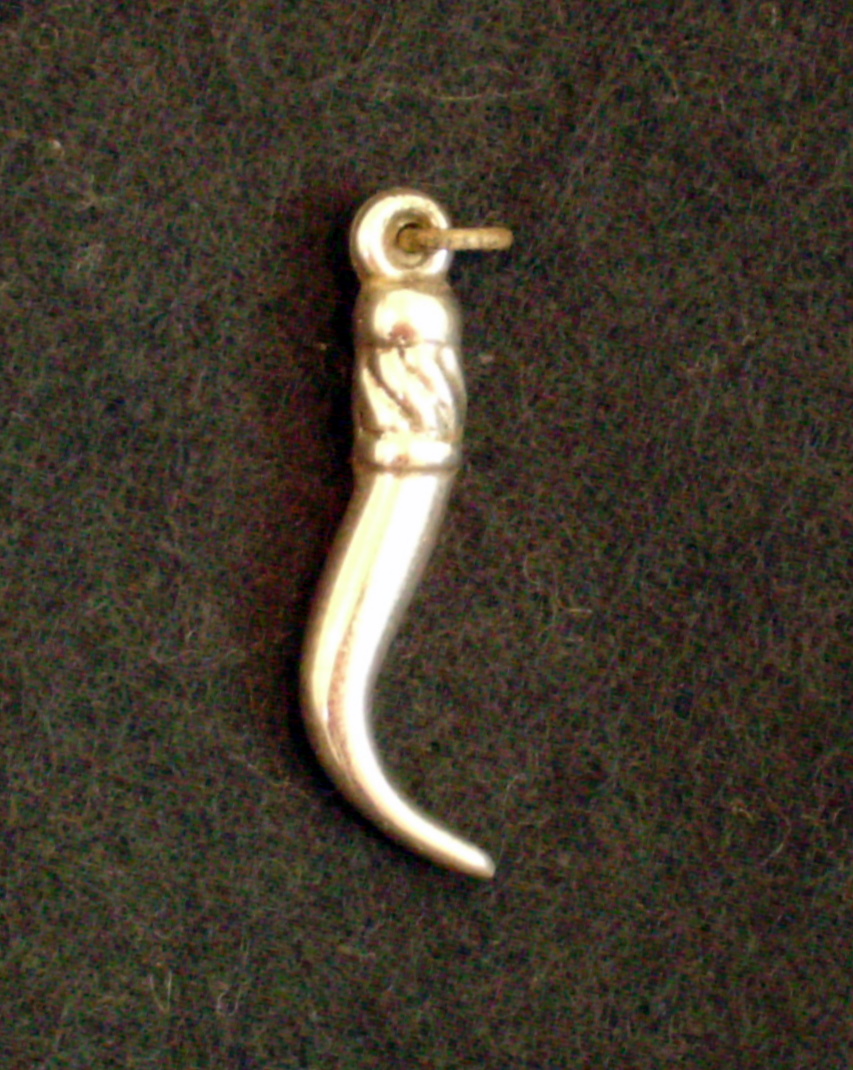 🇮🇹 ItalyCornicello
A twisted horn charm worn in Italy to ward off the evil eye and invite luck.Charm · Protection · Luck and prosperity Living
🇮🇹 ItalyCornicello
A twisted horn charm worn in Italy to ward off the evil eye and invite luck.Charm · Protection · Luck and prosperity Living
 🇫🇷 France and 5 moreYule log
A large wooden log burned in the hearth during winter festivals across Europe and North America.Tradition · Protection · Luck and prosperity Living
🇫🇷 France and 5 moreYule log
A large wooden log burned in the hearth during winter festivals across Europe and North America.Tradition · Protection · Luck and prosperity Living