
Asian witchcraft covers diverse traditions from East, South, Southeast, and West Asia. It includes historical beliefs in magic, indigenous shamanic roles, and modern accusations that lead to severe violence against women.
- At least 2100 suspected witches were murdered in India between 2000 and 2012.
- In Nepal, accused women are called 'boksi' and face severe physical abuse.
- Philippine witches are countered by shamans in indigenous folk religions.
- Chinese culture includes Gong Tau, a practice of black magic.
- Spanish colonizers subjugated Philippine shamans and promoted Catholicism.
What it is
Asian witchcraft describes a wide range of magical beliefs and practices found throughout the continent. In ancient times, societies like Egypt and Babylonia relied on magic for guidance. Today, the term often refers to harmful sorcery or black magic used for revenge or personal gain. It also encompasses traditional healing rituals performed by shamans who interact with spirits. The concept varies significantly by region, ranging from benevolent community healers to malevolent figures feared for causing misfortune.
Where it comes from
The roots of these practices are deep in local folklore and indigenous religions. In China, traditions like Gong Tau involve spells for specific outcomes. Japanese folklore features witches who use foxes as helpers. Korean history records individuals condemned for using spells. In the Philippines, beliefs stem from indigenous folk religions before Spanish colonization. West Asian practices have complex histories influenced by Abrahamic religions, which often condemned such activities.
How it is done
Practices vary widely. Chinese practitioners may use black magic for revenge. Japanese witches employ fox familiars. Korean history notes the use of spells. In the Philippines, witches cast curses that are countered by shamans. Shamans perform rituals to heal, purify, and strengthen community bonds. They bridge the human and spiritual realms. In the Himalayas, Buddhist concepts have integrated with local shamanic spirit communication and healing rituals, altering their form over time.
Tools and materials
Specific tools are rarely detailed in general overviews, but materials depend on local tradition. Chinese magic may use specific ritual objects for spells. Japanese witchcraft involves foxes as spiritual partners. Philippine shamans use rituals to block or cure curses. Himalayan shamanism uses spirit communication methods adapted to Buddhist ethics. Indian and Nepali contexts focus more on the social accusation than specific magical tools, though victims are sometimes marked with soot or garlands of shoes.
Asian witchcraft, drawn and placed
- Living
- Revived
- Fading
- Historical
- Legendary
- Performed
What it is for
Witchcraft is believed to serve various ends. Black magic is used for revenge, personal gain, or criminal punishment when legal systems fail. Witches are consulted to attack wrongdoers like thieves or adulterers. Conversely, shamans are sought for healing, protection, and community purification. In the Himalayas, practices aim for compassion and karma alignment. However, in India and Nepal, accusations are often driven by superstition, leading to harm rather than legitimate magical intent.
Who does it
Practitioners include shamans, witches, and cunning folk. Shamans are respected healers who counter malevolent forces. Witches are often viewed as malevolent users of black magic. In the Himalayas, shamans coexist with Buddhist teachings. In the Philippines, ethnic groups have distinct terms for witches and shamans. In India and Nepal, accused women are often ordinary villagers labeled as 'dayan' or 'boksi'. These accusers are typically community members acting on superstitious beliefs.
Peoples and places
The practice spans many cultures. In India, belief in supernatural causes leads to violence against women called 'dayan'. In Nepal, women accused as 'boksi' face severe abuse and ostracization. Filipino witches and shamans operate within indigenous traditions, distinct from Western views. Chinese culture has Gong Tau traditions. Japanese folklore features fox-witches. Korean history records spell-users. West Asia has a complex history involving Jewish, Christian, and Islamic perspectives on magic.
At a glance: who, where and when


What people believe
Beliefs center on spiritual forces and moral order. In the Philippines, witches are malevolent but not inherently evil; they are used for justice. Shamans protect against them. In the Himalayas, Buddhism harmonized with shamanism, emphasizing compassion. In India and Nepal, witchcraft is seen as harmful to society, driven by outdated customs. West Asian beliefs are shaped by religious texts that often condemn magic. Innocence is often believed to protect against black magic in some traditions.
When it is done
Accusations and attacks in India and Nepal occur opportunistically, often triggered by misfortune or social conflict. Rituals in the Philippines and Vietnam are performed as needed for healing or protection.
How scholars and sceptics see it
Scholars note the impact of colonialism and religion. David Mosse observed that 19th-century missionaries defined witchcraft broadly as any non-Christian activity, using it to humiliate parishioners. Anthropologists recognize the syncretism in the Himalayas where Buddhism absorbed shamanic elements. Researchers highlight the discrepancy between indigenous roles and colonial labels. The legal systems in India and Nepal are criticized for failing to protect victims adequately despite recorded statistics of violence.
Cautions and what is closed
Witch-hunting causes severe harm. In India, at least 2100 suspected witches were murdered between 2000 and 2012. Victims suffer beatings, burning, and forced consumption of excrement. In Nepal, accused women face torture, ostracization, and death. Legal penalties are weak, with short jail terms or fines. Violence prevents access to education and perpetuates poverty. Colonial history saw shamans subjugated by Catholic clergy. Modern accusations remain a serious threat to women's safety.
Compare and confuse
Asian witchcraft differs from Western notions. Western witches are often vilified by social systems, while Philippine witches are malevolent forces countered by shamans. Indigenous Filipino witches are not entirely evil but serve community justice. In contrast, Indian and Nepali accusations target ordinary women through superstition. Shamanic roles in the Philippines and Vietnam are distinct from the malevolent witch archetype. West Asian magic is historically linked to religious condemnation in Torah, Bible, and Quran.
Law and persecution
Legal protections are inadequate. In India, murders of suspected witches are frequent, yet justice is rare. Nepal's Muluki Ain imposes only three months to two years in jail or fines for accusing someone of witchcraft. This fails to deter violence. Colonial laws previously suppressed indigenous shamans. Modern legal systems have not formulated concrete laws against witch-hunts effectively. Victims lack proper protection, and perpetrators often walk away with minimal consequences.
Today
Practices persist in modified forms. In the Philippines, shamans continue to serve communities alongside Catholic clergy. In the Himalayas, syncretic Buddhist-shamanic practices endure. In India and Nepal, witch-hunting remains a critical human rights issue, with ongoing violence against women. Legal reforms are urged to prevent marginalization. The legacy of colonial suppression affects indigenous spiritual roles. Contemporary debates focus on protecting accused women from abuse and ensuring equal access to education and opportunities.
Questions people ask about Asian witchcraft
What is Asian witchcraft?
It is a broad term covering magical beliefs and practices across Asia, including black magic, shamanic healing, and spirit work, varying by culture and region.
Where does it originate?
It originates from diverse indigenous traditions, ancient civilizations like Egypt and Babylonia, and local folklore across East, South, Southeast, and West Asia.
Who are the main practitioners?
Practitioners include shamans who heal and protect, witches who may use black magic for revenge or justice, and individuals involved in local spiritual rituals.
Is it dangerous?
Accusations of witchcraft can be deadly. In India and Nepal, women accused of witchcraft face murder, beatings, and social ostracization due to superstition.
Good reading and sources
The facts on this page come from the Wikipedia article "Asian witchcraft", written by its contributors and used under the CC BY-SA 4.0 licence, and from its Wikidata record (CC0). EveryJaadu rewrote the text in its own words, with AI assistance, and compares every page with the article to make sure no passage is copied. It may be reused under the same CC BY-SA 4.0 licence with a link back.
It may contain mistakes. Names and customs differ from one community to the next, and some knowledge is closed to outsiders and left out here. This page describes belief and practice. It does not say that any of it works, it is not a how-to, and it is not medical advice. If something is wrong, tell us. Last refreshed 2026-10-06.
More from India
All the entries from India 🇮🇳 IndiaChakraचक्र
Meditation points in the subtle body used in Hindu and Buddhist yogaTradition · Speaking with spirits and the dead · Change and initiation Living
🇮🇳 IndiaChakraचक्र
Meditation points in the subtle body used in Hindu and Buddhist yogaTradition · Speaking with spirits and the dead · Change and initiation Living
 🇮🇳 IndiaMahakaleshwar JyotirlingaMahākāleśvara
A sacred Shiva shrine in Ujjain, India, known for its south-facing idol and ancient origins.Tradition · Protection · Power and authority Living
🇮🇳 IndiaMahakaleshwar JyotirlingaMahākāleśvara
A sacred Shiva shrine in Ujjain, India, known for its south-facing idol and ancient origins.Tradition · Protection · Power and authority Living
 🇮🇳 India and 5 moreKolamகோலம்
A daily geometric floor drawing made with rice flour at the home entrance in South IndiaTradition · Protection · Luck and prosperity Living
🇮🇳 India and 5 moreKolamகோலம்
A daily geometric floor drawing made with rice flour at the home entrance in South IndiaTradition · Protection · Luck and prosperity Living
 🇮🇳 India and 5 moreHoliहोली
A Hindu spring festival marked by coloured powders and bonfires to celebrate love and virtue.Tradition · Love and attraction · Cursing and harm Living
🇮🇳 India and 5 moreHoliहोली
A Hindu spring festival marked by coloured powders and bonfires to celebrate love and virtue.Tradition · Love and attraction · Cursing and harm Living
Related elsewhere
All tradition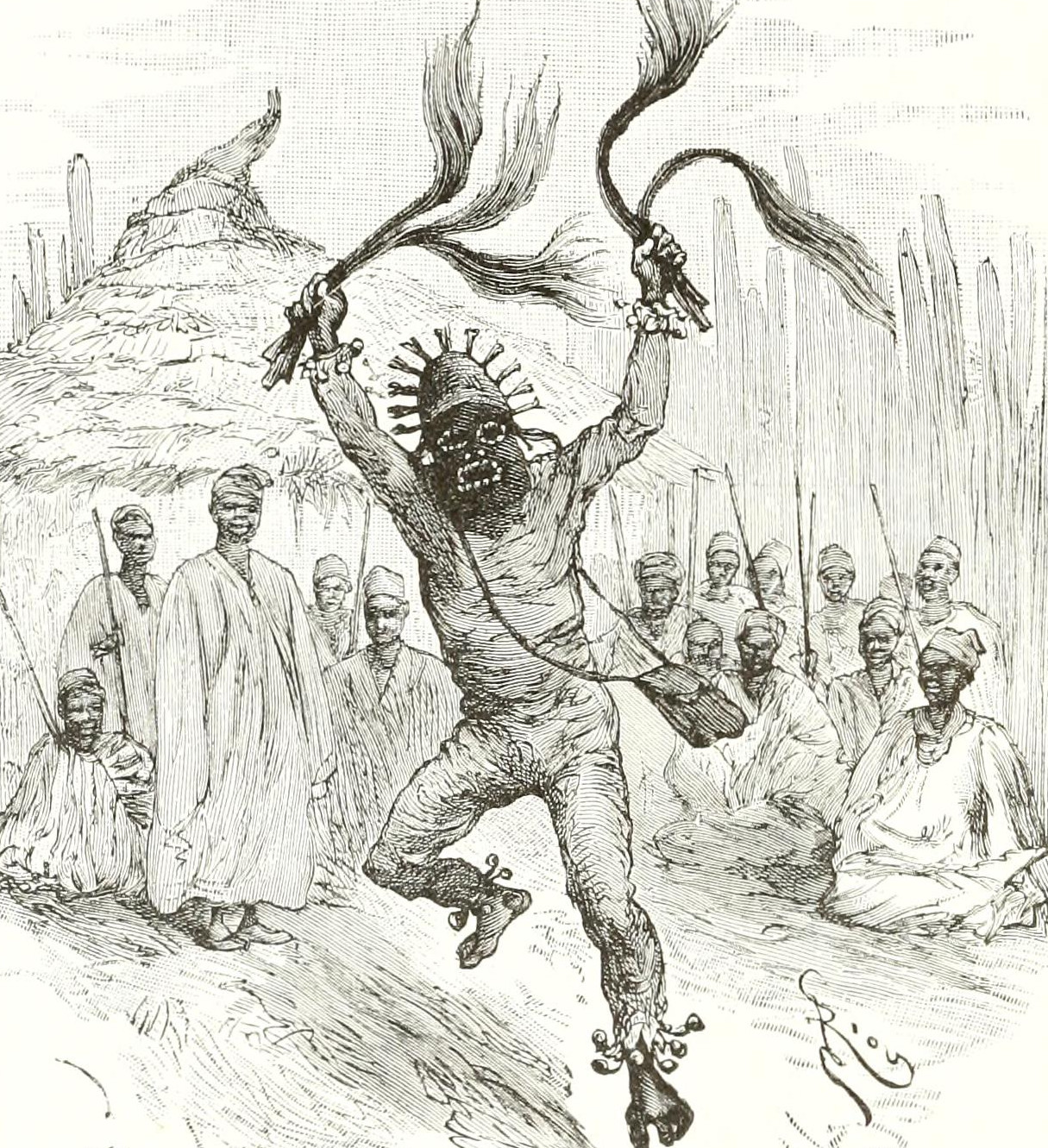 🇺🇸 United States and 2 moreLouisiana Voodoo
An African diasporic religion practiced in Louisiana from the 18th to early 20th centuriesTradition · Healing · Protection Historical
🇺🇸 United States and 2 moreLouisiana Voodoo
An African diasporic religion practiced in Louisiana from the 18th to early 20th centuriesTradition · Healing · Protection Historical
 🇨🇬 Republic of the CongoNkisi
Spirit containers and power figures from the Congo Basin used for justice and healingCharm · Protection · Healing Living
🇨🇬 Republic of the CongoNkisi
Spirit containers and power figures from the Congo Basin used for justice and healingCharm · Protection · Healing Living
 🇮🇩 Indonesia and 2 moreDukun
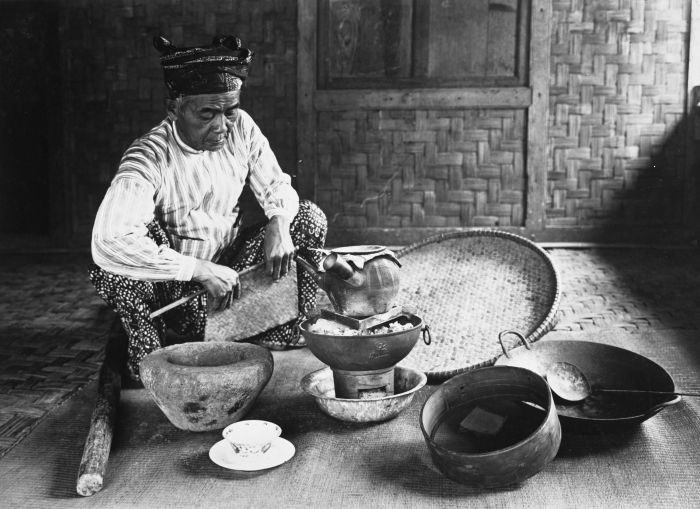
A traditional healer and spirit medium in Indonesian folk practiceTradition · Healing · Seeing and foretelling Living
🇮🇩 Indonesia and 2 moreDukun
A traditional healer and spirit medium in Indonesian folk practiceTradition · Healing · Seeing and foretelling Living
 🇸🇸 South Sudan and 1 moreAzande witchcraft
A Zande belief that certain people harm others by an inherited power, judged by oraclesBelief · Cursing and harm · Seeing and foretelling Living
🇸🇸 South Sudan and 1 moreAzande witchcraft
A Zande belief that certain people harm others by an inherited power, judged by oraclesBelief · Cursing and harm · Seeing and foretelling Living