
Hundun
In its own language: 混沌
from Chinese hùndùn, meaning muddled confusion or primordial chaos
A faceless being and the primordial void in Chinese cosmology and myth.
Hundun is a central figure in Chinese mythology, representing both a legendary faceless entity and the formless state of the universe before creation. It appears in ancient philosophical texts as a symbol of undifferentiated potential and natural unity. The concept links cosmic origins with ideas of innocence and uncarved simplicity.
- Hundun is a faceless being in Chinese mythology.
- It represents the primordial chaos before heaven and earth.
- One of the Four Perils was named Hundun in Confucian texts.
- Daoist texts use it to symbolize uncarved simplicity.
- A Zhuangzi parable shows Hundun dying from bored holes.
What it is
Hundun represents two connected ideas in Chinese thought: a mythical creature and a cosmic state. As a being, it is described as a faceless entity that lives without sensory organs. In cosmology, it names the nebulous condition of the universe before heaven and earth separated. This state resembles a world egg or a closed gourd, holding all potential life within an undifferentiated whole. The term bridges the gap between a specific mythic character and the abstract void from which all things emerge.
Where it comes from
The word first appears in texts from the Warring States period. Early Confucian records use it pejoratively to name one of the Four Perils, a worthless descendant of the Yellow Emperor banished for his lack of virtue. Later Daoist texts transformed the meaning. They used it to describe the pristine, uncarved nature of the Dao. This shift moved the concept from a symbol of barbaric disorder to one of spiritual purity and cosmic origin.
Hundun, drawn and placed
- Living
- Revived
- Fading
- Historical
- Legendary
- Performed
- Lineage
- Chinese mythology and Daoist philosophy
What it is for
In philosophical contexts, Hundun illustrates the ideal state of existence before human interference. It serves as a metaphor for mental clarity achieved by shedding artificial distinctions. Practitioners of Daoist meditation seek to return to this state of 'mind-nourishment.' By forgetting the self and rejecting sensory clutter, one aligns with the deep unity of the cosmos. It is not a tool for magic but a model for spiritual alignment.
Who does it
Scholars and philosophers study Hundun through classical texts like the Zhuangzi and the Daodejing. The Zhuangzi features a famous parable where two emperors bore holes into Hundun's head, killing him. This story warns against imposing structure on natural simplicity. Historians trace how the term evolved from a label for rebels to a core concept in Daoist metaphysics.
Peoples and places
The concept is rooted in Chinese culture. Early Confucian scholars viewed it as a threat to civilization, associating it with barbarian tribes and rebellious ministers. The distinction highlights a cultural debate between order and natural spontaneity within ancient Chinese intellectual history.
At a glance: who, where and when
Peoples
What people believe
Hundun embodies the belief that reality begins as a unified, featureless whole. This void contains a cosmic seed that eventually differentiates into the world we know. The concept suggests that true wisdom lies in preserving this inner wholeness. It opposes the fragmentation caused by excessive knowledge and social convention. The state is seen as complete precisely because it lacks defined parts.
How scholars and sceptics see it
Researchers note that Hundun translates better to the Greek Chaos than to modern disorder. It signifies a gaping void preceding creation rather than mere messiness. Linguists connect the term to words for flowing water and sound, suggesting a dynamic, cyclic energy. Some scholars link it phonetically to wonton soup, viewing the dumpling as a metaphor for matter coalescing from primordial broth.
Compare and confuse
Hundun is often compared to the Greek concept of Khaos, the formless space before the universe formed. It also relates to the Chinese idea of luàn, which means indiscriminate revolt. While luàn implies negative chaos, Hundun in Daoist texts carries a positive value of innocent potential and natural integrity.
Questions people ask about Hundun
What is Hundun?
Hundun is a figure in Chinese mythology and a concept in cosmology. It describes a faceless being and the undifferentiated state of the universe before creation began.
Where does the word come from?
The term comes from Chinese hùndùn, meaning muddled confusion. It originally described a nebulous state of the universe and later came to mean chaotic or messy conditions.
Is Hundun a god or a monster?
It is both. In early Confucian texts, it is one of the Four Perils, a villainous figure. In Daoist philosophy, it is a positive symbol of primal unity and natural potential.
What is the story of Hundun in the Zhuangzi?
Two emperors visit Hundun, who treats them well. To repay him, they bore seven holes into his head so he could see and hear, which kills him. The story warns against destroying natural simplicity.
Good reading and sources
The facts on this page come from the Wikipedia article "Hundun", written by its contributors and used under the CC BY-SA 4.0 licence, and from its Wikidata record (CC0). EveryJaadu rewrote the text in its own words, with AI assistance, and compares every page with the article to make sure no passage is copied. It may be reused under the same CC BY-SA 4.0 licence with a link back.
It may contain mistakes. Names and customs differ from one community to the next, and some knowledge is closed to outsiders and left out here. This page describes belief and practice. It does not say that any of it works, it is not a how-to, and it is not medical advice. If something is wrong, tell us. Last refreshed 2026-10-05.
More from China
All the entries from China 🇨🇳 China and 3 moreChinese dragon龍
A legendary water deity and imperial symbol in East Asian cultureBeing · Protection · Luck and prosperity Historical
🇨🇳 China and 3 moreQi氣 / 气
A vital force in Chinese philosophy and medicine, believed to flow through all living things.Substance · Healing · Power and authority Living
🇨🇳 China and 3 moreChinese dragon龍
A legendary water deity and imperial symbol in East Asian cultureBeing · Protection · Luck and prosperity Historical
🇨🇳 China and 3 moreQi氣 / 气
A vital force in Chinese philosophy and medicine, believed to flow through all living things.Substance · Healing · Power and authority Living
 🇨🇳 China and 1 moreAncestor veneration in China中國傳統宗法性宗教
Rites for dead kin who are thought to watch over the familyTradition · Protection · Speaking with spirits and the dead Living
🇨🇳 China and 1 moreAncestor veneration in China中國傳統宗法性宗教
Rites for dead kin who are thought to watch over the familyTradition · Protection · Speaking with spirits and the dead Living
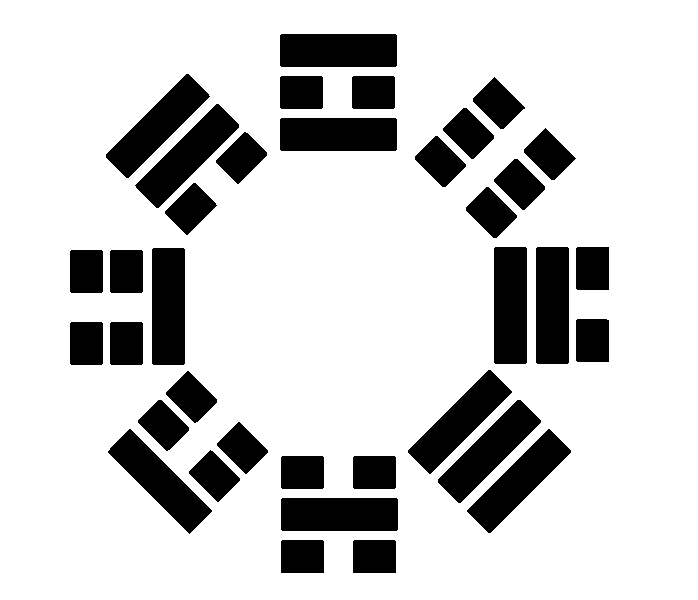 🇨🇳 China and 1 moreBagua八卦
A set of eight trigram symbols from China used in divination, cosmology, and feng shui.Tradition · Seeing and foretelling · Protection Living
🇨🇳 China and 1 moreBagua八卦
A set of eight trigram symbols from China used in divination, cosmology, and feng shui.Tradition · Seeing and foretelling · Protection Living
Related elsewhere
All being 🇬🇧 United Kingdom and 2 moreKing ArthurBrenin Arthur
A legendary British king and folk hero of medieval literature and Welsh mythologyFigure · Power and authority · Wonder and entertainment Legendary
🇬🇧 United Kingdom and 2 moreKing ArthurBrenin Arthur
A legendary British king and folk hero of medieval literature and Welsh mythologyFigure · Power and authority · Wonder and entertainment Legendary
 🇪🇬 Egypt and 1 moreSphinx
A mythical hybrid with a human head and lion body, serving as guardian or riddler in Egyptian and Greek traditions.Being · Protection · Wonder and entertainment Legendary
🇪🇬 Egypt and 1 moreSphinx
A mythical hybrid with a human head and lion body, serving as guardian or riddler in Egyptian and Greek traditions.Being · Protection · Wonder and entertainment Legendary
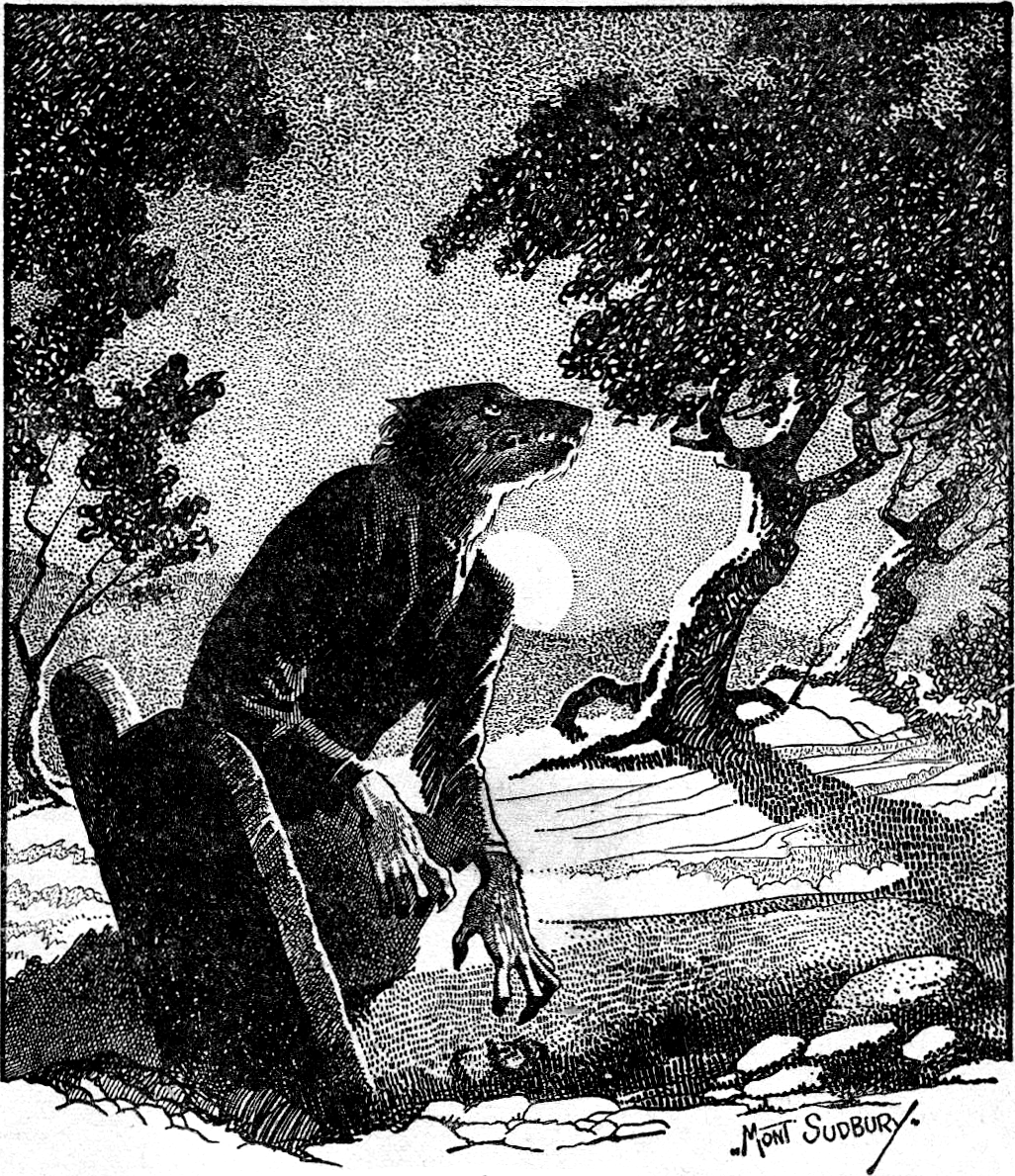 🇫🇷 France and 5 moreWerewolf
A mythical shapeshifter that turns into a wolf, central to European witch-hunts and Gothic horror.Being · Cursing and harm · Wonder and entertainment Legendary
🇫🇷 France and 5 moreWerewolf
A mythical shapeshifter that turns into a wolf, central to European witch-hunts and Gothic horror.Being · Cursing and harm · Wonder and entertainment Legendary
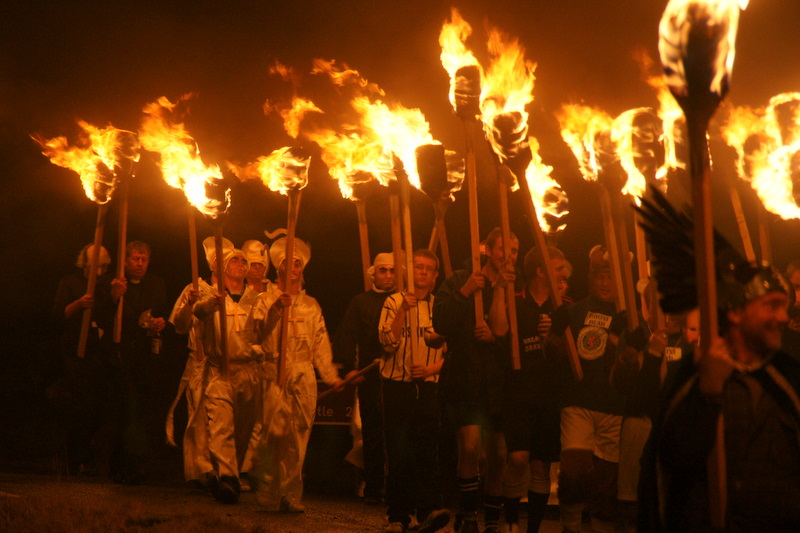 🇬🇧 United KingdomUp Helly Aa
A Shetland fire festival marking the end of Yule with a torchlit procession and burning of a Viking galleyRite · Wonder and entertainment Living
🇬🇧 United KingdomUp Helly Aa
A Shetland fire festival marking the end of Yule with a torchlit procession and burning of a Viking galleyRite · Wonder and entertainment Living