
Fox spirit
In its own language: 狐狸精
from the Chinese words for fox and spirit or demon
A shapeshifting creature from Chinese folklore that can take human form and live for centuries.
Fox spirits are mythological beings in Chinese culture known for their ability to change shape. They appear in ancient texts as omens of peace or danger, and later stories depict them as immortals or demons who interact with humans.
- Nine-tailed fox appears in Classic of Mountains and Seas
- Foxes transform after fifty to one thousand years
- Daji is a famous fox spirit in Chinese legend
- Worship was common in Tang dynasty northern China
- Cults were suppressed in the twentieth century
What it is
Fox spirits are creatures from Chinese mythology capable of taking many forms. They are often linked to the nine-tailed fox, a beast described in early texts like the Classic of Mountains and Seas. These beings can be seen as good signs during times of peace or as dangerous predators. Over time, the stories changed. The spirits became associated with immortality and magic. Some tales show them as helpful companions, while others portray them as tricksters or villains who cause trouble for people.
Where it comes from
The earliest records of these creatures come from the Warring States period through the Western Han dynasty. The Classic of Mountains and Seas describes a land where people worship four-legged foxes with nine tails. Later scholars noted that the nine-tailed fox was a sign of harmony. Other parts of the same text describe the animal as a man-eater whose flesh protects against poison. By the Han dynasty, ideas about animals changing into humans were common. Texts from the Eastern Jin and Tang dynasties expanded on how long foxes live and how they transform.
How it is done
Stories say foxes become human after living for hundreds of years. One text claims a fifty-year-old fox can turn into a woman, while a thousand-year-old one becomes a celestial being. Another account says they must wear a skull and worship the Big Dipper to succeed. In some legends, they absorb life essence from men to gain power. Fox spirits also use talismans and rituals to transcend normal limits. People sometimes left food offerings in their homes to keep the spirits happy.
Tools and materials
Fox spirits are linked to skulls, which they use to help with transformation. Talismans called fu are said to belong to celestial foxes. Offerings of food and drink are left in bedchambers by worshippers. The number nine is significant, representing the tails of the most powerful foxes. Gold and white are colors associated with high-level fox immortals. Some tales mention red-hot metal pillars used in torture by villainous fox spirits.
Fox spirit, drawn and placed
- Living
- Revived
- Fading
- Historical
- Legendary
- Performed
- Lineage
- Chinese mythology
What it is for
Fox spirits serve different roles in stories. They can be omens of prosperity or warnings of danger. Some tales feature them as lovers who marry human scholars. Others show them as cruel rulers who torment officials. In folk belief, they might cause household disturbances similar to poltergeists. Some people sought their favor for protection or luck. In medical folklore, belief in fox spirits was once linked to explanations for certain cultural syndromes.
Who does it
Fox spirits are studied by historians and anthropologists who look at old texts. In the past, common people in northern China worshipped them as gods. They made offerings in private rooms without following a single master. Scholars note that these practices were sometimes outlawed by emperors. Modern readers encounter them through literature and religious studies. The spirits themselves are not practitioners but subjects of belief and storytelling.
Peoples and places
The tradition began in China and spread to neighboring regions. Japan has the kitsune, Korea has the gumiho, and Vietnam has the ho ly tinh. All share roots in Chinese mythology. In China, the cult survived in the north until the twentieth century. Stories appeared in famous novels like Journey to the West and Strange Stories from a Chinese Studio. The figure of Daji, a fox spirit who influenced a tyrant king, is well known across East Asia.
At a glance: who, where and when
Peoples
Belief worlds
What people believe
Fox spirits exist within a worldview where animals can gain wisdom and power over time. They navigate between the human world and higher realms. Some believe they serve in celestial palaces. Buddhist texts sometimes mention them as distractions for monks. The idea of interspecies transformation was central to these beliefs. Foxes could become immortals, saints, or kings. Their morality varied; they could be benevolent or malevolent depending on the story.
How scholars and sceptics see it
Researchers study fox spirits through ancient texts and folk traditions. Historians track how the image of the fox changed from an omen of peace to a demon. Anthropologists examine how people worshipped them in late imperial China. Some scholars link belief in fox spirits to cultural explanations for psychological conditions. Literary critics analyze their role in classic novels. The suppression of fox cults during modern political campaigns is also documented.
Compare and confuse
Fox spirits are similar to other shapeshifters in East Asia. The Japanese kitsune and Korean gumiho share many traits with the Chinese huli jing. Vietnamese folklore also features the ho ly tinh. All these figures stem from the original Chinese motif of the nine-tailed fox. They differ in specific details but share the core idea of a fox gaining human form through age and magic.
Law and persecution
Fox spirit cults faced legal challenges in history. During the Song dynasty, emperors ordered the destruction of fox temples. An edict in 1111 targeted shrines in Kaifeng. Later, during the Qing dynasty, hauntings were considered commonplace but harmless. In the twentieth century, the Socialist Education Campaign suppressed these beliefs as superstition. Despite laws and campaigns, the stories continued to circulate in literature and folklore.
Questions people ask about Fox spirit
What is a fox spirit?
A fox spirit is a mythological creature from Chinese folklore that can change shape. It is often depicted as a nine-tailed fox that lives for centuries and gains magical powers.
Where do fox spirits come from?
They originate in ancient Chinese texts like the Classic of Mountains and Seas. The belief spread to Japan, Korea, and Vietnam, where local versions developed.
Can fox spirits become human?
Yes, according to legend, foxes can transform into humans after living for many years. Some texts say this happens after fifty years, others after five hundred.
Are fox spirits always evil?
No, they can be good or bad. Early texts saw them as lucky omens. Later stories often showed them as tricksters or lovers, though some were cruel villains.
Good reading and sources
- Huli jing on WikipediaEncyclopedia
- More photos on Wikimedia CommonsPhotos and video
- Wikidata recordOpen data
The facts on this page come from the Wikipedia article "Huli jing", written by its contributors and used under the CC BY-SA 4.0 licence, and from its Wikidata record (CC0). EveryJaadu rewrote the text in its own words, with AI assistance, and compares every page with the article to make sure no passage is copied. It may be reused under the same CC BY-SA 4.0 licence with a link back.
It may contain mistakes. Names and customs differ from one community to the next, and some knowledge is closed to outsiders and left out here. This page describes belief and practice. It does not say that any of it works, it is not a how-to, and it is not medical advice. If something is wrong, tell us. Last refreshed 2026-10-05.
More from China
All the entries from China 🇨🇳 China and 3 moreChinese dragon龍
A legendary water deity and imperial symbol in East Asian cultureBeing · Protection · Luck and prosperity Historical
🇨🇳 ChinaGu蛊
A venom-based poison and black magic practice from south ChinaSubstance · Cursing and harm · Luck and prosperity Historical
🇨🇳 China and 3 moreChinese dragon龍
A legendary water deity and imperial symbol in East Asian cultureBeing · Protection · Luck and prosperity Historical
🇨🇳 ChinaGu蛊
A venom-based poison and black magic practice from south ChinaSubstance · Cursing and harm · Luck and prosperity Historical
 🇨🇳 China and 1 moreLuoshu Square洛書
An ancient Chinese three-by-three magic square linked to geomancy and numerologyTradition · Power and authority · Wonder and entertainment Historical
🇨🇳 China and 1 moreLuoshu Square洛書
An ancient Chinese three-by-three magic square linked to geomancy and numerologyTradition · Power and authority · Wonder and entertainment Historical
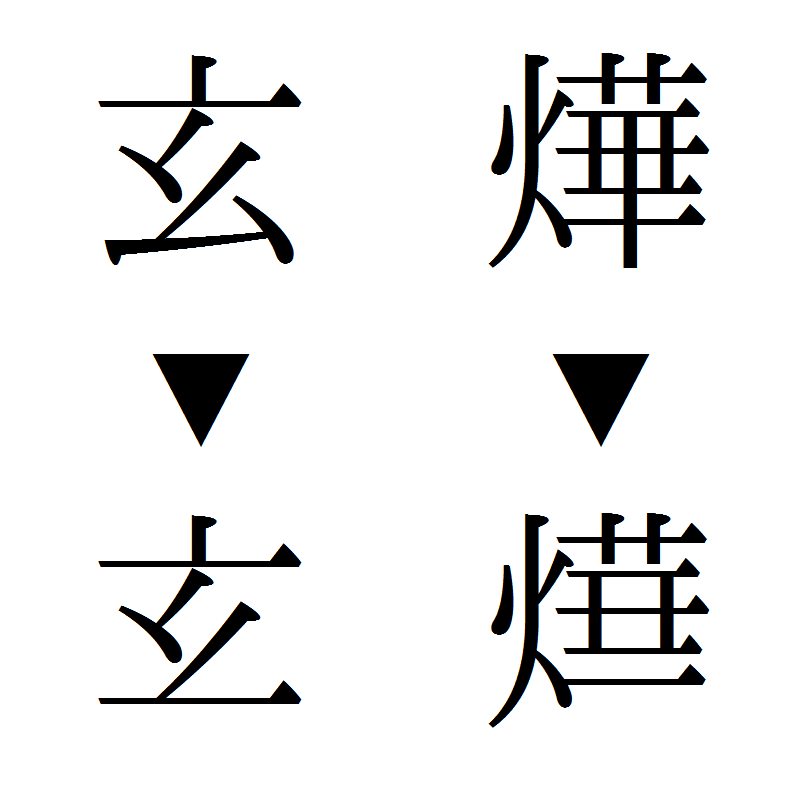 🇨🇳 China and 2 moreNaming taboo避諱
A cultural rule against speaking or writing the names of rulers and ancestors in East AsiaBelief · Protection Historical
🇨🇳 China and 2 moreNaming taboo避諱
A cultural rule against speaking or writing the names of rulers and ancestors in East AsiaBelief · Protection Historical
Related elsewhere
All being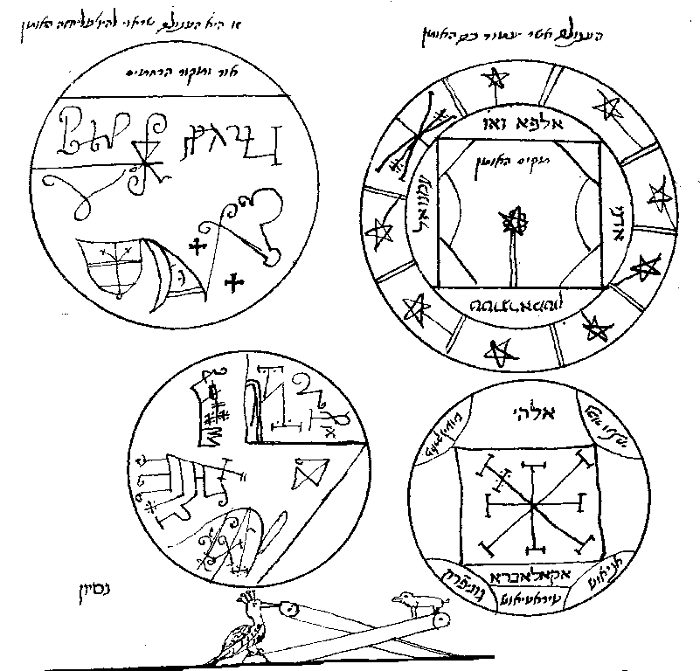 🇮🇹 Italy and 2 moreKey of SolomonClavicula Salomonis
A Renaissance grimoire attributed to King Solomon, detailing ritual preparations and invocations.Text · Cursing and harm · Love and attraction Historical
🇮🇹 Italy and 2 moreKey of SolomonClavicula Salomonis
A Renaissance grimoire attributed to King Solomon, detailing ritual preparations and invocations.Text · Cursing and harm · Love and attraction Historical
 🇨🇱 ChileTrauco
A small forest spirit from Chiloé mythology known for seducing women and causing pregnancyBeing · Love and attraction · Cursing and harm Legendary
🇳🇴 NorwayEsbat
A monthly Wiccan ritual held at the full or new moon for worship and community.Rite · Speaking with spirits and the dead · Love and attraction Living
🇨🇱 ChileTrauco
A small forest spirit from Chiloé mythology known for seducing women and causing pregnancyBeing · Love and attraction · Cursing and harm Legendary
🇳🇴 NorwayEsbat
A monthly Wiccan ritual held at the full or new moon for worship and community.Rite · Speaking with spirits and the dead · Love and attraction Living
 🇮🇳 India and 4 moreTantraतन्त्र
An esoteric yogic tradition from India focusing on ritual, mantra, and body-based spiritual practices.Tradition · Power and authority · Change and initiation Living
🇮🇳 India and 4 moreTantraतन्त्र
An esoteric yogic tradition from India focusing on ritual, mantra, and body-based spiritual practices.Tradition · Power and authority · Change and initiation Living