Runic magic
from the word for rune, a secret mark or letter
The use of ancient Germanic letters for spells, divination, and protection
A practice where the characters of the runic alphabet are carved or painted to influence events. It spans from early Iron Age charms in Europe to modern systems of fortune telling and esoteric ritual.
- The word 'alu' appears on many early artifacts as a charm.
- Tacitus described Germanic lot-casting in 98 AD.
- The Poetic Edda lists victory, birth, and healing runes.
- Ralph Blum popularized rune divination in 1982.
- Guido von List created the Armanen rune system in 1902.
What it is
Runic magic is the application of the Germanic runic alphabet beyond simple writing. Historically, these marks served as magical signs on artifacts and weapons. The practice includes carving symbols for protection, casting lots for omens, and using specific shapes to enhance abilities. Modern adherents view the runes as active forces that can shape reality when properly invoked or inscribed.
Where it comes from
Evidence of magical use dates to the Roman and Germanic Iron Ages. Early inscriptions include the charm word 'alu' and names like 'erilaz' for rune experts. Tacitus described Germanic lot-casting in 98 AD, though he did not specify if the marks were runes. Medieval texts like the Poetic Edda detail specific spells carved on objects. Later periods saw new systems emerge, such as Johannes Bureus's Adulruna and Guido von List's Armanen runes.
How it is done
Practitioners carve runes onto materials like wood, stone, or metal. Spells might involve painting the marks with blood or dye. Divination often uses chips or stones thrown onto a cloth or bag. Specific instructions exist for carving victory runes on swords or birth runes to aid delivery. Modern methods may involve holding engraved staves or chanting sounds associated with each character.
Tools and materials
Common tools include runestones, clay tiles, crystals, or resin pieces. Weapons like swords and drinking horns are also used. Materials for marking include blood, paint, or dye. Some systems use cards printed with rune images instead of physical stones.
Runic magic, drawn and placed
- Living
- Revived
- Fading
- Historical
- Legendary
- Performed
- Lineage
- Germanic mysticism
- Timing
- during rituals, casting lots, or daily life
What it is for
The intent varies by context. Runes are used for protection against bewitchment, healing injuries, or ensuring victory in battle. They assist in childbirth, improve speech, or sharpen wit. Divination seeks to foresee the future or answer personal questions. Curses are placed on stones to harm others or forbid undertakings.
Who does it
Historical figures included the erilaz, a person versed in rune magic. Priests or family heads cast lots for official or private consultations. Modern practitioners range from neopagans studying esoteric runology to authors publishing divination guides. Training involves learning historical sources, hermetic philosophy, or developing original systems like odianism.
Peoples and places
The practice originates with the Germanic peoples of Northern and Central Europe. Norse literature preserves many accounts of its use. In Iceland, folklore recorded the use of magical staves. Modern interest spread globally through books and neopagan movements, adapting ancient forms to contemporary spiritual needs.
At a glance: who, where and when
Peoples
Belief worlds
Occasions
What people believe
Runes are seen as having inherent power linked to gods like Odin and Tyr. They represent archetypes that influence the world. The concept of wyrd suggests a web of fate that runes can interact with. Some believe the blank rune represents the divine beginning and end. Chanting the sound of a rune is thought to activate its energy.
When it is done
Divination is often a daily practice for guidance. Rituals may align with seasonal blót ceremonies. Specific spells are tied to life events like birth or journey. The timing of casting lots or carving runes depends on the desired outcome and the practitioner's tradition.
How scholars and sceptics see it
Academics debate whether early marks were strictly runes or other signs. Historians analyze epigraphic evidence from bracteates and rings. Anthropologists study the role of runes in Germanic society. Modern scholars examine how 20th-century mystics reconstructed or invented traditions based on fragmented historical data.
Cautions and what is closed
Some historical inscriptions contain curses against those who misuse or steal the stones. Modern practices involve handling sharp stones or glass. Fraudulent healers may exploit belief in rune magic for financial gain. Certain esoteric systems claim exclusive access to hidden knowledge.
Questions people ask about Runic magic
What is runic magic?
It is the use of Germanic alphabetic characters for spells, divination, and protection. Marks are carved or painted to influence events or foresee the future.
Where does it come from?
It originates with the Germanic peoples of Europe. Evidence exists from the Iron Age, with medieval texts preserving detailed spell instructions.
How are runes used for divination?
Stones or chips marked with runes are thrown onto a cloth or drawn from a bag. Their positions and combinations are interpreted to answer questions.
Who practices it today?
Modern neopagans, esotericists, and divination enthusiasts use it. Systems vary from historical reconstruction to new inventions like odianism.
Good reading and sources
- Runic magic on WikipediaEncyclopedia
- More photos on Wikimedia CommonsPhotos and video
- Wikidata recordOpen data
The facts on this page come from the Wikipedia article "Runic magic", written by its contributors and used under the CC BY-SA 4.0 licence, and from its Wikidata record (CC0). EveryJaadu rewrote the text in its own words, with AI assistance, and compares every page with the article to make sure no passage is copied. It may be reused under the same CC BY-SA 4.0 licence with a link back.
It may contain mistakes. Names and customs differ from one community to the next, and some knowledge is closed to outsiders and left out here. This page describes belief and practice. It does not say that any of it works, it is not a how-to, and it is not medical advice. If something is wrong, tell us. Last refreshed 2026-10-05.
More from Sweden
All the entries from Sweden 🇮🇸 Iceland and 2 moreSeiðr
A Norse magic of fate and spirit, practiced by seers and sorcerers in the Viking Age.Tradition · Seeing and foretelling · Cursing and harm Revived
🇮🇸 Iceland and 2 moreSeiðr
A Norse magic of fate and spirit, practiced by seers and sorcerers in the Viking Age.Tradition · Seeing and foretelling · Cursing and harm Revived
 🇸🇪 SwedenWitch trials in Denmark
A history of legal executions and local panics against sorcery in early modern Denmark.Belief · Cursing and harm Historical
🇸🇪 SwedenWitch trials in Denmark
A history of legal executions and local panics against sorcery in early modern Denmark.Belief · Cursing and harm Historical
 🇫🇷 France and 2 moreÉliphas Lévi
A French writer who shaped modern occult thought and ceremonial magic.Text · Power and authority · Speaking with spirits and the dead Historical
🇫🇮 Finland and 1 moreWitch trials in Finland
A historical record of legal persecution for magic in a region where men were common targets.Belief · Cursing and harm Historical
🇫🇷 France and 2 moreÉliphas Lévi
A French writer who shaped modern occult thought and ceremonial magic.Text · Power and authority · Speaking with spirits and the dead Historical
🇫🇮 Finland and 1 moreWitch trials in Finland
A historical record of legal persecution for magic in a region where men were common targets.Belief · Cursing and harm Historical
Related elsewhere
All tradition 🇨🇳 China and 2 moreEight Immortals八仙
Eight legendary Taoist figures of China, each with a power and a vesselFigure · Protection · Healing Living
🇨🇳 China and 2 moreEight Immortals八仙
Eight legendary Taoist figures of China, each with a power and a vesselFigure · Protection · Healing Living
 🇺🇸 United States and 5 moreMojo bag
A cloth pouch holding charms for protection, luck, or love in the Hoodoo tradition.Charm · Protection · Healing Living
🇺🇸 United States and 5 moreMojo bag
A cloth pouch holding charms for protection, luck, or love in the Hoodoo tradition.Charm · Protection · Healing Living
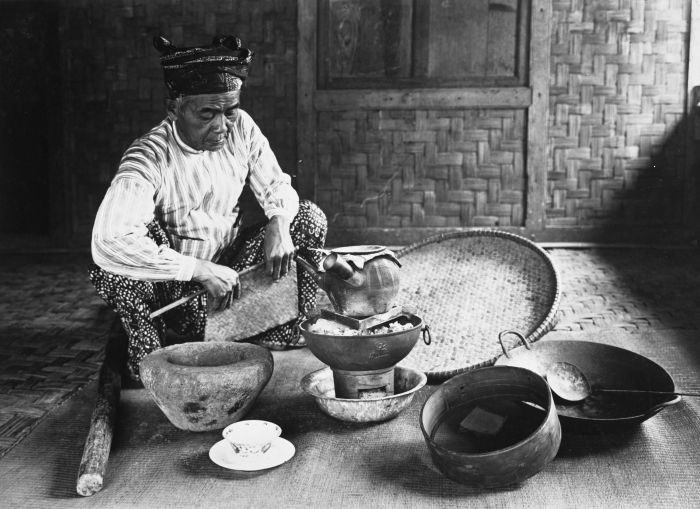 🇮🇩 Indonesia and 2 moreDukun
A traditional healer and spirit medium in Indonesian folk practiceTradition · Healing · Seeing and foretelling Living
🇮🇩 Indonesia and 2 moreDukun
A traditional healer and spirit medium in Indonesian folk practiceTradition · Healing · Seeing and foretelling Living
 🇦🇷 Argentina and 2 moreSan La Muerte
A skeletal folk saint venerated in South America for protection and favorsTradition · Protection · Healing Living
🇦🇷 Argentina and 2 moreSan La Muerte
A skeletal folk saint venerated in South America for protection and favorsTradition · Protection · Healing Living