Gu
In its own language: 蛊
from gu, meaning insects or wugs inside a container
A venom-based poison and black magic practice from south China
Gu is a venom-based poison linked to the cultures of south China, especially Nanyue. It involves culturing venomous creatures in a container to create a single toxic survivor used for harm.
- Gu means insects inside a container in ancient Chinese script
- Venomous creatures fought until one survivor remained
- Larvae fed on the survivor to concentrate the toxin
- Miao women were feared for their mastery of the poison
- Associated with the Duanwu Festival in late spring
What it is
Gu refers to a complex poison and the magical practices surrounding it in Chinese history. The term originally described insects or pests kept within a vessel. Over time, it came to signify a specific type of venom created by forcing multiple dangerous animals to fight until only one survived. This survivor was then fed on by larvae to concentrate its toxins. The resulting substance was feared as a tool for black magic. It was believed to cause severe illness, manipulate relationships, and bring death. The concept also extended to spirits that could shapeshift into various animals like worms or snakes.
Where it comes from
The word appears in Shang dynasty oracle inscriptions from around the fourteenth century BCE. Early forms depicted insects inside a container, often linked to ancestral spirits causing illness. By the Tang dynasty, the term jincan, meaning gold silkworm, emerged. This later name connected the poison to specific regional legends and festivals. The practice was particularly associated with the Miao people and the ancient state of Nanyue. Historical texts show the meaning evolved from simple pestilence to sophisticated sorcery.
How it is done
Practitioners sealed several venomous creatures such as centipedes, snakes, or scorpions in a closed jar. These animals would devour each other until a single survivor remained. Larvae were then introduced to feed on this survivor. The final larva contained the concentrated poison. In some accounts, the poison was administered through food or drink. The process required careful handling and ritual knowledge to ensure the toxin's potency.
Tools and materials
The primary tools included venomous arthropods and reptiles like centipedes and scorpions. A sealed container was essential for the cultivation process. Larvae served as the final carriers of the poison. Gold objects were sometimes involved in rituals, particularly regarding the gold silkworm variant. Protective herbs and spells were used to counteract the effects.
Gu, drawn and placed
- Living
- Revived
- Fading
- Historical
- Legendary
- Performed
- Lineage
- Chinese folk magic
- Timing
- on the fifth day of the fifth month
What it is for
Gu was primarily used for harmful intentions. Practitioners employed it to induce malignant diseases or cause sudden death. It was also believed to manipulate sexual partners and control others. Some legends suggested the poison could attract wealth to its owner. Victims were thought to suffer slowly and painfully. The poison was considered difficult to remove once ingested.
Who does it
Women among the Miao people were notably feared for their mastery of gu. Sorcerers who prepared the poison faced severe legal penalties, including execution. The role required specialized knowledge passed down through generations. Men also practiced these arts, but female practitioners were particularly stigmatized in historical records. The status of a practitioner increased with the number of victims they caused.
Peoples and places
The practice is rooted in southern Chinese cultures, particularly Nanyue. The Miao ethnic group maintained strong traditions surrounding gu and jincan. Historical texts from various dynasties document its use across different regions. The belief spread beyond its origins, influencing broader Chinese folklore. Different groups interpreted the poison's effects and preparation methods differently.
At a glance: who, where and when
When it is done
The Duanwu Festival, occurring on the fifth day of the fifth lunar month, is linked to gu. This period marks the peak of summer heat and humidity. During this time, poisonous animals were gathered and placed in pots. The festival context reinforced the association between seasonal heat and toxic vapors. Rituals performed during this time aimed to harness or ward off the poison's power.
How scholars and sceptics see it
Historians trace the term gu through oracle bones and classical dictionaries. Linguists note its evolution from describing pests to denoting sorcery. Anthropologists study its role in social control and fear of the unknown. Legal historians examine the harsh punishments inflicted on accused practitioners. Scholars debate whether gu represented real pharmacological knowledge or purely mythical constructs.
Cautions and what is closed
Accused practitioners faced dismemberment and public display of their heads. The law treated gu sorcery as a capital offense. Victims suffered from painful illnesses attributed to the poison. The fear of gu influenced social behavior and inter-ethnic relations. Modern interpretations often view gu as a metaphor for disease or social anxiety rather than literal poison.
Questions people ask about Gu
What is gu poison?
Gu is a venom-based poison from southern China. It was made by sealing venomous animals in a container until one survived. Larvae then fed on this survivor to create a potent toxin used in black magic.
Where does the word come from?
The word gu appears in Shang dynasty oracle bones. It combines characters for insects and a container. The term evolved to mean both pests and malicious sorcery over centuries.
Who practiced gu magic?
The Miao people, especially women, were known for gu. Sorcerers in southern China cultivated the poison. Practitioners faced severe punishment if caught by authorities.
How was gu prepared?
Centipedes, snakes, and scorpions were placed in a jar. They ate each other until one remained. Larvae were added to feed on the survivor, concentrating the venom into a deadly substance.
Good reading and sources
The facts on this page come from the Wikipedia article "Gu (poison)", written by its contributors and used under the CC BY-SA 4.0 licence, and from its Wikidata record (CC0). EveryJaadu rewrote the text in its own words, with AI assistance, and compares every page with the article to make sure no passage is copied. It may be reused under the same CC BY-SA 4.0 licence with a link back.
It may contain mistakes. Names and customs differ from one community to the next, and some knowledge is closed to outsiders and left out here. This page describes belief and practice. It does not say that any of it works, it is not a how-to, and it is not medical advice. If something is wrong, tell us. Last refreshed 2026-10-05.
More from China
All the entries from China 🇨🇳 China and 1 moreAncestor veneration in China中國傳統宗法性宗教
Rites for dead kin who are thought to watch over the familyTradition · Protection · Speaking with spirits and the dead Living
🇨🇳 China and 1 moreAncestor veneration in China中國傳統宗法性宗教
Rites for dead kin who are thought to watch over the familyTradition · Protection · Speaking with spirits and the dead Living
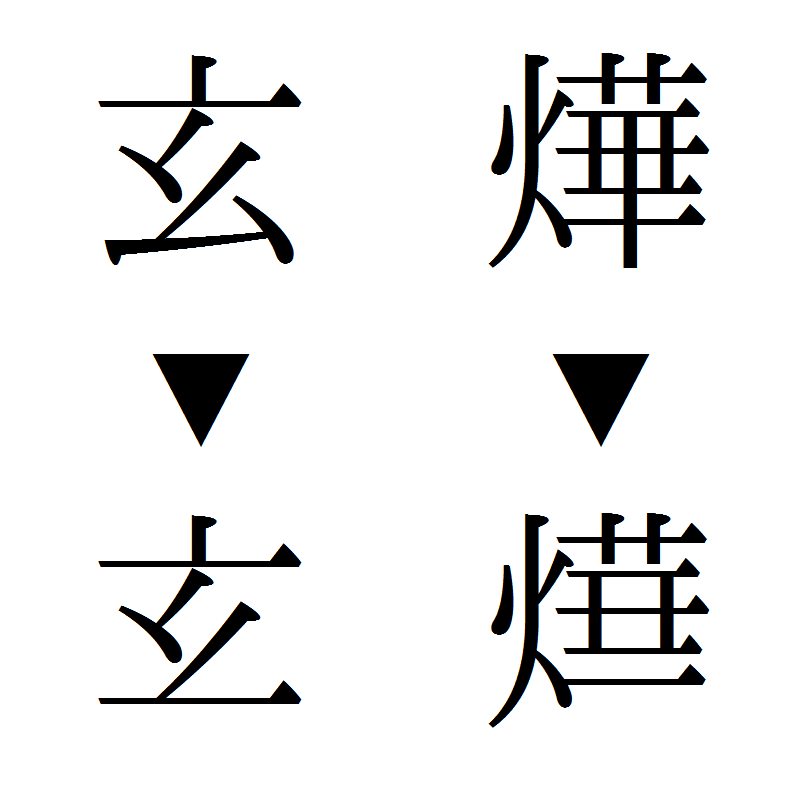 🇨🇳 China and 2 moreNaming taboo避諱
A cultural rule against speaking or writing the names of rulers and ancestors in East AsiaBelief · Protection Historical
🇨🇳 China and 2 moreNaming taboo避諱
A cultural rule against speaking or writing the names of rulers and ancestors in East AsiaBelief · Protection Historical
 🇨🇳 China and 1 moreLuoshu Square洛書
An ancient Chinese three-by-three magic square linked to geomancy and numerologyTradition · Power and authority · Wonder and entertainment Historical
🇨🇳 China and 1 moreLuoshu Square洛書
An ancient Chinese three-by-three magic square linked to geomancy and numerologyTradition · Power and authority · Wonder and entertainment Historical
 🇨🇳 China and 2 moreEight Immortals八仙
Eight legendary Taoist figures of China, each with a power and a vesselFigure · Protection · Healing Living
🇨🇳 China and 2 moreEight Immortals八仙
Eight legendary Taoist figures of China, each with a power and a vesselFigure · Protection · Healing Living
Related elsewhere
All substance 🇷🇸 Serbia and 5 moreVampire
An undead creature from folklore that feeds on the blood or life force of the livingBeing · Cursing and harm · Luck and prosperity Legendary
🇷🇸 Serbia and 5 moreVampire
An undead creature from folklore that feeds on the blood or life force of the livingBeing · Cursing and harm · Luck and prosperity Legendary
 🇪🇬 EgyptCurse
A spoken wish for misfortune to befall a person or placeBelief · Cursing and harm · Luck and prosperity Historical
🇪🇬 EgyptCurse
A spoken wish for misfortune to befall a person or placeBelief · Cursing and harm · Luck and prosperity Historical
 🇩🇪 GermanyAlp
A Germanic spirit that presses on sleepers and drinks milkBeing · Cursing and harm · Luck and prosperity Historical
🇺🇸 United StatesPukwudgie
A short forest spirit from Algonquian lore, known for mischief and danger.Being · Cursing and harm · Luck and prosperity Legendary
🇩🇪 GermanyAlp
A Germanic spirit that presses on sleepers and drinks milkBeing · Cursing and harm · Luck and prosperity Historical
🇺🇸 United StatesPukwudgie
A short forest spirit from Algonquian lore, known for mischief and danger.Being · Cursing and harm · Luck and prosperity Legendary