
Bake-danuki
In its own language: 化け狸
from the Japanese word for transformed raccoon dog
A shape-shifting raccoon dog spirit from Japanese folklore known for pranks and illusions.
Bake-danuki are supernatural raccoon dogs in Japanese mythology. They can change form to trick people or cause mischief. These tales appear in ancient texts and regional folktales across Japan.
- Earliest record found in the Nihon Shoki.
- Known for transforming into objects like teapots.
- Shigaraki pottery statues bring good luck.
- Often compared to the more dangerous kitsune.
- Associated with mysterious nighttime drumming sounds.
What it is
Bake-danuki are mythical creatures rooted in Japanese tradition. They are depicted as raccoon dogs that possess magical abilities. These beings can alter their physical appearance at will. Stories often show them transforming into objects or humans. Their actions usually involve playing tricks on people. Unlike other spirits, they do not always seek harm. Many tales describe them as foolish or mischievous. The creatures appear in various regional legends throughout Japan.
Where it comes from
The earliest written records date back to the Nara period. The Nihon Shoki mentions tanuki changing into humans. Later classics like the Nihon Ryōiki expanded on these tales. The concept likely evolved from Chinese descriptions of wild cats. Japanese writers adapted the character for local animals. This shift created a unique cultural figure distinct from its origins.
How it is done
These spirits use illusion and disguise as their primary tools. They might become a teapot or an old woman. Some legends describe them drumming on their bellies. The sound is often compared to rhythmic beats. Others hide under umbrellas during rain. Victims who shelter with them find themselves lost. The methods rely on deception and surprise rather than force.
Tools and materials
Pottery figures often depict these creatures. Shigaraki ware statues are common in Japan. These images show large bellies and scrotums. The features symbolize wealth and good fortune. In stories, they use everyday items as props. Teapots, drums, and umbrellas serve as disguises. The visual style emphasizes exaggerated physical traits.
Bake-danuki, drawn and placed
- Living
- Revived
- Fading
- Historical
- Legendary
- Performed
- Lineage
- yōkai folklore
- Timing
- nighttime
What it is for
People tell these stories for entertainment. The tales explain mysterious sounds in the night. Some legends warn against trusting strangers. Others celebrate cleverness and adaptability. The modern figurines are sold for luck. Buyers hope for financial success and protection. The original myths served to explain natural phenomena.
Who does it
Scholars study these texts to understand folklore. No specific group performs rituals for bake-danuki. The stories are passed down through generations. Local communities in places like Sado preserve specific names. Artists create statues based on traditional designs. Monks have historically linked the imagery to virtues.
Peoples and places
The legends are widespread across Japan. Shikoku and Niigata hold many famous tales. Specific tanuki have names in certain regions. The fūri appears in older Chinese and Japanese texts. Regional variations highlight different aspects of the creature. Some focus on comedy, while others emphasize danger.
At a glance: who, where and when
Peoples
Belief worlds


What people believe
The belief system views tanuki as powerful shapeshifters. They are part of the yōkai category of spirits. People once attributed unexplained noises to their presence. The large scrotum represents prosperity in modern times. Ancient texts treated them as real supernatural entities. The folklore blends animal behavior with magical traits.
When it is done
There are no specific festivals dedicated to bake-danuki. Stories are shared year-round, especially at night. The creatures are associated with mysterious evening events. Some nursery rhymes reference their activities. The timing is generally undefined but linked to darkness.
How scholars and sceptics see it
Researchers analyze the evolution of the tanuki myth. They trace changes from Chinese literary sources. Anthropologists note the shift from fear to comedy. The creature's image softened over centuries. Modern studies focus on cultural symbolism and identity.
Cautions and what is closed
Some legends warn of physical harm. Certain tanuki are said to hang passersby. Others trap victims in endless loops. The stories serve as cautionary tales. Children are told to avoid strange encounters. The myths reflect historical anxieties about the unknown.
Compare and confuse
Bake-danuki are often compared to kitsune. Both are shapeshifting animals in Japanese lore. Foxes are seen as more dangerous and serious. Tanuki are viewed as comical and less threatening. The mujina also shares some folklore traits. The distinction lies in their reputation and methods.
Law and persecution
There are no laws regulating bake-danuki. They exist solely within the realm of fiction. Modern culture celebrates them through art and media. Statues are sold freely in shops. The legal status is irrelevant to their mythological nature.
Questions people ask about Bake-danuki
What is a bake-danuki?
It is a shapeshifting raccoon dog from Japanese folklore. These spirits can change form to trick humans. They are considered yōkai, or supernatural beings.
Where do these legends come from?
They originate in Japan, with early mentions in the Nihon Shoki. The concept may have been influenced by Chinese animal myths. Regional stories vary across different prefectures.
Are they dangerous?
Most tales portray them as foolish pranksters. Some legends describe them causing physical harm. They are generally less feared than fox spirits.
Why are there so many statues?
Modern pottery figures represent good fortune. Features like large bellies symbolize wealth. These images were popularized in the twentieth century.
Good reading and sources
- Bake-danuki on WikipediaEncyclopedia
- More photos on Wikimedia CommonsPhotos and video
- Wikidata recordOpen data
The facts on this page come from the Wikipedia article "Bake-danuki", written by its contributors and used under the CC BY-SA 4.0 licence, and from its Wikidata record (CC0). EveryJaadu rewrote the text in its own words, with AI assistance, and compares every page with the article to make sure no passage is copied. It may be reused under the same CC BY-SA 4.0 licence with a link back.
It may contain mistakes. Names and customs differ from one community to the next, and some knowledge is closed to outsiders and left out here. This page describes belief and practice. It does not say that any of it works, it is not a how-to, and it is not medical advice. If something is wrong, tell us. Last refreshed 2026-10-07.
More from Japan
All the entries from Japan 🇨🇳 China and 3 moreChinese dragon龍
A legendary water deity and imperial symbol in East Asian cultureBeing · Protection · Luck and prosperity Historical
🇨🇳 China and 3 moreQi氣 / 气
A vital force in Chinese philosophy and medicine, believed to flow through all living things.Substance · Healing · Power and authority Living
🇨🇳 China and 3 moreChinese dragon龍
A legendary water deity and imperial symbol in East Asian cultureBeing · Protection · Luck and prosperity Historical
🇨🇳 China and 3 moreQi氣 / 气
A vital force in Chinese philosophy and medicine, believed to flow through all living things.Substance · Healing · Power and authority Living
 🇯🇵 JapanBaku獏
A Japanese spirit said to eat bad dreams and protect sleepersBeing · Protection Living
🇯🇵 JapanBaku獏
A Japanese spirit said to eat bad dreams and protect sleepersBeing · Protection Living
 🇯🇵 JapanOni鬼(おに)
A horned demon of Japanese folklore known for strength and evil deedsBeing · Cursing and harm · Luck and prosperity Legendary
🇯🇵 JapanOni鬼(おに)
A horned demon of Japanese folklore known for strength and evil deedsBeing · Cursing and harm · Luck and prosperity Legendary
Related elsewhere
All being 🇩🇪 Germany and 5 moreStraw bearStrohbär
A carnival figure wrapped in straw that visits homes for gifts and marks the turning of seasons.Tradition · Luck and prosperity · Cursing and harm Living
🇩🇪 Germany and 5 moreStraw bearStrohbär
A carnival figure wrapped in straw that visits homes for gifts and marks the turning of seasons.Tradition · Luck and prosperity · Cursing and harm Living
 🇷🇺 RussiaGolden apple
A mythical fruit that sparks quests, wars, and linguistic confusion across culturesFigure · Cursing and harm · Luck and prosperity Legendary
🇷🇺 RussiaGolden apple
A mythical fruit that sparks quests, wars, and linguistic confusion across culturesFigure · Cursing and harm · Luck and prosperity Legendary
 🇷🇸 Serbia and 5 moreVampire
An undead creature from folklore that feeds on the blood or life force of the livingBeing · Cursing and harm · Luck and prosperity Legendary
🇷🇸 Serbia and 5 moreVampire
An undead creature from folklore that feeds on the blood or life force of the livingBeing · Cursing and harm · Luck and prosperity Legendary
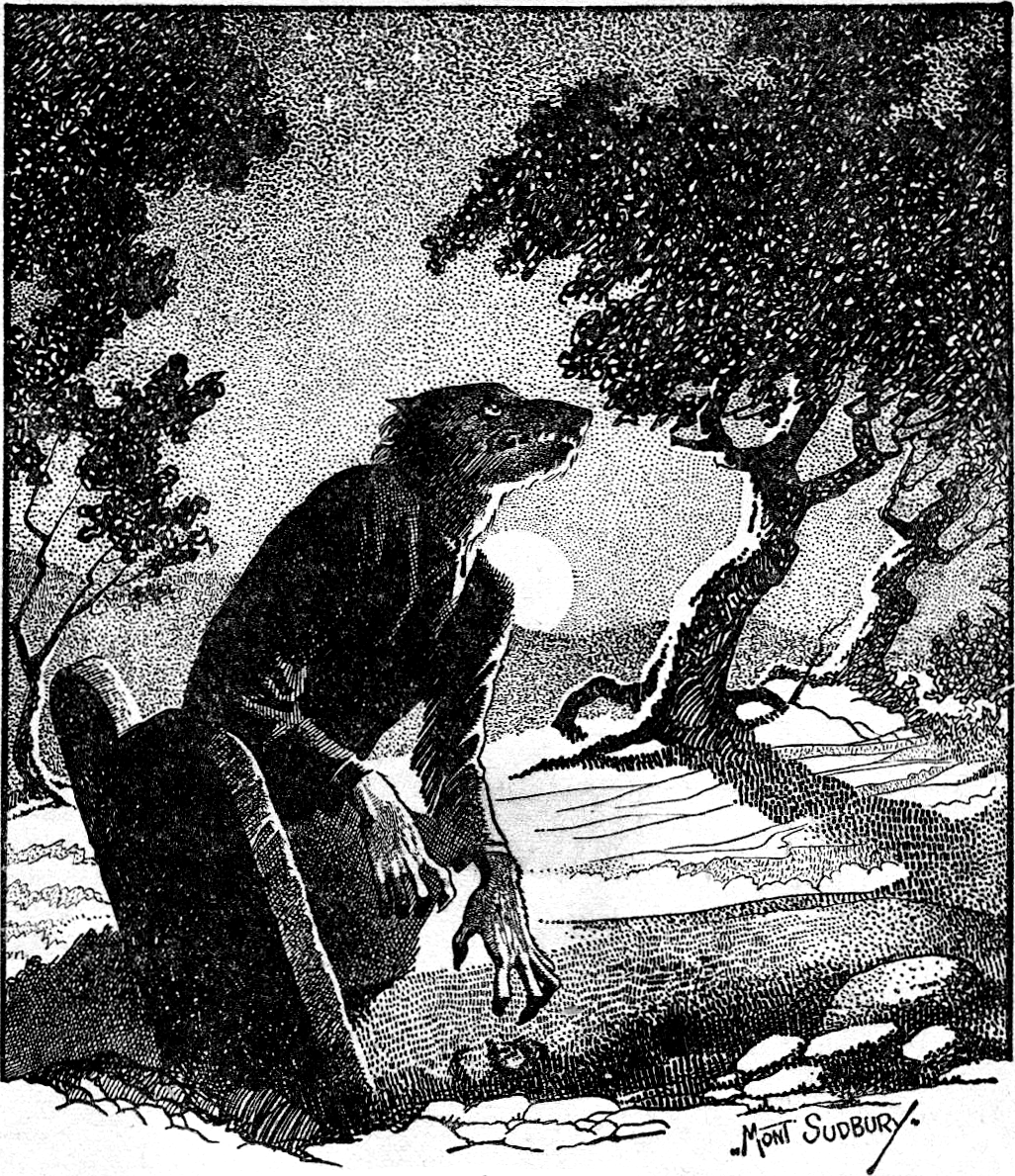 🇫🇷 France and 5 moreWerewolf
A mythical shapeshifter that turns into a wolf, central to European witch-hunts and Gothic horror.Being · Cursing and harm · Wonder and entertainment Legendary
🇫🇷 France and 5 moreWerewolf
A mythical shapeshifter that turns into a wolf, central to European witch-hunts and Gothic horror.Being · Cursing and harm · Wonder and entertainment Legendary