![Lupa Capitolina : she-wolf with Romulus and Remus. Bronze, 12th century AD [1] , 5th century BC (the twins are a 15th-century addition).](https://thumb.wikimedia.org/wikipedia/commons/thumb/f/fb/Lupa_Capitolina%2C_Rome.jpg/1280px-Lupa_Capitolina%2C_Rome.jpg)
Wolves in folklore, religion and mythology
A global survey of how cultures view the wolf as symbol, spirit or threat
The gray wolf appears across Eurasia and North America in myths, rituals and national symbols. Some peoples revere it as a protector or ancestor, while others fear it as a bringer of harm or a shape-shifter.
- Georgians derive their name from Old Persian vrkān, meaning land of wolves
- Chechens believe they are born of a she-wolf, a symbol of freedom
- Roman legend says a she-wolf nursed Romulus and Remus
- Norse mythology features Fenrir, who devours Odin at Ragnarök
- Serbian tradition uses the name Vuk to protect babies from witches
What it is
The wolf is a recurring figure in the mythologies of many societies. It serves as a national emblem, a divine companion, a fearsome monster, or a human shape-shifter. Its meaning shifts with the culture that tells its story. In some traditions, the animal represents strength and freedom. In others, it embodies chaos and destruction. Scholars study these variations to understand how different peoples relate to nature and the supernatural.
Where it comes from
References to wolves appear in ancient texts from multiple regions. The Babylonian epic Gilgamesh mentions black wolves. Greek sources describe rituals on Mount Lykaion involving transformation. Roman legends tell of a she-wolf nursing the founders of Rome. These stories span thousands of years and continents, reflecting the wide habitat of the gray wolf in Eurasia and North America.
Tools and materials
Materials associated with wolves include skins and masks. In Dacian initiation rites, warriors wore wolf skins to assimilate the animal's behavior. Greek bodyguards covered their feet in wolf-skins for protection against cold. Serbian families named children Vuk to ward off witches who were believed to fear wolves.
Wolves in folklore, religion and mythology, drawn and placed
- Living
- Revived
- Fading
- Historical
- Legendary
- Performed
What it is for
The wolf serves various symbolic purposes. It acts as a protector of settlements, as seen in Japanese shrines where farmers left offerings. It functions as a national symbol of identity, such as the Chechen belief in being born of a she-wolf. It also represents danger, appearing in Norse mythology as the devourer of the sun and moon.
Who does it
Scholars analyze these beliefs through historical and anthropological lenses. Ancient priests conducted rituals at sites like Mount Lykaion. Modern communities maintain the wolf as a cultural icon, such as the Italian national animal. Folk healers and households used names and charms related to the wolf for protection.
Peoples and places
Cultures across Europe and Asia hold distinct views. Georgians are linked to the word for wolf. Chechens view the lone wolf as a symbol of independence. Romans revered the she-wolf as sacred to Mars. Serbs used the name Vuk for apotropaic reasons. Zoroastrian texts classify wolves as cruel creatures of darkness. Japanese farmers once worshipped them as grain protectors.
At a glance: who, where and when
Who does it


What people believe
Worldviews vary significantly. Zoroastrianism sees wolves as daevic creations of evil. Norse mythology features both malevolent giants and loyal pets of Odin. Greek myths involve ritual transformation into wolves. Dacian legends suggest a secret brotherhood of warriors who imitated wolves. These beliefs reflect complex relationships between humans and the wild.
How scholars and sceptics see it
Researchers examine the wolf's role in Indo-European warrior classes. McCone (1987) provides a comparative overview of Proto-Indo-European mythology. Mircea Eliade explored Dacian connections to wolves. Anthropologists study how nomadic peoples of the steppe and plains integrate the wolf into their cosmologies.
Compare and confuse
The wolf is often confused with other canids or monsters. In Germanic languages, names like Wolfgang combine wolf with journey. Latin Lupus was a common cognomen. The Big Bad Wolf trope arises from European folklore but differs from the sacred or heroic wolves found in other traditions.
Today
The wolf remains a powerful symbol in modern nations. The Italian Republic uses the Capitoline Wolf as a national emblem. Chechnya includes the she-wolf in its anthem. Lithuanian legend ties the founding of Vilnius to an iron wolf. These symbols persist in culture and identity.
Questions people ask about Wolves in folklore, religion and mythology
What does the wolf symbolize in different cultures?
The wolf symbolizes diverse traits depending on the culture. It can represent strength and freedom, as among the Chechens. It may embody chaos and destruction, like the Norse Fenrir. In some traditions, it is a protector, while in others, it is a feared monster or shape-shifter.
How is the wolf connected to national identities?
Several nations use the wolf as a central symbol. Georgia's name derives from words meaning land of wolves. Chechnya's anthem references a she-wolf ancestor. Italy recognizes the Capitoline Wolf as its national animal, linking the country to its legendary founding by Romulus and Remus.
Are wolves considered sacred in any religions?
Views on wolves vary widely. Japanese farmers historically worshipped them as protectors of grain. Zoroastrian texts describe wolves as cruel creatures of evil. Norse mythology includes both loyal pets of Odin and destructive giants. The wolf's sacred status depends entirely on the specific religious context.
Good reading and sources
- Wolves in folklore, religion and mythology on WikipediaEncyclopedia
- More photos on Wikimedia CommonsPhotos and video
- Wikidata recordOpen data
The facts on this page come from the Wikipedia article "Wolves in folklore, religion and mythology", written by its contributors and used under the CC BY-SA 4.0 licence, and from its Wikidata record (CC0). EveryJaadu rewrote the text in its own words, with AI assistance, and compares every page with the article to make sure no passage is copied. It may be reused under the same CC BY-SA 4.0 licence with a link back.
It may contain mistakes. Names and customs differ from one community to the next, and some knowledge is closed to outsiders and left out here. This page describes belief and practice. It does not say that any of it works, it is not a how-to, and it is not medical advice. If something is wrong, tell us. Last refreshed 2026-10-06.
More from Serbia
All the entries from Serbia 🇷🇸 Serbia and 5 moreVampire
An undead creature from folklore that feeds on the blood or life force of the livingBeing · Cursing and harm · Luck and prosperity Legendary
🇷🇸 Serbia and 5 moreVampire
An undead creature from folklore that feeds on the blood or life force of the livingBeing · Cursing and harm · Luck and prosperity Legendary
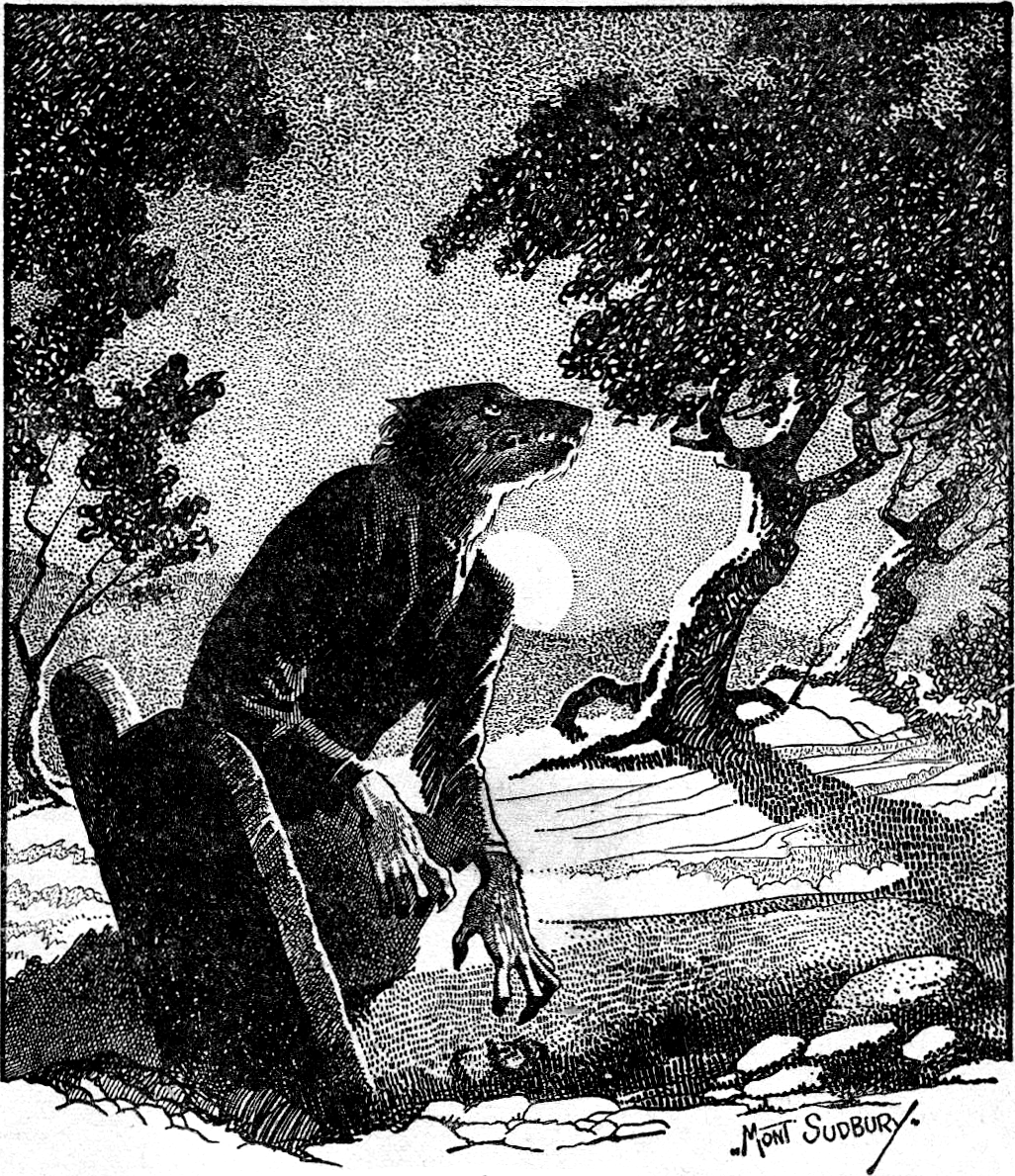 🇫🇷 France and 5 moreWerewolf
A mythical shapeshifter that turns into a wolf, central to European witch-hunts and Gothic horror.Being · Cursing and harm · Wonder and entertainment Legendary
🇬🇧 United Kingdom and 3 moreFirst-footciad-chuairt
The first visitor on New Year's Day, believed to set the household's fortune for the year aheadTradition · Luck and prosperity Living
🇫🇷 France and 5 moreWerewolf
A mythical shapeshifter that turns into a wolf, central to European witch-hunts and Gothic horror.Being · Cursing and harm · Wonder and entertainment Legendary
🇬🇧 United Kingdom and 3 moreFirst-footciad-chuairt
The first visitor on New Year's Day, believed to set the household's fortune for the year aheadTradition · Luck and prosperity Living
 🇷🇺 Russia and 4 moreLady MiddayPoludnitsa
A Slavic noon spirit who watches over fields and punishes those who work during the hottest hours.Being · Cursing and harm · Protection Historical
🇷🇺 Russia and 4 moreLady MiddayPoludnitsa
A Slavic noon spirit who watches over fields and punishes those who work during the hottest hours.Being · Cursing and harm · Protection Historical
Related elsewhere
All belief 🇮🇳 India and 3 moreDakiniḍākinī
A goddess figure in Hinduism and Buddhism, ranging from flesh-eating demoness to enlightened energy.Being · Cursing and harm · Power and authority Historical
🇮🇳 India and 3 moreDakiniḍākinī
A goddess figure in Hinduism and Buddhism, ranging from flesh-eating demoness to enlightened energy.Being · Cursing and harm · Power and authority Historical
 🇳🇬 Nigeria and 5 moreOgunÒgún
A West African deity of iron, war and metalworking found in Yoruba and diaspora traditionsBeing · Protection · Cursing and harm Living
🇳🇬 Nigeria and 5 moreOgunÒgún
A West African deity of iron, war and metalworking found in Yoruba and diaspora traditionsBeing · Protection · Cursing and harm Living
 🇿🇦 South AfricaSympathetic magic
A magical principle based on imitation and contact to influence the worldTradition · Protection · Healing Historical
🇿🇦 South AfricaSympathetic magic
A magical principle based on imitation and contact to influence the worldTradition · Protection · Healing Historical
 🇯🇵 JapanTengu天狗
Japanese mountain spirits that evolved from ominous birds into protective forest guardians.Being · Cursing and harm · Protection Legendary
🇯🇵 JapanTengu天狗
Japanese mountain spirits that evolved from ominous birds into protective forest guardians.Being · Cursing and harm · Protection Legendary