
Tetraphobia
from Ancient Greek tetrás, meaning four
The avoidance of the number four due to its similarity to the word for death in East Asian languages
Tetraphobia is a superstition found mainly in East Asia where people avoid the digit four. The fear stems from the sound of the word for four being nearly identical to the word for death in Chinese, Japanese, and Korean. This belief influences daily life, architecture, and commerce across the region.
- The number four sounds like death in Chinese, Japanese, and Korean.
- Hospitals often skip the fourth floor to avoid bad luck.
- Airlines omit aircraft registrations ending in four.
- Buildings may jump from floor 3 to 5 or use 3A.
- Statistical studies linking the number to mortality were disputed.
What it is
Tetraphobia is a cultural practice involving the avoidance of the number four. It is most prominent in East Asian societies. The core reason is linguistic. In several regional languages, the spoken word for four sounds very close to the word for death. This phonetic overlap creates an association with bad luck and mortality. People skip the number in addresses, phone numbers, and product codes to prevent inviting misfortune. The practice is widespread enough to affect business strategies and urban planning.
Where it comes from
The belief originates from the tonal nature of Chinese languages. The character for four and the character for death share similar pronunciations that differ only by tone. This similarity spread through cultural exchange to Japan, Korea, and Vietnam. In these regions, Sino-Xenic vocabulary preserved the phonetic link. While the intensity varies, the underlying fear of death associated with the number remains a common thread across these cultures.
How it is done
Builders often omit the fourth floor in hospitals and apartment blocks. Elevators may jump from three to five or label the floor as F. Vehicle registration numbers ending in four are frequently skipped by airlines and transport companies. Phone numbers containing four are considered less desirable. In some cases, developers use labels like 3A to replace the fourth level entirely. These adjustments are standard in new constructions to respect buyer preferences.
Tools and materials
The primary tool is language itself. The homophones serve as the mechanism for the superstition. Physical manifestations include building blueprints, license plates, and serial numbers. Developers use alternative numbering systems to bypass the taboo. Architects design stairwells and elevator shafts to accommodate missing floors without structural compromise.
Tetraphobia, drawn and placed
- Living
- Revived
- Fading
- Historical
- Legendary
- Performed
- Lineage
- East Asian numerology
- Timing
- during construction and product naming
What it is for
The main intent is to attract good fortune and avoid death. Families and businesses believe that using the number four invites negative energy. By removing it from visible identifiers, they hope to protect their health and wealth. It is a preventative measure against perceived spiritual harm. The practice also serves as a marketing tool, allowing properties to command higher prices by appearing more auspicious.
Who does it
Ordinary households drive the demand for number avoidance. Property developers respond to this market pressure by altering building designs. Corporate managers adjust product lines and fleet registrations to appeal to Asian customers. Government institutions generally ignore the superstition, continuing to use the number four in military and administrative contexts. The practice is maintained by public consensus rather than religious authority.
Peoples and places
The superstition is strongest among ethnic Chinese communities. It extends to Japanese and Korean populations who share similar linguistic roots. Vietnamese speakers exhibit less tetraphobia because native words for four and death are distinct. Indonesian and Singaporean Chinese communities also observe the practice. Western countries with significant Asian diasporas sometimes see localized adaptations, such as skipping floors in hotels.
At a glance: who, where and when
Who does it
Belief worlds


What people believe
The worldview relies on the power of sound to influence reality. Homophones are not just coincidences but omens. The proximity of the word for four to death makes the number inherently dangerous. This reflects a broader cultural emphasis on harmony and the avoidance of inauspicious signs. Believers hold that ignoring the taboo can lead to actual harm, particularly heart-related issues, though this is a matter of psychological stress rather than supernatural curse.
When it is done
There are no specific festivals tied to tetraphobia. The avoidance occurs continuously during daily life events. It is most visible when purchasing property or registering vehicles. New year celebrations may involve checking phone numbers or addresses for lucky digits. The practice is integrated into the routine of modern life rather than marked by special dates.
How scholars and sceptics see it
Researchers have studied the statistical impact of this belief. A 2001 study suggested higher heart failure rates among Asians on the fourth day of the month. Later analyses failed to replicate these findings. Critics pointed out methodological flaws in the original data interpretation. Psychologists attribute any observed effects to stress caused by anxiety about the number. Anthropologists view it as a cultural adaptation to linguistic ambiguity.
Cautions and what is closed
The superstition can lead to financial loss if buyers refuse certain floors or units. Some developers exploit the fear to inflate prices artificially. There is no physical danger in using the number, but social stigma exists. Misunderstandings can arise in multicultural settings where the taboo is unknown. Fraudulent claims about lucky numbers sometimes target vulnerable buyers seeking protection.
Compare and confuse
Tetraphobia is similar to triskaidekaphobia, the fear of the number thirteen in Western cultures. Both stem from phonetic or historical associations with death. Unlike thirteen, which has Christian origins, four is linked to linguistic homophones. Other number taboos exist globally, such as the number seventeen in Italy. These beliefs all reflect how humans assign meaning to arbitrary symbols.
Questions people ask about Tetraphobia
Why do people avoid the number four?
In many East Asian languages, the word for four sounds like the word for death. This phonetic similarity creates a superstition that the number brings bad luck or illness. Avoiding it is believed to protect one's health and fortune.
Where is tetraphobia most common?
It is most prevalent in China, Japan, South Korea, and among ethnic Chinese communities in Southeast Asia. The practice affects architecture, transportation, and consumer products in these regions.
Do buildings really skip the fourth floor?
Yes, many hospitals and apartments omit the fourth floor. Elevators may go directly from three to five. Some buildings label the floor as F or 3A to maintain sequential numbering while respecting the taboo.
Is tetraphobia a religious belief?
No, it is a folk superstition rooted in linguistics. It is not part of any formal religion. However, it influences daily practices and commercial decisions across various cultural groups in East Asia.
Good reading and sources
- Tetraphobia on WikipediaEncyclopedia
- More photos on Wikimedia CommonsPhotos and video
- Wikidata recordOpen data
The facts on this page come from the Wikipedia article "Tetraphobia", written by its contributors and used under the CC BY-SA 4.0 licence, and from its Wikidata record (CC0). EveryJaadu rewrote the text in its own words, with AI assistance, and compares every page with the article to make sure no passage is copied. It may be reused under the same CC BY-SA 4.0 licence with a link back.
It may contain mistakes. Names and customs differ from one community to the next, and some knowledge is closed to outsiders and left out here. This page describes belief and practice. It does not say that any of it works, it is not a how-to, and it is not medical advice. If something is wrong, tell us. Last refreshed 2026-10-05.
More from China
All the entries from China 🇨🇳 China and 1 moreBagua八卦
A set of eight trigram symbols from China used in divination, cosmology, and feng shui.Tradition · Seeing and foretelling · Protection Living
🇨🇳 China and 3 moreQi氣 / 气
A vital force in Chinese philosophy and medicine, believed to flow through all living things.Substance · Healing · Power and authority Living
🇨🇳 China and 1 moreBagua八卦
A set of eight trigram symbols from China used in divination, cosmology, and feng shui.Tradition · Seeing and foretelling · Protection Living
🇨🇳 China and 3 moreQi氣 / 气
A vital force in Chinese philosophy and medicine, believed to flow through all living things.Substance · Healing · Power and authority Living
 🇨🇳 China and 1 moreAncestor veneration in China中國傳統宗法性宗教
Rites for dead kin who are thought to watch over the familyTradition · Protection · Speaking with spirits and the dead Living
🇨🇳 China and 1 moreAncestor veneration in China中國傳統宗法性宗教
Rites for dead kin who are thought to watch over the familyTradition · Protection · Speaking with spirits and the dead Living
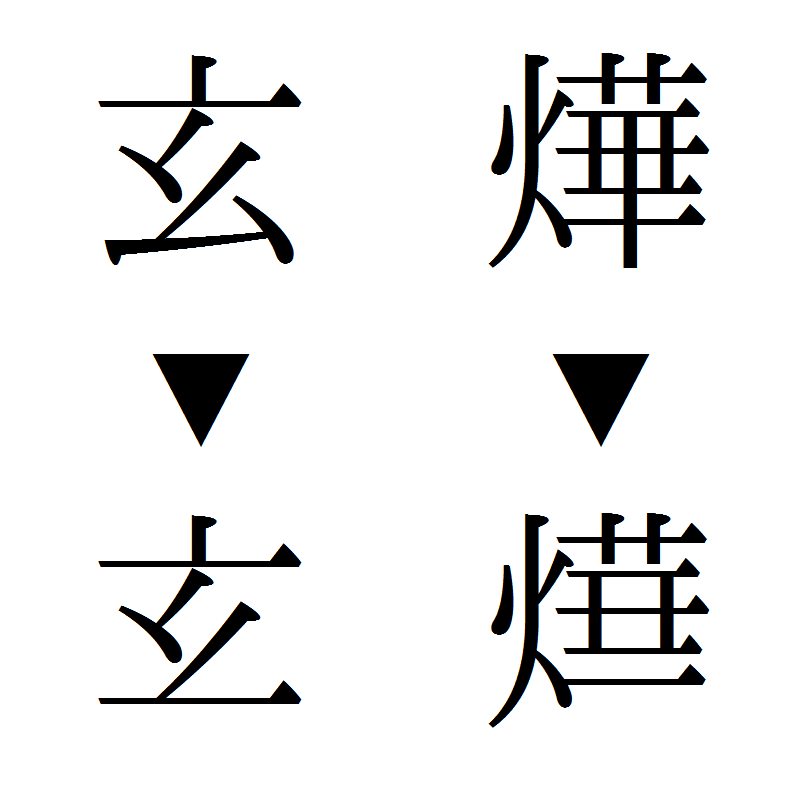 🇨🇳 China and 2 moreNaming taboo避諱
A cultural rule against speaking or writing the names of rulers and ancestors in East AsiaBelief · Protection Historical
🇨🇳 China and 2 moreNaming taboo避諱
A cultural rule against speaking or writing the names of rulers and ancestors in East AsiaBelief · Protection Historical
Related elsewhere
All belief 🇮🇳 India and 5 moreAstrology
A divinatory practice that reads human fate through the positions of celestial bodies.Belief · Seeing and foretelling · Luck and prosperity Living
🇮🇳 India and 5 moreAstrology
A divinatory practice that reads human fate through the positions of celestial bodies.Belief · Seeing and foretelling · Luck and prosperity Living
 🇷🇸 Serbia and 5 moreVampire
An undead creature from folklore that feeds on the blood or life force of the livingBeing · Cursing and harm · Luck and prosperity Legendary
🇷🇸 Serbia and 5 moreVampire
An undead creature from folklore that feeds on the blood or life force of the livingBeing · Cursing and harm · Luck and prosperity Legendary
 🇪🇬 EgyptCurse
A spoken wish for misfortune to befall a person or placeBelief · Cursing and harm · Luck and prosperity Historical
🇪🇬 EgyptCurse
A spoken wish for misfortune to befall a person or placeBelief · Cursing and harm · Luck and prosperity Historical
 🇧🇪 Belgium and 2 moreHorseshoe
A metal shoe for a horse's hoof and a talisman of good fortuneCharm · Protection · Luck and prosperity Living
🇧🇪 Belgium and 2 moreHorseshoe
A metal shoe for a horse's hoof and a talisman of good fortuneCharm · Protection · Luck and prosperity Living