
Planets in astrology
from Greek asteres planetai, meaning wandering stars
Seven celestial bodies used to map human character and destiny
Astrology treats the Sun, Moon, and five visible planets as symbolic forces rather than astronomical objects. Practitioners believe these bodies reflect basic drives and divine will, shaping personality and fate through their positions in the sky.
- Seven classical planets include Sun, Moon, and five naked-eye worlds
- Greek term means wandering stars relative to fixed background
- Hindu system adds Rahu and Ketu as shadow bodies
- Sun rules Sunday, Moon rules Monday in many languages
- Planets represent basic drives like ego, emotion, and communication
What it is
In astrology, planets are not treated as physical worlds but as symbolic carriers of influence. Ancient observers called them wandering stars because they moved against fixed backgrounds. Modern practitioners view them as regulators of energy or mirrors of universal patterns. They express themselves through twelve zodiac signs and twelve houses, creating a complex map of human experience. This system differs from astronomy, which studies physical properties. Astrologers use planetary positions to interpret character traits and life events.
Where it comes from
The concept originated with Babylonian astronomers who identified five visible planets alongside the Sun and Moon. The Greeks adopted this system, naming them after deities. They formed the Sacred Seven Luminaires, establishing a link between celestial movements and daily life. This framework persisted through Roman times and into medieval Christian culture. Each planet was assigned a day of the week. The tradition evolved over centuries, incorporating philosophical ideas from Aristotle and Ptolemy about celestial spheres and influences on earthly affairs.
How it is done
Astrologers calculate the positions of the seven classical planets at specific moments, usually birth. They map these locations onto a chart divided into twelve signs and houses. The interactions between planets, known as aspects, determine their combined influence. Practitioners analyze how each planet expresses its qualities within different signs. For example, the Sun’s position determines a person’s sun sign. The method relies on interpreting these geometric relationships as reflections of inner drives and external circumstances.
Tools and materials
The primary tools are the seven classical planets: Sun, Moon, Mercury, Venus, Mars, Jupiter, and Saturn. These are mapped against the twelve zodiac signs and twelve houses. Symbols represent each planet and sign. In Hindu astrology, two shadow bodies, Rahu and Ketu, are added to form the Navagraha. Chinese astrology uses the five elements and Yin-Yang forces alongside planetary positions. Charts serve as the main tool for visualizing these connections and deriving meaning from spatial arrangements.
Planets in astrology, drawn and placed
- Living
- Revived
- Fading
- Historical
- Legendary
- Performed
- Lineage
- Western and Hindu astrological traditions
- Timing
- at birth and during annual journeys
What it is for
Practitioners use planetary interpretations to understand personality, potential challenges, and life directions. The Sun represents ego and vitality, while the Moon reflects emotions and instincts. Mercury governs communication, Venus love, and Mars action. Jupiter and Saturn relate to social structures and long-term growth. People consult these systems to find clarity about their nature and place in the world. It is believed that planetary configurations reveal underlying patterns in human behavior and destiny.
Who does it
Astrologers study planetary symbolism and chart calculation. Training involves learning traditional correspondences between planets, signs, and body parts. Some follow Western traditions, others Hindu or Chinese systems. Scholars analyze historical texts and cultural shifts in planetary meaning. Practitioners may specialize in natal charts, predictive astrology, or psychological interpretation. The role requires memorization of complex associations and skill in synthesizing diverse influences into coherent narratives about individuals.
Peoples and places
The tradition spans multiple cultures. Babylonians and Greeks established the classical model. Hindus developed the Navagraha system, adding shadow planets. Chinese astrology integrates planets with elemental theory and geomancy. Different regions emphasize distinct planetary attributes. Western astrology focuses on psychological drives, while Eastern systems often link planets to natural forces and health. Despite variations, all share a core belief in celestial influence on terrestrial life, adapting ancient concepts to local cosmologies.
At a glance: who, where and when
Who does it
Belief worlds


What people believe
Astrology posits that celestial bodies exert influence through unknown forces or symbolic resonance. Some believe in direct gravitational or energetic effects. Others see planets as fractal patterns reflecting universal principles. The idea 'as above, so below' suggests sky patterns mirror human impulses. Planets are viewed as expressions of divine will or basic organizing energies. They embody archetypes like leadership, emotion, or conflict. This worldview connects individual fate to cosmic order, suggesting harmony between microcosm and macrocosm.
When it is done
Planets rule specific days of the week. The Sun governs Sunday, the Moon Monday. Their annual journey through the zodiac marks seasonal changes. Birth charts capture planetary positions at the moment of arrival. Annual returns track progress over years. Festivals and rituals sometimes align with planetary alignments. The lunar cycle influences monthly rhythms in some traditions. Astrologers use these temporal markers to time decisions and interpret life phases based on recurring celestial movements.
How scholars and sceptics see it
Anthropologists study astrology as a cultural system providing meaning and structure. Historians trace its evolution from Babylonian omens to modern psychological models. Psychologists interpret it as a tool for self-reflection and projection. Skeptics argue correlations are coincidental or result from confirmation bias. Researchers note that planetary definitions have shifted significantly over time. Academic analysis focuses on how beliefs adapt to changing scientific understanding while maintaining symbolic relevance in society.
Cautions and what is closed
Astrology offers no medical advice despite historical links to bodily organs. It does not predict inevitable outcomes but suggests tendencies. Misinterpretations can lead to fatalism or anxiety. Commercial astrology sometimes exploits fears for profit. Serious practitioners emphasize free will and personal responsibility. Cultural appropriation occurs when traditions are stripped of context. Users should approach readings critically, recognizing symbolic language rather than literal prophecy. Health decisions must rely on professional medical guidance, not planetary positions.
Compare and confuse
Astrology is often confused with astronomy, which studies physical reality. Horoscopes differ from zodiac signs, which are just segments of the ecliptic. The Navagraha includes extra bodies absent in Western systems. Chinese astrology uses elements instead of Greek gods. All share a common root in ancient sky observation. Modern psychology reinterprets planetary archetypes as mental patterns. Scepticism contrasts with belief by denying causal links. The distinction lies in whether one sees symbols as reflective or influential.
Questions people ask about Planets in astrology
What are the planets in astrology?
They are the Sun, Moon, Mercury, Venus, Mars, Jupiter, and Saturn. These seven bodies are seen as symbolic forces influencing human character and events, distinct from their astronomical definition as physical worlds.
Where did this belief come from?
It originated with Babylonian astronomers who tracked five visible planets plus the Sun and Moon. The Greeks adopted and expanded this system, linking each to a deity and establishing the foundation for Western and Eastern astrological traditions.
How do planets affect people?
Practitioners believe planets reflect basic drives or divine will. Their positions in signs and houses are thought to shape personality traits and life patterns. Some see this as direct influence, others as symbolic reflection of universal order.
Are there different planetary systems?
Yes. Hindu astrology uses the Navagraha, adding two shadow planets. Chinese astrology links planets to five elements and Yin-Yang forces. Western astrology focuses on psychological archetypes. All share ancient roots but differ in details and emphasis.
Good reading and sources
- Planets in astrology on WikipediaEncyclopedia
- More photos on Wikimedia CommonsPhotos and video
- Wikidata recordOpen data
The facts on this page come from the Wikipedia article "Planets in astrology", written by its contributors and used under the CC BY-SA 4.0 licence, and from its Wikidata record (CC0). EveryJaadu rewrote the text in its own words, with AI assistance, and compares every page with the article to make sure no passage is copied. It may be reused under the same CC BY-SA 4.0 licence with a link back.
It may contain mistakes. Names and customs differ from one community to the next, and some knowledge is closed to outsiders and left out here. This page describes belief and practice. It does not say that any of it works, it is not a how-to, and it is not medical advice. If something is wrong, tell us. Last refreshed 2026-10-06.
More from India
All the entries from India 🇮🇳 India and 5 moreAstrology
A divinatory practice that reads human fate through the positions of celestial bodies.Belief · Seeing and foretelling · Luck and prosperity Living
🇮🇳 India and 5 moreAstrology
A divinatory practice that reads human fate through the positions of celestial bodies.Belief · Seeing and foretelling · Luck and prosperity Living
 🇮🇷 Iran and 5 moreMagi
Priests of Zoroastrianism and the figures who inspired the word for magicTradition · Seeing and foretelling · Power and authority Living
🇮🇷 Iran and 5 moreMagi
Priests of Zoroastrianism and the figures who inspired the word for magicTradition · Seeing and foretelling · Power and authority Living
 🇸🇾 Syria and 5 moreBaetyl
A sacred stone, often a meteorite, believed to house a deity in ancient Near Eastern and Mediterranean traditions.Charm · Power and authority · Speaking with spirits and the dead Historical
🇸🇾 Syria and 5 moreBaetyl
A sacred stone, often a meteorite, believed to house a deity in ancient Near Eastern and Mediterranean traditions.Charm · Power and authority · Speaking with spirits and the dead Historical
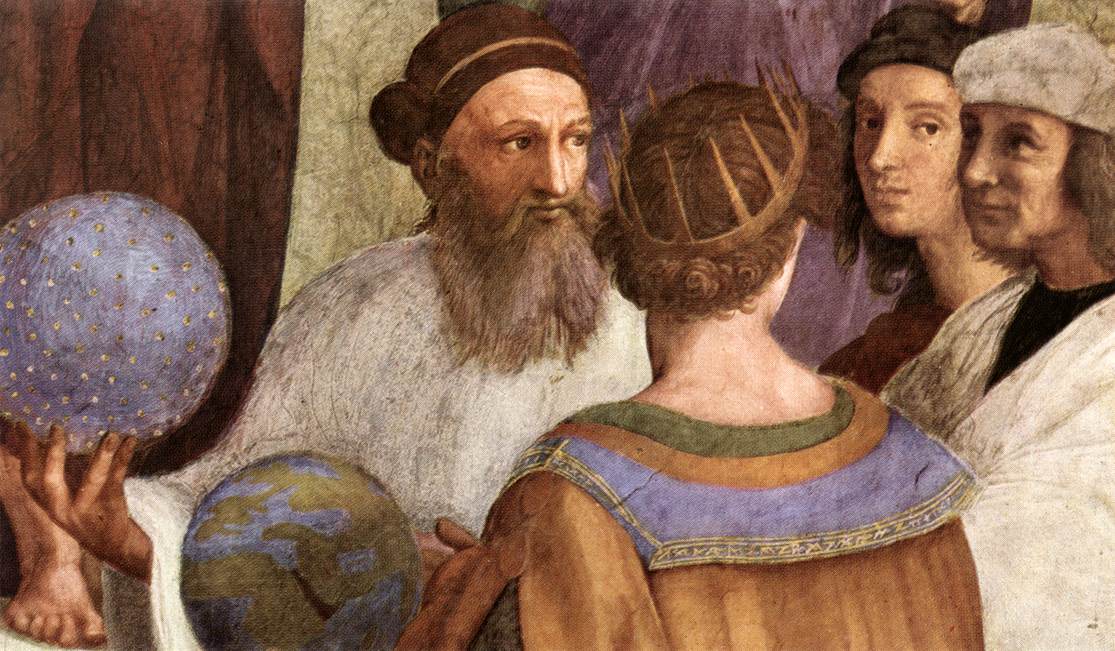 🇮🇷 Iran and 4 morePersian mythologyاسطورهشناسی ایرانی
Ancient Iranian myths of cosmic struggle between light and darknessBelief · Power and authority Historical
🇮🇷 Iran and 4 morePersian mythologyاسطورهشناسی ایرانی
Ancient Iranian myths of cosmic struggle between light and darknessBelief · Power and authority Historical
Related elsewhere
All belief 🇫🇷 FranceHoly GrailSaint Graal
A cup or stone from Arthurian tales that grants healing and eternal lifeFigure · Healing · Luck and prosperity Legendary
🇫🇷 FranceHoly GrailSaint Graal
A cup or stone from Arthurian tales that grants healing and eternal lifeFigure · Healing · Luck and prosperity Legendary
 🇨🇳 China and 3 moreChinese dragon龍
A legendary water deity and imperial symbol in East Asian cultureBeing · Protection · Luck and prosperity Historical
🇨🇳 China and 3 moreChinese dragon龍
A legendary water deity and imperial symbol in East Asian cultureBeing · Protection · Luck and prosperity Historical
 🇮🇳 India and 1 moreGarba
A Gujarati circle dance performed around a central symbol during NavaratriIllusion · Power and authority · Luck and prosperity Living
🇮🇳 India and 1 moreGarba
A Gujarati circle dance performed around a central symbol during NavaratriIllusion · Power and authority · Luck and prosperity Living
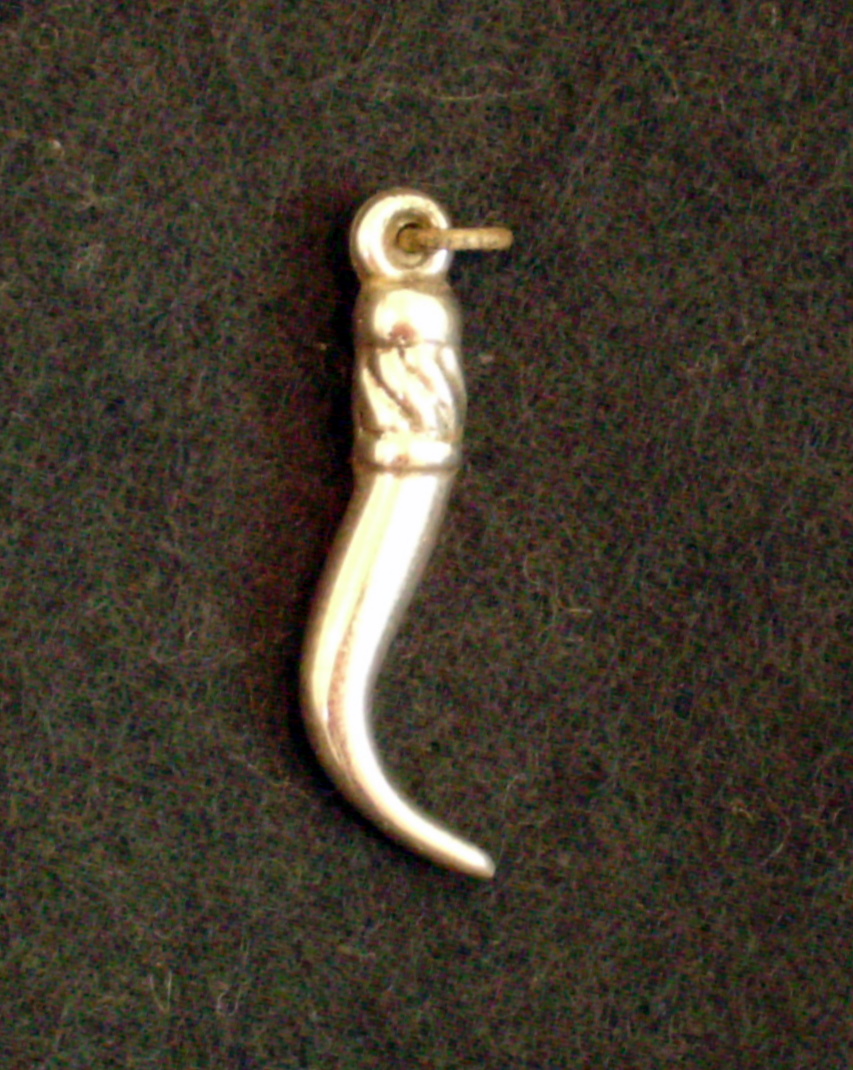 🇮🇹 ItalyCornicello
A twisted horn charm worn in Italy to ward off the evil eye and invite luck.Charm · Protection · Luck and prosperity Living
🇮🇹 ItalyCornicello
A twisted horn charm worn in Italy to ward off the evil eye and invite luck.Charm · Protection · Luck and prosperity Living