
A practice found in societies worldwide that honours deceased relatives through rites, food, and prayers. It is believed to maintain family bonds, ensure ancestral peace, and invite guidance from those who have passed.
- Madagascar's famadihana involves rewrapping ancestral remains in silk
- Chinese families burn paper models of cars and houses for the dead
- Indian śrāddha rituals include feeding crows believed to carry souls
- Cambodian Pchum Ben honors up to seven generations of relatives
- Serer people venerate pangool as ancestral saints in Senegal and Gambia
What it is
Ancestor veneration involves honouring deceased relatives through rituals, prayers, and material offerings. It appears in nearly all human cultures as a way to maintain kinship ties and show respect. Practitioners believe these acts keep ancestors peaceful and encourage them to offer guidance or protection to the living. The practice focuses on devotion and remembrance rather than treating the dead as deities. It serves both spiritual and social functions by reinforcing family loyalty and continuity across generations.
Where it comes from
No single theory explains the origins of ancestor veneration. Anthropologists suggest it may have helped early human groups coordinate and stay cohesive. The practice exists in societies with varying levels of technology and political structure. It likely emerged independently in different regions as a natural extension of family bonds and beliefs about the afterlife. Historical records show its presence in ancient China, Africa, and Asia for thousands of years.
How it is done
Rites vary by culture but often include visiting graves, burning incense, and leaving food on altars. In Madagascar, families perform the famadihana, exhuming remains to wrap them in fresh silk. Chinese households may burn paper models of goods like cars or houses. Indian families prepare specific meals and offer food to crows during śrāddha rituals. These acts are performed to show respect, provide for ancestors, or seek their favour.
Tools and materials
Common tools include altars, incense, candles, and food. Paper money and miniature objects are burned in Chinese traditions to send goods to the afterlife. In India, specific dishes prepared by the family are offered. Crows are sometimes fed as they are believed to carry souls. In Madagascar, fresh silk shrouds and rum are used. Offerings range from simple gestures to elaborate feasts depending on local custom and resources.
Ancestor veneration, drawn and placed
- Living
- Revived
- Fading
- Historical
- Legendary
- Performed
- Timing
- during festivals, anniversaries, and daily life
What it is for
The main goal is to ensure ancestors remain benevolent and do not cause misfortune. Families seek guidance, protection, and peace for the departed. It also reinforces filial piety and family identity. In some cultures, it is believed ancestors need physical provisions in the afterlife. In others, the act itself expresses love and duty regardless of whether the dead receive anything.
Who does it
Usually performed by household members, particularly descendants. In some traditions, priests or monks assist, such as Buddhist monks chanting in Cambodia. Family heads often lead rituals. Gender roles vary; in some places, men handle specific rites while women prepare food. The practice is passed down through generations, with elders teaching younger members how to conduct ceremonies correctly.
Peoples and places
Widespread in Africa, Asia, and among diaspora communities. Serer people in Senegal and Gambia venerate pangool spirits. Chinese culture emphasizes Confucian filial piety. Hindu families in India perform śrāddha rites. Cambodians observe Pchum Ben. Practices spread through migration, seen in Singapore, Malaysia, and Fiji. Each culture adapts the core idea of respect to its own cosmology and social structure.
At a glance: who, where and when


What people believe
Beliefs vary: some see ancestors as active intermediaries with gods, others view them as needing care. In Serer religion, pangool are saint-like figures. Chinese tradition holds spirits influence fortune. Hindu belief suggests souls find peace through rituals. Some cultures think ancestors are unaware of offerings, valuing the gesture alone. Misfortune is often attributed to neglected ancestors, while good luck is seen as their blessing.
When it is done
Rites occur at funerals, annual festivals, and death anniversaries. Mahalaya marks the end of tarpana in India. Pchum Ben in Cambodia coincides with the New Year. Ghost Festivals in China involve grave visits. Daily practices include leaving small portions of food or drink. Life events like weddings or births may also involve ancestor honours to seek blessings for new beginnings.
Questions people ask about Ancestor veneration
What is ancestor veneration?
It is a practice found globally where living relatives honour the dead through rituals, food, and prayers. It aims to maintain family bonds and seek guidance from ancestors, rather than worshipping them as gods.
Where does this practice come from?
It appears in nearly all human cultures, likely emerging independently as a way to strengthen group cohesion and express respect for lineage. No single origin point is identified, but it is deeply rooted in African, Asian, and European traditions.
Why do people make offerings to the dead?
Offerings are made to show respect, provide for ancestors in the afterlife, or ensure they remain benevolent. In some cultures, it is believed ancestors can influence the living, so gifts are given to secure their protection and favour.
How is it different from worship?
Unlike deity worship, ancestor veneration focuses on familial duty and remembrance. Ancestors are seen as relatives who deserve respect and care, not as supreme beings to be prayed to for salvation. The emphasis is on kinship values like filial piety.
Good reading and sources
- Veneration of the dead on WikipediaEncyclopedia
- More photos on Wikimedia CommonsPhotos and video
- Wikidata recordOpen data
The facts on this page come from the Wikipedia article "Veneration of the dead", written by its contributors and used under the CC BY-SA 4.0 licence, and from its Wikidata record (CC0). EveryJaadu rewrote the text in its own words, with AI assistance, and compares every page with the article to make sure no passage is copied. It may be reused under the same CC BY-SA 4.0 licence with a link back.
It may contain mistakes. Names and customs differ from one community to the next, and some knowledge is closed to outsiders and left out here. This page describes belief and practice. It does not say that any of it works, it is not a how-to, and it is not medical advice. If something is wrong, tell us. Last refreshed 2026-10-05.
More from Senegal
All the entries from Senegal 🇸🇳 Senegal and 5 morePentagramπεντάγραμμον
A five-pointed star figure used across history for protection, ritual, and cosmologyCharm · Protection · Binding and oaths Living
🇸🇳 Senegal and 5 morePentagramπεντάγραμμον
A five-pointed star figure used across history for protection, ritual, and cosmologyCharm · Protection · Binding and oaths Living
 🇸🇳 Senegal and 5 moreMaraboutmurābiṭ
A Muslim religious leader and teacher in West Africa, often linked to Sufi brotherhoods.Tradition · Protection · Speaking with spirits and the dead Living
🇸🇳 Senegal and 5 moreMaraboutmurābiṭ
A Muslim religious leader and teacher in West Africa, often linked to Sufi brotherhoods.Tradition · Protection · Speaking with spirits and the dead Living
 🇸🇳 Senegal and 1 moreSerer religionA ƭat Roog
The traditional faith of the Serer people, centred on the supreme deity Roog and ancestral veneration.Tradition · Protection · Speaking with spirits and the dead Living
🇸🇳 Senegal and 1 moreSerer religionA ƭat Roog
The traditional faith of the Serer people, centred on the supreme deity Roog and ancestral veneration.Tradition · Protection · Speaking with spirits and the dead Living
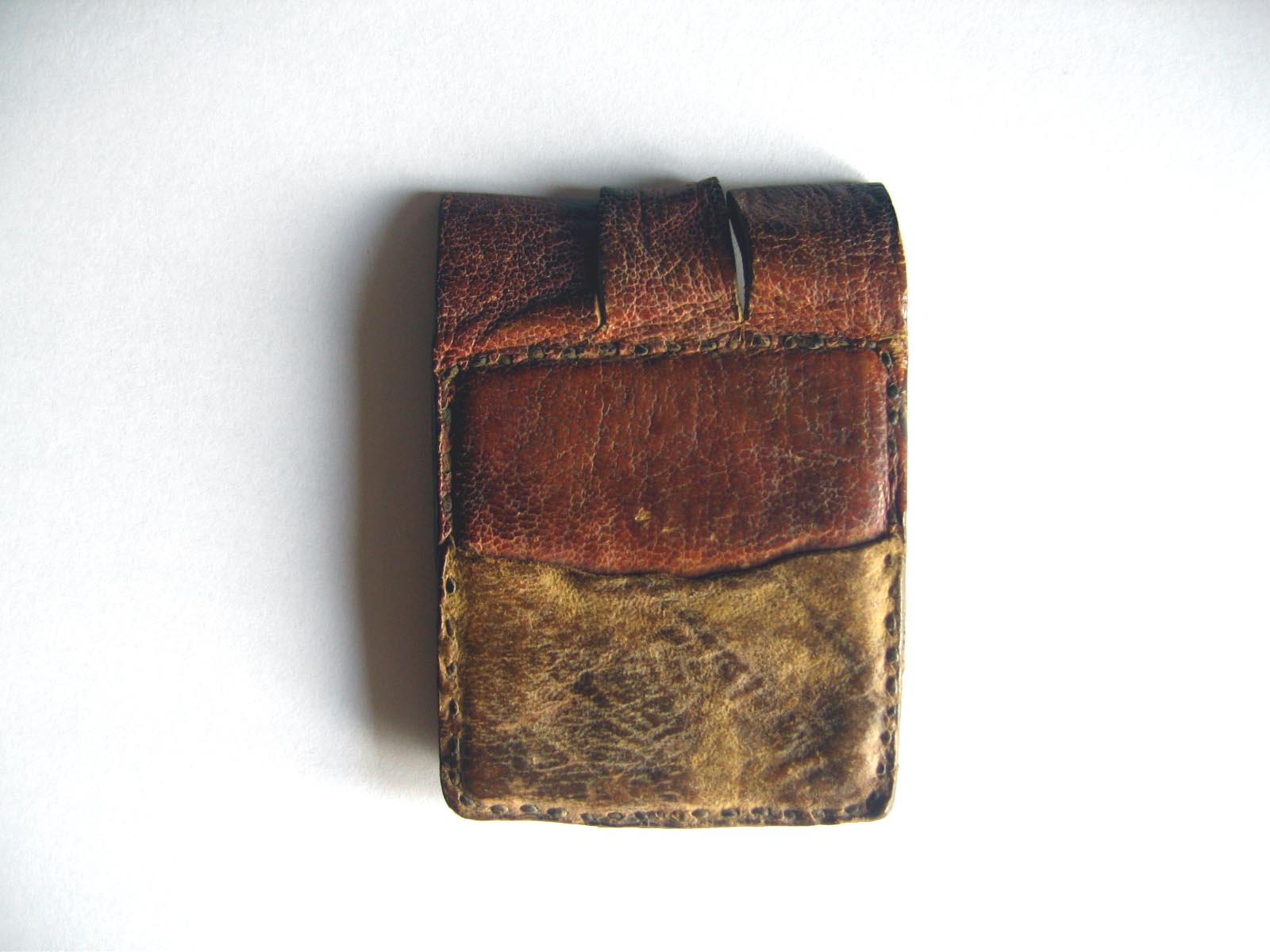 🇲🇱 Mali and 3 moreGris-gris
A small pouch or charm from West Africa used for protection and luck.Charm · Protection · Luck and prosperity Living
🇲🇱 Mali and 3 moreGris-gris
A small pouch or charm from West Africa used for protection and luck.Charm · Protection · Luck and prosperity Living
Related elsewhere
All tradition 🇯🇵 JapanShinto shrine神社 (jinja)
A structure housing kami deities within the Shinto tradition of JapanTradition · Protection · Speaking with spirits and the dead Living
🇯🇵 JapanShinto shrine神社 (jinja)
A structure housing kami deities within the Shinto tradition of JapanTradition · Protection · Speaking with spirits and the dead Living
 🇪🇬 Egypt and 2 moreLibation
The ritual pouring of liquid as an offering to spirits or the deadRite · Speaking with spirits and the dead · Protection Living
🇪🇬 Egypt and 2 moreLibation
The ritual pouring of liquid as an offering to spirits or the deadRite · Speaking with spirits and the dead · Protection Living
 🇮🇳 India and 1 moreNavagrahaनवग्रह
A group of nine celestial deities in Hinduism that govern fate and astrologyTradition · Protection · Luck and prosperity Living
🇮🇳 India and 1 moreNavagrahaनवग्रह
A group of nine celestial deities in Hinduism that govern fate and astrologyTradition · Protection · Luck and prosperity Living
 🇲🇳 Mongolia and 1 moreOvooовоо
A stone or branch cairn used as a shrine and boundary marker in Mongolic folk practice.Tradition · Protection · Speaking with spirits and the dead Living
🇲🇳 Mongolia and 1 moreOvooовоо
A stone or branch cairn used as a shrine and boundary marker in Mongolic folk practice.Tradition · Protection · Speaking with spirits and the dead Living