
Ancestor veneration in China
In its own language: 中國傳統宗法性宗教
Rites for dead kin who are thought to watch over the family
A practice inside Chinese traditional religion in which families honour dead relatives believed to have become godly beings. Ancestors are given food, incense and paper money at household altars and lineage shrines, and are held to link the living to Heaven.
- Ancestors are thought to become godly beings who keep their own identities
- Rites centre on mourning, burial and regular offerings to the dead
- Household altars hold a spirit tablet, incense and gifts of food and spirit money
- Qingming and Zhong Yuan are the festivals for giving to the ancestors
- Bones may be lifted, washed and stored in an earthenware jar before final burial
What it is
Ancestor veneration is one of the main strands of Chinese traditional religion. Households hold rites for dead relatives whom they treat as having turned into divine beings, ones who keep their own names and characters. These ancestors are not put outside nature or beyond it; they belong to what is called this world, along with their ghosts and the gods. Lineages sharing a surname arrange the ceremonies and keep shrines for them. Since the dead are thought to reproduce the creative order of Heaven, honouring them is taken as a way of reaching Tian, the supreme power.
Where it comes from
Legendary accounts place the beginnings of this religion in the Xia, Shang and Zhou dynasties, when worship of Heaven and of ancestors took shape, according to the scholar Mou Zhongjian. He describes an orthodox faith accepted across every class and answerable to the state. The Song Dynasty mattered greatly later on, when neo-Confucian thinkers pressed for patrilineal descent-line ethics built on kinship and filial piety. Until the People's Republic of China was founded in 1949, lineage organisations were the strongest body in local society and gave the rites their backing.
How it is done
Mourning and burial for parents, followed by regular offerings, sit at the centre of the practice. Funerals may include drawn-out wailing, a ritual washing of the body, dressing it in grave clothes, and white garments worn by the family. Food and money are handed over from the living to the dead. A spirit tablet is installed at a household altar, where incense is lit each day, announcements are made, and food, drink and spirit money are set out roughly twice a month and on festivals.
Tools and materials
The spirit tablet, a small plaque standing for the dead person, is the focus of the household altar and is said to hold the po soul. Incense, candles, wine, food and spirit money, or joss paper, are the usual gifts. White is worn for mourning. Graves of rulers could once hold bronze vessels and oracle bones, with human or animal sacrifices; ordinary burials held simpler things. In some cases bones are lifted years later, washed, dried and kept in an earthenware jar before their final resting place.
Ancestor veneration in China, drawn and placed
- Living
- Revived
- Fading
- Historical
- Legendary
- Performed
- Lineage
- Chinese traditional religion and Chinese folk religion
- Timing
- at death, through the mourning period, and on festival days such as Qingming
What it is for
Funerals are meant to show respect and to give comfort to the dead, and are also held to shield the descendants from harmful spirits and to send the soul properly onward. Regular offerings are made so the deceased are provided for after death. Kin ask ancestors for blessings; some Taoists have called on ancestors, or whole pantheons of them, for help in life or for the wiping away of sins. In Confucian terms the practice expresses filial piety, the duty owed by children to parents and elders.
Who does it
Households do most of the work. Within a family the eldest male commonly speaks before the altar, while clan elders and parents stand for their kin in the rites. In the past, lineage societies formed around a shared surname ran the ancestral shrines and held collective property. For particular rites, Taoist priests or Buddhist monks may be engaged, and an augur, a reader of signs, may pick the burial place so that qi, the flow of vital energy, is well placed.
Peoples and places
It is a major part of Han Chinese religion, and people of other ethnic groups in China observe it as well. The geography differs. In the south, lineage bonds are strong, seniority does not fix rank in the patrilineal order, and every line of descent has an equal claim on what a lineage owns. In the north, worship of communal deities is more common. Descent runs through men and is written into genealogy books; a family's ancestral home is where its patriline forebear was born, often about five generations back, or where the surname began.
At a glance: who, where and when


What people believe
A person is often thought to hold several souls. The hun and the po are the two named groups, commonly tied to yang and yin. At death they separate: the hun is generally said to ascend to heaven, while the po goes down into the earth or stays in a spirit tablet, though ideas about the number and nature of souls vary. Ancestors keep their individual identities and become godly, and are held to embody or reproduce the order of Heaven. Women were once thought unable to carry a bloodline, as surnames passed down the male side.
When it is done
Rites follow family events and the farming year. Mourning for a parent was often set at three years, echoing the first three years of a child's life, when it depends entirely on its parents. Incense is burned at the household altar every day, with food, drink and spirit money offered about twice a month. Qingming Festival and Zhong Yuan Festival are the special times for gifts to the dead. Burial could also be delayed by rank: seven months for a king or emperor, five for a magnate, three for other officers, one for a commoner.
How scholars and sceptics see it
Chinese academics have argued over what to call the system. Mou Zhongjian writes of a clan-based traditional patriarchal religion, an orthodox faith of long standing that sat under the state, was diverse and inclusive, and stressed the social and moral work of religion; it kept concepts, feelings and rituals but had no separate organisation, because kinship filled that role. Zhuo Xinping holds that it and Confucianism completed one another, the one lacking a doctrine and the other a social body, and calls it the bedrock faith of the Chinese.
Compare and confuse
Ancestor veneration sits within Chinese traditional religion and overlaps with Chinese folk religion. It shares ground with Confucian practice and with Taoist and Buddhist ritual, and close customs include burnt paper offerings and the Taoist paper art called zhizha. Neighbouring East Asian examples include the Confucian shrine Jongmyo in Seoul and the noble rite known as Sacrifice to Heaven. Kindred ideas are ghosts in Chinese culture, Chinese spiritual world concepts, and the unity of Heaven and humanity.
Today
Ancestral tablets still stand on household altars, and lineage halls are still used. In modern China and Taiwan the dead may be given goods such as a toothbrush, money, food, water, and a credit card or a computer. Traditional Chinese martial arts, of which several thousand styles exist, often keep an ancestral altar at the school, called a wuguan or martial hall, with pictures of lineage teachers and founders and incense burned before them.
Days linked to Ancestor veneration in China
Questions people ask about Ancestor veneration in China
What is ancestor veneration in China?
It is the practice of honouring dead relatives who are believed to have become godly beings while keeping their own identities. Families and surname-based lineages make offerings to them at household altars and ancestral shrines. It is a major part of Chinese traditional religion and of Chinese folk religion.
Where does it come from?
Mou Zhongjian traces it to the Xia, Shang and Zhou dynasties, when worship of Heaven and of ancestors developed. Neo-Confucian thinkers of the Song Dynasty later promoted patrilineal descent-line ethics. Before the People's Republic of China was founded in 1949, lineage organisations supported it strongly in local society.
What happens at a funeral?
Relatives wail, wear white, wash the body and dress it in grave clothes, then pass food and money to the dead. A spirit tablet is prepared, or a living person acts as a symbolic stand-in. Taoist or Buddhist specialists may be hired, sometimes with music or scripture.
Why are ancestors honoured?
The rites are held to provide for the dead, to show respect and filial piety, to keep harmful spirits from the descendants, and to guide the soul onward. Because ancestors are thought to reproduce the order of Heaven, honouring them is taken as a link to Tian, the supreme power.
Who performs the rites?
Mostly families, at home. The eldest male commonly addresses the altar, and clan elders represent their kin. Surname lineages ran the shrines and held shared property. Specialists such as Taoist priests or Buddhist monks are sometimes engaged for particular rites, and an augur may choose the burial place.
Good reading and sources
The facts on this page come from the Wikipedia article "Ancestor veneration in China", written by its contributors and used under the CC BY-SA 4.0 licence, and from its Wikidata record (CC0). EveryJaadu rewrote the text in its own words, with AI assistance, and compares every page with the article to make sure no passage is copied. It may be reused under the same CC BY-SA 4.0 licence with a link back.
It may contain mistakes. Names and customs differ from one community to the next, and some knowledge is closed to outsiders and left out here. This page describes belief and practice. It does not say that any of it works, it is not a how-to, and it is not medical advice. If something is wrong, tell us. Last refreshed 2026-10-05.
More from China
All the entries from China 🇨🇳 ChinaChinese alchemy煉丹術
A Taoist pursuit of longevity through elixirs and internal cultivationTradition · Healing · Speaking with spirits and the dead Historical
🇨🇳 ChinaChinese alchemy煉丹術
A Taoist pursuit of longevity through elixirs and internal cultivationTradition · Healing · Speaking with spirits and the dead Historical
 🇨🇳 China and 5 moreGhost FestivalZhongyuan Festival; Yulanpen Festival
A festival to feed wandering spirits and guide them home during the seventh lunar month.Tradition · Speaking with spirits and the dead · Protection Living
🇨🇳 China and 5 moreGhost FestivalZhongyuan Festival; Yulanpen Festival
A festival to feed wandering spirits and guide them home during the seventh lunar month.Tradition · Speaking with spirits and the dead · Protection Living
 🇲🇳 Mongolia and 1 moreTsagaan SarЦагаан сар
A Mongol lunisolar new year marked by white clothes and dairy feastsTradition · Luck and prosperity · Speaking with spirits and the dead Living
🇲🇳 Mongolia and 1 moreTsagaan SarЦагаан сар
A Mongol lunisolar new year marked by white clothes and dairy feastsTradition · Luck and prosperity · Speaking with spirits and the dead Living
 🇨🇳 China and 5 moreJoss paper金紙
Paper burned as money and goods for ancestors, gods and the deadCharm · Speaking with spirits and the dead · Luck and prosperity Living
🇨🇳 China and 5 moreJoss paper金紙
Paper burned as money and goods for ancestors, gods and the deadCharm · Speaking with spirits and the dead · Luck and prosperity Living
Related elsewhere
All tradition 🇸🇳 Senegal and 1 moreSerer religionA ƭat Roog
The traditional faith of the Serer people, centred on the supreme deity Roog and ancestral veneration.Tradition · Protection · Speaking with spirits and the dead Living
🇸🇳 Senegal and 1 moreSerer religionA ƭat Roog
The traditional faith of the Serer people, centred on the supreme deity Roog and ancestral veneration.Tradition · Protection · Speaking with spirits and the dead Living
 🇮🇶 Iraq and 5 moreGrimoire
A textbook containing instructions for spells, rituals, and the creation of magical objects.Text · Protection · Healing Historical
🇮🇶 Iraq and 5 moreGrimoire
A textbook containing instructions for spells, rituals, and the creation of magical objects.Text · Protection · Healing Historical
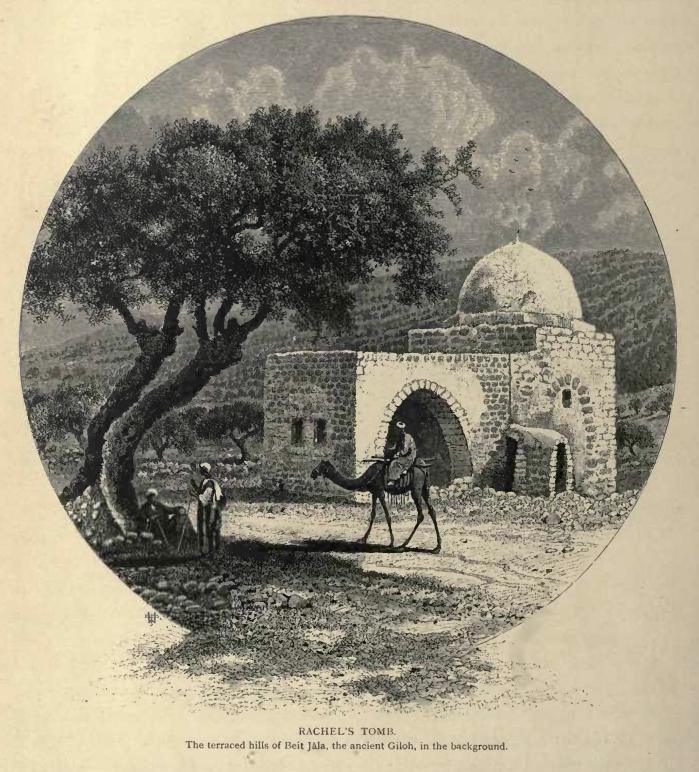 🇵🇸 Palestine and 1 moreRachel's TombQever Raḥel; Qabr Rāḥīl
A shared holy site near Bethlehem revered by Jews, Christians, and MuslimsTradition · Speaking with spirits and the dead · Protection Living
🇵🇸 Palestine and 1 moreRachel's TombQever Raḥel; Qabr Rāḥīl
A shared holy site near Bethlehem revered by Jews, Christians, and MuslimsTradition · Speaking with spirits and the dead · Protection Living
 🇪🇬 Egypt and 4 moreAnimal sacrifice
The ritual killing of livestock or wild animals as an offering to deitiesRite · Speaking with spirits and the dead · Power and authority Historical
🇪🇬 Egypt and 4 moreAnimal sacrifice
The ritual killing of livestock or wild animals as an offering to deitiesRite · Speaking with spirits and the dead · Power and authority Historical