Naming taboo
In its own language: 避諱
from Chinese characters meaning to avoid and to fear
A cultural rule against speaking or writing the names of rulers and ancestors in East Asia
A naming taboo is a cultural practice in China and its sphere that forbids using the given names of exalted figures. It was enforced by law in imperial times to show respect and avoid shame for both the speaker and the subject.
- Forbidden names were replaced with synonyms or blanks
- Wang Xihou was executed for a dictionary error in 1777
- Emperor Taizong simplified rules for common characters
- Goguryeo ambassadors requested a list of imperial names
- Taboos help historians date ancient Chinese texts
What it is
A naming taboo is a strict cultural rule that forbids speaking or writing the personal names of respected individuals. This practice is most prominent in China and extends across the broader Chinese cultural sphere. The custom targets the names of emperors, ancestors, and revered scholars. Violating these rules brings shame upon the offender and shows a lack of proper education. The taboo serves as a marker of social hierarchy and deep respect for authority and lineage.
Where it comes from
The practice likely began before the Qin dynasty, with roots in cultural and possibly religious beliefs. Over time, it became codified into state laws during Imperial China. These laws mandated specific methods to avoid offending the emperor's name. The severity of the punishment varied, ranging from fines to execution in extreme cases. The custom reflects a society where names held significant power and identity.
How it is done
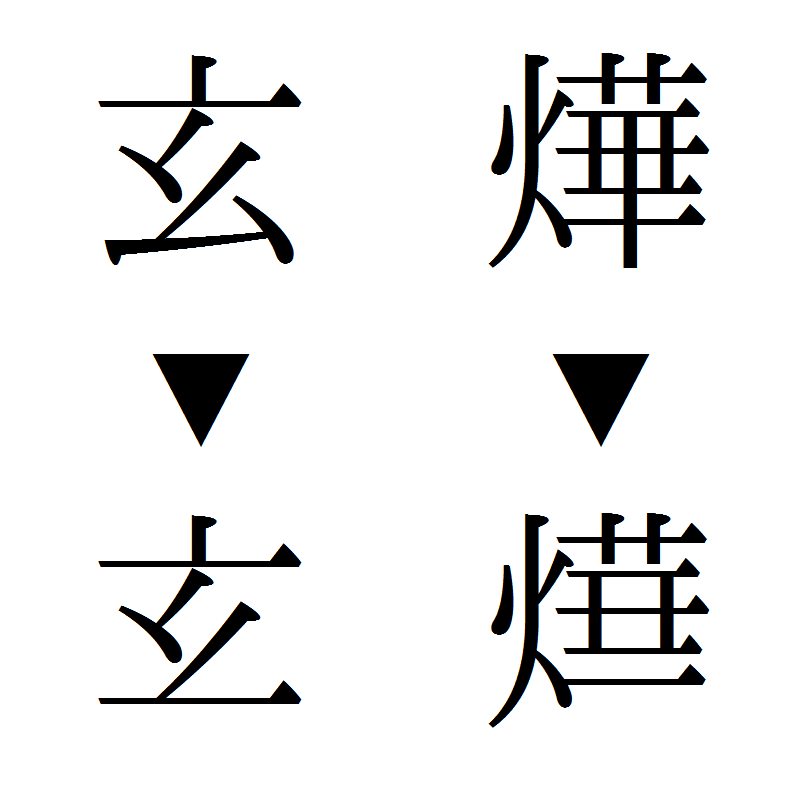
People used three main techniques to comply with the taboo. First, they replaced the forbidden character with a synonym or a word with a similar sound. Second, they left a blank space where the character would have been. Third, they omitted a stroke from the character, usually the final one. These changes applied to both written text and spoken language.
Tools and materials
The primary tools are linguistic adjustments rather than physical objects. Writers used alternative characters that sounded or looked similar to the tabooed name. In some cases, scribes simply left gaps in the text. These methods allowed texts to remain readable while technically avoiding the prohibited name.
Naming taboo, drawn and placed
- Living
- Revived
- Fading
- Historical
- Legendary
- Performed
- Lineage
- Chinese cultural sphere
- Timing
- daily life and official documents
What it is for
The main purpose is to show respect and maintain social order. By avoiding the names of rulers and ancestors, people acknowledge their status and power. It also protects the individual whose name is avoided from disrespect. For commoners, following the rules demonstrated their education and adherence to societal norms.
Who does it
The practice involved everyone in society, from common households to government officials. Scholars and scribes were particularly careful when copying historical texts. Officials had to ensure that all documents complied with the current emperor's naming rules. Failure to do so could result in severe legal consequences.
Peoples and places
The custom originated in China and spread to neighboring regions influenced by Chinese culture. In Japan, it historically applied to the upper class and later focused on the emperor. In Vietnam, it was observed from the early days of independence. Each region adapted the rules to fit their local languages and political structures.
At a glance: who, where and when
Who does it
Peoples
Belief worlds


What people believe
The underlying belief is that names carry the essence of a person. Using a name casually or disrespectfully can offend the spirit or status of that person. This view connects to broader concepts of ancestor worship and reverence for authority. It reinforces the idea that language has power and must be used carefully.
When it is done
The taboo applied continuously throughout daily life and official business. There were no specific festivals associated with it, but it was constantly active. Whenever a new emperor ascended the throne, the rules often changed to reflect his name. This required constant vigilance from writers and speakers.
How scholars and sceptics see it
Historians use naming taboos to date ancient texts. If a text avoids certain characters, it suggests it was written after those characters became taboo. This helps scholars determine the approximate time of composition. The practice also provides insight into the political climate and the power of the ruling dynasty.
Cautions and what is closed
Violating the taboo could lead to serious punishment, including execution and confiscation of property. In 1777, a scholar named Wang Xihou was executed for failing to properly modify the Qianlong Emperor's name in a dictionary. Such cases highlight the high stakes of adhering to these rules.
Compare and confuse
Similar taboos exist in other cultures, such as the Jewish tradition of not saying God's name. The Voldemort effect in modern fiction also references the fear of speaking a dark figure's name. However, the Chinese system was uniquely systematic and legally enforced over centuries.
Law and persecution
Imperial laws strictly enforced naming taboos. Transgressors faced harsh penalties, including death. Emperors sometimes relaxed the rules if their names contained common characters, to reduce the burden on the populace. For example, Emperor Taizong of Tang allowed avoidance only when characters appeared together.
Questions people ask about Naming taboo
What is a naming taboo?
It is a cultural rule in China and East Asia that forbids speaking or writing the names of emperors, ancestors, and respected figures to show honor and avoid shame.
Where did this practice originate?
It originated in China before the Qin dynasty and spread to Japan and Vietnam through cultural influence, becoming a formal part of imperial law.
How did people avoid using forbidden names?
They used synonyms, left blank spaces in text, or omitted strokes from characters. They also changed pronunciations to match the taboo requirements.
What happened if someone broke the rule?
Punishments ranged from social shame to execution. In 1777, a scholar was executed for failing to modify the emperor's name in a published dictionary.
Good reading and sources
- Naming taboo on WikipediaEncyclopedia
- More photos on Wikimedia CommonsPhotos and video
- Wikidata recordOpen data
The facts on this page come from the Wikipedia article "Naming taboo", written by its contributors and used under the CC BY-SA 4.0 licence, and from its Wikidata record (CC0). EveryJaadu rewrote the text in its own words, with AI assistance, and compares every page with the article to make sure no passage is copied. It may be reused under the same CC BY-SA 4.0 licence with a link back.
It may contain mistakes. Names and customs differ from one community to the next, and some knowledge is closed to outsiders and left out here. This page describes belief and practice. It does not say that any of it works, it is not a how-to, and it is not medical advice. If something is wrong, tell us. Last refreshed 2026-10-05.
More from China
All the entries from China 🇨🇳 China and 1 moreBagua八卦
A set of eight trigram symbols from China used in divination, cosmology, and feng shui.Tradition · Seeing and foretelling · Protection Living
🇨🇳 China and 3 moreQi氣 / 气
A vital force in Chinese philosophy and medicine, believed to flow through all living things.Substance · Healing · Power and authority Living
🇨🇳 China and 1 moreBagua八卦
A set of eight trigram symbols from China used in divination, cosmology, and feng shui.Tradition · Seeing and foretelling · Protection Living
🇨🇳 China and 3 moreQi氣 / 气
A vital force in Chinese philosophy and medicine, believed to flow through all living things.Substance · Healing · Power and authority Living
 🇨🇳 China and 1 moreAncestor veneration in China中國傳統宗法性宗教
Rites for dead kin who are thought to watch over the familyTradition · Protection · Speaking with spirits and the dead Living
🇨🇳 ChinaGu蛊
A venom-based poison and black magic practice from south ChinaSubstance · Cursing and harm · Luck and prosperity Historical
🇨🇳 China and 1 moreAncestor veneration in China中國傳統宗法性宗教
Rites for dead kin who are thought to watch over the familyTradition · Protection · Speaking with spirits and the dead Living
🇨🇳 ChinaGu蛊
A venom-based poison and black magic practice from south ChinaSubstance · Cursing and harm · Luck and prosperity Historical
Related elsewhere
All belief 🇪🇬 Egypt and 1 moreSphinx
A mythical hybrid with a human head and lion body, serving as guardian or riddler in Egyptian and Greek traditions.Being · Protection · Wonder and entertainment Legendary
🇪🇬 Egypt and 1 moreSphinx
A mythical hybrid with a human head and lion body, serving as guardian or riddler in Egyptian and Greek traditions.Being · Protection · Wonder and entertainment Legendary
 🇧🇪 Belgium and 2 moreHorseshoe
A metal shoe for a horse's hoof and a talisman of good fortuneCharm · Protection · Luck and prosperity Living
🇧🇪 Belgium and 2 moreHorseshoe
A metal shoe for a horse's hoof and a talisman of good fortuneCharm · Protection · Luck and prosperity Living
 🇪🇬 Egypt and 3 moreAmulet
A portable object worn or carried to ward off harm and invite fortuneCharm · Protection · Luck and prosperity Living
🇪🇬 Egypt and 3 moreAmulet
A portable object worn or carried to ward off harm and invite fortuneCharm · Protection · Luck and prosperity Living
 🇹🇷 Turkey and 5 moreEvil eye
A curse believed to be cast by a jealous glare and the charms used to stop itBelief · Protection Living
🇹🇷 Turkey and 5 moreEvil eye
A curse believed to be cast by a jealous glare and the charms used to stop itBelief · Protection Living