
Smallpox demon
In its own language: 疱瘡神 (Hōsōgami)
from Japanese hōsōshin, meaning smallpox god
A spirit blamed for smallpox in medieval Japan and the rituals used to appease it
The Hōsōgami is a kami or spirit from Japanese folklore believed to cause smallpox. People tried to calm its anger or drive it away using red objects, music, and dance. The belief spread across parts of Asia and Europe, where similar red treatments were common.
- Smallpox entered Japan in 735 CE from Korea.
- Patients wore red clothes to ward off the demon.
- Okinawan rituals included sanshin music and lion dances.
- European monarchs used red blankets for treatment.
- Nobel laureate Niels Finsen supported red light therapy.
What it is
The Hōsōgami is a spirit in Japanese folklore linked to the disease smallpox. It was viewed as an angry force that brought illness to communities. People did not see it as a random event but as a being that needed to be managed. They either tried to soothe its rage or attack it directly. This view existed before modern medicine could treat the virus. The spirit was part of a wider understanding of sickness as spiritual vengeance.
Where it comes from
Smallpox arrived in Japan in 735 CE via Korea. At first, people thought the disease came from onryō, vengeful spirits of the dead. Over time, specific kami like Sumiyoshi sanjin became linked to the illness. By the late eighteenth century, families enshrined these devils at home to seek recovery. The concept likely traveled from China and India, where smallpox gods were also worshipped. In Europe, the idea appeared as the red treatment, linking color to healing.
How it is done
Rituals focused on distraction and protection. In Okinawa, musicians played the sanshin while dancers performed lion dances near patients wearing red clothes. Families burned incense and offered flowers to please the spirit. In other regions, people hung straw ropes with red paper streamers around homes. These acts were meant to confuse or ward off the demon. Poetry was also composed to glorify the entity or wish for health.
Tools and materials
Red items were central to the practice. Dolls painted red were displayed to scare the demon away. Patients wore red garments and sat near live fires. Red light was later used in medical texts to claim it weakened symptoms. Musical instruments like the sanshin provided sound barriers. Incense and flowers served as offerings. Straw ropes marked boundaries around infected houses.
Smallpox demon, drawn and placed
- Living
- Revived
- Fading
- Historical
- Legendary
- Performed
- Lineage
- Japanese folklore
- Timing
- during smallpox outbreaks
What it is for
The main goal was survival during an outbreak. Since no cure existed, people sought to reduce suffering and death. Appeasing the spirit was thought to lower the chance of severe scarring or fatal infection. The red treatment aimed to protect the body from the disease's marks. Communities used these methods to regain control over a terrifying illness. The rituals provided psychological comfort during crises.
Who does it
Ordinary households performed these rites. There were no specialized priests mentioned for this specific task. Families acted as their own ritual specialists. In some cases, local communities organized dances and displays. The practice was widespread among common people facing the disease. Women and men alike participated in the domestic rituals.
Peoples and places
The belief was strongest in Japan, especially in regions like Okinawa and Ibaraki. It also appeared in China, India, Turkey, and Georgia, where red light therapy was documented. In West Africa, the Yoruba people associated the god Sopona with red. European monarchs like Charles V and Elizabeth I underwent similar red treatments. The practice crossed cultural lines despite different religious backgrounds.
At a glance: who, where and when
Who does it
Belief worlds
Occasions

What people believe
Sickness was seen as a physical manifestation of spiritual anger. The onryō concept explained how dead beings could harm the living. Smallpox was not just a biological event but a moral or cosmic one. Red was believed to have protective power against evil forces. Light therapy was later given scientific weight by researchers like Niels Finsen. These beliefs persisted until the mid-twentieth century.
When it is done
Rituals occurred only during active outbreaks. There were no fixed annual dates for the worship. The timing depended entirely on when the disease struck a community. Once the epidemic passed, the immediate rituals often ceased. Some folk dances survived as cultural performances long after smallpox was eradicated.
How scholars and sceptics see it
Modern researchers view these practices as historical responses to disease. Anthropologists note the link between spiritual blame and medical helplessness. Historians track the spread of the red treatment across continents. Scientists eventually proved that red light had no curative effect on smallpox. The belief lingered into the 1930s before being declared useless by medical authorities.
Cautions and what is closed
Smallpox itself caused high mortality and disfigurement. The reliance on spiritual remedies delayed effective medical care. Colonial and missionary histories often suppressed such indigenous beliefs. Today, the disease is eradicated, making these rituals purely historical. No current health risks exist from practicing them, as the virus no longer circulates.
Compare and confuse
The Hōsōgami is similar to other disease demons found globally. The Yoruba god Sopona shares the association with red color. European kings used red blankets for similar protective reasons. The concept differs from modern germ theory, which attributes illness to viruses. It aligns more closely with animist views of nature and spirit.
Questions people ask about Smallpox demon
What is the smallpox demon?
It is a spirit called Hōsōgami in Japanese folklore. People believed it caused smallpox illness. Rituals were used to calm its anger or drive it away from homes.
Why was the color red important?
Red was thought to scare the demon or protect the patient. People wore red clothes, used red dolls, and sat near red light. This practice appeared in Japan, Europe, and Africa.
How did people try to heal the sick?
They performed dances, played music, and burned incense. Families enshrined the spirit at home. Later, doctors used red light therapy, though it was proven ineffective.
Where else was this belief found?
It spread to China, India, Turkey, and Georgia. In West Africa, the Yoruba god Sopona was linked to red. European royalty also used red treatments for smallpox.
Good reading and sources
- Smallpox demon on WikipediaEncyclopedia
- More photos on Wikimedia CommonsPhotos and video
- Wikidata recordOpen data
The facts on this page come from the Wikipedia article "Smallpox demon", written by its contributors and used under the CC BY-SA 4.0 licence, and from its Wikidata record (CC0). EveryJaadu rewrote the text in its own words, with AI assistance, and compares every page with the article to make sure no passage is copied. It may be reused under the same CC BY-SA 4.0 licence with a link back.
It may contain mistakes. Names and customs differ from one community to the next, and some knowledge is closed to outsiders and left out here. This page describes belief and practice. It does not say that any of it works, it is not a how-to, and it is not medical advice. If something is wrong, tell us. Last refreshed 2026-10-16.
More from Japan
All the entries from Japan 🇯🇵 JapanOni鬼(おに)
A horned demon of Japanese folklore known for strength and evil deedsBeing · Cursing and harm · Luck and prosperity Legendary
🇯🇵 JapanOni鬼(おに)
A horned demon of Japanese folklore known for strength and evil deedsBeing · Cursing and harm · Luck and prosperity Legendary
 🇯🇵 JapanBaku獏
A Japanese spirit said to eat bad dreams and protect sleepersBeing · Protection Living
🇯🇵 JapanBaku獏
A Japanese spirit said to eat bad dreams and protect sleepersBeing · Protection Living
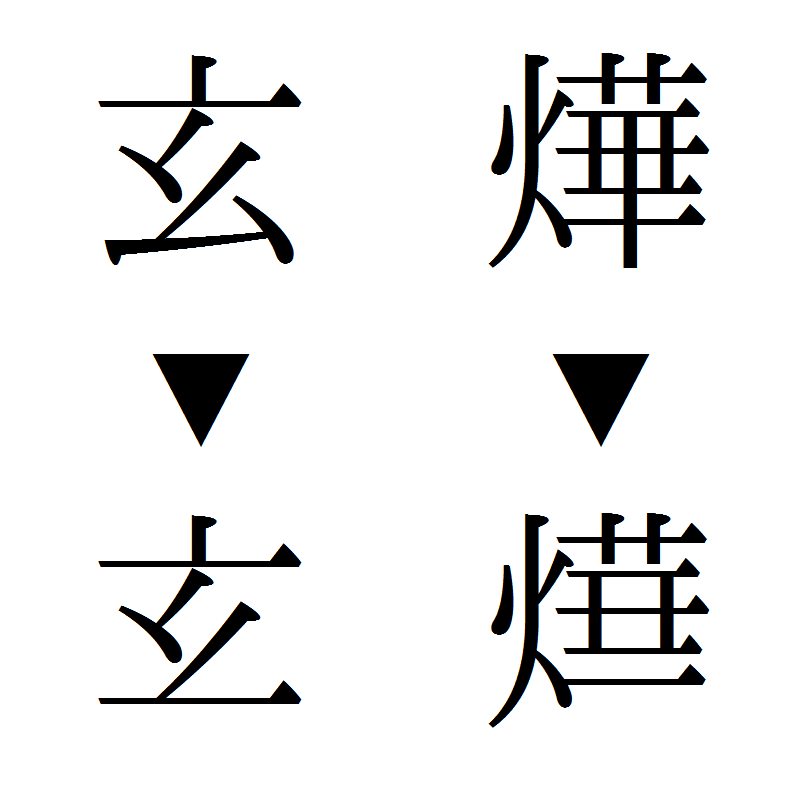 🇨🇳 China and 2 moreNaming taboo避諱
A cultural rule against speaking or writing the names of rulers and ancestors in East AsiaBelief · Protection Historical
🇨🇳 China and 2 moreNaming taboo避諱
A cultural rule against speaking or writing the names of rulers and ancestors in East AsiaBelief · Protection Historical
Related elsewhere
All being 🇪🇬 EgyptCurse
A spoken wish for harm, often backed by ritual or divine authorityBelief · Cursing and harm · Protection Historical
🇪🇬 EgyptCurse
A spoken wish for harm, often backed by ritual or divine authorityBelief · Cursing and harm · Protection Historical
 🇹🇷 Turkey and 5 moreEvil eye
A curse caused by an envious look and the charms used to block itBelief · Protection · Cursing and harm Living
🇹🇷 Turkey and 5 moreEvil eye
A curse caused by an envious look and the charms used to block itBelief · Protection · Cursing and harm Living
 🇫🇷 FranceLady of the LakeDame du Lac
A water spirit who raises knights and captures wizards in Arthurian talesFigure · Protection · Cursing and harm Legendary
🇫🇷 FranceLady of the LakeDame du Lac
A water spirit who raises knights and captures wizards in Arthurian talesFigure · Protection · Cursing and harm Legendary
 🇮🇪 IrelandPúca
A shape-shifting spirit of Celtic folklore that brings fortune or mischiefBeing · Luck and prosperity · Cursing and harm Legendary
🇮🇪 IrelandPúca
A shape-shifting spirit of Celtic folklore that brings fortune or mischiefBeing · Luck and prosperity · Cursing and harm Legendary