
Hyakumonogatari Kaidankai
In its own language: 百物語怪談会
from Japanese hyaku meaning one hundred, monogatari meaning tale, and kaidankai meaning ghost story gathering
An Edo period Japanese parlour game where ghost stories extinguish candles one by one
Hyakumonogatari Kaidankai is a traditional Japanese parlour game played during the Edo period. Participants tell supernatural tales while snuffing out candles, a practice believed to summon spirits if completed fully.
- Players extinguish one candle per ghost story told
- Stopping at ninety-nine prevents summoning spirits
- Originated among samurai as a test of courage
- Popularized kaidan literature in the Edo period
- Influenced modern Japanese horror films and anime
What it is
Hyakumonogatari Kaidankai is a Japanese parlour game from the Edo period that combines storytelling with ritual elements. Players gather in a darkened room to share supernatural tales. As each story concludes, a candle or lamp is extinguished. The game serves as both entertainment and a test of courage. It is deeply rooted in Japanese folklore and Buddhist-inspired beliefs about the spirit world. The practice was popular among samurai and later spread to common citizens. It represents a unique blend of social gathering and spiritual risk.
Where it comes from
The exact origins of the game are unknown. It is believed to have started within the samurai class as a method to test bravery. A 1660 nursery tale by Ogita Ansei describes young samurai playing a version of the game. In this story, a giant hand appears after the final tale, only to be revealed as a spider shadow. The game gained popularity across social classes, moving from aristocratic warriors to peasants and town dwellers. It flourished alongside new printing technologies that allowed for the mass publication of ghost story collections.
How it is done
Players sit in a circle around one hundred lit candles. After each ghost story, a participant extinguishes one candle. The room grows darker as the night progresses. A more complex variation uses three connected rooms. Storytellers pass through an empty middle room to snuff out a candle in a separate chamber, often looking into a mirror before returning. This setup creates suspense and isolation. The game is typically played in summer, partly because the fear-induced shivers provide cooling relief from the heat. Many groups stop at ninety-nine tales to avoid completing the ritual.
Tools and materials
The primary tools are one hundred candles or andon lamps. In some variations, a small mirror is placed on a table in the candle room. These objects serve both practical and symbolic purposes. The fading light represents the thinning veil between the living and the dead. The mirror may reflect the presence of spirits or the fear of the participants. Books of ghost stories were also used, as players often brought anthologies of kaidan to recite when they ran out of personal tales.
Hyakumonogatari Kaidankai, drawn and placed
- Living
- Revived
- Fading
- Historical
- Legendary
- Performed
- Lineage
- Edo period Japanese folk tradition
- Timing
- summer nights
What it is for
The game is primarily a test of courage and a form of entertainment. However, it is also considered a ritual method for summoning spirits. Practitioners believe that completing all one hundred tales invites supernatural beings into the room. To prevent this, many groups leave the final candle lit. The intent is not necessarily to harm others but to experience the thrill of the unknown. It also serves as a communal way to share cultural folklore and legends. The stories often involve karma and ghostly vengeance, reflecting Buddhist influences.
Who does it
Originally played by samurai, the game was adopted by various social classes. Both men and women participated in these gatherings. The storytellers were expected to be brave and engaging. Common people would scour the countryside for authentic tales to share. The role of the practitioner involves maintaining the atmosphere of tension and fear. There is no formal training required, but skill in storytelling enhances the experience. The game fosters a sense of community among participants who face the darkness together.
Peoples and places
The game is distinctly Japanese, originating in Japan during the Edo period. It reflects Japanese cultural values regarding courage, respect for ancestors, and belief in spirits. Similar practices exist in other cultures, but Hyakumonogatari Kaidankai is specific to Japan. The tales shared often draw from local folklore and Buddhist concepts. The game influenced Japanese literature and art, leading to the publication of many kaidan collections. Its legacy continues in modern Japanese horror media and urban legends.
At a glance: who, where and when
Who does it
Peoples
Belief worlds
Occasions
What people believe
The core belief is that telling one hundred ghost stories summons spirits. The darkness created by extinguishing candles is seen as an invitation for the supernatural. Completing the full cycle is considered dangerous. This superstition leads many to stop at ninety-nine tales. The game is also linked to Obon, a festival honoring the dead, which occurs in summer. The coldness associated with fear is valued in hot weather. These beliefs intertwine folk religion with Buddhist ideas about karma and the afterlife.
When it is done
The game is traditionally played during summer. This season aligns with Obon, a time when spirits are believed to return. The heat of summer makes the chilling effect of fear desirable. Gatherings occur at night, in darkness. The timing enhances the spooky atmosphere. While historically tied to specific seasons, modern adaptations may occur at any time. The connection to summer remains a key feature of the traditional practice.
Days linked to Hyakumonogatari Kaidankai
Questions people ask about Hyakumonogatari Kaidankai
What is Hyakumonogatari Kaidankai?
It is a Japanese parlour game from the Edo period where participants tell ghost stories while extinguishing candles one by one. It originated as a test of courage for samurai and later became popular among all social classes.
Why do players stop at ninety-nine candles?
Believers hold that completing all one hundred tales summons spirits into the room. Stopping at ninety-nine leaves the final candle lit, symbolically preventing the arrival of supernatural beings.
When is the game traditionally played?
It is played in summer, particularly around Obon. The heat makes the chilling sensation of fear desirable, and the festival honors the dead, aligning with the game's theme.
How does the game affect Japanese culture?
It spurred the publication of kaidan books and influenced modern horror media. Many Japanese films, anime, and urban legends draw inspiration from this tradition of storytelling and supernatural belief.
Good reading and sources
- Hyakumonogatari Kaidankai on WikipediaEncyclopedia
- More photos on Wikimedia CommonsPhotos and video
- Wikidata recordOpen data
The facts on this page come from the Wikipedia article "Hyakumonogatari Kaidankai", written by its contributors and used under the CC BY-SA 4.0 licence, and from its Wikidata record (CC0). EveryJaadu rewrote the text in its own words, with AI assistance, and compares every page with the article to make sure no passage is copied. It may be reused under the same CC BY-SA 4.0 licence with a link back.
It may contain mistakes. Names and customs differ from one community to the next, and some knowledge is closed to outsiders and left out here. This page describes belief and practice. It does not say that any of it works, it is not a how-to, and it is not medical advice. If something is wrong, tell us. Last refreshed 2026-10-05.
More from Japan
All the entries from Japan 🇯🇵 JapanSetsubun節分
A Japanese seasonal rite to drive away bad luck and welcome spring with roasted beansRite · Protection · Luck and prosperity Living
🇯🇵 JapanSetsubun節分
A Japanese seasonal rite to drive away bad luck and welcome spring with roasted beansRite · Protection · Luck and prosperity Living
 🇯🇵 Japan and 1 moreMisogi禊
A Shinto rite of full-body purification using cold waterRite · Cleansing and purification · Speaking with spirits and the dead Living
🇨🇳 China and 3 moreQi氣 / 气
A vital force in Chinese philosophy and medicine, believed to flow through all living things.Substance · Healing · Power and authority Living
🇯🇵 Japan and 1 moreMisogi禊
A Shinto rite of full-body purification using cold waterRite · Cleansing and purification · Speaking with spirits and the dead Living
🇨🇳 China and 3 moreQi氣 / 气
A vital force in Chinese philosophy and medicine, believed to flow through all living things.Substance · Healing · Power and authority Living
 🇨🇳 China and 2 moreNaming taboo避諱
A cultural rule against speaking or writing the names of rulers and ancestors in East AsiaBelief · Protection Historical
🇨🇳 China and 2 moreNaming taboo避諱
A cultural rule against speaking or writing the names of rulers and ancestors in East AsiaBelief · Protection Historical
Related elsewhere
All rite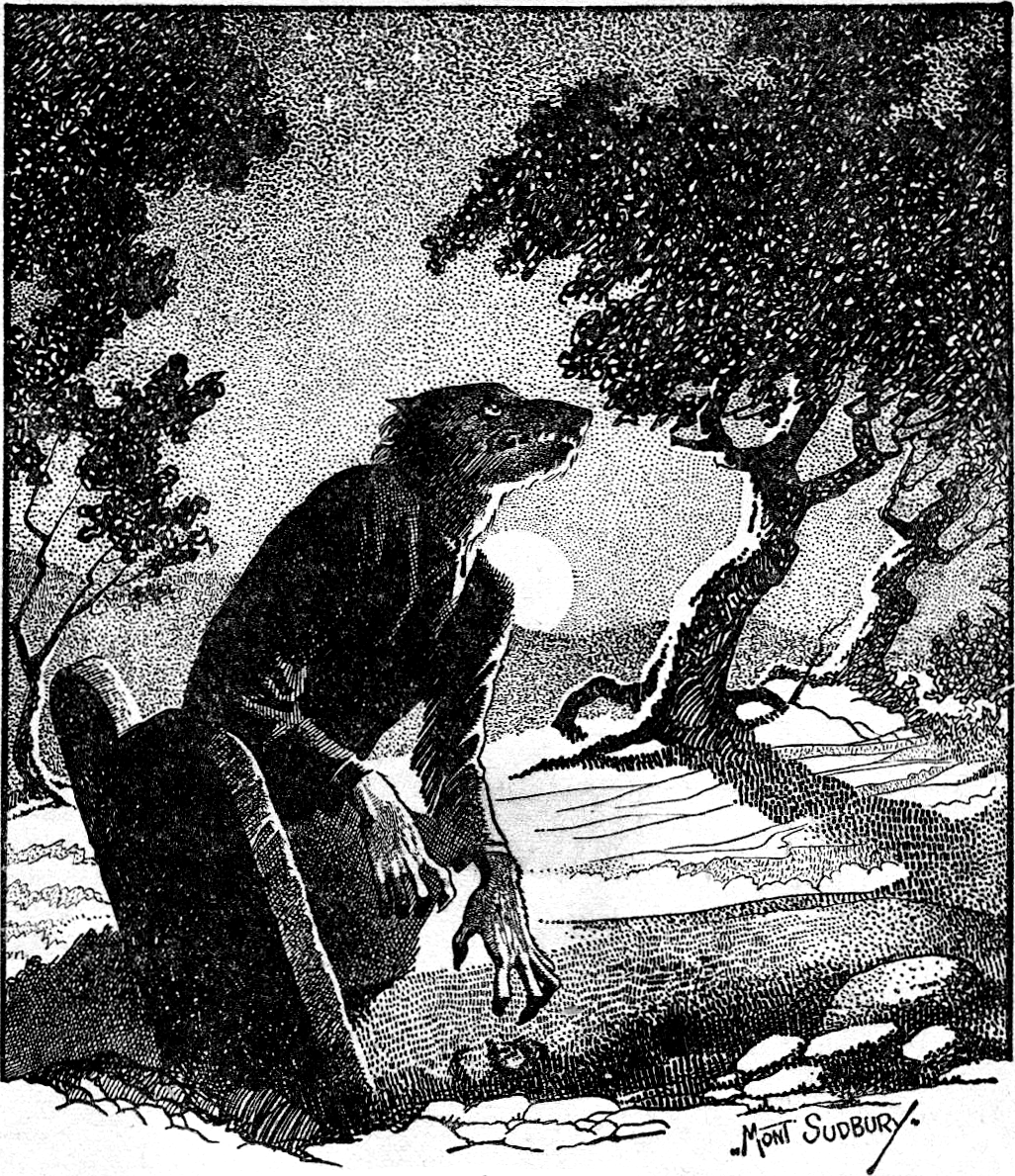 🇫🇷 France and 5 moreWerewolf
A mythical shapeshifter that turns into a wolf, central to European witch-hunts and Gothic horror.Being · Cursing and harm · Wonder and entertainment Legendary
🇫🇷 France and 5 moreWerewolf
A mythical shapeshifter that turns into a wolf, central to European witch-hunts and Gothic horror.Being · Cursing and harm · Wonder and entertainment Legendary
 🇬🇧 United Kingdom and 1 moreBlue men of the Minchna fir ghorma
Mythical blue-skinned spirits of the Scottish strait who challenge sailors to poetry contestsBeing · Cursing and harm · Wonder and entertainment Legendary
🇬🇧 United Kingdom and 1 moreBlue men of the Minchna fir ghorma
Mythical blue-skinned spirits of the Scottish strait who challenge sailors to poetry contestsBeing · Cursing and harm · Wonder and entertainment Legendary
 🇩🇪 Germany and 5 moreStraw bearStrohbär
A carnival figure wrapped in straw that visits homes for gifts and marks the turning of seasons.Tradition · Luck and prosperity · Cursing and harm Living
🇩🇪 Germany and 5 moreStraw bearStrohbär
A carnival figure wrapped in straw that visits homes for gifts and marks the turning of seasons.Tradition · Luck and prosperity · Cursing and harm Living
 🇮🇩 IndonesiaRangdaᬭᬗ᭄ᬤ
A Balinese demon queen who leads witches in an eternal battle against good.Figure · Cursing and harm · Wonder and entertainment Legendary
🇮🇩 IndonesiaRangdaᬭᬗ᭄ᬤ
A Balinese demon queen who leads witches in an eternal battle against good.Figure · Cursing and harm · Wonder and entertainment Legendary