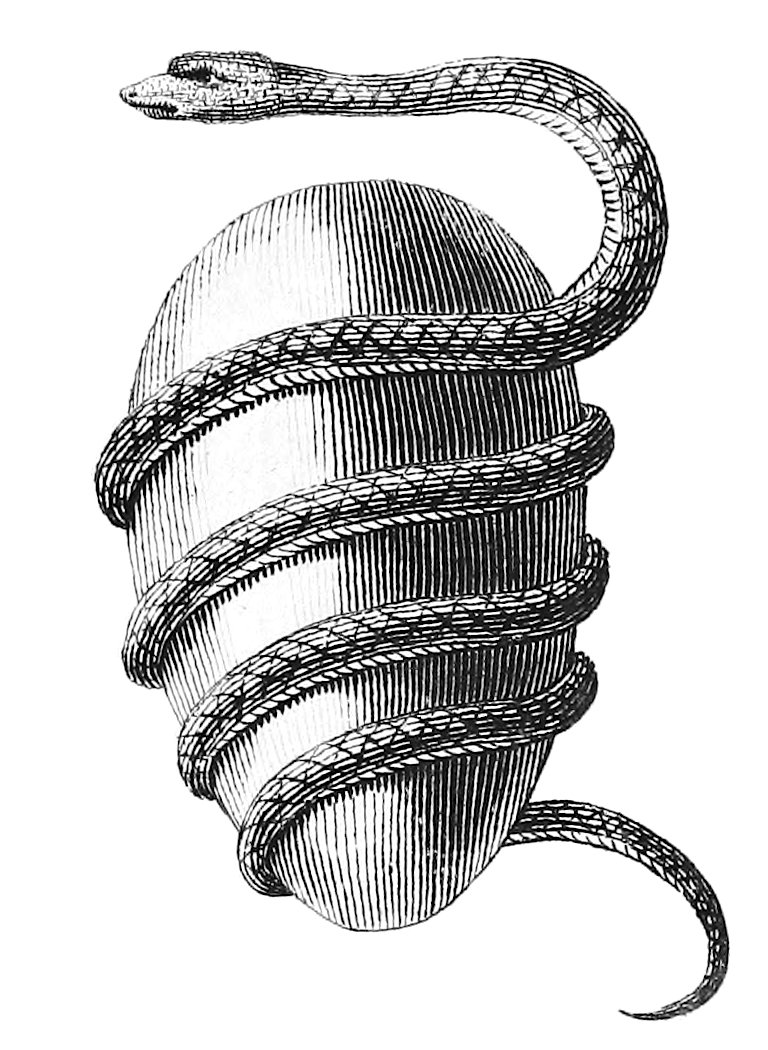
Cosmic egg
from Latin omne vivum ex ovo, meaning all life comes from an egg
A mythological motif where the universe or a creator emerges from a primordial egg.
The cosmic egg is a widespread narrative pattern in which creation begins with an egg that hatches to form the world. It appears in ancient traditions across Africa, Asia, Europe, and the Middle East, often explaining how heaven and earth were separated.
- Dogon myths say Amma took the form of an egg to create the world.
- Pangu in China split a cosmic egg to separate heaven and earth.
- Finnish epic Kalevala features an egg laying goddess named Ilmatar.
- Egyptian Hermopolitan theology links the egg to eight primordial gods.
- Orphic Greek tradition describes an egg hatching into the god Phanes.
What it is
The cosmic egg is a recurring theme in global mythology used to explain the origin of the universe. In this narrative, a single egg exists at the start of time. When it breaks or hatches, it produces either the physical world directly or a deity who then shapes reality. The structure of the egg often mirrors the cosmos: the shell becomes the sky, while the contents become the earth. This symbol draws on the natural properties of eggs as vessels of potential life and nourishment.
Where it comes from
This motif likely originated from early observations of nature, specifically the ability of eggs to sustain and generate new life. The concept appears in Proto-Indo-European traditions and spread through various cultures. It serves as a foundational explanation for how order emerged from chaos. Scholars note its presence in diverse regions, suggesting a shared human impulse to use familiar biological forms to describe vast cosmic events.
How it is done
Myths describe the egg existing within primordial waters or chaos. Over time, it cracks or splits. The upper part rises to form the firmament, while the lower part settles as land. In some accounts, a god sits on the egg until it breaks. In others, a creature inside grows until it shatters the shell. The process transforms solid parts into celestial bodies like the sun and moon.
Tools and materials
The primary material is the egg itself. Its components carry symbolic weight. The hard outer shell represents the heavens or the boundary of the world. The inner yolk or white becomes the earth, stars, or divine beings. Primordial waters often surround the egg, providing the medium from which it emerges. These elements are not physical tools but structural metaphors for creation.
Cosmic egg, drawn and placed
- Living
- Revived
- Fading
- Historical
- Legendary
- Performed
- Lineage
- cosmogony
- Timing
- at the beginning of time
What it is for
The cosmic egg explains how the world began without requiring complex machinery. It provides a clear image of separation between sky and earth. Different cultures use it to justify their local geography or religious hierarchy. It answers the question of where everything came from by pointing to a single, contained source that unfolds over time.
Who does it
No specific priests or shamans perform rituals involving the cosmic egg today. It is a subject of study for historians and anthropologists. Ancient texts and oral traditions preserve these stories. Modern cosmologists occasionally use the term metaphorically to describe early universe models, though this is a scientific analogy rather than a religious practice.
Peoples and places
The Dogon people of Burkina Faso tell of Amma creating the world from an egg-like form. Chinese myths feature Pangu emerging from a chicken-like egg after millennia. Finnish epic poetry describes Ilmatar birthing the world from fragments of an egg laid by a pochard bird. Egyptian theology links the egg to the Ogdoad gods in Hermopolis. Greek and Roman writers recorded similar ideas, often linking them to Orphic traditions.
At a glance: who, where and when
What people believe
These stories reflect a worldview where order arises from a unified whole. The egg symbolizes potentiality before actualization. Many traditions view the initial state as chaotic water or void. The breaking of the egg is a moment of decisive change, separating light from dark and solid from liquid. This duality is central to how these cultures understand the structure of reality.
When it is done
The cosmic egg is not tied to seasonal festivals or daily rites. It belongs to the realm of eternal past, describing events before time began. Some myths mention long periods, such as eighteen thousand years or one hundred divine years, during which the egg gestates. These timescales emphasize the patience required for creation.
How scholars and sceptics see it
Anthropologists see the cosmic egg as a universal archetype for birth and renewal. Historians trace its variations to show how different societies adapted the core idea. Scientists have borrowed the term for cosmological models where the universe expands from a dense state. Skeptics view it as a pre-scientific attempt to explain origins through familiar biological processes.
Cautions and what is closed
There are no known dangers associated with the myth itself. However, some modern interpretations misuse these ancient symbols for pseudoscientific claims. Researchers caution against conflating metaphorical creation stories with literal geological or astronomical facts. The myths are cultural artifacts, not empirical data.
Compare and confuse
The cosmic egg is often confused with the world tree or axis mundi concepts, which also describe cosmic structure. In some traditions, the egg is linked to the ouroboros, the snake eating its own tail, representing cyclic time. It differs from other creation myths that involve direct speech or bodily dismemberment, focusing instead on incubation and hatching.
Questions people ask about Cosmic egg
What is the cosmic egg?
It is a mythological motif where the universe or a creator deity emerges from a primordial egg. The egg typically splits to form the sky and the earth, serving as a universal symbol for the beginning of existence.
Where does this myth come from?
It appears in many independent cultures, including African, Asian, European, and Middle Eastern traditions. It likely stems from early observations of nature and the symbolic power of eggs as sources of life.
How is the world formed from the egg?
Usually, the shell becomes the heavens and the yolk or white becomes the earth. Sometimes a god inside hatches it, while other times the egg simply cracks open over time, releasing the elements of the cosmos.
Good reading and sources
The facts on this page come from the Wikipedia article "Cosmic egg", written by its contributors and used under the CC BY-SA 4.0 licence, and from its Wikidata record (CC0). EveryJaadu rewrote the text in its own words, with AI assistance, and compares every page with the article to make sure no passage is copied. It may be reused under the same CC BY-SA 4.0 licence with a link back.
It may contain mistakes. Names and customs differ from one community to the next, and some knowledge is closed to outsiders and left out here. This page describes belief and practice. It does not say that any of it works, it is not a how-to, and it is not medical advice. If something is wrong, tell us. Last refreshed 2026-10-06.
Related elsewhere
All belief 🇬🇧 United Kingdom and 2 moreKing ArthurBrenin Arthur
A legendary British king and folk hero of medieval literature and Welsh mythologyFigure · Power and authority · Wonder and entertainment Legendary
🇬🇧 United Kingdom and 2 moreKing ArthurBrenin Arthur
A legendary British king and folk hero of medieval literature and Welsh mythologyFigure · Power and authority · Wonder and entertainment Legendary
 🇪🇬 Egypt and 1 moreSphinx
A mythical hybrid with a human head and lion body, serving as guardian or riddler in Egyptian and Greek traditions.Being · Protection · Wonder and entertainment Legendary
🇪🇬 Egypt and 1 moreSphinx
A mythical hybrid with a human head and lion body, serving as guardian or riddler in Egyptian and Greek traditions.Being · Protection · Wonder and entertainment Legendary
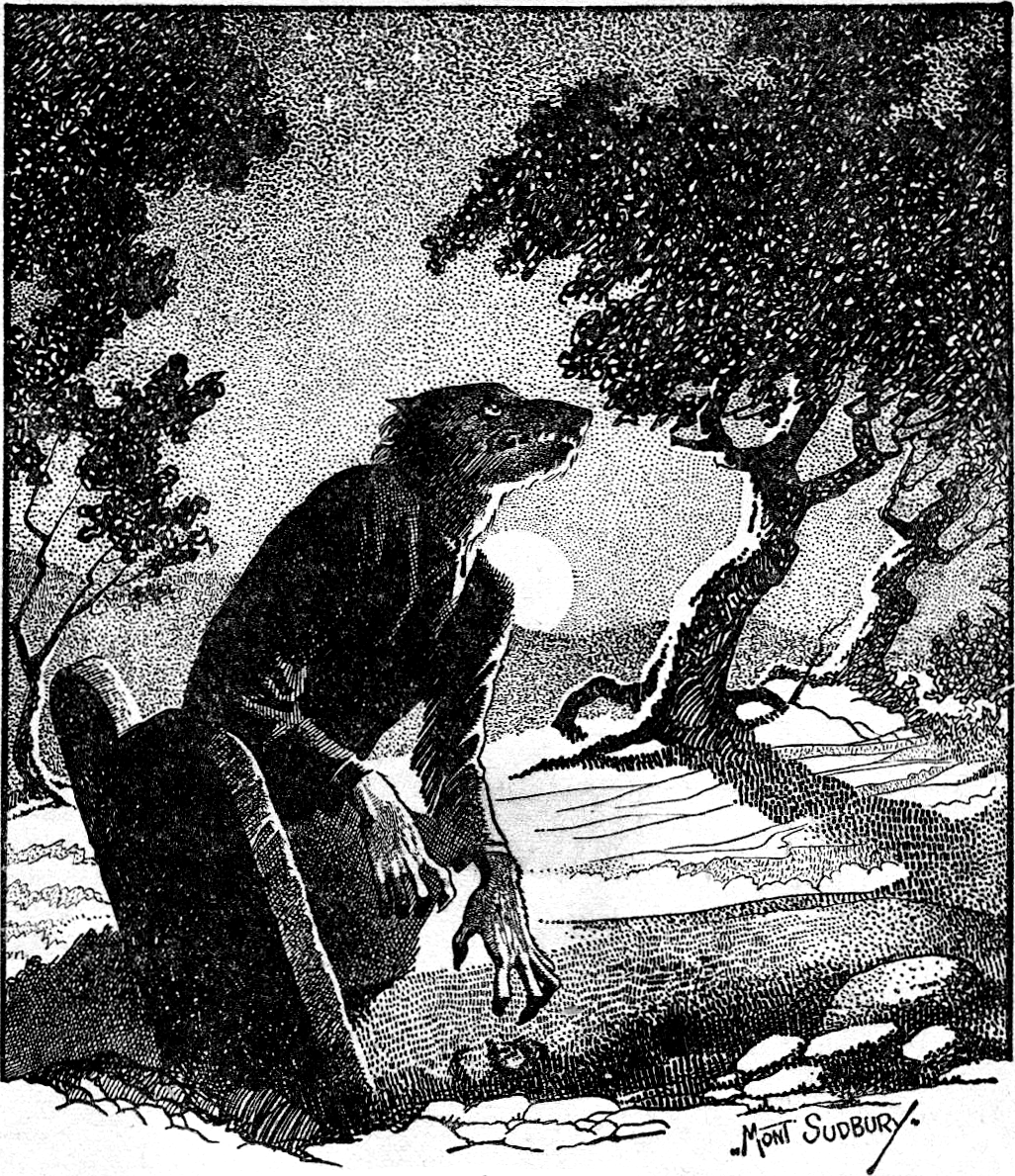 🇫🇷 France and 5 moreWerewolf
A mythical shapeshifter that turns into a wolf, central to European witch-hunts and Gothic horror.Being · Cursing and harm · Wonder and entertainment Legendary
🇫🇷 France and 5 moreWerewolf
A mythical shapeshifter that turns into a wolf, central to European witch-hunts and Gothic horror.Being · Cursing and harm · Wonder and entertainment Legendary
 🇪🇸 Spain and 5 moreSt John's Eve
A Christian vigil marked by bonfires and plant gathering on the summer solstice eveRite · Protection · Speaking with spirits and the dead Living
🇪🇸 Spain and 5 moreSt John's Eve
A Christian vigil marked by bonfires and plant gathering on the summer solstice eveRite · Protection · Speaking with spirits and the dead Living