
Famadihana
A Malagasy ritual to rewrap ancestors and celebrate their return to the spirit world
Famadihana is a funerary ceremony practiced by the Malagasy peoples of Madagascar. Families exhume their ancestors, wrap them in fresh silk, and dance with the bodies to honor the dead and strengthen family bonds.
- Families exhume ancestors every five to seven years.
- Bodies are wrapped in fresh silk shrouds.
- Dancing with corpses celebrates the dead's life.
- Linked to pneumonic plague transmission risks.
- Evangelical Christians often abandon the custom.
What it is
Famadihana is a traditional ceremony among the Malagasy people of Madagascar. It involves exhuming the remains of deceased relatives from family crypts. The bodies are wrapped in new cloth, often silk, and the names are rewritten on the fabric. This act ensures the ancestors are remembered and respected. The ritual serves as a celebration of the life lived by the departed, reinforcing the bond between the living and the dead.
Where it comes from
The custom likely originated in the seventeenth century in its current form. It may have adapted earlier double funeral practices from Southeast Asia or Oceania. The tradition is based on the belief that spirits join the ancestor world only after full decomposition. This process can take many years, requiring specific ceremonies to facilitate the transition.
How it is done
Family members open the tomb and remove the bodies. They replace old wrappings with fresh ones, sometimes adding new inscriptions. The group then dances to live music while carrying the corpses on their heads. They circle the tomb before placing the remains back inside. This sequence transforms a somber duty into a communal celebration.
Tools and materials
Silk shrouds are central to the practice. These expensive cloths are used to rewrap the bodies. Fresh cloth signifies respect and renewal. The rewriting of names on the fabric ensures the deceased remain part of the family narrative for future generations.
Famadihana, drawn and placed
- Living
- Revived
- Fading
- Historical
- Legendary
- Performed
- Timing
- every five to seven years
What it is for
The ritual honors the dead and strengthens kinship ties. It brings extended families together, even those with past conflicts. Participants view it as a way to respect their ancestors. The gathering allows relatives from across the country to reconnect and celebrate their shared heritage.
Who does it
Ordinary households organize and perform the ceremony. It is a collective family effort rather than a specialist priestly duty. Both men and women participate in the exhumation and dancing. The practice requires financial resources for the silk and food for the gathering.
Peoples and places
The Malagasy people of Madagascar practice this tradition. It is widespread across the island, though participation varies. Some groups maintain the custom strictly, while others have modified or abandoned it due to cost or religious influence.
At a glance: who, where and when
Who does it
Peoples
Belief worlds
Occasions
What people believe
Malagasy beliefs hold that the dead eventually become ancestors. This status is achieved after the body decomposes completely. The ritual accelerates or marks this spiritual transition. Ancestors are seen as active members of the family who require remembrance and care.
When it is done
The ceremony typically occurs every five to seven years. There is no fixed calendar date; families choose a time based on readiness and resources. It is not tied to specific festivals but stands as a major life event for the lineage.
How scholars and sceptics see it
Researchers note the decline of the practice due to high costs. Some Malagasy consider it outdated. Evangelical Christians often reject it, while Catholics accept it as cultural. Studies link the ritual to pneumonic plague transmission, leading to government restrictions during outbreaks.
Cautions and what is closed
The practice has been linked to pneumonic plague spread. The government forbids it for those who died of the disease. Despite rulings, some ignore these bans. The expense of silk shrouds also limits participation, causing the tradition to fade in some areas.
Compare and confuse
Famadihana resembles other ancestor veneration rituals. It differs from immediate burial customs found elsewhere. The focus on rewrapping and dancing is unique to Malagasy culture. It shares themes with Southeast Asian double funerals but has distinct local features.
Law and persecution
Government rulings prohibit the practice for plague victims. These bans aim to prevent disease transmission. Enforcement is inconsistent, with reports of non-compliance. Religious authorities also influence legality, with some denominations discouraging the rite.
Rites that involve Famadihana
Questions people ask about Famadihana
What is Famadihana?
It is a Malagasy ceremony where families exhume ancestors, rewrap them in silk, and dance with the bodies to honor the dead and strengthen family bonds.
Where does it come from?
It originates in Madagascar among the Malagasy peoples, likely evolving in the seventeenth century from older double funeral customs.
Why do they do it?
Believers hold that spirits join ancestors after decomposition. The ritual honors the dead and reunites extended families.
Good reading and sources
- Famadihana on WikipediaEncyclopedia
- More photos on Wikimedia CommonsPhotos and video
- Wikidata recordOpen data
The facts on this page come from the Wikipedia article "Famadihana", written by its contributors and used under the CC BY-SA 4.0 licence, and from its Wikidata record (CC0). EveryJaadu rewrote the text in its own words, with AI assistance, and compares every page with the article to make sure no passage is copied. It may be reused under the same CC BY-SA 4.0 licence with a link back.
It may contain mistakes. Names and customs differ from one community to the next, and some knowledge is closed to outsiders and left out here. This page describes belief and practice. It does not say that any of it works, it is not a how-to, and it is not medical advice. If something is wrong, tell us. Last refreshed 2026-10-05.
More from Madagascar
All the entries from Madagascar 🇸🇳 Senegal and 5 moreAncestor veneration
Rituals of respect and offerings for the dead across many culturesTradition · Protection · Speaking with spirits and the dead Living
🇸🇳 Senegal and 5 moreAncestor veneration
Rituals of respect and offerings for the dead across many culturesTradition · Protection · Speaking with spirits and the dead Living
 🇲🇬 MadagascarSikidy
An algebraic geomancy practiced by Malagasy peoples using seeds to read fate and prescribe remediesOracle · Seeing and foretelling · Protection Living
🇲🇬 MadagascarSikidy
An algebraic geomancy practiced by Malagasy peoples using seeds to read fate and prescribe remediesOracle · Seeing and foretelling · Protection Living
 🇲🇬 MadagascarMalagasy mythology
The oral traditions and ancestral beliefs of the Malagasy people in MadagascarTradition · Speaking with spirits and the dead · Protection Living
🇲🇬 MadagascarMalagasy mythology
The oral traditions and ancestral beliefs of the Malagasy people in MadagascarTradition · Speaking with spirits and the dead · Protection Living
 🇮🇳 India and 5 moreAncestor worship
Rites of respect for the dead that maintain family bonds and seek spiritual guidanceTradition · Protection · Speaking with spirits and the dead Living
🇮🇳 India and 5 moreAncestor worship
Rites of respect for the dead that maintain family bonds and seek spiritual guidanceTradition · Protection · Speaking with spirits and the dead Living
Related elsewhere
All rite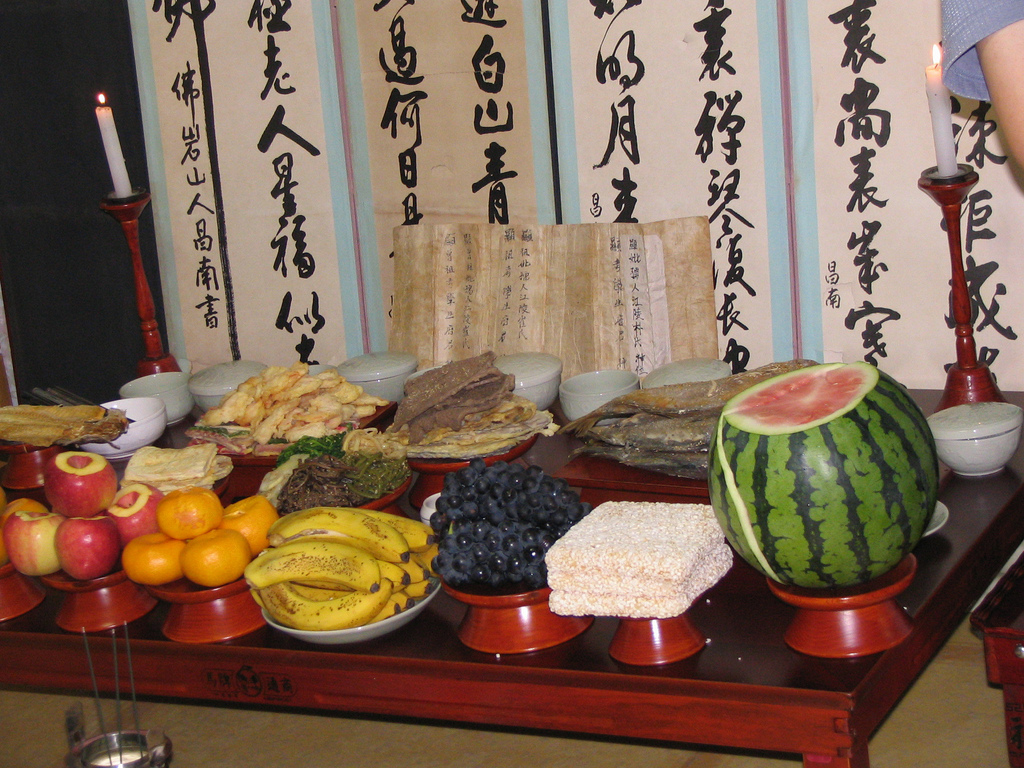 🇰🇷 South Korea and 1 moreChuseok추석 (Chuseok), 한가위 (Hangawi)
A Korean autumn harvest festival marked by ancestral rites and feasting on the full moon.Tradition · Speaking with spirits and the dead · Luck and prosperity Living
🇰🇷 South Korea and 1 moreChuseok추석 (Chuseok), 한가위 (Hangawi)
A Korean autumn harvest festival marked by ancestral rites and feasting on the full moon.Tradition · Speaking with spirits and the dead · Luck and prosperity Living
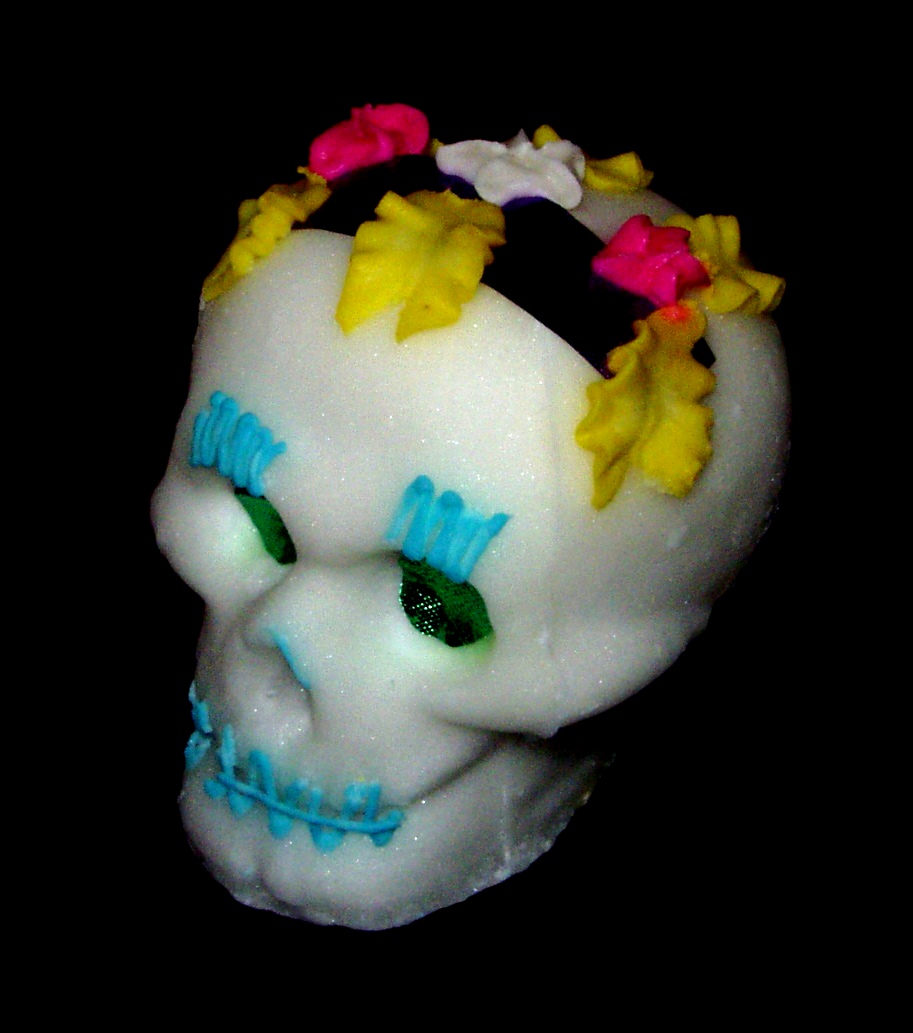 🇲🇽 MexicoCalavera
A sugar or clay skull used in Mexican Day of the Dead celebrations.Charm · Speaking with spirits and the dead · Luck and prosperity Living
🇨🇳 China and 4 moreKitchen God灶君
The Chinese hearth deity who reports domestic conduct to the Jade EmperorBeing · Protection · Luck and prosperity Living
🇲🇽 MexicoCalavera
A sugar or clay skull used in Mexican Day of the Dead celebrations.Charm · Speaking with spirits and the dead · Luck and prosperity Living
🇨🇳 China and 4 moreKitchen God灶君
The Chinese hearth deity who reports domestic conduct to the Jade EmperorBeing · Protection · Luck and prosperity Living