
Babaylan
from Proto-Western-Malayo-Polynesian *balian, meaning shaman or medium
Spiritual leaders of pre-colonial Philippines who mediated with the unseen world.
The babaylan served as shamans and spiritual guides for various ethnic groups in the Philippines before Spanish colonization. They acted as mediums to communicate with spirits and deities, performing rituals for healing, divination, and community welfare.
- Predominantly female spiritual leaders in pre-colonial Philippines
- Term derived from Proto-Western-Malayo-Polynesian *balian
- Included effeminate men known as asog or bayok
- Served as mediums for anito and diwata spirits
- Persecuted and suppressed by Spanish colonial authorities
What it is
The babaylan were spiritual specialists among the pre-colonial peoples of the Philippines. They functioned as intermediaries between the human community and the spirit world. Their duties included healing the sick, predicting future events, and conducting ceremonies to honor ancestors and nature spirits. This role was central to the social and religious life of their communities, providing a bridge to the divine and the ancestral past.
Where it comes from
The term derives from the Proto-Western-Malayo-Polynesian word *balian. Linguists debate its deeper roots, with some suggesting a connection to escorting souls. The practice is part of a broader Austronesian tradition found across Island Southeast Asia. Different ethnic groups used variations of the name, such as balian or katalonan. The specific etymology of katalonan remains disputed, with theories ranging from 'forest' to 'to help'.
How it is done
Babaylan entered trance states to allow spirits to speak through them. They performed séances known as pag-anito to contact deities. Healing involved herbal remedies and ritual sacrifice. Divination required interpreting signs or entering altered states of consciousness. Initiation rites varied by region, sometimes involving physical hardship or isolation to prove spiritual worthiness. The shaman would offer food and blood to maintain relationships with their guiding spirits.
Tools and materials
Practitioners used herbs for healing and inducing trances. Animal sacrifices, typically chickens or pigs, were offered to spirits. Chants and songs were essential for rituals. Tools like the sundang machete were used in specific martial-style rituals by male lineages. The abyan, or spirit guide, was an invisible tool that protected the shaman's soul during journeys.
Babaylan, drawn and placed
- Living
- Revived
- Fading
- Historical
- Legendary
- Performed
- Lineage
- Austronesian indigenous spirituality
- Timing
- during illness, rituals, and initiation ceremonies
What it is for
Communities sought babaylan for protection against illness and misfortune. They asked for guidance on important decisions through divination. The shamans healed physical and spiritual ailments. They also maintained harmony between the living and the dead. Their presence ensured the community remained aligned with the natural and supernatural order.
Who does it
Most babaylan were women, reflecting a view of femininity as spiritually potent. Some men served as shamans by adopting female dress and mannerisms, known as asog or bayok. These gender-nonconforming men did not always require formal initiation. Training usually occurred through apprenticeship under a senior shaman, often a relative. The process could take years and involved learning chants, herbs, and ritual protocols.
Peoples and places
The tradition spanned various Philippine ethnic groups, including Tagalogs, Visayans, and Isneg. Each group had specific names and roles for their shamans. In some areas, like Bohol, male lineages called Sukdan held significant power. The practice declined sharply after Spanish colonization due to religious persecution. Some terms survived among Muslim Filipinos, though meanings shifted over time.
At a glance: who, where and when
Who does it
Belief worlds
Occasions


What people believe
Indigenous belief held that spirits inhabited nature and ancestors. Shamans communicated with these entities, known as anito or diwata. They believed spirits acted as guides and guardians. Reciprocity was key; shamans offered sacrifices to keep spirits loyal. The soul could travel to the spirit world during illness or trance. Healing was seen as restoring balance disrupted by spiritual forces.
When it is done
Rituals occurred during times of crisis, such as illness or harvest failures. Daily life might involve small offerings to household spirits. Initiation rites marked the transition into full shamanic status.
How scholars and sceptics see it
Historians note the statistical dominance of female shamans in pre-colonial records. Studies highlight the unique social status of effeminate male shamans. Scholars analyze the impact of Spanish colonization on suppressing these traditions. Linguistic research traces the evolution of shamanic terminology across Austronesian languages. Anthropologists view the babaylan as key figures in indigenous social structure.
Cautions and what is closed
Spanish colonial authorities persecuted babaylan, confiscating paraphernalia and forcing practices underground. Many shamans faced execution or imprisonment for their beliefs. The tradition was suppressed by the Catholic Church, which replaced indigenous spiritual leadership. Today, the practice survives only in fragmented forms or historical memory, with many details lost to time and censorship.
Compare and confuse
The babaylan shares similarities with shamans across Southeast Asia, such as the balian in Indonesia. However, the Philippine tradition has unique gender dynamics, particularly the role of asog. It differs from later Christian clergy in its emphasis on feminine spiritual authority and direct spirit communication. The term is distinct from generic 'witch' labels applied by colonizers.
Law and persecution
Under Spanish rule, shamanism was illegal and considered heresy. Colonial laws targeted practitioners, leading to widespread persecution. Indigenous people were forced to convert to Catholicism. The legal status of babaylan shifted from respected community leaders to criminals. Modern recognition of these traditions varies, with some revival efforts seeking to reclaim indigenous heritage.
Questions people ask about Babaylan
What was the primary role of a babaylan?
They acted as spiritual intermediaries, communicating with spirits and deities to heal the sick, predict the future, and conduct community rituals.
Were babaylan always women?
Most were women, but some men served as shamans by adopting female roles and dress, known as asog or bayok, reflecting a unique gender dynamic.
How did one become a babaylan?
Usually through apprenticeship with a relative, though some underwent a 'shamanic illness' or crisis interpreted as a spirit calling them to the role.
What happened to this tradition?
Spanish colonization led to severe persecution, forcing the practice underground and largely replacing it with Catholicism, causing its decline.
Good reading and sources
- Filipino shamans on WikipediaEncyclopedia
- More photos on Wikimedia CommonsPhotos and video
- Wikidata recordOpen data
The facts on this page come from the Wikipedia article "Filipino shamans", written by its contributors and used under the CC BY-SA 4.0 licence, and from its Wikidata record (CC0). EveryJaadu rewrote the text in its own words, with AI assistance, and compares every page with the article to make sure no passage is copied. It may be reused under the same CC BY-SA 4.0 licence with a link back.
It may contain mistakes. Names and customs differ from one community to the next, and some knowledge is closed to outsiders and left out here. This page describes belief and practice. It does not say that any of it works, it is not a how-to, and it is not medical advice. If something is wrong, tell us. Last refreshed 2026-10-06.
More from the Philippines
All the entries from the Philippines 🇵🇭 PhilippinesAnito
Indigenous Philippine spirits and the carved figures that represent themBeing · Protection · Speaking with spirits and the dead Living
🇵🇭 PhilippinesAlbularyo
A Filipino folk healer who uses herbs, massage, and prayer to treat illnessTradition · Healing Living
🇵🇭 PhilippinesAnito
Indigenous Philippine spirits and the carved figures that represent themBeing · Protection · Speaking with spirits and the dead Living
🇵🇭 PhilippinesAlbularyo
A Filipino folk healer who uses herbs, massage, and prayer to treat illnessTradition · Healing Living
 🇵🇭 PhilippinesPhilippine mythology
The indigenous myths and spirits of the Philippines, shaped by centuries of trade and colonial contact.Tradition · Speaking with spirits and the dead · Power and authority Living
🇵🇭 PhilippinesWitchcraft in the Philippinespangkukulam
Indigenous beliefs about sorcery and malevolent magic in the PhilippinesTradition · Cursing and harm · Healing Living
🇵🇭 PhilippinesPhilippine mythology
The indigenous myths and spirits of the Philippines, shaped by centuries of trade and colonial contact.Tradition · Speaking with spirits and the dead · Power and authority Living
🇵🇭 PhilippinesWitchcraft in the Philippinespangkukulam
Indigenous beliefs about sorcery and malevolent magic in the PhilippinesTradition · Cursing and harm · Healing Living
Related elsewhere
All tradition 🇺🇸 United StatesKahuna
A Hawaiian expert or priest, keeper of hidden knowledge in craft and spiritTradition · Healing · Seeing and foretelling Living
🇺🇸 United StatesKahuna
A Hawaiian expert or priest, keeper of hidden knowledge in craft and spiritTradition · Healing · Seeing and foretelling Living
 🇨🇺 Cuba and 2 moreSanteríaRegla de Ocha
An Afro-Cuban religion blending Yoruba beliefs with Catholicism and SpiritismTradition · Protection · Healing Living
🇨🇺 Cuba and 2 moreSanteríaRegla de Ocha
An Afro-Cuban religion blending Yoruba beliefs with Catholicism and SpiritismTradition · Protection · Healing Living
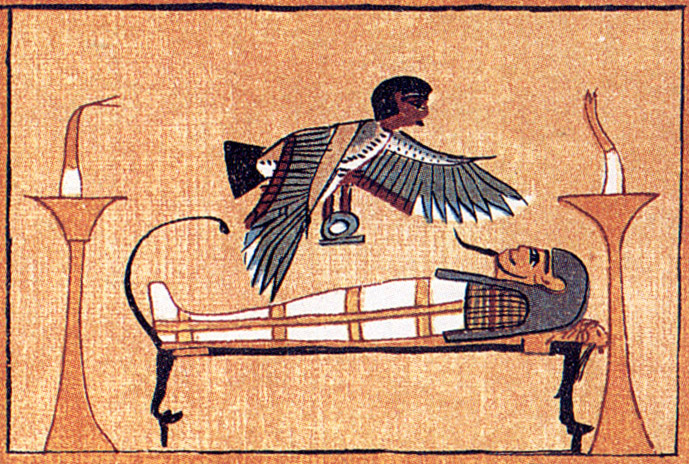 🇸🇪 Sweden and 1 moreSoul flight
A trance practice where the spirit leaves the body to visit other realmsRite · Healing · Seeing and foretelling Historical
🇸🇪 Sweden and 1 moreSoul flight
A trance practice where the spirit leaves the body to visit other realmsRite · Healing · Seeing and foretelling Historical
 🇨🇱 Chile and 1 moreMachi
Mapuche spiritual authorities and healers who bridge herbal knowledge and spirit realmsTradition · Healing · Speaking with spirits and the dead Living
🇨🇱 Chile and 1 moreMachi
Mapuche spiritual authorities and healers who bridge herbal knowledge and spirit realmsTradition · Healing · Speaking with spirits and the dead Living